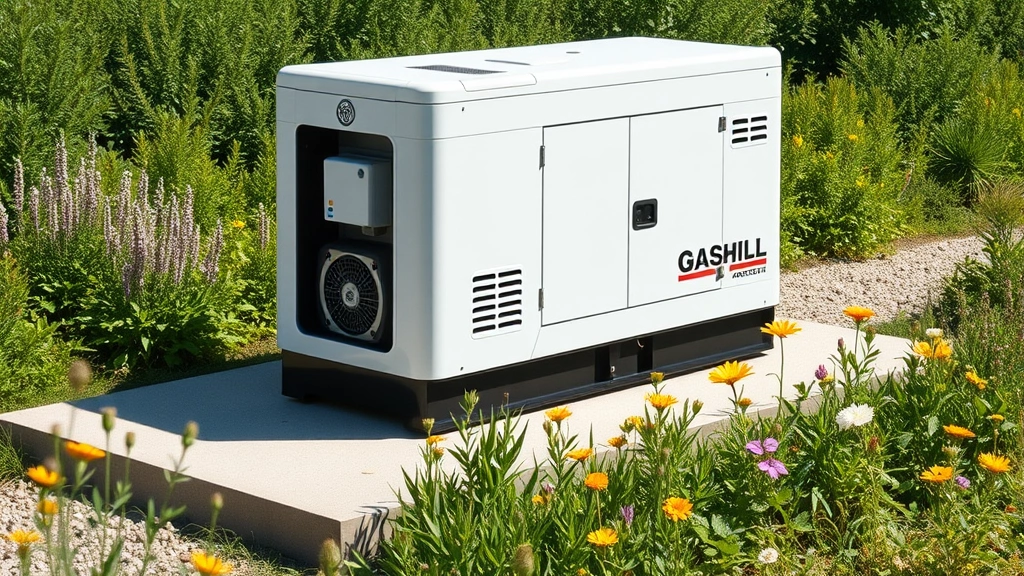
Can Gas Generators Be Eco-Friendly? Research Data and Sustainability Analysis
Gas generators have long been viewed as practical backup power solutions for homes, businesses, and remote operations. However, as climate consciousness grows and environmental regulations tighten, a critical question emerges: can gas in generator systems truly align with eco-friendly principles? The answer is nuanced, requiring examination of current research data, emissions profiles, and technological advancements that are reshaping how we think about portable power generation.
The debate surrounding gas generators reflects broader tensions in our energy transition. While renewable energy sources like solar and wind dominate sustainability conversations, gas-powered generators remain deeply embedded in our infrastructure. Understanding their environmental impact requires honest assessment of emissions, efficiency metrics, and how they compare to alternative technologies. This comprehensive analysis explores whether gas generators can become genuinely eco-friendly and what innovations are making this possible.
Understanding Gas Generator Emissions
Gas generators produce emissions through internal combustion engines that convert fuel into mechanical energy. The primary pollutants released include carbon dioxide (CO₂), nitrogen oxides (NOx), particulate matter, and volatile organic compounds. Research from the EPA’s air quality division indicates that a typical residential gas generator emits approximately 2,000 to 3,000 pounds of CO₂ annually during moderate use.
The carbon footprint extends beyond direct emissions. Extracting, refining, and transporting gasoline creates additional environmental costs. A lifecycle analysis reveals that the entire supply chain contributes roughly 20-30% more emissions than the combustion process alone. This means that choosing between gasoline and other fuel types requires evaluating the complete environmental picture rather than focusing solely on tailpipe emissions.
Propane-powered generators present a slightly cleaner alternative, producing approximately 15% fewer greenhouse gas emissions compared to gasoline models. However, propane is still a fossil fuel requiring extraction and refinement. Natural gas generators offer another variation, though they still emit substantial carbon dioxide during operation. Understanding these baseline emissions helps contextualize whether improvements can genuinely classify gas generators as eco-friendly.
Efficiency Ratings and Performance Metrics
Generator efficiency varies significantly based on design, fuel type, and load capacity. Modern gas generators typically operate at 20-35% thermal efficiency, meaning that only one-third of fuel energy converts to usable electricity, with the remainder lost as heat. This relatively low efficiency represents a fundamental challenge in positioning gas generators as environmentally responsible.
Load matching dramatically affects efficiency. Generators operating at 75% of rated capacity achieve optimal fuel consumption, while running at 25% capacity wastes substantial fuel. Research shows that oversized generators—common in residential installations—operate inefficiently because they rarely reach optimal load conditions. Selecting appropriately sized units and implementing energy-saving strategies can improve real-world efficiency by 15-25%.
Inverter generators represent a technological advancement improving efficiency. These units use sophisticated electronics to match engine speed to electrical demand, reducing fuel consumption by 20-40% compared to conventional models. While still powered by gasoline or propane, inverter technology demonstrates how engineering innovations can substantially reduce environmental impact within the gas generator category.
Image placement:

Comparison with Alternative Power Sources
Evaluating whether gas generators can be eco-friendly requires honest comparison with alternatives. Solar generators with battery storage produce zero direct emissions and have dramatically declining costs. A complete solar system provides emissions-free power once installed, though manufacturing and installation create upfront environmental costs that offset over 3-5 years of operation.
Battery-powered generators offer quiet, emission-free backup power for 4-8 hours depending on capacity. However, they require grid electricity or solar panels for recharging, which means their environmental impact depends on your regional energy mix. In areas relying on renewable energy, battery generators become genuinely clean. In coal-dependent regions, the environmental advantage diminishes significantly.
Wind turbines for residential use provide renewable generation but require substantial space and specific wind conditions. Hybrid systems combining multiple technologies often provide optimal environmental performance. The sustainable energy solutions landscape increasingly favors diversified approaches rather than relying on single technologies.
When comparing gas generators to diesel generators, the environmental picture slightly favors gas. Diesel engines produce 5-10% fewer CO₂ emissions due to higher energy density, but diesel fuel contains higher sulfur content and produces more particulate matter and NOx emissions, creating greater air quality problems. For overall environmental impact, neither fossil fuel option emerges as genuinely eco-friendly compared to renewable alternatives.
Technological Innovations Improving Eco-Friendliness
Manufacturers are developing advanced technologies that reduce gas generator emissions and improve efficiency. Catalytic converters and particulate filters can reduce harmful emissions by 60-80%, bringing air quality impacts closer to acceptable standards. These aftermarket upgrades cost $200-500 but significantly improve environmental profiles.
Image placement:
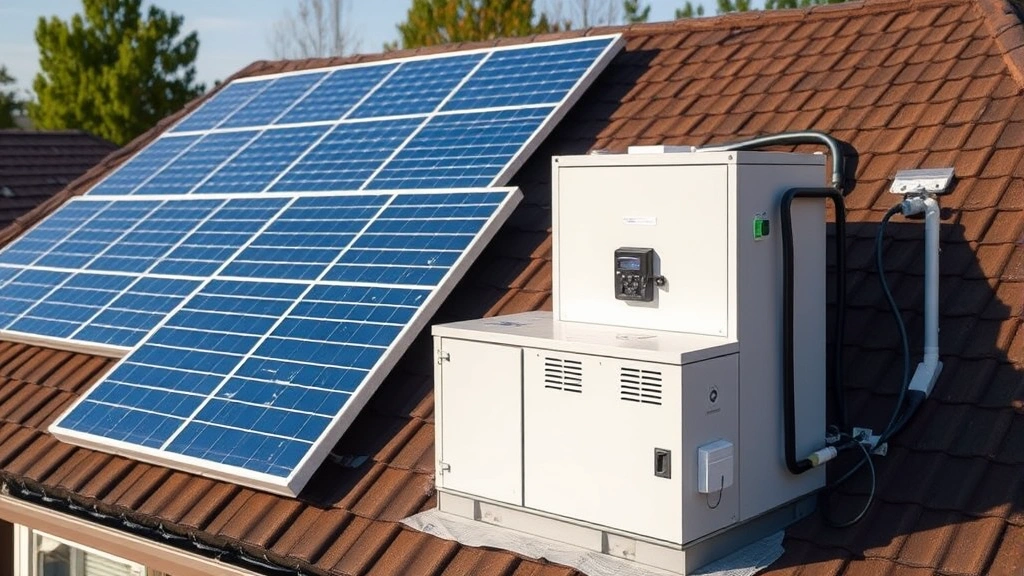
Dual-fuel generators operating on both natural gas and propane represent another innovation. Natural gas produces approximately 30% fewer emissions than gasoline while offering cleaner combustion characteristics. Hybrid models combining gas engines with battery storage enable cleaner operation by using gas generators only when necessary, dramatically reducing runtime and associated emissions.
Biogas and renewable natural gas (RNG) represent emerging fuel alternatives for gas generators. Made from decomposed organic waste, biogas provides carbon-neutral or carbon-negative operation when sourced responsibly. While infrastructure for widespread biogas use remains limited, pilot projects demonstrate viability. Some municipalities now power municipal vehicles and equipment with biogas, proving that gas generators can theoretically run on renewable fuels.
Engine management systems with real-time monitoring optimize combustion parameters, reducing emissions while improving efficiency. IoT-enabled generators provide data on fuel consumption, emissions output, and operational patterns, helping users identify optimization opportunities. These smart technologies represent progress toward more responsible gas generator operation.
Environmental Regulations and Standards
The EPA enforces increasingly stringent emissions standards for portable generators. Current Tier 4 regulations limit NOx and particulate matter emissions, with Tier 5 standards emerging in many states. These regulatory requirements push manufacturers toward cleaner technologies, making modern generators substantially less polluting than models from 10-15 years ago.
The U.S. Department of Energy promotes research into alternative generator technologies while monitoring fossil fuel infrastructure. California’s strict air quality standards have accelerated development of cleaner gas generators, with manufacturers designing equipment specifically for high-emission-control markets.
International standards like ISO 14001 environmental management certification encourage responsible generator manufacturing and operation. Compliance with these standards requires documented emissions monitoring, waste management, and continuous environmental improvement. Generators meeting these certifications represent more environmentally conscious options within the gas-powered category.
Understanding whether natural gas is renewable helps contextualize regulatory frameworks. While natural gas produces cleaner combustion than oil or coal, it remains a fossil fuel with finite reserves. Regulations increasingly reflect this reality by incentivizing transitions toward genuinely renewable alternatives.
Making Gas Generators More Sustainable
If you currently rely on gas generators, several strategies minimize environmental impact. First, right-size your equipment—oversized generators waste fuel and operate inefficiently. Calculate actual power requirements and select units matching those needs, not worst-case scenarios.
Second, optimize maintenance schedules. Clean air filters, fresh oil, and properly functioning spark plugs improve efficiency and reduce emissions by 10-15%. Regular servicing ensures engines operate at peak environmental performance. Many users neglect generator maintenance until failure occurs, significantly degrading efficiency and increasing emissions.
Third, minimize runtime through strategic power management. Using generators only when necessary—during extended outages rather than brief interruptions—substantially reduces annual emissions. Combining gas generators with battery backup systems enables cleaner operation by running gas engines only when batteries deplete.
Fourth, explore green technology innovations that complement or replace gas generators. Solar panels with battery storage provide renewable backup power without emissions. In many regions, solar installation costs have declined 70% over the past decade, making renewable alternatives increasingly competitive financially.
Fifth, consider fuel alternatives. Propane generators reduce emissions compared to gasoline models. If your region offers biogas or renewable natural gas, these carbon-neutral fuel options transform gas generators into more sustainable solutions. Investigating local fuel availability can reveal opportunities for cleaner operation.
Sixth, participate in carbon offset programs. Some utilities offer programs where generator users can fund renewable energy projects offsetting their emissions. While not eliminating environmental impact, carbon offsets acknowledge responsibility and support climate solutions. Organizations like the Nature Conservancy offer verified offset programs.
Finally, advocate for infrastructure improvements. Supporting grid modernization, renewable energy development, and energy storage expansion reduces dependence on backup generators. Community involvement in energy policy shapes long-term sustainability outcomes more effectively than individual generator choices.
FAQ
Are gas generators considered renewable energy?
No, gas generators are not renewable energy sources. They rely on finite fossil fuels (gasoline, propane, or natural gas) that take millions of years to form. While they can operate on renewable natural gas or biogas, conventional gas generators depend on non-renewable resources. For genuinely renewable backup power, explore electric alternatives powered by renewable sources.
What is the most eco-friendly type of generator?
Solar generators with battery storage provide the most eco-friendly backup power, producing zero emissions during operation. However, they require adequate sunlight and upfront investment. For situations where solar isn’t viable, inverter generators running on propane or natural gas represent cleaner fossil fuel options compared to gasoline models. Hybrid systems combining multiple technologies often provide optimal environmental performance.
How much CO₂ do gas generators produce?
A typical residential gas generator produces 2,000-3,000 pounds of CO₂ annually during moderate use (8-10 hours weekly). Heavy-duty industrial generators can produce 10,000+ pounds annually. These figures exclude emissions from fuel extraction, refining, and transportation, which add approximately 20-30% additional carbon footprint when lifecycle analysis is conducted.
Can you run a gas generator on renewable fuel?
Yes, some gas generators can operate on renewable natural gas (RNG) or biogas produced from decomposed organic waste. However, infrastructure for widespread renewable gas distribution remains limited. Most residential generators are designed for conventional gasoline or propane. Biogas availability depends on regional waste management facilities and municipal programs—not yet widely accessible in most areas.
How often should gas generators be serviced for optimal environmental performance?
Gas generators should receive professional servicing annually or every 100-150 operating hours, whichever comes first. Regular maintenance including oil changes, air filter replacement, and spark plug inspection ensures engines operate efficiently, reducing emissions by 10-15%. Well-maintained generators produce fewer pollutants and consume less fuel than neglected equipment.
Are portable gas generators worse for the environment than stationary ones?
Portable and stationary gas generators have similar environmental impacts per unit of electricity generated. However, portable generators often operate less efficiently due to smaller engines and frequent load changes. Stationary generators serving consistent loads achieve better efficiency. The environmental difference depends more on operational patterns and maintenance than on portability.


