Gas Oven Efficiency: Expert Tips to Save Energy
Gas ovens have been a kitchen staple for decades, offering reliable heat and precise temperature control for home cooks and professional chefs alike. However, many households don’t realize that their gas ovens may be operating far below peak efficiency, wasting both energy and money with every meal prepared. Understanding how to optimize your gas oven’s performance is not just about reducing utility bills—it’s about making a meaningful contribution to environmental sustainability while maintaining the cooking quality your family deserves.
The average household uses its oven multiple times per week, making it one of the more energy-intensive appliances in the kitchen. When you consider that gas ovens can account for a significant portion of residential energy consumption, implementing efficiency improvements becomes both economically sensible and environmentally responsible. This comprehensive guide explores actionable strategies, maintenance practices, and technological insights that will help you maximize your gas oven’s efficiency and minimize its environmental footprint.
Understanding Gas Oven Efficiency Ratings
Gas oven efficiency is measured by how effectively the appliance converts fuel energy into usable heat for cooking. Most residential gas ovens operate at efficiency rates between 60-75%, meaning a significant portion of the fuel’s energy is lost through exhaust vents, insulation gaps, and incomplete combustion. Understanding these ratings helps you identify where improvements can be made and whether your current model aligns with your sustainability goals.
When shopping for a new gas oven or evaluating your current one, look for the Energy Guide label, which provides estimated annual operating costs and energy consumption data. The ENERGY STAR certification program identifies ovens that meet strict efficiency standards, typically performing 10-20% better than conventional models. These certified units use advanced burner designs, improved insulation, and precise temperature controls to minimize wasted energy.
Your current oven’s efficiency also depends on its age and condition. Older gas ovens, particularly those manufactured before 2000, often operate at significantly lower efficiency levels than modern equivalents. If your oven is over 15 years old, upgrading to a sustainable energy solution could dramatically reduce your household’s energy consumption and carbon footprint while improving cooking performance.
Maintenance Practices for Optimal Performance
Regular maintenance is the foundation of gas oven efficiency. A well-maintained oven operates at peak performance, requiring less fuel to reach and maintain target temperatures. Neglected ovens develop efficiency problems that accumulate over time, ultimately costing you significantly more in wasted energy and gas expenses.
Burner Inspection and Cleaning
Gas burners require periodic inspection to ensure they’re burning fuel completely and efficiently. Over time, food debris, grease, and mineral deposits can accumulate on burner ports, causing uneven flame distribution and incomplete combustion. This results in wasted fuel and reduced cooking effectiveness. Clean your burners monthly by:
- Removing burner grates and caps safely
- Using a soft brush or pipe cleaner to clear port openings
- Wiping surfaces with a damp cloth to remove residue
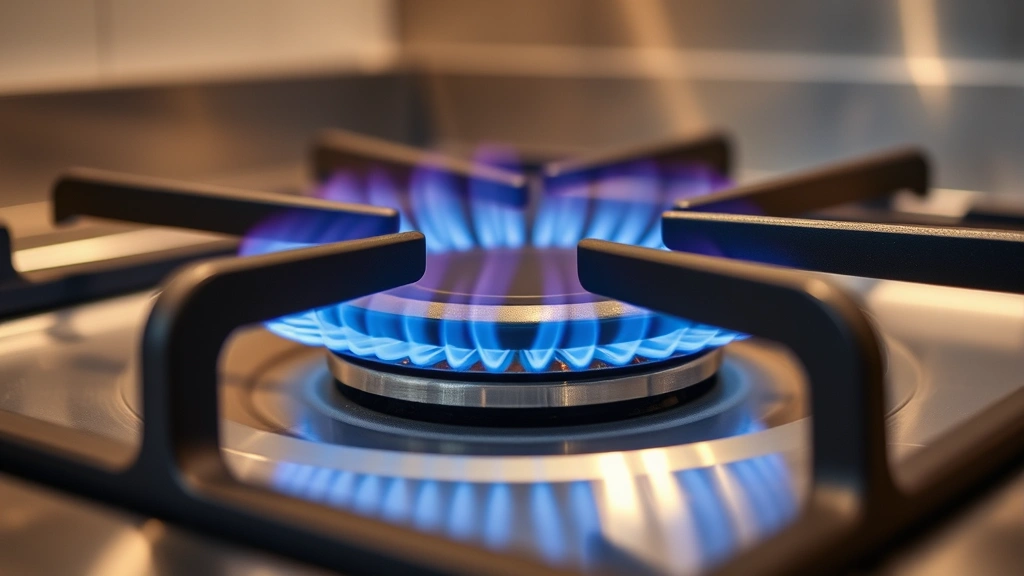
- Ensuring flames burn blue with minimal yellow tips (yellow indicates incomplete combustion)
- Reinstalling components securely
Oven Seal and Gasket Maintenance
The door seal is critical for maintaining internal temperatures and preventing heat loss. A compromised gasket forces your oven to work harder, consuming more gas to maintain cooking temperatures. Inspect your oven door seal quarterly by:
- Closing the door on a dollar bill—it should require slight resistance to pull out
- Checking for visible cracks, tears, or deterioration
- Cleaning the gasket with mild soap and water
- Replacing the gasket if it no longer creates a proper seal
Interior Cleaning and Reflective Surfaces
A clean oven interior reflects heat more effectively, improving energy efficiency. Built-up food debris and grease absorb heat that should be used for cooking. Clean your oven interior regularly, paying special attention to interior walls and ceiling surfaces that reflect heat downward onto your food.
Cooking Techniques That Reduce Energy Waste
How you use your gas oven significantly impacts its energy efficiency. Simple behavioral changes can reduce fuel consumption by 10-15% without sacrificing cooking quality or meal preparation time.
Batch Cooking and Multi-Rack Utilization
When you need to use your oven, maximize its capacity by cooking multiple dishes simultaneously. Modern gas ovens have sufficient capacity to accommodate multiple racks of food without significant temperature variation. Batch cooking and meal preparation sessions allow you to:
- Cook multiple meals at once, reducing overall oven usage
- Utilize all available oven space efficiently
- Reduce preheat time relative to meals prepared
- Store prepared meals for convenient weekday dining
This approach aligns with broader strategies to save energy at home by consolidating energy-intensive activities.
Minimizing Preheat Time
Many home cooks preheat their ovens longer than necessary. Most gas ovens reach target cooking temperatures within 10-15 minutes. Preheating for 30 minutes or longer wastes significant fuel. For dishes that don’t require precise temperature consistency, consider starting cooking as soon as the oven reaches approximately 80-90% of target temperature. Your food may require slightly adjusted cooking times, but the energy savings are substantial.
Reducing Door Openings
Every time you open your oven door, heat escapes and your oven must consume additional fuel to recover the lost temperature. Each door opening can waste 15-25% of the oven’s heat. Minimize openings by:
- Using the oven light to check food progress without opening the door
- Planning meal preparation to check food once near the end of cooking
- Using timers to avoid opening the door out of habit
- Resisting the urge to peek at baked goods during early cooking stages
Matching Cookware to Burner Size
When using stovetop burners, use cookware that matches the burner size. Using a small pot on a large burner wastes 20-30% of the burner’s heat energy. Conversely, small burners under large cookware heat inefficiently. Proper matching ensures heat is directed into your cookware rather than dissipating into the surrounding air.
Understanding whether natural gas is renewable provides important context for why efficiency matters—even renewable-sourced gas should be used responsibly.
Temperature Management and Calibration
Precise temperature control is essential for both cooking results and energy efficiency. Many gas ovens have temperature calibration drift over time, causing them to run hotter or cooler than the dial indicates. An oven that runs hotter than intended may overcook food and waste fuel, while one that runs cool requires longer cooking times and additional energy consumption.
Checking Oven Calibration
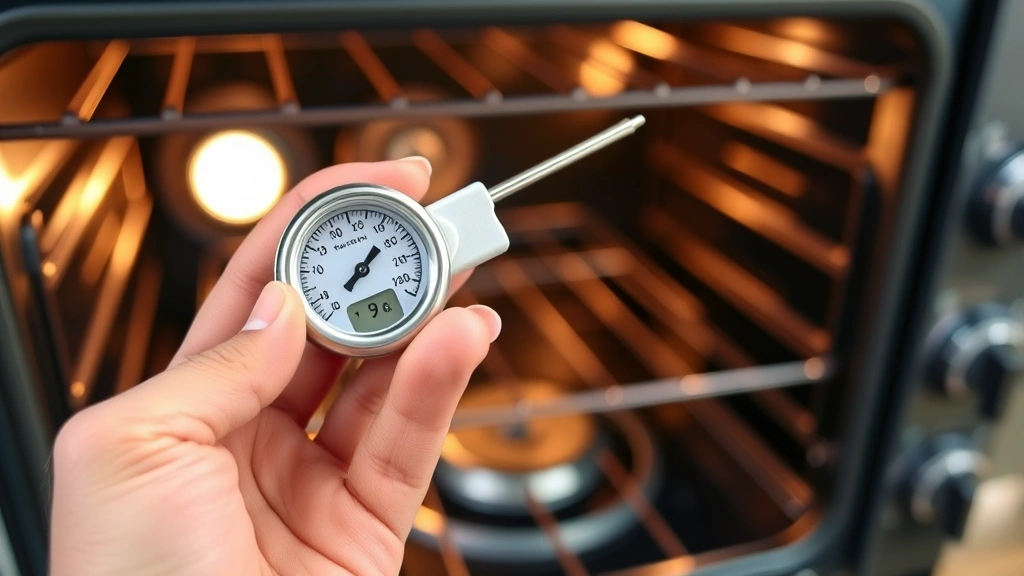
You can check your oven’s calibration using an oven thermometer, available at most kitchen supply stores for under $15. Place the thermometer in the center of your oven, set the oven to 350°F, allow it to preheat fully, and compare the actual temperature to the dial reading. A variance of more than 25°F indicates calibration issues requiring professional adjustment.
Using Temperature Probes
Meat thermometers and cooking probes help you cook food precisely, avoiding overcooking that wastes cooking time and energy. By cooking food to target doneness rather than estimated times, you reduce cooking duration and fuel consumption while improving meal quality.
Utilizing Residual Heat
Gas ovens retain significant heat after being turned off. For the last 10-15 minutes of cooking, you can turn off the oven and allow residual heat to complete the cooking process. This technique works well for foods with longer cooking times and helps you understand your specific oven’s heat retention characteristics.
Insulation and Heat Retention Strategies
Heat loss through poor insulation forces your gas oven to consume more fuel maintaining cooking temperatures. While you cannot modify your oven’s internal insulation without professional assistance, you can implement external strategies that reduce overall heat loss from your cooking area.
Kitchen Environment Optimization
The temperature of your kitchen environment affects how hard your oven must work. During summer months, a hot kitchen requires your oven to overcome higher ambient temperatures. Conversely, in winter, a cold kitchen forces your oven to work harder to maintain internal temperatures. Consider:
- Using kitchen ventilation strategically—turn on exhaust fans after cooking rather than during
- Closing kitchen doors to contain heat during cooking
- Avoiding simultaneous use of heat-generating appliances when possible
- Maintaining kitchen temperatures through home heating/cooling efficiency
Cookware Selection for Heat Retention
The cookware you use impacts how efficiently heat is transferred to your food. Dark, heavy cookware with good thermal conductivity heats more efficiently than light, thin alternatives. Cast iron, ceramic, and heavy stainless steel cookware distribute heat evenly and retain it well, reducing cooking times and fuel consumption compared to lightweight aluminum or glass cookware.
Covering Foods During Cooking
Covering dishes with lids or foil reduces moisture loss and helps foods cook faster, decreasing oven time and fuel consumption. This is particularly effective for casseroles, roasted vegetables, and braised dishes that benefit from moisture retention during cooking.
When to Consider Upgrading Your Oven
Sometimes, the most effective way to improve gas oven efficiency is upgrading to a newer model. Modern gas ovens incorporate advanced technologies that significantly outperform older equipment. Evaluate upgrade considerations including:
Age and Efficiency Decline
Gas ovens typically decline in efficiency by approximately 1-2% annually as components wear and seals deteriorate. An oven that operated at 70% efficiency when new may operate at 50% efficiency after 20 years. If your oven is over 15 years old, calculating the fuel cost difference between your current oven and a modern efficient model often reveals that upgrading pays for itself within 3-5 years through energy savings alone.
Advanced Features in Modern Ovens
Contemporary gas ovens include features that older models lack:
- Improved burner designs with better combustion efficiency
- Convection fans that distribute heat more evenly
- Digital temperature controls with precise calibration
- Better insulation materials and sealing
- Self-cleaning functions that maintain efficiency
- Smart features that optimize cooking parameters
Environmental Impact Considerations
While manufacturing new appliances has environmental costs, the long-term operational efficiency improvements often result in net environmental benefits. A new ENERGY STAR gas oven may prevent thousands of pounds of carbon emissions over its lifetime compared to an aging, inefficient model. This aligns with the broader definition of sustainability—balancing present actions with long-term environmental responsibility.
Comparing Gas to Alternative Cooking Methods
Understanding how gas ovens compare to alternative cooking methods helps inform your kitchen decisions and long-term sustainability strategy. Each cooking method has distinct efficiency characteristics and environmental implications.
Electric Ovens
Electric ovens convert approximately 70-80% of energy into heat, slightly more efficient than gas ovens. However, overall efficiency depends on your regional electricity grid’s fuel sources. In regions relying on renewable energy, electric ovens may have lower carbon footprints. In areas dependent on fossil fuels, the efficiency advantage diminishes. The EPA provides detailed comparisons of electric appliance efficiency.
Convection Ovens
Convection ovens, whether gas or electric, circulate hot air using internal fans, cooking food 25-30% faster than conventional ovens. Faster cooking times reduce energy consumption significantly. If you cook frequently, a convection oven upgrade offers substantial efficiency improvements regardless of fuel type.
Microwave Cooking
Microwaves are significantly more efficient than ovens for appropriate applications, converting 65% of energy into food heating. Using microwaves for reheating, defrosting, and cooking small portions reduces overall kitchen energy consumption. Combining microwave cooking with oven cooking for appropriate tasks optimizes household energy efficiency.
Induction Cooktops
Induction cooktops represent the most efficient stovetop technology, converting 80-90% of energy into cookware heating. While induction doesn’t replace oven cooking, using induction for stovetop tasks reduces kitchen energy consumption and complements efficient oven usage.
For comprehensive guidance on kitchen efficiency, explore our resource on sustainable living tips and practices.
FAQ
How often should I have my gas oven professionally serviced?
Professional gas oven servicing is recommended annually, ideally before heavy cooking seasons. Annual inspections identify efficiency problems, safety issues, and maintenance needs before they become serious. Many service providers offer tune-up packages that include burner cleaning, seal inspection, and calibration checks.
Can I improve my gas oven’s efficiency without professional help?
Yes, many efficiency improvements are DIY-friendly, including burner cleaning, gasket inspection and cleaning, interior cleaning, and cooking technique modifications. However, calibration adjustments, seal replacement, and internal component repairs require professional service to ensure safety and proper function.
What temperature should my oven be set to for maximum efficiency?
There isn’t a single “most efficient” temperature—efficiency depends on cooking requirements. However, using lower temperatures when appropriate and avoiding unnecessary preheating improves efficiency. For foods that don’t require precise temperatures, cooking at 325-350°F rather than 375-400°F reduces energy consumption while still achieving proper cooking results.
Does convection cooking save more energy than conventional gas ovens?
Yes, convection ovens typically reduce cooking times by 25-30%, resulting in proportional energy savings. The fan circulation ensures even heat distribution, allowing lower temperature settings while maintaining cooking effectiveness. If you cook frequently, a convection upgrade provides significant efficiency benefits.
How much money can I save by improving my gas oven efficiency?
Savings vary based on current efficiency, cooking frequency, and local gas rates. Households cooking 4-5 times weekly might save $100-200 annually through maintenance and technique improvements. Upgrading from a 25-year-old oven to a modern efficient model could save $300-500 annually, translating to $3,000-5,000 over the oven’s lifetime.
Is it better to replace my old gas oven with an electric model?
This depends on your regional electricity grid composition, cooking preferences, and current gas oven condition. Consult Energy.gov’s home efficiency resources for region-specific guidance. Generally, if your gas oven is functional and well-maintained, efficiency improvements may be more cost-effective than replacement. If replacement is necessary, compare available options based on your specific situation.
What’s the environmental impact of improving gas oven efficiency?
Reducing gas oven energy consumption decreases your household’s carbon footprint and natural gas consumption. A 20% efficiency improvement prevents approximately 1-2 tons of carbon dioxide emissions annually, equivalent to removing a car from the road for several months. Multiplied across millions of households, widespread oven efficiency improvements significantly impact environmental outcomes.
Can smart oven technology improve efficiency?
Modern smart ovens with connected features and advanced controls can improve efficiency by optimizing temperature management, cooking times, and preheating processes. Some models learn cooking patterns and suggest efficiency improvements. However, the efficiency gains from smart features are typically modest compared to fundamental design improvements in newer conventional ovens.


