Best Griddles for Gas Grills: Top Picks of 2023
Choosing the right griddle for gas grill setups can transform your outdoor cooking experience, whether you’re preparing breakfast pancakes, searing vegetables, or cooking fajitas for a crowd. Gas grills offer consistent heat and convenience, but adding a quality griddle unlocks an entirely new dimension of culinary possibilities. Unlike traditional grill grates that let smaller foods fall through, a griddle provides a flat, expansive cooking surface perfect for foods that benefit from direct, even heat distribution.
In 2023, the market offers exceptional griddle options designed specifically for gas grill compatibility. These cooking surfaces range from basic cast iron models to advanced stainless steel construction, each with distinct advantages for different cooking styles and budgets. Understanding the key features, materials, and performance metrics helps you select a griddle that matches your grilling ambitions and sustainability values.
Understanding Griddles for Gas Grills
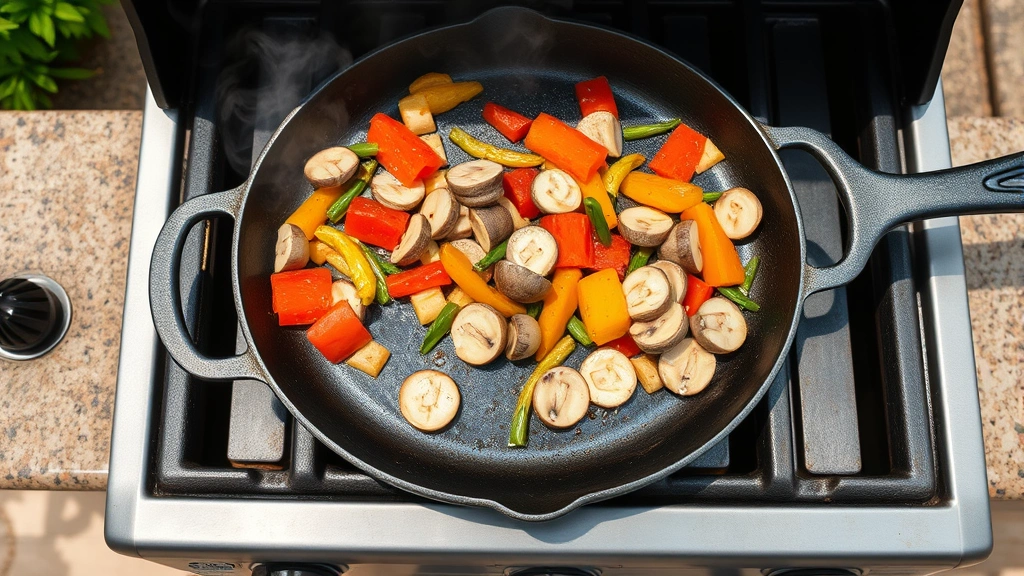
A griddle is a flat cooking surface that sits directly over your gas grill’s burners, creating a versatile platform for foods that traditional grating cannot accommodate. The primary advantage lies in heat distribution—griddles spread warmth evenly across the entire surface, preventing hot spots that can cause uneven cooking. This makes them ideal for delicate items like fish fillets, shellfish, and vegetables that require gentle, consistent heat.
When evaluating a griddle for gas grill applications, consider the cooking surface area, material composition, and heat retention properties. Most quality griddles measure between 16 and 36 inches wide, designed to fit standard gas grill dimensions. The thickness of the cooking surface directly impacts heat retention and durability—thicker griddles maintain temperature better when cooking multiple batches, reducing cooking time and fuel consumption.
Gas grills paired with griddles offer efficiency advantages over charcoal alternatives. According to the EPA’s guidance on outdoor cooking emissions, gas-powered cooking produces fewer particulates and harmful compounds compared to charcoal burning. By optimizing your gas grill setup with a quality griddle, you’re making a more environmentally conscious choice while improving cooking versatility.
Top Material Choices: Cast Iron vs. Stainless Steel
The material of your griddle fundamentally affects cooking performance, maintenance requirements, and long-term value. Two primary options dominate the market: cast iron and stainless steel, each offering distinct benefits.
Cast Iron Griddles represent the traditional choice, prized by cooking enthusiasts for exceptional heat retention and natural non-stick seasoning development. Cast iron’s thermal mass means it absorbs heat quickly and maintains consistent temperatures throughout cooking sessions. Over time, a well-maintained cast iron griddle develops superior non-stick properties without chemical coatings. These griddles typically cost less upfront and can last generations with proper care.
However, cast iron requires diligent maintenance. After each use, you must clean and dry the surface thoroughly to prevent rust. Regular seasoning with oil reinforces the protective layer and enhances non-stick capabilities. Cast iron also demands careful handling—dropping or subjecting it to rapid temperature changes can cause cracking or warping.
Stainless Steel Griddles offer modern convenience and minimal maintenance requirements. These griddles resist rust, corrosion, and staining naturally, requiring only basic cleaning with soap and water. Stainless steel heats slightly slower than cast iron but distributes heat evenly once warmed. Many premium griddles feature polished stainless steel surfaces that prevent food sticking without seasoning.
Stainless steel griddles typically cost more initially but offset expenses through reduced maintenance and longer effective lifespan without degradation. They’re ideal for busy cooks who prioritize convenience, while cast iron suits those willing to invest time in proper care routines.
When considering environmental impact, stainless steel griddles’ durability means fewer replacements over time, reducing overall resource consumption. Cast iron’s longevity—often spanning decades or generations—also aligns with sustainable consumption principles. Both materials avoid chemical non-stick coatings, making them superior environmental choices compared to PTFE-coated alternatives.
Our Top Picks for 2023
1. Camp Chef Flat Top Grill Griddle
Camp Chef’s griddle stands out for exceptional quality-to-price ratio. This 14-inch cast iron model fits standard gas grills and features a grease management channel that directs excess fat away from cooking areas. The heavy-duty construction ensures decades of reliable performance, and Camp Chef includes detailed seasoning instructions for optimal non-stick development. Reviewers consistently praise heat distribution and cooking surface area, making it perfect for breakfast pancakes or searing proteins.
2. Blackstone 22-Inch Outdoor Griddle
Blackstone’s 22-inch griddle offers substantial cooking space without requiring permanent installation. This portable stainless steel option heats quickly and maintains consistent temperatures across the entire surface. The side shelf provides convenient prep space, while the grease management system efficiently collects drippings. Blackstone’s griddles work excellently on gas grills or as standalone cooking appliances, offering maximum versatility for various outdoor cooking scenarios.
3. Weber Stainless Steel Griddle Insert
Weber’s 15-inch griddle integrates seamlessly with their popular gas grill models while functioning on most standard grills. Premium stainless steel construction resists weathering and requires minimal maintenance. The curved edges fit snugly into grill grates, providing stable cooking surfaces for delicate foods. Weber’s reputation for engineering excellence ensures consistent heat distribution and long-term reliability.
4. Lodge Cast Iron Griddle
Lodge’s 14-inch cast iron griddle represents the classic American option, manufactured domestically and built to last generations. The smooth cooking surface develops superior non-stick properties with regular use and seasoning. Lodge provides excellent educational resources about cast iron care, helping users maximize their investment. This griddle excels at high-heat searing and retains heat exceptionally well, making it ideal for demanding cooking tasks.
5. Victoria Cast Iron Griddle
Victoria’s Colombian-manufactured griddles offer excellent value and reliable performance. The polished cooking surface requires less seasoning than rougher alternatives, appealing to users seeking easier maintenance. Victoria’s griddles heat evenly and handle high temperatures without warping, making them suitable for professional-grade cooking on residential gas grills.
Each option represents proven performance, but selection depends on your priorities. If sustainability matters most, consider the how to reduce your environmental footprint through durable, long-lasting cookware that minimizes replacement waste. Cast iron options align perfectly with this philosophy, while stainless steel offers reliable durability with minimal environmental impact during the product lifecycle.
Installation and Compatibility
Installing a griddle for gas grill setups requires minimal effort, though compatibility verification is essential. Most griddles sit directly on your grill’s grate system, supported by the existing framework. Before purchasing, measure your grill’s width and available cooking space to ensure proper fit.
For permanent installation, some premium griddles include mounting brackets that attach to your grill’s frame, eliminating shifting during cooking. These installations require basic tools and typically take under 30 minutes. Always consult your grill’s manual to confirm griddle compatibility and confirm that adding a griddle won’t damage your specific model.
Portable griddles offer flexibility, allowing you to cook on gas grills, stovetops, or outdoor camping setups. This versatility appeals to those who value multi-purpose equipment, reducing the need for specialized cookware collections. If you’re exploring sustainable energy solutions for outdoor living, portable griddles maximize efficiency by consolidating cooking equipment functionality.
Ventilation considerations are important when using griddles on gas grills. Griddles create more smoke than traditional grates since foods sit directly on the cooking surface with minimal airflow underneath. Ensure your grill has adequate ventilation, and never use griddles in enclosed spaces due to carbon monoxide and excessive smoke production risks.
Maintenance and Longevity
Proper maintenance directly impacts your griddle’s lifespan and cooking performance. Cast iron griddles demand regular seasoning—applying thin oil layers and heating them to create protective patina. Most users season after each cooking session, though some prefer monthly deep-seasoning treatments. Always store cast iron in dry conditions to prevent rust development.
Stainless steel griddles require simpler care routines. After cooking, allow the surface to cool slightly, then wipe away food residue with a damp cloth. For stubborn debris, use a mild abrasive scrubber or specialized stainless steel cleaner. Never use harsh chemicals or scouring pads that can scratch the surface. Occasional oil applications maintain appearance and prevent water spotting.
Both griddle types benefit from seasonal deep cleaning. For cast iron, use a specialized cleaner or salt scrub to remove accumulated buildup while preserving seasoning. Stainless steel griddles respond well to vinegar-based solutions that cut through grease and restore shine. Storage in covered conditions protects your investment from weather damage and extends operational lifespan significantly.
When considering whether natural gas is renewable, remember that pairing your gas grill with quality, long-lasting griddles maximizes the efficiency of your cooking setup. Durable equipment means fewer replacements and reduced manufacturing waste—a practical sustainability approach.
Environmental Considerations
Selecting an environmentally conscious griddle for gas grill cooking involves evaluating the product’s lifecycle impact. Cast iron griddles manufactured domestically, like Lodge’s American-made options, reduce transportation emissions compared to imported alternatives. Cast iron’s extraordinary durability means single purchases potentially last 50+ years, dramatically reducing per-use environmental cost.
Manufacturing cast iron requires significant energy input, but the extended lifespan distributes this impact across decades of cooking. Stainless steel production also demands considerable energy, though recycling programs accept stainless steel readily, enabling circular economy participation. When your stainless griddle eventually reaches end-of-life, recycling facilities can process it completely, preventing landfill waste.
Gas grills themselves represent a more sustainable cooking choice than charcoal alternatives. Research comparing gas versus charcoal grilling demonstrates that gas cooking produces fewer emissions and uses fuel more efficiently. By optimizing your gas grill with a quality griddle, you’re consolidating cooking functions and reducing overall energy consumption compared to maintaining separate stovetop and outdoor cooking equipment.
Consider purchasing griddles from manufacturers committed to green technology innovations transforming our future. Some premium brands implement sustainable manufacturing practices, use recycled materials where possible, and design products for easy repair rather than replacement. Supporting these companies encourages broader industry adoption of environmental responsibility.
The Green Seal organization provides certification for sustainably manufactured products, though cookware certifications remain limited. Research manufacturers’ environmental commitments directly—many publish sustainability reports detailing carbon footprint reduction efforts and responsible sourcing practices.
Your griddle choice also influences cooking efficiency. Thicker griddles distribute heat more evenly, requiring less total energy to cook foods thoroughly. By reducing cooking time and fuel consumption, you’re directly lowering your outdoor cooking’s environmental footprint. Premium griddles represent investments in efficiency that pay dividends through reduced energy use over years of cooking.
FAQ
What size griddle should I choose for my gas grill?
Measure your grill’s cooking surface width and select a griddle slightly narrower to ensure proper fit. Most standard residential grills accommodate 14-16 inch griddles comfortably. Larger grills (36+ inches) can handle 22-24 inch griddles. Verify compatibility with your specific grill model before purchasing.
Can I use a griddle on any gas grill?
Most gas grills accept griddles, but confirmation is essential. Check your grill’s manual for compatibility specifications. Portable griddles offer maximum flexibility, working on nearly any grill model. Permanently mounted griddles require your grill’s grate system to support additional weight without warping.
How often should I season cast iron griddles?
Ideally, season after each cooking session by applying thin oil layers and heating briefly. Many users establish monthly deep-seasoning routines instead. The more frequently you cook, the better your griddle’s natural non-stick properties develop. Consistent seasoning prevents rust and maintains cooking performance.
Are stainless steel griddles better than cast iron?
Neither is objectively superior—it depends on your priorities. Cast iron offers exceptional heat retention and develops superior natural non-stick properties but requires dedicated maintenance. Stainless steel demands minimal care and resists rust but costs more initially. Both materials provide excellent durability and environmental credentials.
What foods cook best on griddles?
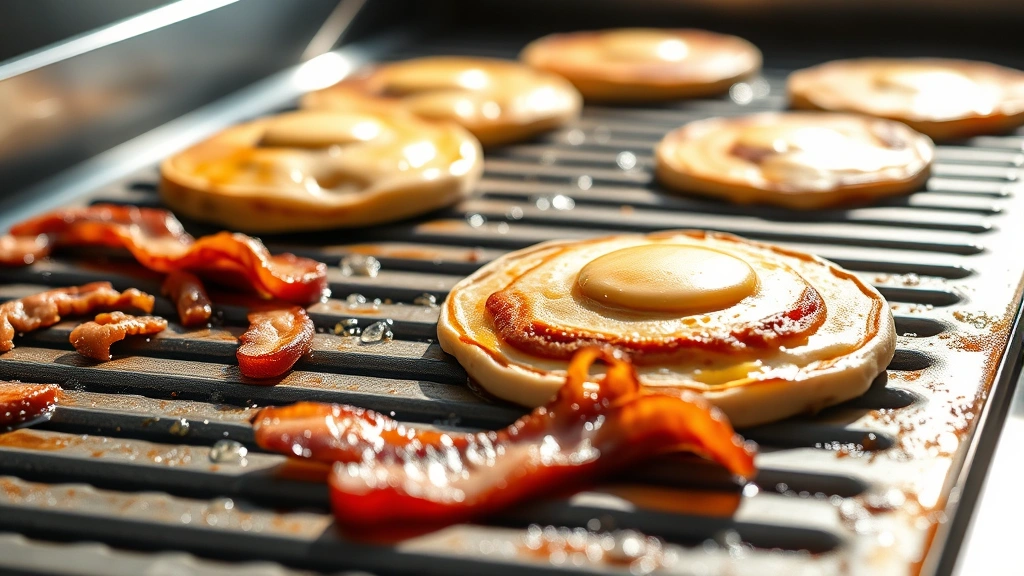
Griddles excel with foods that fall through traditional grates: pancakes, eggs, hash browns, vegetables, fish fillets, shellfish, and diced meats. The flat surface enables even cooking and prevents food loss. Griddles also work well for searing proteins, creating consistent browning across the entire surface.
Can I leave my griddle outside year-round?
Cast iron griddles should be stored indoors or under protective covers to prevent rust. Stainless steel griddles resist weather better but still benefit from covered storage. Even weather-resistant materials degrade faster when exposed to continuous moisture and temperature fluctuations.
How do I prevent food from sticking on stainless steel?
Preheat your griddle thoroughly before adding food—this allows natural oils to create a temporary non-stick layer. Use adequate cooking oil or butter, and avoid moving food too early in the cooking process. Once foods develop a crust, they release naturally from stainless steel surfaces.


