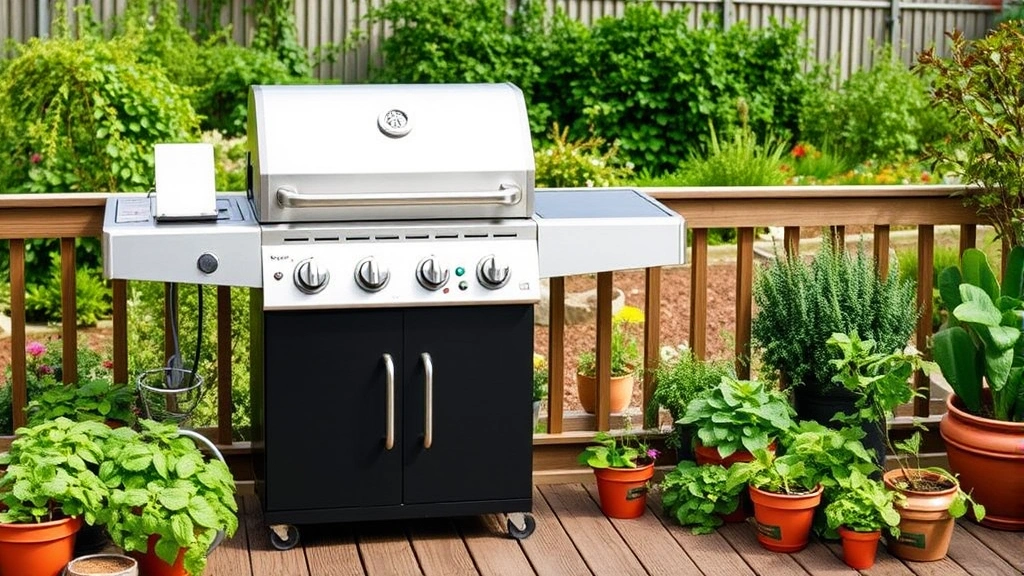
Eco-Friendly BBQ Tips: Chef’s Guide to Gas Grilling
Grilling season brings joy, flavor, and community gatherings, but it also presents an opportunity to make environmentally conscious choices. Gas grilling, when done sustainably, can be a relatively efficient cooking method compared to charcoal alternatives. Understanding how to minimize your environmental impact while enjoying delicious outdoor meals is essential for the modern eco-aware chef. This comprehensive guide explores practical strategies for reducing waste, optimizing fuel efficiency, and making responsible decisions about your grilling setup.
The barbecue industry has evolved significantly over the past decade, with manufacturers and consumers alike recognizing the importance of sustainability. Whether you’re a seasoned grill master or just beginning your outdoor cooking journey, implementing eco-friendly practices can transform your BBQ experience into a model of environmental responsibility. From selecting the right equipment to managing your fuel consumption, every decision counts toward creating a greener future.
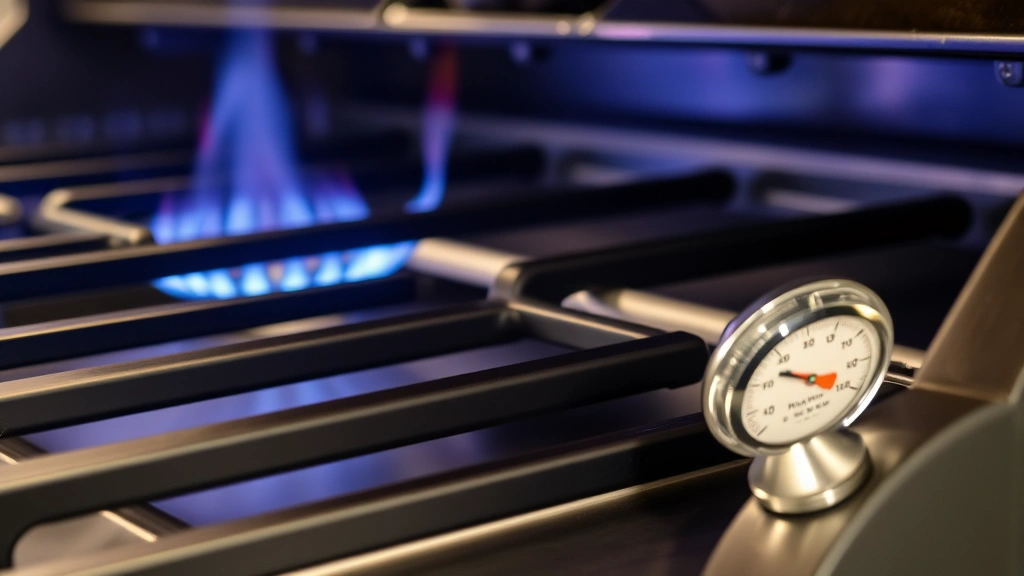
Understanding Gas Grilling Efficiency
Gas grills represent a middle ground in the sustainability spectrum of outdoor cooking. When compared to charcoal grilling, propane and natural gas produce fewer emissions per unit of food cooked. The combustion process is cleaner, and you have greater control over temperature, which means less wasted heat and more efficient cooking. Understanding whether natural gas is renewable helps contextualize your choice within broader energy conversations.
The efficiency of your gas grill depends on several factors: insulation quality, burner design, grate material, and how well you maintain the equipment. Modern gas grills with improved insulation can reach cooking temperatures faster and maintain them with minimal fuel consumption. The key is selecting a model that matches your actual cooking needs rather than oversizing unnecessarily. A well-designed gas grill can cook food 25-30% more efficiently than traditional charcoal methods.
Temperature control is where gas grilling truly shines from an efficiency standpoint. You can instantly adjust heat levels, preventing the fuel waste that occurs when charcoal burns continuously at full intensity. This precision cooking reduces the likelihood of overcooking or undercooking food, which would otherwise require reheating and additional energy consumption.

Choosing Sustainable Grilling Equipment
Selecting the right grill is your first major eco-friendly decision. Look for manufacturers who prioritize durability, repairability, and responsible sourcing of materials. Stainless steel and cast iron are excellent choices because they withstand the elements, require minimal replacement, and can be recycled at end-of-life. Avoid cheap grills designed for disposal after a few seasons, as this perpetuates the throwaway culture that damages our environment.
When evaluating BBQ equipment options, consider these sustainable attributes: modular construction for easy repairs, availability of replacement parts, energy-efficient burner systems, and certifications from recognized environmental organizations. The ENERGY STAR program provides guidance on efficient outdoor cooking appliances, though specific grill certifications are limited. Check manufacturer sustainability reports for transparency about sourcing and production practices.
Size matters significantly in your sustainability equation. A smaller, well-insulated grill that matches your typical cooking volume is more efficient than an oversized model you rarely use at full capacity. If you frequently host large gatherings, consider investing in a quality grill that will serve your needs for 10-15 years rather than replacing multiple cheaper units. This longevity approach dramatically reduces the environmental cost of manufacturing and disposal.
Material considerations include:
- Stainless steel bodies that resist rust and deterioration
- Cast iron grates that develop seasoning and improve with age
- Powder-coated steel frames from suppliers using eco-friendly processes
- Ceramic or stone insulation for superior heat retention
- Reclaimed or recycled materials in construction where possible
Fuel Management and Conservation
Propane and natural gas are fossil fuels, so minimizing consumption is paramount. Understanding your fuel options helps you make the most sustainable choice for your situation. Propane is portable and convenient, while natural gas requires fixed installation but eliminates the need for tank replacement and transport. Explore sustainable energy solutions that might incorporate renewable options in your overall household energy strategy.
Practical fuel conservation strategies begin before you light the grill. Preheat only as long as necessary—typically 10-15 minutes for gas grills. Keep the lid closed during cooking to maintain consistent temperatures and reduce fuel consumption by up to 30%. Use direct heat for foods that benefit from quick searing, and indirect heat for items requiring slower cooking, allowing you to use fewer burners simultaneously.
Regular maintenance directly impacts fuel efficiency. Clean burners ensure proper combustion and heat distribution. Check for leaks in connections and hoses, as even small leaks waste fuel and increase your carbon footprint. Inspect grates and flavorizer bars monthly, cleaning away buildup that obstructs heat flow. A well-maintained grill operates at peak efficiency, consuming less fuel while delivering superior results.
Fuel conservation techniques include:
- Using a grill thermometer to avoid overheating
- Marinating foods beforehand to reduce cooking time
- Cutting vegetables and proteins into uniform sizes for even cooking
- Utilizing residual heat after turning off burners
- Grouping similar foods by cooking temperature requirements
- Installing a regulator to optimize gas flow rates
Eco-Conscious Food Sourcing
The sustainability of your BBQ extends far beyond the grill itself. The food you cook carries its own environmental footprint. Sourcing locally-raised meat and vegetables dramatically reduces transportation emissions and supports sustainable farming practices. Visit farmers markets or establish relationships with local ranchers who practice rotational grazing and humane animal treatment. These choices create a complete sustainable grilling experience that extends from fuel source to final meal.
Consider the environmental impact of different proteins. Chicken and fish generally require fewer resources to produce than beef, though pasture-raised beef from local farms may be more sustainable than industrially-produced poultry shipped across the country. Plant-based options continue improving in quality and flavor, making them compelling choices for environmentally-conscious grilling. Incorporating seasonal vegetables maximizes freshness while minimizing storage and transportation energy requirements.
Organic and regenerative agriculture practices build soil health while reducing chemical inputs that harm ecosystems. When selecting produce for grilling, prioritize items grown using these methods. Supporting farms that employ sustainable practices creates market incentives for agricultural transformation. Your grilling choices become a vote for the kind of food system you want to support.
Waste Reduction Strategies
Comprehensive waste reduction transforms your BBQ into an environmentally responsible event. Begin by planning your guest list and menu carefully to minimize food waste. Grill only what you’ll realistically consume, or plan intentionally for leftovers that become tomorrow’s meals. Food waste in landfills generates methane, a greenhouse gas significantly more potent than carbon dioxide, making this reduction critically important.
Implement composting for vegetable scraps, fruit peels, and bones. Many communities offer municipal composting programs, or you can establish a home compost system. This transforms waste into nutrient-rich soil amendment that supports future gardens. For grilling specifically, save vegetable scraps to make stock, extending the value of your ingredients and reducing waste simultaneously.
Reusable serving dishes, utensils, and containers eliminate single-use plastics that plague outdoor gatherings. Invest in quality stainless steel or bamboo utensils, cloth napkins, and ceramic plates. These items create a more elegant atmosphere while demonstrating environmental commitment to your guests. Bring a recycling station to your gathering, making it easy for attendees to properly sort waste materials.
Consider how you can reduce your environmental footprint through mindful entertaining practices. Digital invitations replace paper, carpooling reduces transportation emissions, and locally-sourced beverages eliminate long-distance shipping impacts. Every decision compounds toward meaningful environmental benefit.
Maintenance for Longevity
Extending your grill’s lifespan through diligent maintenance is perhaps the most impactful sustainability practice. A grill that lasts 15 years instead of 5 reduces manufacturing impacts by two-thirds. Establish a seasonal maintenance routine that protects your investment while optimizing performance.
Essential maintenance practices include:
- Cleaning grates after each use to prevent corrosion and buildup
- Inspecting and replacing damaged flavorizer bars promptly
- Checking gas connections annually for leaks using soapy water
- Protecting your grill from harsh weather with a quality cover
- Draining propane tanks before winter storage
- Replacing thermometer batteries and worn seals
- Professional servicing every 2-3 years for complex components
When repairs become necessary, source replacement parts from the original manufacturer or certified suppliers. This ensures compatibility and maintains your grill’s integrity. Many manufacturers now offer parts diagrams and repair guides, empowering owners to fix issues rather than replacing entire units. Building a culture of repair rather than replacement fundamentally shifts your relationship with possessions toward sustainability.
Alternative Grilling Methods
While gas grilling offers efficiency advantages, exploring alternative methods provides additional perspective. Charcoal grilling, despite higher emissions, can be sustainable when sourced responsibly. Look for charcoal made from sustainably harvested wood or agricultural byproducts rather than virgin timber. Briquettes produced without chemical additives burn cleaner and support responsible forestry practices.
Electric grills powered by renewable energy represent the ultimate low-emission option. If your home uses solar panels or purchases renewable energy credits, an electric grill becomes genuinely sustainable. Green technology innovations continue improving electric grilling performance, making these options increasingly appealing.
Pellet grills burning sustainably-sourced wood represent another alternative. These devices offer temperature control and flavor profiles approaching traditional charcoal while potentially using biomass waste products. Research your local pellet suppliers to ensure they practice responsible forestry and avoid sourcing from endangered ecosystems.
The most sustainable grilling method depends on your specific circumstances: available space, local fuel options, energy sources, and cooking preferences. Evaluate your situation honestly and make the choice that aligns with your values and practical constraints. The perfect shouldn’t become the enemy of the good—choosing gas grilling over charcoal when it suits your needs remains a positive environmental decision.
FAQ
Is gas grilling more environmentally friendly than charcoal?
Generally, yes. Gas grilling produces fewer emissions per unit of food cooked due to cleaner combustion and superior temperature control. However, the environmental advantage depends on your specific circumstances, fuel sourcing, and cooking practices. Responsibly-sourced charcoal can sometimes be competitive in sustainability terms.
How can I reduce my grill’s fuel consumption?
Keep the lid closed during cooking, preheat minimally, use appropriate heat levels for different foods, maintain your grill regularly, and cook efficiently by grouping foods by temperature requirements. These practices can reduce fuel consumption by 25-35% without compromising results.
What’s the most sustainable fuel option for grilling?
Natural gas connected to your home supply is generally most sustainable because it eliminates tank transportation emissions. If propane is your only option, prioritize minimizing consumption and proper maintenance. Electric grilling powered by renewable energy represents the lowest-emission choice.
How long should a quality grill last?
A well-maintained gas grill should provide 10-15 years of reliable service, with some premium models lasting 20+ years. Investing in durability upfront and maintaining your grill consistently maximizes lifespan and minimizes environmental impact from manufacturing replacement units.
Can I make my existing grill more sustainable?
Absolutely. Optimize your current grill through regular maintenance, efficient cooking practices, responsible fuel sourcing, and waste reduction during meals. These improvements deliver immediate environmental benefits without requiring equipment replacement.


