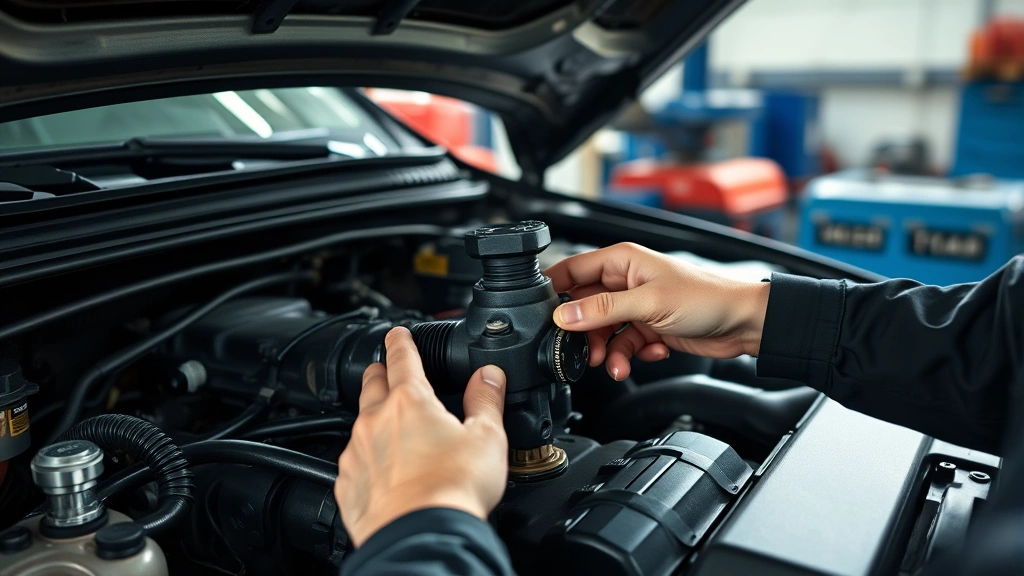
Car Smells Like Gas? Mechanic Explains Causes and Fixes
A gasoline smell inside or around your vehicle is more than just an unpleasant odor—it’s often a warning sign that something requires attention. Whether the scent is faint or overpowering, understanding the source is crucial for both your safety and your vehicle’s longevity. From minor fuel system issues to more serious mechanical problems, a gas smell can indicate anything from a loose gas cap to a failing fuel injector.
As environmental consciousness grows, many drivers are reconsidering their relationship with traditional gasoline vehicles altogether. However, for those still operating conventional cars, proper maintenance—including diagnosing fuel-related odors—remains essential. Regular attention to these warning signs not only prevents costly repairs but also reduces harmful emissions that contribute to air pollution and climate change.
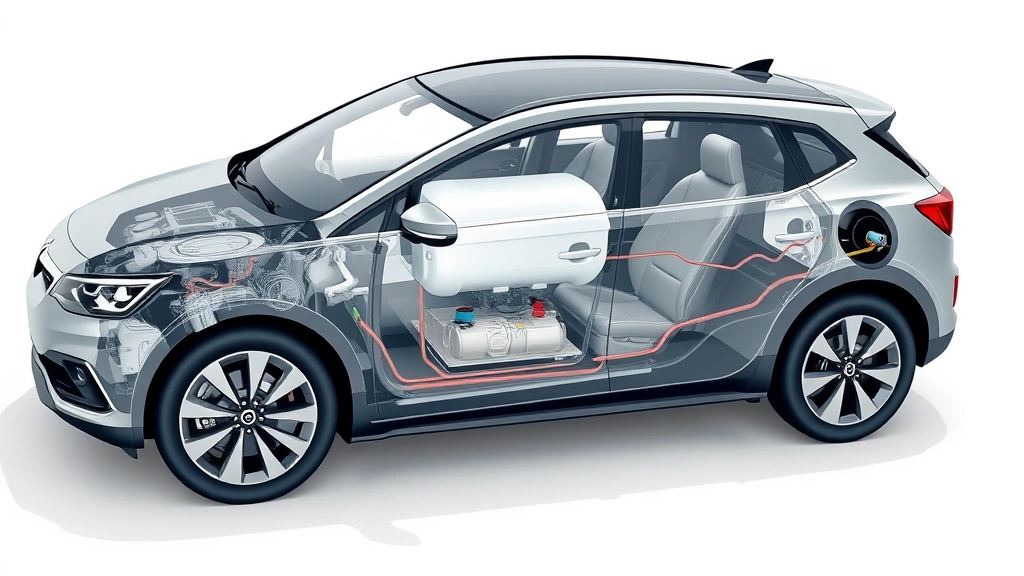
Common Causes of Gas Smell in Cars
The most common reason your car smells like gas is a loose or missing gas cap. This simple component seals your fuel tank and prevents vapors from escaping. When it’s not properly secured, fuel vapors evaporate into the atmosphere, creating that telltale gasoline odor both inside and around your vehicle. Fortunately, this is the easiest fix—simply tighten or replace the cap, and the smell should disappear within a few minutes of driving.
Another frequent culprit is a faulty fuel pressure regulator. This component maintains the correct pressure in your fuel system. When it malfunctions, excess fuel can leak into the engine’s intake manifold or return line, causing a strong gas smell and potentially poor engine performance. This typically requires professional diagnosis and replacement.
Fuel injector problems also commonly cause gas odors. Leaking or stuck fuel injectors spray excess fuel into the combustion chamber, leading to incomplete burning and a noticeable gas smell, particularly after cold starts. You might also notice rough idling, reduced fuel economy, or black smoke from the exhaust.
Damaged fuel lines or connections represent another significant source of gas smells. Over time, rubber fuel lines can crack, corrode, or develop pinhole leaks. Metal fuel lines can rust through. These leaks allow gasoline to escape and create vapors that you’ll smell both inside and outside your vehicle.
A leaking fuel tank is more serious and less common but still possible, especially in older vehicles. If you notice a strong gas smell combined with a puddle under your car, a fuel tank leak may be responsible. This requires immediate professional attention as fuel leaks pose serious fire hazards.
The activated charcoal canister, which captures fuel vapors to prevent them from entering the atmosphere, can fail or become saturated. When this happens, fuel vapors escape uncontrolled, creating a persistent gas smell.
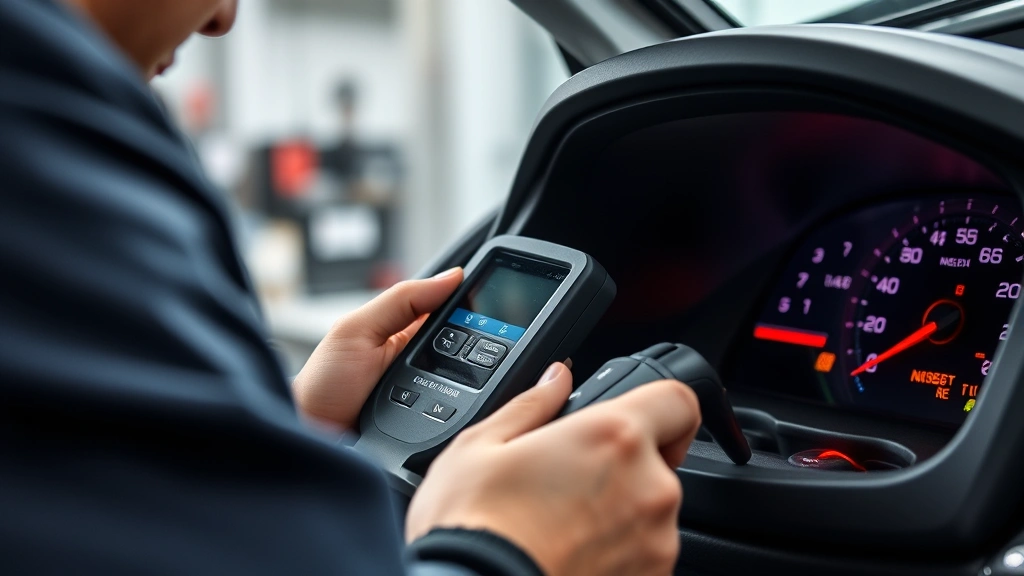
Fuel System Components Explained
Understanding your vehicle’s fuel system helps you grasp why gas smells occur and what needs attention. The system begins at the fuel tank, where gasoline is stored safely behind your vehicle’s rear bumper. From there, the fuel pump—typically located inside the tank—pressurizes the fuel and sends it through fuel lines toward the engine.
The fuel filter removes debris and contaminants before fuel reaches the engine. Most vehicles have one fuel filter that requires periodic replacement. A clogged filter can cause performance issues but typically doesn’t produce a gas smell unless it’s so severely blocked that fuel backs up and leaks.
The fuel injectors are precision instruments that spray a fine mist of gasoline directly into each cylinder at precisely timed intervals. They must function flawlessly for optimal engine performance and emissions control. When they malfunction, you might notice a gas smell, particularly during startup.
The fuel pressure regulator maintains consistent pressure throughout the fuel system, typically between 35-45 PSI depending on your vehicle. It automatically adjusts pressure based on engine demands. A failing regulator can cause overpressurization, leading to fuel leaks and gas odors.
The evaporative emissions control system (EVAP) is specifically designed to capture fuel vapors that would otherwise escape into the atmosphere. This system includes the charcoal canister, purge control valve, and various hoses and connections. When any component fails, you’ll smell gasoline fumes, and your vehicle will likely trigger a check engine light.
Understanding these components helps you communicate more effectively with mechanics and make informed decisions about repairs. For those considering alternatives, exploring advantages of electric vehicles can provide perspective on how modern transportation is evolving beyond traditional fuel systems.
Diagnostic Steps for Identifying the Problem
Before visiting a mechanic, you can perform several diagnostic checks to narrow down the cause of your gas smell. Start with the simplest solution first: check your gas cap. Remove it, inspect it for cracks or damage, and ensure it’s clean. Try tightening it firmly. If the smell persists for more than a day, move to the next diagnostic step.
Next, locate any visible leaks by parking on a clean surface and checking underneath your vehicle after it sits for several hours. Look for wet spots or puddles that might indicate fuel leakage. Note the location—this information helps mechanics pinpoint the problem quickly.
Check your fuel economy. A sudden, significant drop in miles per gallon often indicates fuel system problems. If you’re getting notably fewer miles per tank, fuel injector or regulator issues may be responsible.
Observe when the smell is strongest. Does it occur primarily after cold starts? During acceleration? While parked? The timing provides valuable diagnostic clues. Cold start gas smells often point to fuel injector issues, while persistent parked smells suggest leaks.
Listen for unusual engine sounds. Rough idling, hesitation during acceleration, or knocking sounds combined with gas smells indicate fuel system problems affecting engine performance.
Scan for diagnostic trouble codes using an OBD-II scanner (available at auto parts stores). Many fuel system issues trigger specific codes that mechanics use for diagnosis. Common codes include P0171 (system too lean) and P0300 (random misfire).
If you notice a strong gas smell combined with visible fuel leaks, don’t delay—seek professional help immediately. Fuel leaks pose serious safety risks and environmental hazards. Contact a qualified mechanic right away rather than attempting diagnosis yourself.
DIY Fixes You Can Attempt
Some gas smell issues are simple enough for DIYers to address. The gas cap replacement is the easiest fix. Most auto parts stores stock replacement caps for $10-30. Simply unscrew the old cap, clean the filler neck, and install the new cap until it clicks.
Fuel injector cleaning can sometimes resolve minor performance issues without full replacement. Fuel system cleaning additives are available at auto parts stores. These products contain detergents that help remove carbon deposits from injectors. Pour the recommended amount into your fuel tank and drive normally. Results vary, but this inexpensive option ($15-30) is worth trying before considering injector replacement.
EVAP system hose inspection is another accessible task. Pop your hood and visually inspect rubber hoses connected to the charcoal canister (typically located near the fuel tank area). Look for cracks, splits, or disconnected hoses. If you find a disconnected hose, you can often reattach it yourself. If you find cracks, note the hose diameter and purchase a replacement at an auto parts store.
Visual fuel line inspection can sometimes identify obvious problems. Trace visible fuel lines from the tank toward the engine. Look for obvious cracks, corrosion, or damage. However, many fuel lines are hidden or difficult to access safely, so professional inspection is often necessary.
Important safety note: never work on fuel system components while smoking or near open flames. Gasoline vapors are highly flammable. Ensure your vehicle is parked outdoors in a well-ventilated area. If you’re uncomfortable working with fuel system components, professional service is the safer choice.
When to Visit a Professional Mechanic
Certain situations demand professional attention immediately. If you notice fuel leaking visibly from under your vehicle, this is a safety emergency. Don’t attempt to drive the vehicle. Call a mechanic or towing service to have it transported safely to a repair facility.
A persistent gas smell combined with poor engine performance—such as rough idling, hesitation, or reduced power—indicates fuel system problems requiring professional diagnosis. These symptoms suggest fuel injector, regulator, or pump issues that need specialized equipment to diagnose and repair.
If your vehicle continues smelling like gas after you’ve tightened the fuel cap and driven for several days, professional diagnosis is warranted. A mechanic can perform fuel pressure tests and EVAP system diagnostics to identify the exact problem.
Check engine lights combined with gas smells almost always indicate issues requiring professional attention. Mechanics can read diagnostic codes that pinpoint the specific problem, enabling targeted repairs rather than guesswork.
For fuel tank or fuel pump problems, professional service is essential. These repairs require specialized knowledge, tools, and safety precautions. Fuel pumps typically cost $400-1,000 to replace, depending on vehicle type and location. Fuel tank repairs or replacement can cost $1,500-3,000, but safety makes this investment worthwhile.
Professional mechanics can also help you understand whether your vehicle’s continued maintenance makes economic sense or if exploring sustainable energy solutions might be more cost-effective long-term.
Prevention and Maintenance Tips
Regular fuel system maintenance prevents many gas smell issues before they develop. Follow your vehicle manufacturer’s recommended service intervals for fuel filter replacement. Most vehicles need new fuel filters every 15,000-30,000 miles, though some modern vehicles have filters rated for the vehicle’s lifetime.
Use quality fuel from reputable stations. Premium fuel contains better detergents that help keep fuel injectors clean and prevent deposit buildup. While premium fuel costs more, it can extend fuel system life and maintain engine performance.
Inspect your gas cap regularly. Replace it every few years as a preventive measure. This inexpensive component ($10-30) prevents fuel vapor loss and potential fuel leaks.
Address check engine lights promptly. Don’t ignore this warning indicator. Have the diagnostic codes read as soon as possible. Early diagnosis often prevents small problems from becoming expensive repairs.
Keep your fuel tank reasonably full. Running your tank very low can stress the fuel pump and allow sediment from the tank bottom to reach fuel lines. Try to refuel when your tank reaches one-quarter full.
Have fuel lines inspected during routine maintenance. Mechanics can spot potential problems before they develop into leaks or performance issues. Regular inspections are particularly important for older vehicles where fuel line deterioration is more likely.
Use fuel system cleaning additives annually. These inexpensive products ($15-30) help prevent carbon deposits from accumulating on fuel injectors and intake valves, maintaining optimal engine performance and reducing emissions.
Environmental Impact of Fuel Leaks
Gas smells indicate not just mechanical problems but also environmental concerns. Fuel leaks release volatile organic compounds (VOCs) and other harmful substances into the atmosphere. According to the EPA’s air quality information, VOCs contribute to ground-level ozone formation and smog, which damages respiratory health and harms ecosystems.
Leaking gasoline also contaminates soil and groundwater. Even small leaks accumulate over time. A single drop of gasoline can contaminate approximately 25 gallons of water. For groundwater-dependent communities, fuel leaks represent serious public health threats. The USGS estimates that groundwater supplies drinking water for over 82 million Americans, making fuel leak prevention a public health priority.
EVAP system failures allow fuel vapors to escape directly into the atmosphere. The U.S. Environmental Protection Agency estimates that vehicle evaporative emissions contribute significantly to air pollution. Modern EVAP systems prevent these emissions, but when they fail, pollution increases substantially. Repairing EVAP system problems quickly reduces your vehicle’s environmental impact.
From a broader perspective, addressing fuel system problems represents just one small step toward reducing transportation’s environmental footprint. Learning about how to reduce your environmental footprint can help you make more comprehensive sustainability choices.
The transportation sector accounts for approximately 27% of U.S. greenhouse gas emissions, according to the EPA’s greenhouse gas emissions source data. Maintaining existing vehicles properly extends their life and delays new vehicle manufacturing, which requires significant energy and resources. However, many environmental advocates argue that transitioning to electric vehicles offers greater long-term environmental benefits than perpetually maintaining aging gasoline-powered cars.
For those committed to reducing their environmental impact while still driving conventional vehicles, proper maintenance—including addressing gas smells—remains an important responsibility. Timely repairs prevent fuel leaks that contaminate soil and water, reduce atmospheric emissions, and maintain your vehicle’s fuel efficiency.
FAQ
Is it safe to drive a car that smells like gas?
This depends on the cause. A loose gas cap causing minor odors poses minimal safety risk, though you should address it promptly. However, if the smell indicates fuel leaks or fuel system malfunctions, driving poses serious risks including fire hazards and carbon monoxide exposure. If you notice strong gas smells combined with visible leaks or performance problems, have the vehicle inspected before driving.
How long does a gas smell last after a fuel leak repair?
After repairs, the smell typically dissipates within 24-48 hours of normal driving. Residual fuel odors from leaked gasoline may linger longer in upholstery and carpeting. Airing out your vehicle with windows open speeds the process. If strong gas smells persist for more than a few days after repairs, contact your mechanic to verify the repair was successful.
Can a gas smell indicate a serious safety problem?
Yes. Fuel leaks pose fire hazards and can expose occupants to harmful vapors. Strong gas smells combined with visible leaks, performance problems, or check engine lights warrant immediate professional attention. Never ignore persistent gas smells—have them diagnosed promptly.
What’s the typical cost to fix fuel system problems?
Costs vary widely. A gas cap replacement costs $10-30. Fuel injector cleaning costs $50-100. Professional fuel injector replacement ranges from $150-300 per injector. Fuel pump replacement costs $400-1,000. Fuel tank repair or replacement costs $1,500-3,000. EVAP system repairs typically cost $200-600. Always get diagnostic codes read before authorizing expensive repairs.
Does premium fuel prevent gas smell problems?
Premium fuel contains better detergents that help prevent fuel injector deposits, potentially reducing some gas smell issues. However, premium fuel alone won’t fix existing fuel system problems. If you’re experiencing gas smells, address the underlying cause through proper diagnosis and repair rather than relying on fuel grade changes.
How often should I replace my fuel filter?
Most vehicles require fuel filter replacement every 15,000-30,000 miles. Some modern vehicles have lifetime fuel filters rated to last the vehicle’s life. Consult your owner’s manual for specific recommendations. Regular fuel filter replacement helps prevent fuel system problems and maintains optimal engine performance.


