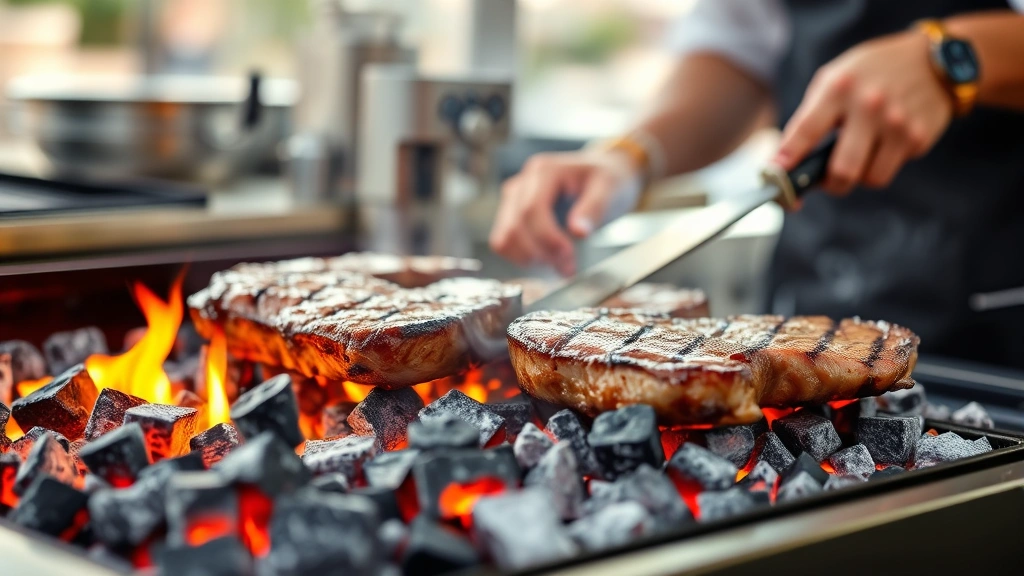
Charcoal or Gas Grills? Chef’s Insights on Sustainability and Performance
When it comes to outdoor cooking, the debate between charcoal and gas grills has long divided enthusiasts, environmentalists, and culinary professionals alike. Both options offer distinct advantages and drawbacks that extend far beyond simple taste preferences. As we increasingly consider our environmental footprint, understanding the sustainability implications of your grilling choice becomes essential. Professional chefs and environmental experts agree that making an informed decision requires examining fuel sources, emissions profiles, efficiency ratings, and long-term environmental costs.
The grilling industry has evolved dramatically over the past decade, with manufacturers now offering green technology innovations that make both charcoal and gas grills more sustainable options than ever before. Whether you’re shopping for charcoal or gas grills on sale this season, this comprehensive guide will help you navigate the environmental and practical considerations that matter most. We’ll examine how each grilling method impacts your carbon footprint, cooking quality, cost efficiency, and overall sustainability goals.
Understanding Charcoal Grills: Traditional Cooking with Modern Considerations
Charcoal grilling represents one of humanity’s oldest cooking methods, refined over centuries to achieve remarkable flavor complexity and heat control. When you’re evaluating charcoal or gas grills on sale, it’s crucial to understand that charcoal’s appeal extends beyond nostalgia—it’s rooted in legitimate culinary and environmental considerations. The combustion of charcoal produces distinct flavor compounds that many professional chefs argue cannot be replicated by gas burners, creating a depth that transforms ordinary ingredients into extraordinary meals.
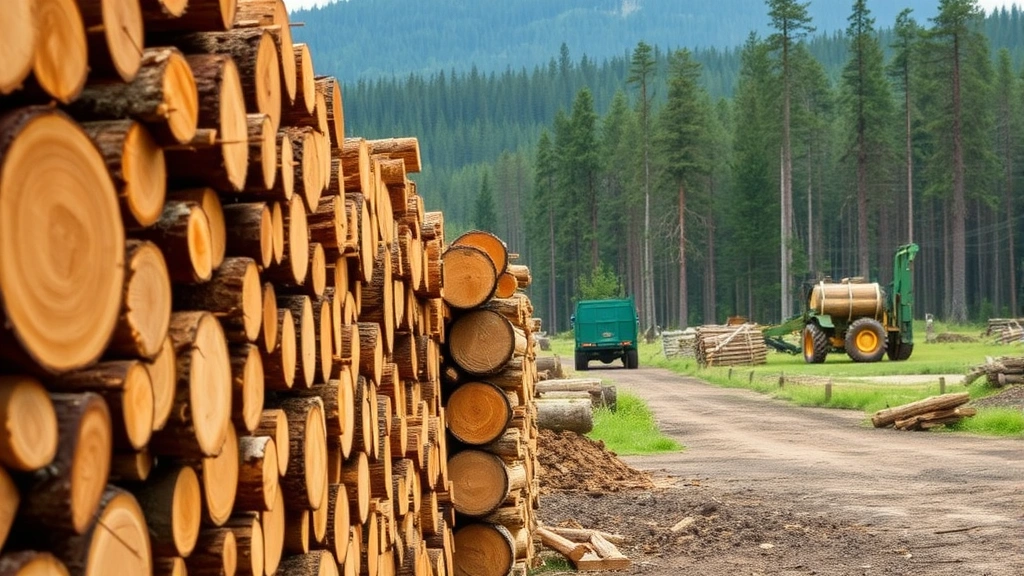
The sustainability profile of charcoal grills depends heavily on the source and production methods of the fuel itself. Our sustainability blog has extensively covered how responsibly harvested charcoal from managed forests can actually support reforestation initiatives. Hardwood charcoal, produced from sustainably managed timber operations, represents a carbon-neutral or even carbon-negative option when sourced correctly. However, conventional charcoal briquettes often contain binders, fillers, and additives that introduce unnecessary chemicals into your cooking environment and increase overall manufacturing emissions.
Modern charcoal grills have incorporated several technological improvements that enhance their efficiency and reduce waste. Improved insulation, better airflow management, and advanced grate designs now allow charcoal grills to reach optimal cooking temperatures faster while using less fuel. High-quality charcoal grills maintain heat more consistently, reducing the total amount of charcoal needed per cooking session. When shopping for charcoal or gas grills on sale, premium charcoal models often feature superior heat retention that justifies the investment through reduced fuel consumption over time.
The environmental concern surrounding charcoal production traditionally centered on deforestation, particularly in developing nations where illegal logging fuels charcoal manufacturing. However, certified sustainable charcoal sources now exist through organizations promoting responsible forestry. Purchasing charcoal bearing certifications from the Forest Stewardship Council ensures your grilling habit doesn’t contribute to forest destruction while still delivering authentic flavor.
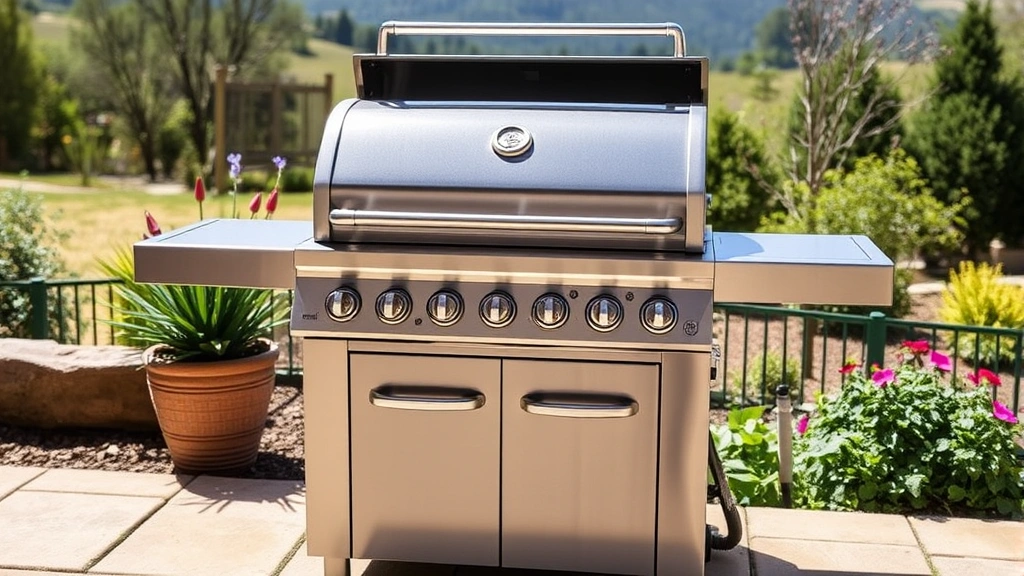
Gas Grills: Efficiency and Convenience in Focus
Natural gas and propane grills dominate the American grilling market, and for good reason. Gas grilling offers unmatched convenience, precise temperature control, and rapid heat-up times that appeal to busy families and professional catering operations alike. For those seeking charcoal or gas grills on sale, gas models typically represent the more budget-friendly initial investment, though fuel costs and long-term maintenance require careful consideration.
The efficiency advantage of gas grills becomes immediately apparent when examining fuel consumption and heat distribution. Gas burners deliver consistent, controllable heat that reduces cooking time compared to charcoal methods. This efficiency translates directly to lower fuel costs per meal and reduced overall energy consumption. Sustainable energy solutions increasingly favor natural gas as a bridge fuel technology, particularly when sourced from renewable biogas operations or paired with renewable energy systems.
The environmental impact of gas grilling depends significantly on your fuel source. Natural gas, delivered through established pipeline infrastructure, offers cleaner combustion than charcoal with substantially lower particulate emissions. Propane, stored in refillable tanks, provides portability and flexibility but requires careful handling and regular tank replacement. Both options produce greenhouse gases during combustion, though at lower rates than charcoal alternatives. The key sustainability consideration involves whether your gas originates from conventional fossil fuel extraction or increasingly available renewable biogas sources.
Modern gas grills now incorporate efficiency features comparable to charcoal innovations: improved insulation, optimized burner design, and heat distribution systems that maximize fuel efficiency. Premium gas grills feature infrared burners that concentrate heat more effectively, reducing overall gas consumption while maintaining superior cooking performance. Stainless steel construction in quality gas grills extends lifespan dramatically, reducing the environmental cost associated with manufacturing replacement units.
Environmental Impact Comparison
Determining whether charcoal or gas grills carry lower environmental impact requires examining multiple factors across the entire product lifecycle. Manufacturing emissions, fuel production and transportation, combustion byproducts, and end-of-life disposal all contribute to the total environmental cost of your grilling choice. When evaluating charcoal or gas grills on sale, understanding these broader impacts helps align your purchase with genuine sustainability values.
Research from environmental organizations reveals that gas grills typically produce 20-30% fewer emissions during actual cooking compared to charcoal alternatives. This efficiency advantage stems from more complete combustion and reduced energy waste. However, charcoal’s environmental profile improves substantially when sourcing certified sustainable hardwood charcoal from managed forestry operations. The carbon sequestered in responsibly harvested timber can offset cooking emissions, creating a potentially carbon-neutral grilling method.
Particulate matter emissions represent another critical distinction. Charcoal combustion releases more fine particles and smoke compounds that contribute to local air quality degradation. Gas grills produce primarily carbon dioxide and water vapor—invisible but equally significant greenhouse gases. EPA air quality guidelines increasingly emphasize reducing particulate emissions in residential areas, suggesting gas grills may align better with evolving environmental regulations.
Transportation and distribution logistics favor gas grills marginally. Natural gas arrives through existing infrastructure, eliminating transportation emissions associated with charcoal distribution. However, propane requires regular tank transportation and replacement, offsetting some efficiency gains. Charcoal’s concentrated energy density means less total weight transportation compared to equivalent gas volumes, creating offsetting environmental considerations.
Manufacturing impact analysis reveals that quality gas grills, built from durable stainless steel and designed for 10-15 year lifespans, distribute manufacturing emissions across many cooking seasons. Charcoal grills, often simpler in construction, may have lower initial manufacturing impact but shorter functional lifespans requiring replacement more frequently. The environmental mathematics favor investing in premium, durable equipment regardless of fuel type.
Performance and Flavor: What Chefs Really Think
Professional culinary experts consistently emphasize that charcoal grills deliver superior flavor complexity that transforms grilled foods in ways gas cannot replicate. The Maillard reaction—the chemical process creating savory, complex flavors—occurs more intensely under charcoal’s radiant heat. Smoke compounds from burning charcoal penetrate food surfaces, creating layered flavors that distinguish exceptional grilled cuisine from merely cooked food. Award-winning pitmasters and Michelin-starred chefs virtually unanimously favor charcoal for serious barbecue and grilling applications.
Gas grills excel at precision cooking, temperature consistency, and reproducibility. Professional catering operations and high-volume restaurants often prefer gas specifically because it enables consistent results across hundreds of meals. The ability to maintain exact temperatures without constant fuel adjustment appeals to chefs managing multiple dishes simultaneously. Gas grilling represents superior efficiency for high-volume operations where consistency matters more than flavor complexity.
Heat distribution characteristics differ substantially between methods. Charcoal’s radiant heat creates superior crust development and browning on proteins and vegetables. Gas burners deliver convective heat that cooks more evenly but produces less dramatic surface caramelization. Serious grilling enthusiasts often employ hybrid approaches, using gas for precise temperature control while incorporating charcoal for flavor-critical final stages of cooking.
Temperature range capabilities favor charcoal for extreme heat cooking—searing steaks at extremely high temperatures and maintaining low, slow cooking for hours without fuel adjustment. Gas grills offer superior low-temperature precision, essential for delicate fish or vegetables requiring careful heat management. Neither approach universally outperforms the other; rather, each excels in specific applications.
Flavor preferences ultimately reflect cultural traditions and personal taste development. Chefs trained in American barbecue traditions strongly prefer charcoal’s authentic smoke flavor. Mediterranean and European grilling traditions embrace gas grills’ efficiency and convenience. Asian grilling techniques often employ charcoal specifically for the smoky flavor integral to traditional cuisine. Your flavor preferences should substantially influence your charcoal or gas grills selection when shopping for sales.
Cost Analysis and Long-Term Value
Initial purchase price strongly influences consumer decisions when shopping for charcoal or gas grills on sale. Entry-level charcoal grills often cost 30-50% less than comparable gas models, making them attractive for budget-conscious buyers. However, comprehensive cost analysis must account for fuel expenses, maintenance requirements, and equipment longevity to determine true value proposition.
Fuel costs present the most significant ongoing expense. Charcoal prices fluctuate with commodity markets, generally ranging from $0.50-$1.50 per pound depending on quality and sourcing. A typical grilling session consumes 2-3 pounds of charcoal, costing $1-$4.50 per use. Propane costs approximately $2-$4 per pound with typical grilling sessions consuming 0.25-0.5 pounds, resulting in $0.50-$2 per use. Natural gas offers the lowest operational cost when available, typically $0.25-$0.75 per cooking session. Over a grilling season involving 40-50 sessions, cumulative fuel costs range from $40 (natural gas) to $200+ (premium charcoal).
Maintenance costs diverge significantly between types. Charcoal grills require minimal maintenance beyond occasional cleaning and rust prevention. Gas grills demand regular burner inspection, valve servicing, and tank maintenance, potentially adding $100-$300 annually in professional servicing. Energy efficiency tips apply equally to grill selection—investing in quality equipment with superior insulation and durability reduces long-term costs substantially.
Equipment lifespan represents the crucial variable determining true cost-per-use calculations. Premium charcoal grills from quality manufacturers last 15-20 years with minimal maintenance. Gas grills, particularly those featuring stainless steel construction and quality burners, achieve 10-15 year lifespans with proper maintenance. Budget models of either type may require replacement within 5-7 years, substantially increasing long-term costs.
When evaluating charcoal or gas grills on sale, calculate total cost of ownership across a 10-year period including purchase price, average annual fuel costs, and maintenance expenses. This analysis often reveals that premium gas grills offer superior long-term value despite higher initial investment, particularly for frequent users. However, charcoal enthusiasts may find the combination of low maintenance and authentic flavor justifies accepting higher fuel costs.
Making Your Sustainable Choice
Your optimal grilling choice ultimately depends on aligning specific priorities—environmental impact, flavor preferences, cooking frequency, available space, and budget constraints—with the distinctive advantages each fuel type provides. Rather than seeking a universally “correct” answer, focus on making the most sustainable choice given your particular circumstances and values.
Choose charcoal if you prioritize authentic flavor, cook infrequently (reducing total fuel consumption), and can source certified sustainable hardwood charcoal. Ensure your charcoal comes from responsibly managed forests bearing Rainforest Alliance or FSC certification. Invest in a high-quality charcoal grill built for durability, minimizing the environmental cost of manufacturing replacement units. Employ efficient grilling techniques—using charcoal baskets to concentrate fuel, maintaining proper airflow, and allowing coals to fully ash over before cooking.
Choose natural gas if you have access to established infrastructure, grill frequently, and prioritize operational efficiency and low maintenance. Natural gas represents the cleanest-burning option with minimal particulate emissions. Investigate whether your local utility offers renewable biogas options, increasingly available in progressive communities committed to sustainable energy transitions. Select a premium gas grill with durable construction and efficient burner design, maximizing the environmental benefit of superior longevity.
Choose propane if portability and flexibility matter more than environmental optimization, understanding that propane represents a compromise between charcoal and natural gas in environmental impact. Ensure proper tank maintenance and recycling when replacement becomes necessary, preventing fuel waste and environmental contamination.
Hybrid approaches deserve serious consideration. Many sustainability-focused grillers employ gas for primary cooking while using charcoal for flavor-critical applications, optimizing both environmental impact and culinary results. This approach reduces total charcoal consumption while preserving authentic flavor where it matters most.
Regardless of fuel choice, maximize sustainability by investing in quality equipment designed for durability, practicing efficient grilling techniques that minimize fuel consumption, maintaining equipment properly to extend lifespan, and sourcing fuel from certified sustainable producers. Your grilling habit contributes meaningfully to environmental impact only when multiplied across thousands of cooking sessions over equipment lifespans—making durability and efficiency far more important than individual fuel choice.
Frequently Asked Questions
Are charcoal grills really better for the environment than gas?
Not necessarily. The answer depends on charcoal sourcing, cooking frequency, and equipment lifespan. Certified sustainable hardwood charcoal from managed forests can be carbon-neutral or carbon-negative. However, conventional charcoal briquettes with chemical additives create higher environmental impact than natural gas. Gas grills from manufacturers committed to durability and efficiency often prove more sustainable when considering total lifecycle impact. The most important factor is choosing quality equipment you’ll use for many years.
How much do charcoal or gas grills on sale typically cost?
Entry-level charcoal grills start around $100-$300, while comparable gas grills range from $200-$500. Mid-range quality models cost $300-$800 for charcoal and $400-$1,200 for gas. Premium grills from respected manufacturers exceed $1,000 for either fuel type. Sales events typically offer 20-40% discounts on previous season inventory, making premium equipment more accessible. Remember that initial purchase price represents only one component of total cost of ownership.
Which grill produces better flavor?
Charcoal delivers superior flavor complexity through smoke compounds and intense radiant heat that create exceptional browning and crust development. Gas grills excel at consistency and precision but produce less distinctive flavor. Professional chefs preparing high-end cuisine virtually always prefer charcoal. However, well-executed gas grilling produces delicious results satisfactory for most home cooks. Flavor preference ultimately reflects personal taste and culinary tradition rather than objective superiority.
Can I use charcoal in a gas grill or vice versa?
Never attempt burning charcoal in a gas grill—it creates dangerous carbon monoxide accumulation and damages equipment. Gas burners cannot function in charcoal grills without extensive modifications. Some hybrid grills incorporate separate charcoal and gas zones, offering the best of both approaches. If you want flexibility between fuel types, consider dedicated equipment for each rather than attempting dangerous conversions.
How often should I replace my grill?
Quality charcoal grills last 15-20 years with minimal maintenance. Premium gas grills achieve 10-15 year lifespans with proper servicing. Budget models may require replacement within 5-7 years. Rather than replacing on a schedule, maintain equipment properly and replace only when repairs become prohibitively expensive. The most sustainable choice involves investing in durable equipment initially, minimizing manufacturing waste from frequent replacements.
What’s the environmental impact of propane versus natural gas?
Natural gas delivered through established infrastructure produces fewer transportation emissions than propane requiring tank replacement and distribution. However, natural gas extraction and processing create environmental costs that propane avoids in some scenarios. Both produce similar emissions during combustion. If your region offers renewable biogas through natural gas utilities, that option provides the lowest environmental impact. Otherwise, the difference between propane and natural gas proves relatively minor compared to charcoal versus gas distinctions.


