Columbia Gas Efficiency Tips: Expert Insights for Pennsylvania Residents
Managing your natural gas consumption is one of the most effective ways to reduce both your energy bills and your household’s carbon footprint. Columbia Gas of Pennsylvania serves over 3 million customers throughout the state, making it a critical utility for countless homes and businesses. Whether you’re looking to optimize your heating system, improve appliance efficiency, or simply understand your gas usage better, implementing strategic efficiency measures can yield significant savings year-round.
As energy costs continue to rise and environmental concerns become increasingly urgent, understanding how to use natural gas more efficiently isn’t just about saving money—it’s about making responsible choices for our planet. This comprehensive guide draws on expert recommendations and industry best practices to help you maximize your Columbia Gas efficiency while minimizing waste. From simple behavioral changes to more substantial home improvements, we’ll explore actionable strategies that work for Pennsylvania’s diverse climate and housing types.
Understanding Your Columbia Gas Usage Patterns
The first step toward meaningful efficiency improvements is understanding where your natural gas consumption actually occurs. Most Pennsylvania households use natural gas primarily for space heating during winter months, with secondary uses including water heating, cooking, and clothes drying. By analyzing your utility bills and consumption data, you can identify which areas represent the greatest opportunities for savings.
Columbia Gas of Pennsylvania provides detailed billing information that breaks down your usage by season and time period. Reviewing these statements carefully helps you understand consumption peaks and patterns. Many customers find that winter heating accounts for 40-60% of their annual gas usage, while water heating typically represents 15-20%. The remaining consumption comes from cooking appliances, dryers, and other gas-powered equipment. Understanding these percentages allows you to prioritize your efficiency efforts where they’ll have the greatest impact.
Consider requesting an energy audit from Columbia Gas or a certified energy auditor. These professionals can identify specific inefficiencies in your home using thermal imaging and other diagnostic tools. The insights gained often reveal surprising problem areas that aren’t immediately obvious, such as air leaks around windows, inadequate attic insulation, or poorly functioning heating equipment.
Heating System Optimization and Maintenance
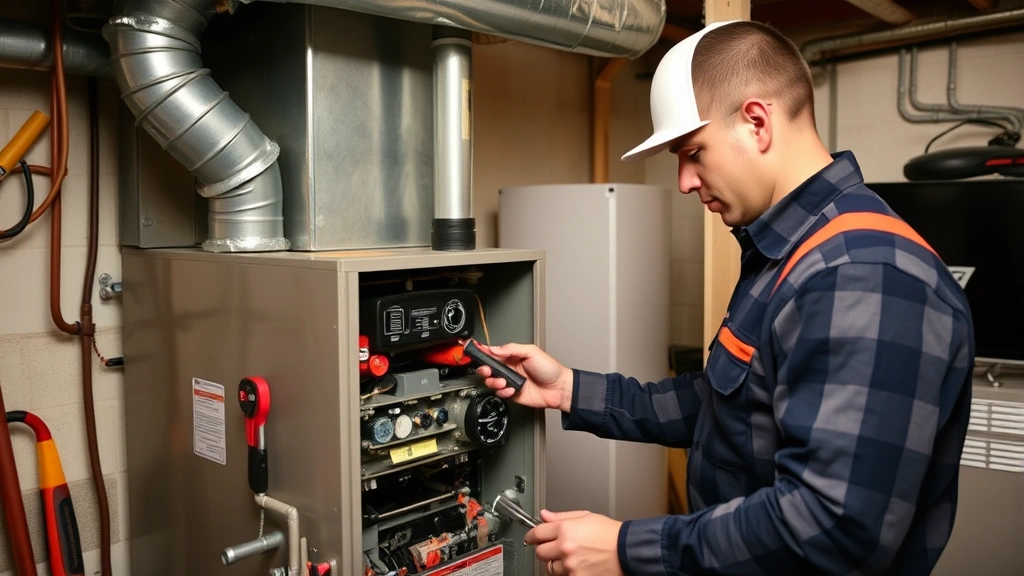
Your heating system is the largest consumer of natural gas in most Pennsylvania homes, making it the logical focus for efficiency improvements. Regular maintenance is absolutely essential for optimal performance and safety. Schedule annual inspections before the heating season begins, ideally in September or early October when service technicians are less busy.
During maintenance visits, professionals should clean burners, inspect heat exchangers, test safety controls, and verify proper combustion efficiency. A well-maintained furnace operates at peak efficiency, typically delivering 78-85% of fuel energy as usable heat. Neglected systems can see efficiency drop by 5-15% annually due to accumulated dust, debris, and component wear.
If your furnace is more than 15-20 years old, consider upgrading to a modern high-efficiency model. Contemporary furnaces achieve efficiency ratings of 90-98.5%, meaning they convert nearly all fuel to usable heat. While the initial investment ranges from $3,000-$8,000, the long-term energy savings and improved comfort often justify the expense. Additionally, sustainable energy solutions frequently include rebates and financing options that make upgrades more affordable.
Ductwork inspection and sealing represents another critical heating optimization strategy. Leaky ducts can lose 15-30% of heated air before it reaches your living spaces. Professional duct sealing using mastic sealant or specialized tape significantly improves system efficiency. Some homeowners also benefit from ductwork insulation improvements, particularly for ducts running through unconditioned spaces like attics or crawl spaces.
Water Heating Efficiency Strategies
After space heating, water heating represents your second-largest gas consumption category. Implementing targeted strategies in this area can reduce overall energy usage by 10-15%. Start with the simplest measures: lowering your water heater thermostat from the typical factory setting of 140°F to 120°F. This temperature is sufficient for most household needs while reducing standby heat loss and energy consumption.
Insulating your water heater tank and the first 6 feet of hot water pipes reduces heat loss significantly. Pipe insulation foam wraps cost just $10-20 and pay for themselves within months through reduced energy waste. Water heater blankets provide similar benefits, though they’re less effective on newer, already-insulated tanks.
Installing low-flow showerheads and faucet aerators reduces hot water demand without compromising functionality. These inexpensive fixtures (typically $10-30) can cut water heating energy use by 25-30% while also reducing water consumption. Modern aerators maintain satisfying water pressure while delivering just 1.5-2 gallons per minute compared to older fixtures that used 3-5 gallons per minute.
For significant long-term savings, consider upgrading to a tankless water heater or heat pump water heater. Tankless models heat water on-demand, eliminating standby losses entirely and achieving 80-90% efficiency. Heat pump water heaters operate similarly to air-source heat pumps, achieving efficiency ratings of 200-300% by extracting heat from surrounding air. While initial costs are higher ($1,500-$3,500), operational savings often exceed $300 annually.
Appliance Efficiency and Best Practices
Gas cooking ranges and clothes dryers offer opportunities for efficiency improvements through both behavioral changes and equipment upgrades. When cooking, use appropriately-sized cookware that matches burner size, maintain clean burner grates and caps, and use lids on pots to retain heat and reduce cooking time. These simple habits can reduce cooking energy use by 10-15% with zero investment.
For clothes drying, clean lint traps before every load to maintain airflow and reduce drying time. Check that dryer vents aren’t blocked or kinked, as this forces the appliance to work harder and longer. If your dryer is more than 10-15 years old, upgrading to an Energy Star certified model can reduce energy consumption by 20-30%. Some newer gas dryers incorporate moisture-sensing technology that automatically stops cycles when clothes reach the desired dryness level, preventing unnecessary energy waste.
Consider supplementing clothes drying with air-drying during warm months. Using outdoor clotheslines or indoor drying racks eliminates gas consumption entirely for a portion of your laundry. Similarly, air-drying dishes in your dishwasher rather than using heated dry cycles reduces energy use without affecting cleaning performance.
When selecting new gas appliances, prioritize Energy Star certification. These appliances meet strict efficiency standards set by the U.S. Environmental Protection Agency and Department of Energy, typically using 15-30% less energy than standard models. While initial costs may be slightly higher, operational savings accumulate quickly over the appliance’s lifetime.
Home Insulation and Weatherization
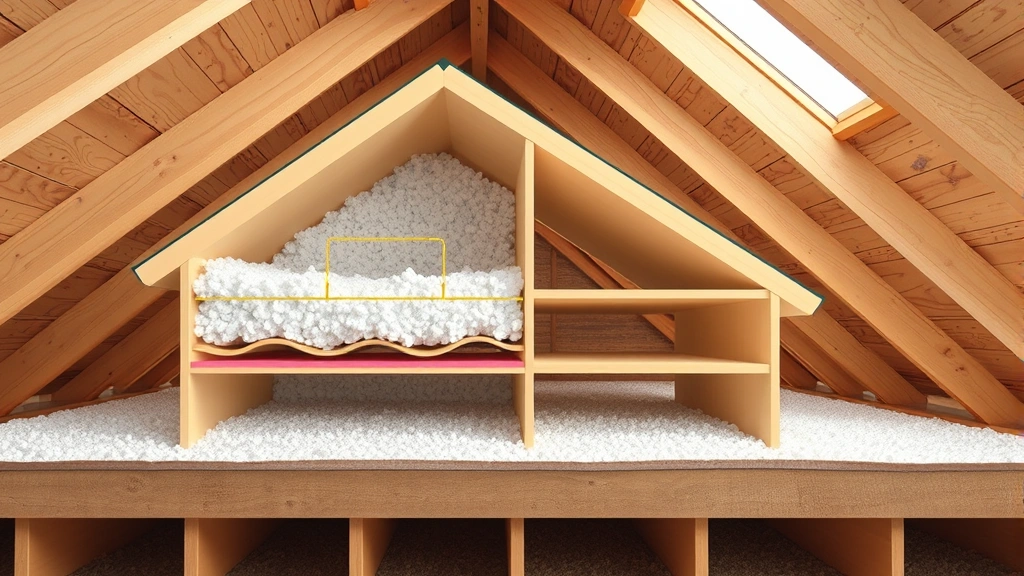
Proper insulation and weatherization form the foundation of heating efficiency, directly reducing the amount of gas your furnace must consume to maintain comfortable temperatures. Start by assessing your attic insulation, which should measure at least R-38 (approximately 12 inches) in Pennsylvania’s climate zone. If existing insulation is insufficient, adding blown-in cellulose or fiberglass is relatively affordable and offers excellent returns on investment.
Air sealing is equally important as insulation. Gaps and cracks around windows, doors, electrical outlets, and penetrations for utilities allow conditioned air to escape while admitting cold outside air. This infiltration forces your heating system to work continuously to compensate. Professional air sealing using caulk, weatherstripping, and spray foam can reduce air leakage by 30-50%, resulting in heating savings of 10-20%.
Window upgrades represent a more significant investment but offer substantial long-term benefits. Modern double or triple-pane windows with low-emissivity coatings reduce heat transfer significantly compared to older single-pane windows. While replacement windows cost $300-$1,000 per window installed, the improved comfort and reduced heating needs often justify the expense over 10-15 years.
Don’t overlook basement and crawl space insulation. Uninsulated or poorly insulated foundation walls and rim joists represent major heat loss pathways. Rigid foam board insulation with air-sealing provides excellent performance and protects against moisture issues. Many Pennsylvania homeowners also benefit from basement rim joist insulation, which is relatively simple to install and highly effective.
Smart Thermostat Technology
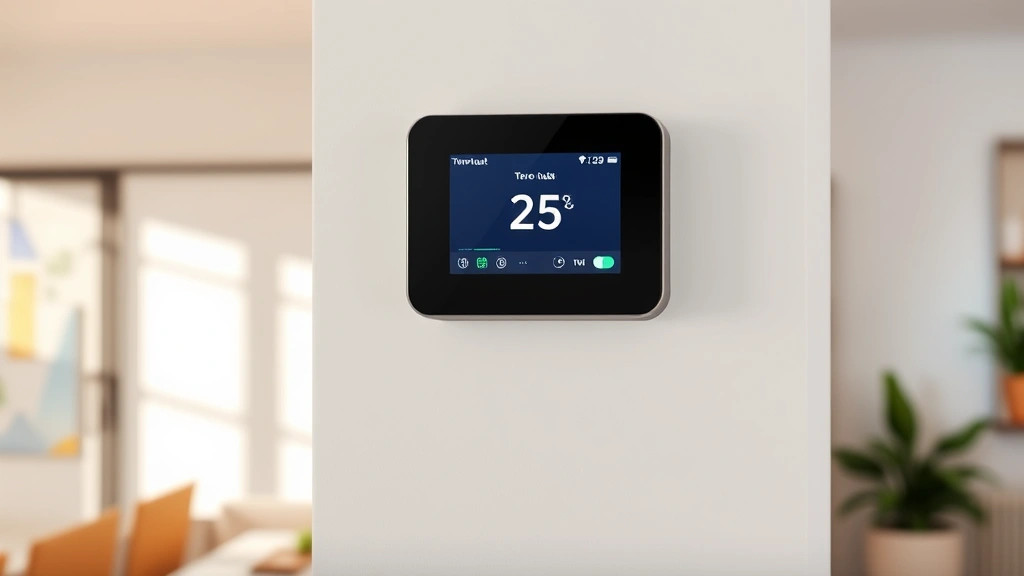
Programmable and smart thermostats represent one of the most effective and affordable efficiency investments available. These devices automatically adjust temperatures based on your schedule and preferences, reducing heating when you’re away or sleeping. Typical savings range from 10-15% annually, with payback periods of 1-2 years.
Smart thermostats offer advantages beyond basic programming. They learn your patterns, provide energy usage reports, and can be controlled remotely via smartphone apps. Some models integrate with weather forecasting to optimize heating schedules, while others track maintenance needs and alert you when filters require changing. These features combine to improve both efficiency and comfort.
When setting thermostat schedules, aim for 68-70°F during occupied daytime hours, 62-66°F at night, and 60-65°F during extended absences. Each degree of reduction during 8-hour periods can reduce heating energy use by approximately 1-3%. However, avoid setting temperatures so low that pipes risk freezing or homes become uncomfortable upon return.
Thermostat placement significantly affects performance. Locate units on interior walls away from direct sunlight, drafts, and heat sources like kitchens or fireplaces. Poor placement causes inaccurate temperature readings and inefficient operation. If your current thermostat seems to operate inefficiently, relocation might solve the problem before replacement becomes necessary.
Seasonal Efficiency Adjustments
Pennsylvania’s climate demands different efficiency strategies throughout the year. During heating season (October through April), focus on maintaining system performance, minimizing air leakage, and optimizing thermostat settings. Fall maintenance schedules ensure furnaces operate at peak efficiency before peak demand periods arrive.
As winter progresses, monitor for signs of system problems including uneven heating, unusual noises, or increased cycling. These indicators often signal issues requiring professional attention. Addressing problems promptly prevents inefficiency from worsening and reduces the risk of complete system failure during extreme cold snaps.
During shoulder seasons (spring and fall), take advantage of mild temperatures to minimize heating use. Open windows on pleasant days to naturally ventilate your home, reducing reliance on mechanical systems. These practices support the broader goal of reducing your environmental footprint while enjoying seasonal benefits.
Summer months offer opportunities for preventive maintenance and preparation. Have your furnace serviced during off-season when technicians have greater availability and can often provide better pricing. Summer is also ideal for completing insulation upgrades, air sealing projects, and other improvements that don’t interfere with heating season comfort.
Financial Incentives and Rebate Programs
Columbia Gas of Pennsylvania offers several incentive programs designed to help customers reduce energy consumption and achieve efficiency improvements. The company’s residential rebate program provides financial assistance for upgrading furnaces, water heaters, and other gas appliances. Typical rebates range from $100-$500 depending on equipment type and efficiency rating.
Additionally, Pennsylvania’s Alternative Energy Portfolio Standard and various utility programs fund efficiency upgrades through state and federal energy efficiency programs. Many of these initiatives provide grants, low-interest financing, or direct rebates for qualifying improvements. Weatherization assistance programs specifically target lower-income households, providing comprehensive energy audits and upgrades at no cost.
Federal tax credits remain available for certain energy-efficient improvements. While credits vary by year and equipment type, they can offset 10-30% of project costs for qualifying furnaces, water heaters, and insulation work. Consulting with tax professionals ensures you capture all available credits when filing annual returns.
Many Pennsylvania municipalities and non-profit organizations offer additional incentives for energy efficiency projects. Some programs specifically support green technology innovations and sustainable home improvements. Researching local options before beginning projects can significantly reduce net costs and improve project economics.
Columbia Gas also provides free energy audits and efficiency consultations to help customers identify priority improvement areas. These professional assessments often qualify customers for additional incentives and rebates that aren’t available through standard channels. Taking advantage of these free services represents a logical first step for any homeowner serious about efficiency improvements.
FAQ
What is the average natural gas bill for Pennsylvania households?
According to recent data, Pennsylvania households using natural gas for heating average $900-$1,200 annually for heating and hot water during moderate winters. Actual costs vary significantly based on home size, insulation quality, heating system efficiency, and winter severity. Implementing efficiency improvements can reduce these costs by 20-30% or more.
How often should I service my gas furnace?
Professional furnace maintenance should occur annually, ideally before heating season begins in fall. Annual inspections and cleaning prevent efficiency degradation, identify developing problems early, and ensure safe operation. Some newer high-efficiency furnaces may require slightly different maintenance schedules—consult your owner’s manual or service provider for specific recommendations.
Can I install a smart thermostat myself?
Most homeowners can install smart thermostats using basic tools and following manufacturer instructions. However, if your existing thermostat wiring seems unfamiliar or your heating system is unusually complex, professional installation ensures proper operation and safety. Many retailers provide installation services for reasonable fees if DIY installation seems uncomfortable.
What temperature should I set my water heater?
The recommended setting is 120°F, which provides adequate hot water for most household needs while minimizing energy waste and scalding risk. Some older thermostats may be calibrated differently—use an accurate thermometer to verify actual tank temperature. Lower temperatures reduce energy consumption further but may require longer hot water delivery times and potentially inadequate sanitization for certain uses.
How much can I save by upgrading to a high-efficiency furnace?
Upgrading from an older furnace (78-82% efficiency) to a modern high-efficiency model (90-98.5% efficiency) typically reduces heating costs by 15-30%. Actual savings depend on your current furnace’s condition, local climate, and usage patterns. A professional energy audit can provide specific savings estimates for your particular situation.
Does Columbia Gas offer financing for efficiency improvements?
Yes, Columbia Gas partners with several financing programs to help customers afford efficiency upgrades. The company offers rebates directly and can provide information about low-interest financing options. Contact your local Columbia Gas office or visit their website for current program details and application procedures.
What is the best way to reduce my gas bill in winter?
Combining multiple strategies yields the best results. Priorities include maintaining your furnace, lowering thermostat settings by just a few degrees, sealing air leaks, improving insulation, and using a programmable thermostat. These measures together can reduce winter heating costs by 25-40% while maintaining comfort.
How can I tell if my home has adequate insulation?
Check your attic insulation depth with a ruler or measuring tape—Pennsylvania homes should have at least R-38 (approximately 12 inches) of insulation. If existing insulation appears thin or settled, or if you’re unsure about insulation type and R-value, request a professional energy audit. Thermal imaging during audits reveals insulation deficiencies invisible to the naked eye.
Are smart thermostats worth the investment?
Yes, for most homeowners. Smart thermostats cost $150-$300 installed and typically save 10-15% on heating costs—an annual savings of $100-$200 for most Pennsylvania households. This payback period of 1-2 years, combined with improved comfort and convenience features, makes them excellent investments.
What is the definition of sustainability in home energy use?
Understanding the definition of sustainability in energy context means meeting current needs without compromising future generations’ ability to meet theirs. Sustainable home energy practices reduce consumption, minimize environmental impact, and promote long-term resource preservation. Implementing Columbia Gas efficiency measures directly supports these sustainability principles.


