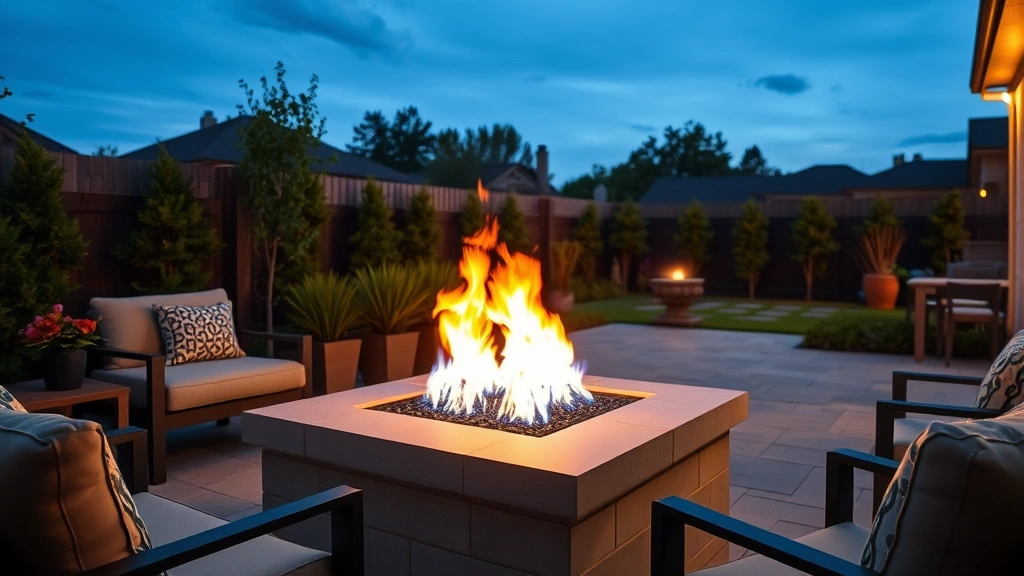
Are Gas Fire Pits Eco-Friendly? Expert Insights on Environmental Impact
Fire pits have become a staple of outdoor living spaces, offering warmth, ambiance, and a gathering place for family and friends. However, as environmental consciousness grows, homeowners increasingly question whether their recreational choices align with sustainability goals. Gas fire pits, in particular, present a complex environmental picture that deserves careful examination. While they offer certain advantages over traditional wood-burning alternatives, they also carry notable environmental costs that shouldn’t be overlooked.
The debate surrounding gas fire pits centers on a fundamental tension: convenience and cleanliness versus fossil fuel consumption and carbon emissions. Understanding this trade-off requires examining multiple dimensions of environmental impact, from raw material extraction to operational emissions. This comprehensive guide explores whether gas fire pits can truly be considered eco-friendly, what alternatives exist, and how you can make informed decisions about your outdoor heating options.
How Gas Fire Pits Work and Their Environmental Basics
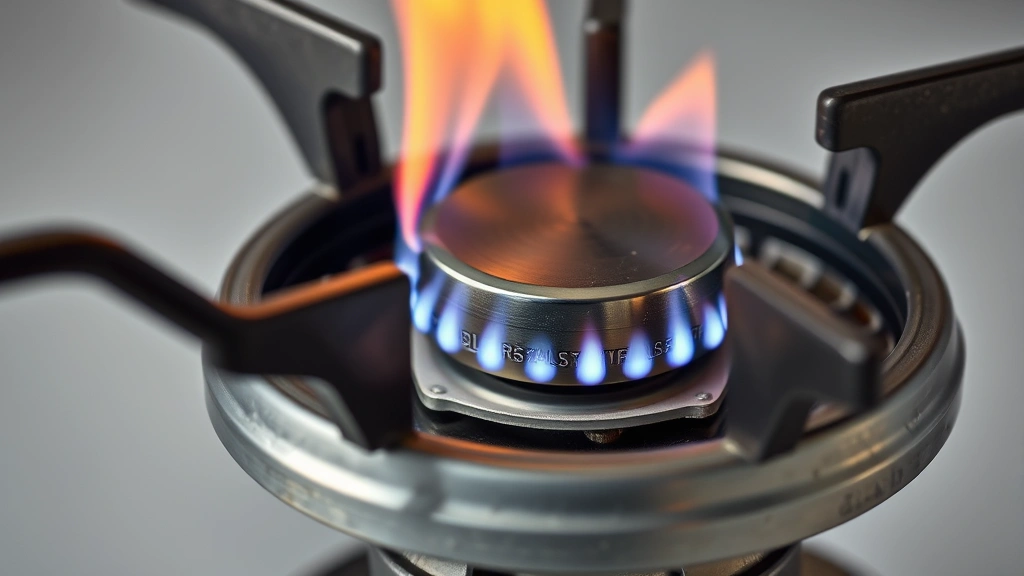
Gas fire pits operate by burning propane or natural gas to create flames and heat. Understanding their mechanics is essential for evaluating their environmental footprint. These systems use either liquid propane stored in tanks or natural gas piped directly from utility lines. The combustion process converts hydrocarbon fuel into carbon dioxide, water vapor, and heat energy.
From an environmental perspective, the fundamental issue with gas fire pits is their reliance on fossil fuels. Natural gas and propane are extracted from underground reserves through drilling and mining operations that disturb ecosystems and require significant energy inputs. These non-renewable resources took millions of years to form, yet we consume them in mere moments. When burned, they release greenhouse gases that contribute to climate change, regardless of how clean or efficient the combustion process might be.
The efficiency of modern gas fire pits is relatively high—typically converting 80-90% of fuel energy into heat and light. However, efficiency doesn’t equate to environmental friendliness when the source fuel itself is problematic. It’s comparable to driving a highly efficient car powered by fossil fuels; the improved efficiency helps but doesn’t eliminate the underlying environmental concern. As you explore sustainable energy solutions, understanding this distinction becomes crucial for making responsible choices.
Carbon Emissions and Climate Impact
The carbon footprint of gas fire pits extends throughout their lifecycle. Direct emissions occur during operation, while indirect emissions result from extraction, processing, transportation, and manufacturing. A typical gas fire pit burning propane releases approximately 5-12 pounds of carbon dioxide per hour of operation, depending on the burner size and efficiency rating.
To contextualize this impact, consider that a household running a gas fire pit for five hours weekly over a four-month season produces roughly 400-960 pounds of CO2 annually from that single appliance. While this might seem modest compared to vehicle emissions, it represents discretionary energy consumption for leisure purposes. Natural gas produces slightly lower emissions than propane per unit of energy but still contributes meaningfully to household carbon profiles.
The upstream emissions associated with natural gas extraction are particularly concerning. Methane leakage during drilling, processing, and transportation represents a significant climate problem. Methane is 28-34 times more potent than carbon dioxide over a 100-year period, making even small leaks problematic. According to research from the Environmental Protection Agency, reducing methane emissions is critical for climate mitigation efforts. This hidden cost of natural gas consumption often goes unmentioned in marketing materials.
When evaluating your outdoor heating options, consider how they fit within your broader commitment to reducing your environmental footprint. Every energy choice compounds over time, and recreational fuel consumption represents an area where meaningful reductions are possible without sacrificing comfort or quality of life.
Air Quality Considerations
Gas fire pits are often promoted as cleaner alternatives to wood-burning fires because they produce fewer particulates and pollutants. This claim contains truth, but it’s incomplete. While gas combustion doesn’t generate the visible smoke and particulate matter associated with wood fires, it does produce other air pollutants of environmental concern.
Burning natural gas or propane releases nitrogen oxides (NOx), volatile organic compounds (VOCs), and carbon monoxide in smaller quantities than wood fires but in measurable amounts. These compounds contribute to ground-level ozone formation and respiratory health problems, particularly for vulnerable populations including children and elderly individuals. The EPA’s AirNow program provides detailed information about how various combustion sources affect local air quality.
In urban and suburban settings where air quality is already compromised, the cumulative effect of numerous gas fire pits operating simultaneously can noticeably degrade air quality. During temperature inversions—atmospheric conditions where warm air traps cooler air below—emissions from gas appliances become concentrated near ground level, amplifying health impacts.
The invisibility of gas combustion emissions creates a false sense of environmental benignity. Just because you can’t see smoke doesn’t mean harmful substances aren’t being released. This psychological phenomenon, where out-of-sight impacts feel less real, influences many consumer choices toward gas appliances. However, environmental responsibility requires looking beyond immediate sensory feedback to understand actual impacts.
Comparing Gas to Wood-Burning Fire Pits
To properly assess whether gas fire pits are eco-friendly, comparing them to wood-burning alternatives provides useful context. Wood-burning fire pits produce substantially more visible particulate matter and smoke, creating obvious air quality problems. However, wood represents a renewable resource when sourced from sustainably managed forests, whereas gas is inherently non-renewable.
Wood fires generate 15-30 times more particulate matter than gas fires, along with significant quantities of volatile organic compounds and carbon monoxide. These emissions pose serious health risks and contribute to poor air quality. In many regions, local air quality regulations restrict or ban recreational wood fires during certain seasons specifically because of these health impacts.
However, wood burning also offers a crucial advantage: if the wood comes from renewable sources, the carbon released during combustion was recently captured from the atmosphere through photosynthesis. This creates a closed carbon cycle, assuming the forest is properly managed and replanted. Natural gas and propane, by contrast, represent ancient carbon that had been sequestered underground, and burning them represents a net increase in atmospheric carbon.
The comparison becomes more nuanced when considering different wood sources. Burning scrap wood or sustainably harvested firewood from managed forests presents a different environmental equation than burning treated lumber or illegally harvested wood. Similarly, using wood waste products that would otherwise decompose and release methane represents a more defensible use case than burning pristine timber.
Neither option represents an ideal solution for environmentally conscious consumers. The choice between them depends on your specific circumstances, local air quality concerns, and available alternatives.
Manufacturing and Material Impacts
The environmental cost of gas fire pits extends beyond operational emissions to include manufacturing impacts. These products require significant material inputs: steel or cast iron bodies, copper or brass burners and fittings, and various other components. Steel production is energy-intensive, requiring high-temperature furnaces and substantial raw material extraction.
Mining iron ore and other metals involves habitat disruption, water pollution, and significant energy consumption. The manufacturing process for fire pit components generates additional emissions and waste byproducts. While individual fire pit manufacturing creates modest environmental impact, the cumulative effect across millions of units sold annually becomes substantial.
The durability and lifespan of a gas fire pit influence its total environmental impact. A well-constructed unit lasting 15-20 years distributes manufacturing impacts across two decades of use. Conversely, cheaply made fire pits requiring replacement after five years concentrate environmental costs, making durability a genuine sustainability factor. When selecting a gas fire pit, prioritizing quality construction and longevity aligns with environmental responsibility.
End-of-life considerations also matter. Metal components from fire pits can theoretically be recycled, reducing waste, but many units end up in landfills. The propane tanks themselves present specific disposal challenges requiring certified handling. Understanding the full lifecycle of products you purchase—from extraction through eventual disposal—reveals hidden environmental costs often overlooked in purchasing decisions.
Eco-Friendly Alternatives to Consider
If you’re committed to reducing your environmental impact while maintaining outdoor gathering spaces, several alternatives to gas fire pits warrant consideration. These options range from completely renewable approaches to lower-emission compromises.
Biofuel Fire Pits: These innovative systems burn bioethanol, a renewable fuel derived from plant biomass. Bioethanol combustion produces carbon dioxide and water but no particulates or smoke. While bioethanol production involves agricultural inputs and land use considerations, it represents a renewable resource cycle. However, bioethanol fire pits produce less heat than gas alternatives and typically serve primarily aesthetic rather than functional heating purposes.
Electric Fire Pits: Modern electric models create realistic flame effects using LED technology while producing heat through electric resistance elements. If your electricity comes from renewable sources—through your utility’s green energy programs or rooftop solar—electric fire pits represent a genuinely low-carbon option. Even with grid electricity, electric options typically produce lower lifetime emissions than fossil fuel alternatives when accounting for grid mix improvements over time.
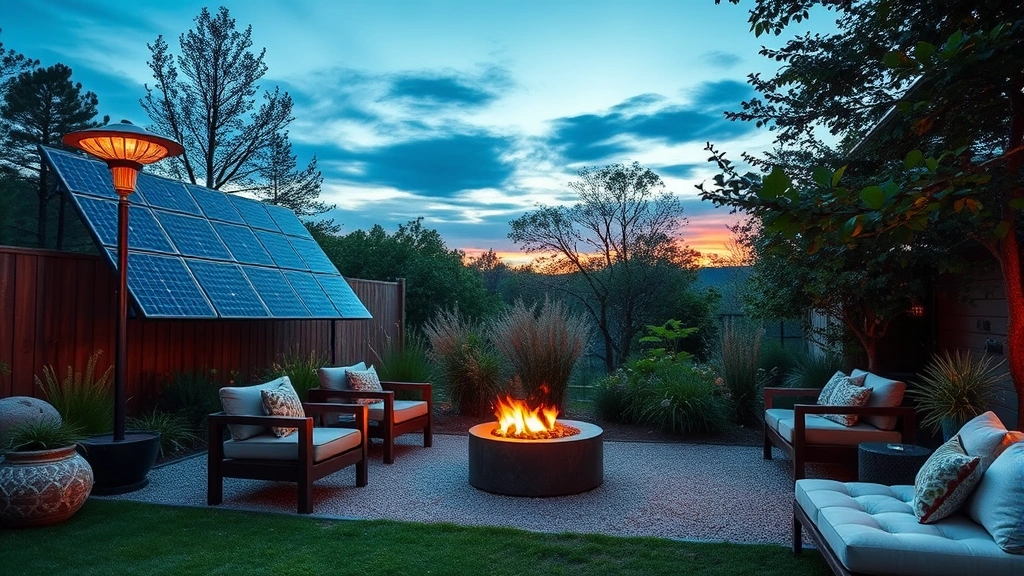
Solar-Powered Heating: For daytime outdoor gathering, solar heating solutions eliminate operational emissions entirely. Solar-powered heating elements and ambient warmth from thermal mass materials can extend comfortable outdoor seasons without fuel consumption. While less glamorous than flames, this approach maximizes sustainability.
Sustainably Sourced Wood: If you prefer traditional fire aesthetics, sourcing wood from certified sustainable forestry operations, utilizing deadfall and pruned branches, or burning agricultural waste represents a more defensible option than gas. This approach requires diligence in fuel sourcing but aligns with circular economy principles. Learn more about green technology innovations that can complement traditional approaches.
Exploring the definition of sustainability reveals that true environmental responsibility involves considering multiple factors: resource renewal, emissions profiles, ecosystem impacts, and alignment with long-term planetary health. No outdoor heating option achieves perfection, but informed choices matter substantially.
Making Your Fire Pit More Sustainable
If you already own a gas fire pit or decide one best suits your circumstances, several strategies can reduce its environmental impact. These practical approaches acknowledge real-world constraints while advancing sustainability goals.
Optimize Usage Patterns: The most impactful reduction strategy involves using your fire pit less frequently or for shorter durations. Each hour of operation avoided prevents corresponding emissions. Consider whether every gathering requires the fire pit, or whether it’s running out of habit. Seasonal use rather than year-round operation significantly reduces annual emissions.
Maintain Equipment Properly: Well-maintained gas fire pits operate more efficiently, converting fuel to useful heat rather than wasting energy through leaks or incomplete combustion. Regular cleaning of burners, checking for gas leaks, and ensuring proper airflow optimization all improve operational efficiency. A tune-up costs far less than the environmental price of operating an inefficient system.
Choose High-Efficiency Models: When replacing or purchasing a fire pit, prioritize models with high combustion efficiency ratings and low emissions certifications. Some manufacturers specifically design for reduced environmental impact. The modest additional cost of efficient models pays dividends through reduced fuel consumption and lower operational emissions.
Offset Emissions: While not a substitute for reducing consumption, carbon offset programs allow you to fund environmental projects that reduce or sequester greenhouse gases equivalent to your fire pit emissions. Reputable offset programs support renewable energy development, forest conservation, or methane capture projects. This approach acknowledges unavoidable emissions while supporting broader climate solutions.
Transition Planning: If you’re committed to long-term sustainability, develop a timeline for transitioning to lower-impact alternatives. Perhaps your next fire pit upgrade targets an electric model, or you gradually shift gathering activities to times that don’t require heating. Intentional planning creates momentum toward more sustainable practices.
The SustainWise Hub Blog provides ongoing resources for evaluating and improving your environmental impact across all lifestyle dimensions. Outdoor heating represents just one area where conscious choices accumulate into meaningful change.
FAQ
Are gas fire pits cleaner than wood-burning fires?
Gas fire pits produce significantly fewer particulates and visible smoke than wood-burning alternatives, making them cleaner in terms of immediate air quality impacts. However, they still emit nitrogen oxides and volatile organic compounds. Gas fires don’t produce the health-damaging particulate matter that makes wood smoke problematic, but they do release greenhouse gases throughout operation. The answer depends on whether you prioritize local air quality (where gas wins) or global climate impact (where sustainably sourced wood has advantages).
How much carbon does a gas fire pit produce annually?
A typical gas fire pit operating five hours weekly for four months produces approximately 400-960 pounds of CO2 annually, depending on burner size and efficiency. This calculation assumes standard propane or natural gas combustion rates. Actual emissions vary based on your specific equipment, fuel type, and usage frequency. Tracking your fire pit usage allows you to calculate personal impacts and set reduction targets.
Can I use renewable gas in my fire pit?
Some regions are beginning to distribute renewable natural gas (RNG) produced from agricultural waste, landfill gas, or wastewater treatment. If available in your area, switching to RNG reduces lifecycle emissions compared to conventional natural gas. However, RNG availability remains limited, and most households don’t have access to this option. Check with your local gas utility about renewable gas programs in your region.
What’s the most eco-friendly fire pit option?
The most environmentally friendly fire pit is the one you don’t use, as it produces zero emissions. Among practical alternatives, electric fire pits powered by renewable electricity offer the lowest operational emissions. Bioethanol models provide renewable fuel options with no particulates. Sustainably sourced wood represents a renewable alternative if properly sourced from managed forests. Your best choice depends on your specific circumstances, local availability, and priorities regarding emissions versus air quality.
Do gas fire pits require maintenance for environmental reasons?
Yes, regular maintenance improves efficiency and reduces emissions. Cleaning burners removes buildup that impedes combustion, checking for gas leaks prevents fuel waste, and ensuring proper airflow optimizes fuel-to-heat conversion. Well-maintained equipment operates more cleanly and efficiently than neglected systems. Annual inspections by qualified technicians identify problems before they waste fuel or increase emissions.
Can I offset my fire pit’s carbon emissions?
Yes, carbon offset programs allow you to fund projects that reduce or sequester greenhouse gases equivalent to your fire pit emissions. Reputable programs support renewable energy development, forest conservation, methane capture, or reforestation. While offsets shouldn’t replace efforts to reduce direct consumption, they provide a mechanism for addressing unavoidable emissions. Research offset program certifications and project details before purchasing.


