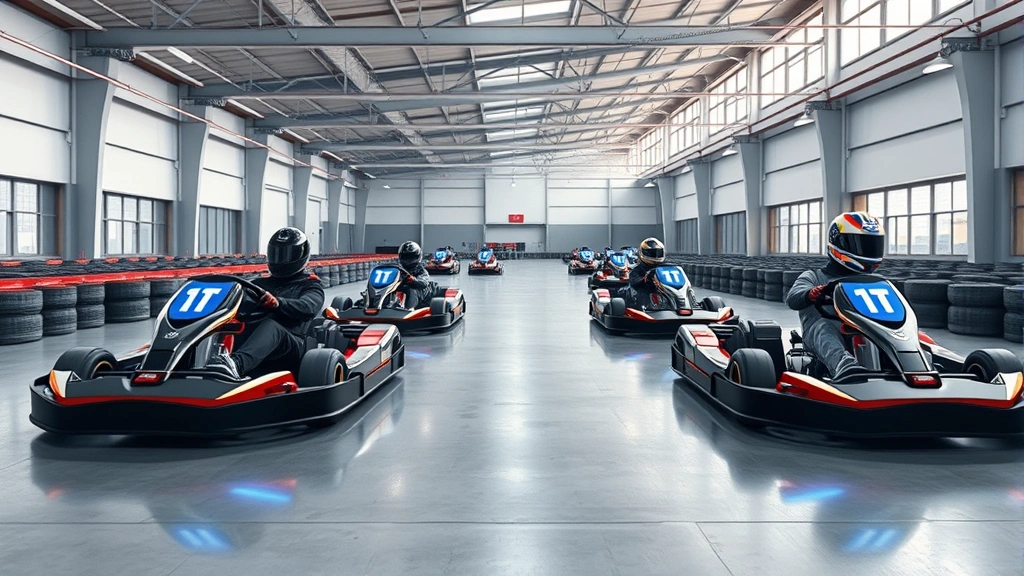
Can Gas Go-Karts Be Eco-Friendly? Expert Insights
The question of whether gas go-karts can be environmentally sustainable has become increasingly relevant as recreational activities face greater scrutiny regarding their carbon footprint. While traditional gasoline-powered go-karts have long been a staple of entertainment venues and racing facilities worldwide, their environmental impact raises important considerations for both operators and enthusiasts. This comprehensive guide explores the reality of gas go-kart sustainability, examining their emissions profiles, comparing them to alternative power sources, and identifying practical strategies for reducing their ecological footprint.
Go-kart racing represents a significant recreational industry, with thousands of facilities operating globally. However, the environmental implications of these gasoline-powered machines extend beyond simple fuel consumption. Understanding the full lifecycle impact—from manufacturing through operation and maintenance—is essential for making informed decisions about sustainable recreation. Whether you’re a facility manager, racing enthusiast, or environmental advocate, this article provides expert insights into making gas go-karts more eco-conscious while maintaining their thrilling appeal.
Environmental Impact of Traditional Gas Go-Karts
Traditional gas go-karts, powered by small gasoline engines typically ranging from 5 to 20 horsepower, produce significant environmental concerns that extend beyond direct emissions. These vehicles consume fossil fuels, a non-renewable resource, and release greenhouse gases and air pollutants into the atmosphere. The environmental impact encompasses several dimensions: direct emissions during operation, manufacturing processes, fuel extraction and refining, and end-of-life disposal considerations.
Small gasoline engines, like those found in go-karts, are notoriously inefficient compared to larger automotive engines. EPA research indicates that small engines produce disproportionately high emissions relative to their fuel consumption. A single go-kart engine can emit as much pollution as several full-sized automobiles, primarily because they lack the advanced emissions control systems found in modern cars.
The sustainable energy solutions conversation often overlooks recreational vehicles, yet their collective impact is substantial. Facilities operating dozens of go-karts simultaneously multiply these environmental concerns exponentially. Beyond emissions, the noise pollution generated by gas-powered go-karts affects surrounding communities and wildlife, representing another dimension of environmental degradation that’s frequently underestimated.
Manufacturing go-karts involves extracting and processing raw materials, energy-intensive production processes, and transportation logistics. The steel frames, plastic components, and rubber tires all carry embedded environmental costs. Additionally, the fuel supply chain—from drilling and refining to distribution—contributes significantly to the overall carbon footprint of gas go-kart operations.
Emissions and Carbon Footprint Analysis
Quantifying the exact emissions from gas go-karts requires examining several pollutants and greenhouse gases. These vehicles emit carbon dioxide (CO₂), which contributes to climate change, along with nitrogen oxides (NOx), particulate matter (PM), volatile organic compounds (VOCs), and carbon monoxide (CO). The emission rates vary depending on engine size, maintenance condition, fuel quality, and operating patterns.
A typical go-kart engine operating for one hour can emit approximately 90-150 grams of CO₂ equivalent, depending on specifications. For a facility running 20 karts for 8 hours daily, this translates to roughly 14-24 metric tons of CO₂ annually from direct operations alone. When accounting for fuel production and distribution, the total lifecycle emissions increase by approximately 20-30%, bringing the annual impact to 17-31 metric tons of CO₂ equivalent per facility.
Nitrogen oxides present particular concerns, as they contribute to ground-level ozone formation and respiratory health problems. The EPA identifies NOx emissions as significant contributors to air quality degradation, especially in urban areas where go-kart facilities are frequently located. Particulate matter from incomplete combustion and tire wear adds another layer of environmental and health concerns.
The question of whether natural gas is renewable becomes relevant when considering alternative fuels. While natural gas produces fewer emissions than gasoline, it remains a fossil fuel and doesn’t represent a truly sustainable long-term solution for recreational vehicles. Progressive facilities are moving beyond this intermediate step toward fully renewable alternatives.
Comparing Gas to Electric and Hybrid Models
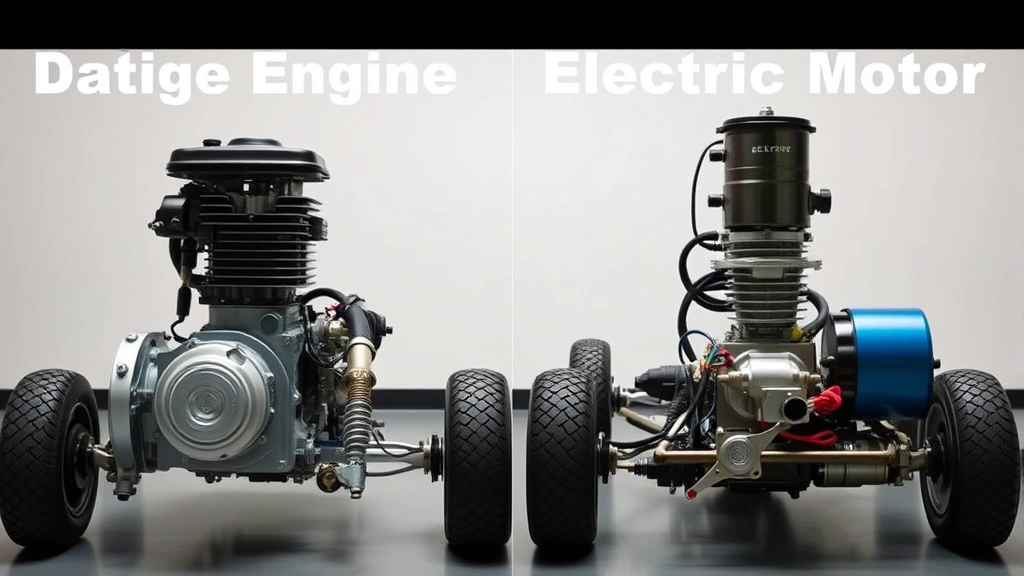
Electric go-karts have emerged as a compelling alternative, offering substantial environmental advantages over gasoline-powered models. Modern lithium-ion battery technology provides sufficient power and range for recreational racing while eliminating direct emissions entirely. When charged using renewable energy sources, electric go-karts achieve near-zero operational carbon footprints.
The comparison between gas and electric models reveals striking differences. Electric go-karts produce zero tailpipe emissions, no noise pollution, and require minimal maintenance compared to their gasoline counterparts. Battery production does carry environmental costs, but these are offset within 1-3 years of typical operation. Furthermore, battery recycling programs are improving, with recovery rates now exceeding 90% for lithium-ion cells.
Hybrid go-karts represent a transitional technology, combining small gasoline engines with electric motors to optimize efficiency. These systems use the combustion engine primarily for high-demand situations while relying on electric motors for cruising, reducing overall fuel consumption by 30-50%. However, hybrids remain a compromise solution rather than a genuine long-term sustainability strategy.
The advantages of electric vehicles extend well beyond environmental benefits. Lower operating costs, reduced maintenance requirements, superior performance characteristics, and decreased noise levels make electric go-karts increasingly attractive to facility operators. The initial capital investment remains higher, but lifecycle economics increasingly favor electric models as battery costs continue declining.
Conversion kits allow existing gas go-karts to transition to electric power, offering a practical path for facilities seeking to improve sustainability without complete fleet replacement. These retrofits typically cost $2,000-$5,000 per vehicle but extend the useful life of existing infrastructure while dramatically reducing environmental impact.
Sustainable Modifications and Best Practices
For facilities unable to immediately transition to electric power, several modifications can significantly reduce the environmental impact of gas go-karts. Engine tuning and maintenance optimization represent the most accessible improvements, as poorly maintained engines produce substantially higher emissions. Regular spark plug replacement, carburetor cleaning, and fuel system maintenance can reduce emissions by 15-25%.
Implementing fuel injection systems in place of traditional carburetors improves combustion efficiency, reducing both emissions and fuel consumption. Modern fuel injectors provide precise fuel delivery, minimizing waste and improving power output simultaneously. This modification typically costs $500-$1,200 per kart but delivers both environmental and performance benefits.
Catalytic converters, standard equipment on automobiles, remain rare on go-karts despite their proven effectiveness. Installing aftermarket catalytic converters on go-kart engines reduces harmful emissions by 50-70%. While not perfect solutions, they represent practical interim improvements for gas-powered operations.
Operational practices significantly influence environmental impact. Implementing idle reduction policies, establishing regular maintenance schedules, and training operators on efficient driving techniques can collectively reduce emissions by 20-30%. Facilities should consider how to reduce your environmental footprint at an organizational level, extending sustainability principles beyond individual vehicles.
Fuel selection matters more than many realize. Ethanol-blended fuels (E10) reduce carbon emissions by approximately 3-5% compared to pure gasoline. However, higher ethanol concentrations can cause engine compatibility issues in small engines. Selecting appropriate fuel blends requires balancing environmental benefits against operational reliability.
Facility-level improvements include installing refueling stations with vapor recovery systems, preventing volatile organic compound emissions during fuel transfer. Solar-powered charging stations for electric karts and LED lighting throughout facilities further enhance sustainability credentials. Water-based cleaning systems replace petroleum solvents, reducing toxic chemical releases into the environment.
Future Technologies and Innovations
The future of go-kart racing increasingly points toward renewable energy solutions and advanced technologies. Green technology innovations transforming our future include solid-state batteries offering superior energy density and safety characteristics compared to current lithium-ion technology. These batteries could eventually power go-karts for entire days on single charges, revolutionizing recreational racing.
Hydrogen fuel cell technology represents another emerging possibility. Hydrogen-powered go-karts produce only water vapor as emissions, offering genuine zero-emission performance without battery limitations. While hydrogen infrastructure remains underdeveloped, pilot programs at racing facilities demonstrate technological feasibility. As hydrogen production increasingly relies on renewable electricity, this technology could become genuinely sustainable within 10-15 years.
Biofuel alternatives, including advanced biodiesels and synthetic fuels derived from renewable sources, offer intermediate solutions. Second-generation biofuels produced from agricultural waste and algae can reduce lifecycle carbon emissions by 50-80% compared to conventional gasoline. Some progressive facilities are experimenting with biofuel blends as transitional strategies.
Regenerative braking systems, common in electric vehicles, are now appearing in advanced electric go-karts. These systems capture energy during deceleration, converting it back into battery charge and extending range by 15-20%. Combined with lightweight composite materials and aerodynamic improvements, next-generation electric go-karts will deliver superior performance with minimal environmental impact.
Artificial intelligence and IoT sensors enable real-time emissions monitoring and optimization. Smart go-kart fleets automatically adjust power output, maintenance schedules, and operational parameters based on environmental conditions, maximizing efficiency while minimizing waste. These technologies represent the cutting edge of sustainable recreational vehicle development.
Making Your Go-Kart Facility Greener
Facility operators seeking to enhance sustainability should develop comprehensive environmental strategies extending beyond vehicle modifications. A holistic approach addresses energy consumption, waste management, water usage, and community impact simultaneously.
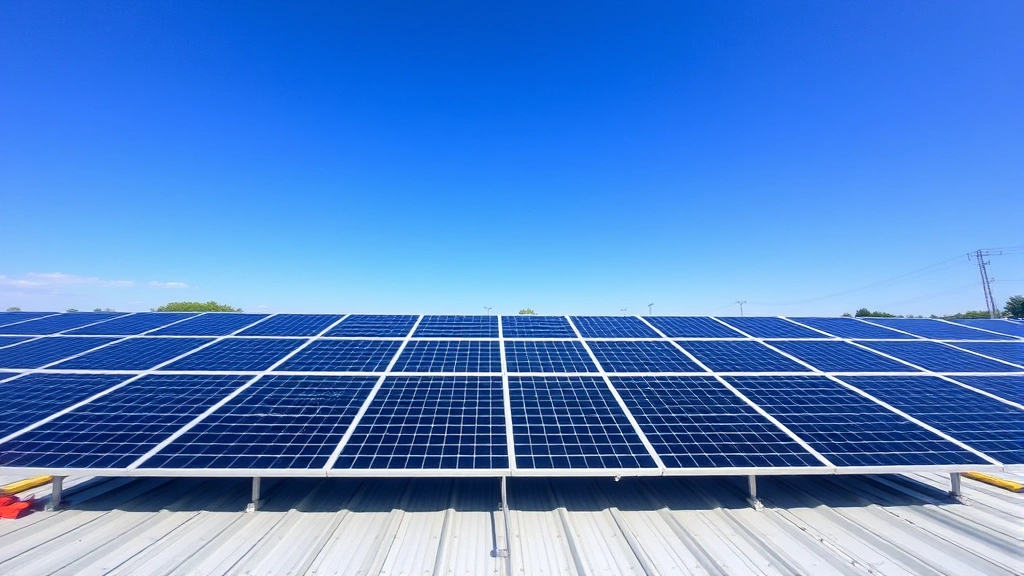
Transitioning to renewable energy powers facility operations and electric go-kart charging infrastructure. Solar installations on facility roofs and parking areas generate substantial electricity while reducing grid demand and operating costs. Many facilities achieve complete energy independence through solar combined with battery storage systems. The National Renewable Energy Laboratory provides resources for calculating solar feasibility specific to your location.
Waste reduction programs should target all facility operations. Recycling programs for used oil, batteries, and tires prevent environmental contamination while recovering valuable materials. Used go-kart batteries can be repurposed for stationary energy storage applications, extending their useful life and reducing landfill waste. Tire recycling partnerships convert worn tires into playground surfaces, road materials, and other products.
Water conservation measures include rainwater harvesting for facility cleaning and landscape irrigation. High-efficiency cleaning systems reduce both water consumption and chemical usage. Some progressive facilities have achieved water-neutral operations through comprehensive conservation and recycling strategies.
Community engagement enhances sustainability credentials while building customer loyalty. Educational programs explaining the environmental benefits of electric go-karts encourage customer participation in sustainability initiatives. Carbon offset programs allow customers to neutralize their recreational activities’ environmental impact through verified offset projects.
Certification programs provide third-party validation of sustainability efforts. GreenBiz certification programs recognize facilities meeting established environmental standards. These certifications enhance marketing appeal while providing accountability frameworks for continuous environmental improvement.
Supply chain sustainability extends environmental responsibility beyond facility boundaries. Sourcing parts from suppliers using renewable energy, implementing sustainable manufacturing practices, and selecting environmentally responsible transportation providers amplifies positive impact throughout operations.
Staff training ensures sustainability commitments translate into consistent practice. Employees should understand the facility’s environmental goals, receive training on sustainable operational procedures, and participate in continuous improvement initiatives. Incentive programs rewarding staff contributions to sustainability goals enhance engagement and effectiveness.
FAQ
Are gas go-karts truly environmentally friendly?
Traditional gas go-karts are not environmentally friendly. They produce substantial emissions, consume non-renewable fossil fuels, and generate noise pollution. However, with appropriate modifications—including catalytic converters, fuel injection systems, and regular maintenance—their environmental impact can be reduced by 20-40%. Electric alternatives offer genuinely sustainable options.
How do electric go-karts compare environmentally to gas models?
Electric go-karts eliminate direct emissions, produce no noise pollution, and require minimal maintenance. When charged with renewable energy, they achieve near-zero operational carbon footprints. While battery production carries environmental costs, these are offset within 1-3 years of operation. Lifecycle environmental impact of electric models is typically 60-80% lower than gas equivalents.
What’s the cost difference between converting to electric go-karts?
Electric go-karts typically cost 20-40% more than comparable gas models. However, lower operating costs (electricity versus fuel), reduced maintenance expenses, and extended equipment lifespan offset higher initial investments within 3-5 years. Conversion kits for existing karts cost $2,000-$5,000 per vehicle, offering a cost-effective transition path.
Can existing gas go-kart facilities transition to sustainable operations?
Yes. Facilities can implement modifications like catalytic converters and fuel injection systems, establish maintenance protocols reducing emissions, optimize operational practices, and gradually transition to electric models. Renewable energy installations and comprehensive waste management programs enhance overall sustainability. This phased approach allows facilities to improve environmental performance while managing capital constraints.
What regulations govern go-kart emissions?
EPA regulations establish emissions standards for small spark-ignition engines, though enforcement varies by jurisdiction. Many states and municipalities lack specific go-kart emissions regulations, creating opportunities for voluntary environmental leadership. Facilities should check local air quality standards and consider exceeding minimum requirements.
Are hydrogen-powered go-karts viable alternatives?
Hydrogen fuel cells represent promising future technology, producing only water vapor as emissions. However, hydrogen infrastructure remains limited, and production methods vary in environmental impact. Currently, pilot programs demonstrate feasibility, but widespread adoption requires 10-15 years of development. Electric solutions offer more immediately practical alternatives.
How can facility operators justify sustainability investments?
Sustainability investments deliver multiple benefits beyond environmental impact: reduced operating costs through lower fuel and maintenance expenses, enhanced customer appeal attracting environmentally conscious consumers, marketing advantages differentiating facilities from competitors, and potential eligibility for green business incentives and certifications. Lifecycle economic analysis typically demonstrates positive financial returns within 3-7 years.


