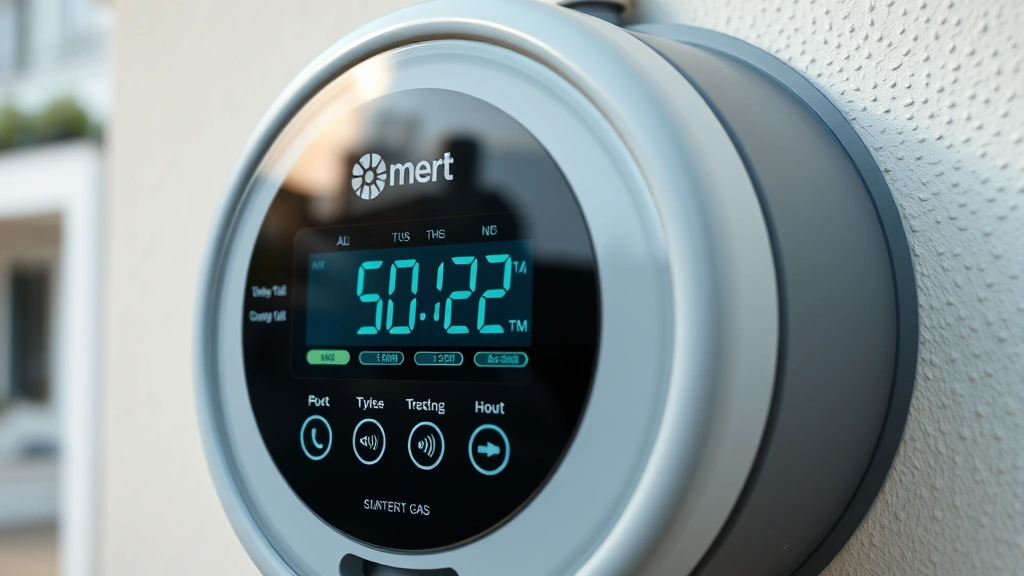
Gas Meters: Are Smart Meters Efficient? A Comprehensive Analysis
Smart gas meters represent one of the most significant technological advances in residential energy management over the past decade. These intelligent devices replace traditional analog meters, offering real-time consumption data and automated readings that promise to revolutionize how households monitor and manage their natural gas usage. But beneath the promise of convenience and efficiency lies a complex question: are smart gas meters truly efficient, or do they simply shift the burden of energy awareness to consumers without delivering meaningful environmental or financial benefits?
The transition to smart metering infrastructure is accelerating globally, with utilities deploying millions of these devices to modernize aging infrastructure and improve operational efficiency. However, the efficiency narrative surrounding smart gas meters extends far beyond simple consumption tracking. It encompasses the environmental impact of manufacturing and deploying these devices, the energy required to operate them, the behavioral changes they inspire in users, and their role within broader sustainable energy solutions frameworks. Understanding these multifaceted dimensions is essential for consumers, policymakers, and environmental advocates seeking to evaluate whether this technology truly contributes to a more sustainable energy future.
How Smart Gas Meters Work
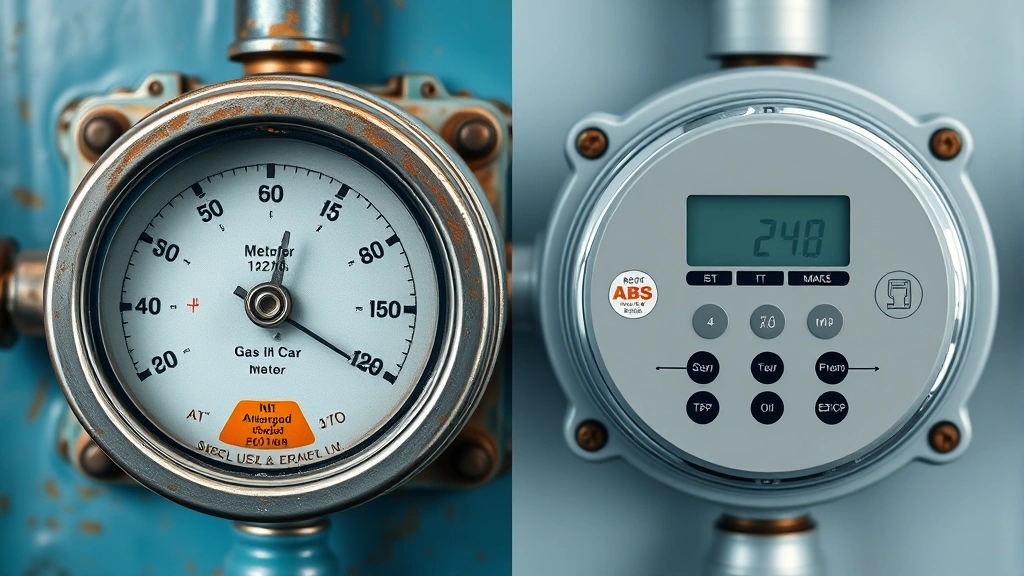
Traditional gas meters operate on mechanical principles that have remained largely unchanged for over a century. They feature rotating dials that measure the volume of gas flowing through the meter, requiring manual readings by utility workers who visit each property periodically. Smart gas meters, by contrast, employ digital sensors and communication technologies to automatically detect consumption, process data, and transmit information wirelessly to utility companies and homeowners.
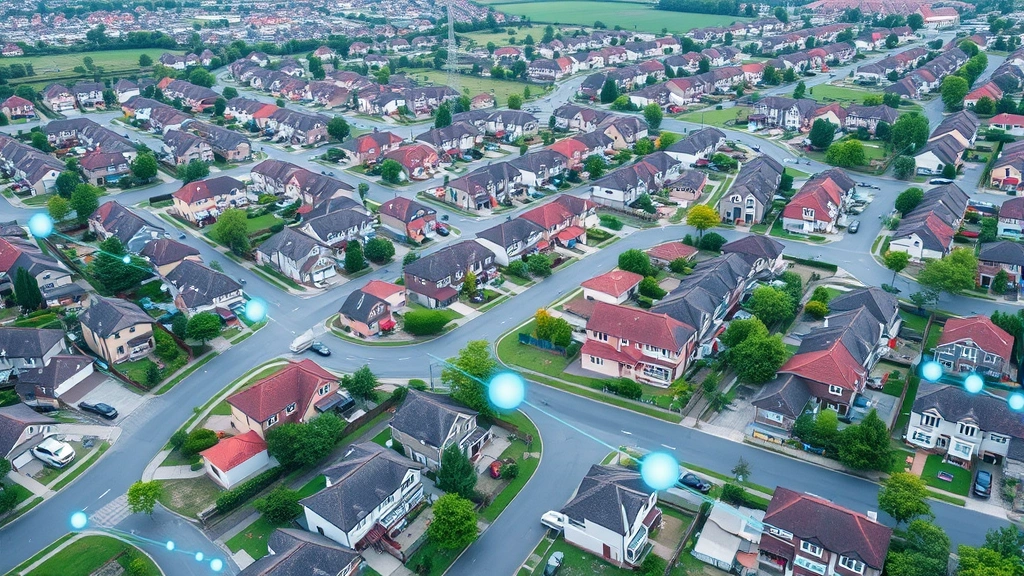
These advanced meters contain microprocessors, memory storage, and wireless communication modules—typically operating on radio frequency or cellular networks. When you consume natural gas for heating, cooking, or hot water, the meter instantly records the volume and calculates the energy equivalent. This data is then transmitted in intervals (often hourly or daily) to your utility provider and, increasingly, directly to consumer applications on smartphones or web portals. The granularity of this data represents a fundamental shift from the monthly snapshots provided by traditional meters to near-real-time consumption visibility.
The technological sophistication enables features such as tamper detection, leak identification, and demand-side management capabilities. Some advanced models can detect unusual consumption patterns that might indicate a gas leak, potentially preventing dangerous situations. Others support time-of-use pricing structures where consumers pay different rates depending on when they consume gas, incentivizing usage during periods of lower demand on the grid.
Energy Efficiency Benefits and Limitations
The primary efficiency claim surrounding smart gas meters centers on behavioral change. When consumers can see detailed, real-time consumption data, research suggests they become more conscious of their energy habits and are motivated to reduce waste. Studies from various utilities and research institutions indicate that providing detailed consumption feedback can reduce natural gas usage by 1-3% on average, with some consumers achieving reductions up to 5-10% through conscious behavioral modifications.
However, these efficiency gains come with important caveats. The behavioral impact tends to diminish over time as the novelty of monitoring consumption wears off. Additionally, the potential for efficiency improvements varies significantly based on consumer engagement, household characteristics, socioeconomic factors, and climate conditions. Renters, low-income households, and those with limited control over their heating systems may see minimal benefits from consumption visibility alone.
From an operational efficiency perspective, smart meters provide utilities with valuable data for demand forecasting, network optimization, and predictive maintenance. By understanding consumption patterns across their service territory, utilities can better manage peak demand periods and allocate resources more effectively. This operational efficiency can indirectly support broader energy system efficiency by enabling better grid management and reducing the need for peak-generating capacity. Explore how these systems fit within natural gas renewable energy discussions to understand their broader energy context.
The efficiency limitations warrant careful consideration. Smart meters themselves consume electricity to operate—typically minimal amounts (a few watts continuously), but across millions of deployed devices, this creates measurable aggregate energy consumption. Furthermore, the communication infrastructure supporting smart meter networks requires energy to maintain, and the data centers processing consumption information consume substantial electricity. These operational costs must be weighed against the efficiency gains they enable.
Environmental Impact of Smart Meter Deployment
Evaluating the true environmental efficiency of smart gas meters requires examining their entire lifecycle—from manufacturing through deployment, operation, and eventual disposal. Manufacturing each meter involves extracting and processing minerals, producing electronic components, and assembling complex devices. The energy intensity of this process generates significant carbon emissions, particularly for the rare earth elements and specialized semiconductors required.
A typical smart gas meter contains aluminum, copper, plastic polymers, and various electronic components. Producing these materials is energy-intensive: aluminum production requires substantial electrical energy, copper mining and refining generates mining waste, and plastic manufacturing relies on fossil fuel feedstocks. When utilities deploy millions of meters across their service territories, the cumulative environmental cost becomes substantial. Research indicates that smart meter manufacturing generates approximately 0.5-1.5 tons of CO2 equivalent per device across its full supply chain.
The deployment phase introduces additional environmental considerations. Installing millions of meters requires transportation, labor, and infrastructure modifications. Utility workers must visit each property, requiring vehicle fuel consumption and associated emissions. However, this one-time deployment cost is typically offset by eliminating the need for monthly meter readings, reducing long-term transportation emissions from utility operations. Traditional meters require recurring visits, while smart meters enable remote readings, eventually reducing cumulative transportation impacts.
The operational phase presents a more favorable environmental picture. Once deployed, smart meters operate continuously with minimal energy consumption. The wireless communication infrastructure, while requiring power, represents a relatively small environmental burden compared to the alternative of maintaining fleets of vehicles for manual meter readings. Over a typical smart meter lifespan of 10-15 years, the operational environmental impact becomes increasingly favorable as the initial manufacturing carbon is amortized across years of use.
End-of-life considerations remain underexplored in smart meter efficiency discussions. As the first generation of deployed smart meters reaches the end of their functional lifespan, the environmental implications of recycling or disposing of millions of electronic devices become increasingly relevant. Many components are recyclable, but current recycling infrastructure for smart meters remains underdeveloped in many regions, risking significant environmental impacts from improper disposal.
Cost Savings and Consumer Financial Benefits
Beyond environmental considerations, consumers evaluate smart meters primarily through a financial lens. The direct cost savings from reduced consumption—those 1-3% behavioral reductions—translate to modest utility bill decreases. For an average household spending $1,200 annually on natural gas, a 2% reduction yields savings of approximately $24 per year. These savings accumulate over the meter’s lifetime but represent relatively modest financial incentives for behavior change.
More substantial financial benefits emerge from time-of-use pricing programs that smart meters enable. By charging different rates during peak and off-peak periods, utilities incentivize consumers to shift flexible consumption to cheaper times. Households that heat water, run dishwashers, or operate dryers during off-peak hours can achieve 10-15% reductions in natural gas costs. However, these benefits require both smart meter infrastructure and active consumer participation in rate programs—not all utilities offer such pricing structures.
The financial case for utilities investing in smart meter infrastructure is more straightforward. Eliminating manual meter reading reduces operational costs substantially. A utility might spend $50-100 annually per customer for meter reading labor, vehicle maintenance, and coordination. Smart meters reduce these costs to near-zero for routine operations, creating significant utility-side savings that typically exceed deployment costs within 7-10 years. Some utilities pass these savings to consumers through lower rates; others retain them as increased profits.
Consumers must also consider whether they’ll realize benefits from detailed consumption data. Households that actively monitor their usage and make adjustments will see greater financial returns than passive users. This creates an equity concern: affluent, tech-savvy households with time and resources to engage with smart meter data systems may benefit disproportionately, while others see minimal financial advantage. Check our guide on how to reduce your environmental footprint for actionable strategies that complement smart meter adoption.
Data Privacy and Security Concerns
Smart meters transmit intimate details about household energy consumption patterns, creating privacy considerations largely absent with traditional meters. Consumption data can reveal when residents are home, sleeping, away, or running specific appliances. This information, if breached or misused, enables targeted burglary, stalking, or marketing manipulation. Privacy advocates have documented numerous instances where detailed consumption data revealed sensitive household information.
Security vulnerabilities in smart meter networks present additional risks. These devices communicate wirelessly using protocols that, in some cases, lack robust encryption or authentication mechanisms. Researchers have demonstrated the ability to remotely manipulate meter readings, potentially enabling energy theft or creating false usage records. As critical infrastructure components, compromised smart meters could enable broader attacks on electrical or gas distribution systems.
Regulatory frameworks governing smart meter data privacy remain inconsistent across jurisdictions. Some regions implement strict data protection requirements; others rely on utility discretion. The potential for utilities to sell or share consumption data with third parties raises ethical concerns about monetizing consumer information. Consumers typically have limited visibility into how their data is used, processed, retained, or protected.
Mitigating these concerns requires implementing robust encryption, establishing clear data governance policies, providing consumers with transparency and control over their information, and developing security standards that utilities must meet. However, retrofitting security into deployed meters presents technical and financial challenges, leaving many existing installations vulnerable to potential breaches.
Comparing Smart Meters to Traditional Alternatives
Understanding smart meter efficiency requires comparing them to realistic alternatives rather than assuming traditional meters represent the only option. Traditional mechanical meters provide no consumption feedback, making behavioral efficiency improvements impossible. However, they also lack security vulnerabilities, require minimal manufacturing resources, and eliminate privacy concerns associated with consumption data transmission.
Interval meters represent a middle ground—they record consumption at hourly intervals but use local storage rather than wireless transmission. Consumers access data through in-home displays or by retrieving physical data cards. This approach captures many smart meter benefits while reducing wireless security and privacy risks. However, interval meters still require periodic data collection, preventing real-time consumption feedback.
Advanced metering infrastructure (AMI) systems extend beyond simple gas meters to integrate electricity, water, and other utilities into comprehensive monitoring networks. This integration enables sophisticated demand management, renewable energy integration, and system-wide optimization impossible with isolated gas meters. When evaluated as part of broader green technology innovations transforming our future, smart meters serve as critical components of intelligent energy systems.
For consumers seeking efficiency improvements without smart meter adoption, behavioral alternatives exist: manual consumption tracking, energy audits identifying inefficiencies, equipment upgrades (efficient furnaces, insulation improvements), and conscious usage reduction. These approaches often deliver greater efficiency gains than smart meter feedback alone, though they require active engagement and upfront investment.
The Role of Smart Meters in Reducing Carbon Footprint
Smart gas meters contribute to carbon footprint reduction primarily through three mechanisms: enabling behavioral efficiency improvements, supporting utility-level demand management, and facilitating integration of renewable energy sources and alternative heating technologies.
The behavioral pathway proves modest but meaningful. Those 1-3% consumption reductions, aggregated across millions of households, prevent significant carbon emissions. Natural gas combustion produces approximately 5.3 pounds of CO2 per therm consumed. A 2% reduction across 50 million households consuming 60 therms annually prevents roughly 31.8 million metric tons of CO2 emissions annually—equivalent to removing 6.8 million cars from roads for a year. While these numbers are substantial, they represent only a fraction of total household heating-related emissions and require sustained consumer engagement to maintain.
From a utility operations perspective, smart meters enable dynamic pricing and demand response programs that shift consumption away from peak periods powered by less-efficient generating facilities. By flattening demand curves, utilities can operate more efficiently, potentially reducing overall system emissions even if individual consumer usage remains unchanged. This systemic efficiency benefit, though difficult to quantify precisely, potentially exceeds behavioral savings.
Looking forward, smart meters serve as foundational infrastructure for decarbonized heating systems. As utilities transition from fossil fuel heating to heat pumps powered by renewable electricity, smart meter data becomes essential for managing demand and ensuring grid stability. Smart meters enable the sophisticated demand management necessary for high renewable penetration scenarios, making them critical components of decarbonization pathways. Understanding natural gas’s role in this transition requires examining whether natural gas is renewable and how it fits into future energy systems.
However, smart meters alone do not reduce carbon footprints. They are enabling technologies that must be coupled with renewable energy deployment, building efficiency improvements, electrification of heating, and behavioral change initiatives. Viewing smart meters as standalone climate solutions risks diverting resources from more impactful interventions. Their true value emerges when integrated into comprehensive decarbonization strategies.
FAQ
Do smart gas meters actually save money?
Smart meters can save money through 1-3% behavioral reductions in consumption and participation in time-of-use pricing programs. However, savings are typically modest ($20-50 annually for consumption reductions) unless consumers actively engage with detailed usage data and participate in utility rate programs. Time-of-use pricing can yield 10-15% savings for households that shift flexible consumption to off-peak periods.
Are smart meters safe?
Smart meters operate safely under normal conditions, transmitting radio signals at levels considered safe by regulatory agencies. However, security vulnerabilities in some meter networks could theoretically enable unauthorized access or manipulation. Privacy risks are more significant than physical safety risks, as detailed consumption data could reveal household patterns to malicious actors.
Can I refuse a smart meter installation?
Policies vary by utility and jurisdiction. Some utilities mandate smart meter adoption for all customers, while others permit opt-outs (sometimes with additional fees). Requesting an opt-out or delay is often possible, though long-term refusal may not be available. Check with your local utility regarding specific policies and opt-out procedures.
How much electricity do smart meters consume?
Smart gas meters typically consume 2-5 watts continuously, equivalent to 17-44 kilowatt-hours annually per meter. This consumption is minimal compared to overall household electricity use but represents measurable aggregate energy consumption across millions of deployed devices. The wireless communication infrastructure requires additional energy, though utilities bear these costs rather than individual consumers.
What happens to old meters when smart meters are installed?
Removed traditional meters are typically recycled or disposed of according to utility procedures. Metal components (brass, copper, aluminum) are usually recovered for recycling, while other materials may be landfilled. Recycling rates vary by utility and region, with some utilities implementing comprehensive programs while others rely on standard waste management.
Do smart meters work during power outages?
Most smart gas meters continue functioning during electrical outages because they measure gas flow mechanically and store data locally. However, wireless data transmission may be interrupted if the utility’s communication infrastructure loses power. Consumption is still recorded; it simply isn’t transmitted until power is restored.
Can smart meters detect gas leaks?
Advanced smart meters can identify sudden, unusual consumption spikes that might indicate leaks, alerting utilities or consumers. However, they cannot pinpoint leak locations and are not substitutes for professional leak detection. If you suspect a gas leak, contact your utility immediately rather than relying on smart meter data.


