
Gas Pool Heaters: Are They Eco-Friendly? Expert Insight
Pool ownership brings joy and recreation, but it also comes with significant energy considerations. When you’re deciding how to heat your swimming pool, the choice between gas and alternative heating methods directly impacts your environmental footprint and operating costs. Gas pool heaters have long been the industry standard, offering quick heating and reliable performance, yet their ecological implications deserve careful examination. Understanding the sustainability profile of gas pool heaters helps homeowners make informed decisions that align with both their comfort needs and environmental values.
The question of whether gas pool heaters are truly eco-friendly isn’t straightforward. These systems burn natural gas to generate heat, which inherently produces carbon emissions and contributes to climate change. However, the full picture involves comparing them to other heating options, understanding efficiency ratings, and exploring ways to minimize their environmental impact. This comprehensive guide examines the environmental credentials of gas pool heaters, explores how they stack up against alternatives, and provides actionable strategies for reducing your pool heating footprint.
How Gas Pool Heaters Work and Their Environmental Impact
Gas pool heaters operate by combusting natural gas to heat water directly. The system draws pool water through a heat exchanger where it contacts hot gases produced by burning fuel. This straightforward mechanism makes gas heaters efficient at converting fuel energy into heat, achieving typical efficiency ratings between 80-90%. However, this combustion process is the core environmental concern: burning fossil fuels releases carbon dioxide and other greenhouse gases into the atmosphere, contributing to global warming.
The environmental impact begins at the source. Natural gas extraction, processing, and transportation all consume energy and can result in methane leaks. Methane, a potent greenhouse gas approximately 80 times more effective at trapping heat than carbon dioxide over a 20-year period, represents a significant climate concern. When you operate a gas pool heater, you’re participating in this entire supply chain’s environmental burden. A typical residential gas pool heater can burn 10,000-15,000 cubic feet of natural gas annually, depending on usage patterns, climate, and pool size.
Beyond greenhouse gases, gas combustion produces nitrogen oxides and other air pollutants that contribute to ground-level ozone formation and respiratory health issues. While modern heaters include emission controls, they don’t eliminate these pollutants entirely. For environmentally conscious homeowners, these realities make gas pool heaters a less sustainable choice compared to sustainable energy solutions that harness renewable resources.
Carbon Emissions and Climate Considerations
Quantifying the carbon footprint of gas pool heating provides perspective on its climate impact. A typical residential gas pool heater produces approximately 5-8 metric tons of CO2 equivalent annually. To contextualize this figure, the average American’s total annual carbon footprint is around 16 metric tons, meaning pool heating alone can represent 30-50% of some households’ environmental impact. This substantial contribution makes pool heating decisions particularly important for climate-conscious homeowners.
The seasonal nature of pool heating in many regions means emissions concentrate during warmer months when pools are used most frequently. In colder climates where pools operate year-round, emissions persist throughout the year. Climate change amplifies this concern—as global temperatures rise, maintaining comfortable pool temperatures requires more energy, creating a feedback loop that worsens environmental impact. The EPA and climate research organizations increasingly emphasize the need to transition away from fossil fuel-based heating systems to meet climate goals.
When comparing to other home energy uses, pool heating often consumes 5-10% of household energy in homes with pools. This makes it a significant target for efficiency improvements and electrification. Homeowners considering pool heating should evaluate their how to save energy at home strategies with pool heating as a priority area.
Efficiency Ratings and Performance Metrics
Gas pool heater efficiency is measured by Annual Fuel Utilization Efficiency (AFUE), indicating what percentage of fuel energy converts to pool heating. Modern units typically achieve 80-90% AFUE, meaning 10-20% of fuel energy escapes as waste heat. While this represents reasonable efficiency for combustion appliances, it pales compared to heat pump systems that achieve 300-500% efficiency by moving existing heat rather than creating it through combustion.
Heater size significantly impacts efficiency and environmental performance. Oversized heaters cycle on and off frequently, reducing efficiency and increasing wear. Conversely, undersized heaters run continuously, consuming excess fuel. Professional sizing ensures your heater matches your pool’s specific needs based on surface area, climate, desired temperature, and usage patterns. This matching process can improve real-world efficiency by 10-15%.
Thermal efficiency alone doesn’t tell the complete sustainability story. System design, installation quality, and maintenance practices all affect actual performance. A well-maintained gas heater with proper insulation and cover use outperforms a neglected system significantly. Regular filter cleaning, annual inspections, and prompt repairs preserve efficiency and extend equipment lifespan, reducing replacement waste.
Comparing Gas Heaters to Alternative Pool Heating Solutions
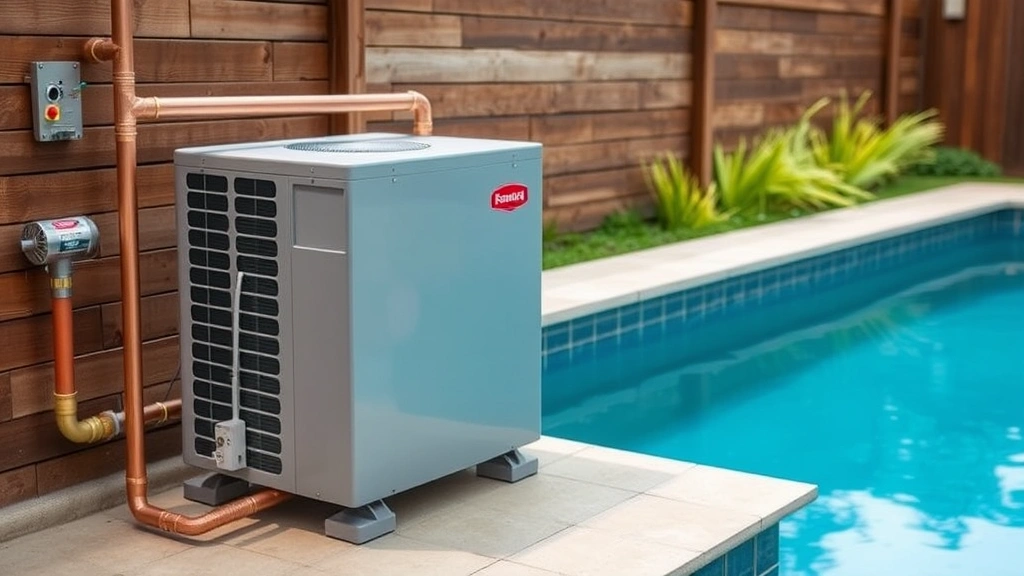
The sustainability question becomes clearer when comparing gas heaters to available alternatives. Heat pump pool heaters represent the most eco-friendly option, using electricity to move heat from surrounding air or ground into pool water. These systems achieve 3-5 times greater efficiency than gas heaters and, when powered by renewable electricity from solar panels or green energy plans, produce zero direct emissions. Heat pumps cost more upfront but save substantially on operating costs over their 10-15 year lifespan.
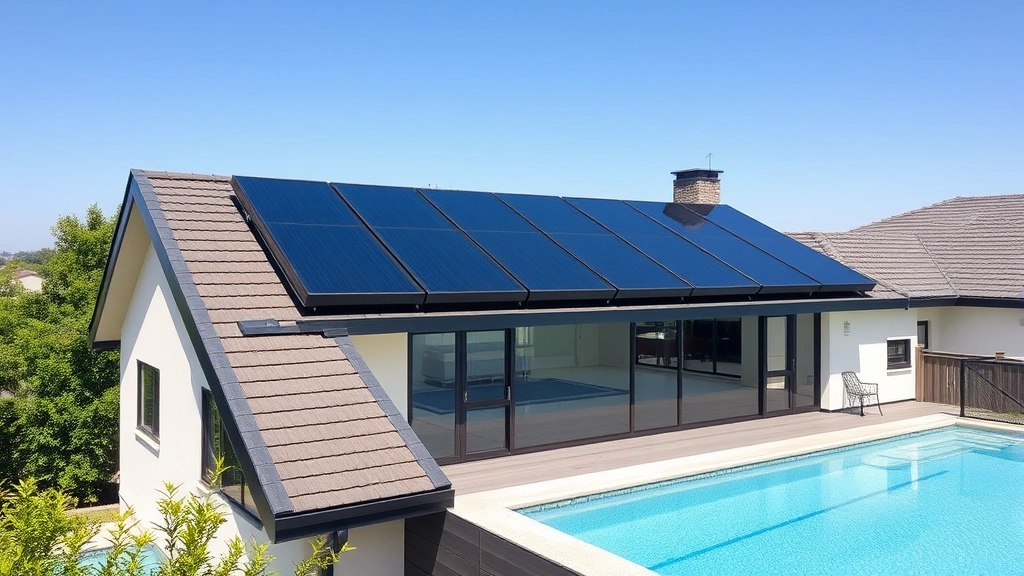
Solar pool heating harnesses free renewable energy from the sun, making it extraordinarily sustainable. Solar collectors absorb sunlight and transfer heat directly to pool water, typically achieving 50-80% efficiency. The main limitation is climate dependency—solar heating works best in sunny regions and provides limited performance during cloudy seasons or winter months. Many homeowners combine solar heating with a backup heat pump or gas system for year-round comfort.
Electric resistance heaters, while simple and affordable, offer poor efficiency and create high electricity demand. They’re best reserved for temporary or small pool applications. Propane heaters perform similarly to natural gas heaters with slightly higher emissions due to propane’s energy density differences.
The comparison clearly favors green technology innovations like heat pumps and solar systems over gas heaters. However, installation costs, regional electricity grids, and existing infrastructure sometimes make gas heaters the most practical immediate choice, with plans for future upgrades to cleaner systems.
Cost-Benefit Analysis for Pool Owners
While gas heaters rank lower on sustainability, they offer compelling economic advantages that explain their popularity. Initial installation costs range from $2,500-$4,500, significantly less than heat pump systems ($4,000-$8,000) or solar installations ($3,000-$6,000 per array). For budget-conscious homeowners, this lower barrier to entry proves decisive.
Operating costs tell a different story. Gas heaters cost $300-$800 annually to operate, depending on local gas prices and usage. Heat pumps cost $200-$400 annually, and solar systems essentially cost nothing after installation. Over a 10-year period, heat pump systems recover their higher upfront investment through lower operating costs while simultaneously providing superior environmental performance.
Natural gas price volatility adds financial uncertainty to gas heater ownership. As energy markets fluctuate and climate policies potentially increase fossil fuel costs, operating expenses for gas heaters may rise unpredictably. Renewable and electric heating systems offer price stability through electricity rates, which are increasingly driven by renewable energy sources. This financial predictability provides long-term value beyond environmental considerations.
Rebate and incentive programs increasingly favor heat pumps and solar systems over gas heaters. Federal tax credits, state rebates, and utility incentives can reduce the net cost of upgrading to sustainable sustainable energy solutions by 30-50%. These programs recognize the climate imperative to transition away from fossil fuels and make renewable alternatives increasingly affordable.
Strategies to Reduce Gas Pool Heater Environmental Impact
For homeowners committed to keeping their current gas pool heaters, several strategies minimize environmental impact while improving efficiency. Pool covers represent the single most effective intervention—they reduce heat loss by 50-80%, meaning your heater doesn’t need to run as long or as frequently. Insulating covers are particularly effective, reflecting heat back into the pool while preventing evaporation.
Lowering thermostat settings by just 2-4 degrees Fahrenheit reduces fuel consumption by 10-15% without significantly compromising comfort. Many swimmers adjust quickly to slightly cooler temperatures, especially when paired with increased activity. Scheduling heating during off-peak hours (if on time-of-use electricity rates) or during naturally warmer times of day optimizes energy use.
Regular maintenance preserves efficiency and prevents the need for premature replacement. Annual professional inspections identify worn components, leaks, or efficiency losses before they worsen. Cleaning or replacing filters monthly maintains proper water flow and heat transfer. Insulating exposed pipes reduces heat loss during circulation. These maintenance tasks cost $150-$300 annually but extend heater lifespan by 3-5 years and maintain peak performance.
Installing a pool timer ensures your heater runs only when necessary rather than continuously. Many pools don’t require 24-hour heating, and running the heater during cooler nighttime hours proves inefficient. Smart controllers can adjust heating based on weather forecasts, automatically reducing heating on warm days and increasing it during cold snaps.
Upgrading to a high-efficiency gas heater, while still fossil fuel-based, improves your environmental profile compared to older models. Modern condensing gas heaters capture waste heat from exhaust gases, achieving 90%+ efficiency. The transition from a 20-year-old heater to a new model can reduce fuel consumption by 20-30%, offsetting some environmental concerns while maintaining your current infrastructure.
Future of Pool Heating Technology
The future of pool heating clearly points toward electrification and renewable energy integration. Heat pump technology continues improving, with emerging cold-climate models maintaining efficiency even in freezing temperatures. Hybrid systems combining gas heaters with solar panels or heat pumps allow gradual transitions from fossil fuels while maintaining reliability during extreme conditions.
Artificial intelligence and smart home integration are revolutionizing pool heating efficiency. AI-powered systems learn your usage patterns, weather forecasts, and energy prices to optimize heating schedules automatically. These systems can reduce energy consumption by 20-40% compared to traditional fixed-schedule heating.
Innovations in thermal storage allow pools to store excess heat during peak solar production for use during nighttime or cloudy periods. This technology enables fully renewable pool heating even in variable climates. Emerging materials for pool covers and insulation are becoming increasingly effective at minimizing heat loss without environmental trade-offs.
Regulatory trends increasingly pressure pool heating toward sustainability. California and other progressive regions already restrict installation of new gas pool heaters in some cases, accelerating the transition to heat pumps and solar systems. These regulations recognize that achieving climate goals requires eliminating fossil fuel use across all sectors, including pool heating. Forward-thinking homeowners should consider this regulatory trajectory when making heating decisions.
The natural gas water heater industry faces similar pressures, with manufacturers increasingly developing electric alternatives. This broader energy transition will eventually make gas pool heaters obsolete, making the choice to upgrade now a forward-looking investment rather than a stranded asset.
FAQ
Are gas pool heaters more efficient than electric heaters?
Yes, gas pool heaters (80-90% AFUE) are more efficient than electric resistance heaters (95%+ efficiency rating but consuming 3 times more energy). However, heat pump pool heaters achieve 300-500% efficiency, making them far superior to both gas and electric resistance options when the goal is minimizing energy consumption and environmental impact.
What’s the environmental cost of operating a gas pool heater for one season?
A typical gas pool heater produces 2-4 metric tons of CO2 equivalent per season (roughly 5-8 metric tons annually with year-round operation). This equals the carbon sequestered by 40-80 tree seedlings grown for 10 years, illustrating the substantial environmental footprint of gas pool heating.
Can I retrofit my gas pool heater with solar panels?
Yes, solar pool heating systems can be added to existing gas heaters as a hybrid approach. Solar collectors preheat water before it reaches the gas heater, reducing gas consumption by 30-50% during sunny periods. This retrofit strategy provides immediate environmental benefits while maintaining your existing gas heater as a backup.
How much money can I save by switching from gas to a heat pump?
Heat pump pool heaters typically reduce operating costs by 50-75% compared to gas heaters. A household spending $500 annually on gas heating might spend only $125-$250 with a heat pump. The payback period is usually 5-8 years, after which the heat pump provides 7+ additional years of operation with significantly lower costs.
Are there government incentives for upgrading pool heating systems?
Many states and utility companies offer rebates of $500-$2,000 for upgrading to heat pump or solar pool heating systems. Federal tax credits may cover 30% of installation costs for qualified renewable energy systems. Check your local utility website and Energy.gov for current incentive programs.
What size gas pool heater do I need?
Proper sizing depends on pool surface area, climate, desired temperature increase, and usage patterns. A general rule suggests 5,000-10,000 BTU per square foot of pool surface. Professional sizing ensures efficiency and prevents over- or undersizing. Undersized heaters waste energy running continuously, while oversized units cycle inefficiently.


