Gas Range Repair Tips: Expert’s Step-by-Step Guide
A malfunctioning gas range can disrupt your kitchen routine and waste valuable time. Whether you’re dealing with uneven heating, ignition problems, or burner issues, understanding how to troubleshoot and repair your appliance is essential. This comprehensive guide walks you through expert-recommended steps to diagnose and fix common gas range problems, helping you extend your appliance’s lifespan and reduce unnecessary waste.
Repairing your gas range instead of replacing it aligns with sustainable living principles. By maintaining appliances longer, you reduce electronic waste and decrease the environmental impact of manufacturing new equipment. Learning basic gas range fix techniques empowers you to make informed decisions about when professional help is needed and when DIY solutions suffice, ultimately saving money and resources.
Before attempting any repairs, prioritize safety. Gas appliances require careful handling to prevent leaks, fires, or carbon monoxide exposure. Always disconnect power, turn off the gas supply, and follow manufacturer guidelines. If you detect gas odors or are uncomfortable with any step, consult a certified technician immediately.
Safety Precautions Before Starting Repairs
Safety is paramount when working with gas appliances. Begin by turning off the gas supply at the main valve and unplugging your range from the electrical outlet. Allow the appliance to cool completely if it was recently in use. Open windows in your kitchen to ensure proper ventilation throughout the repair process.
Never use an open flame to detect gas leaks. Instead, mix equal parts dish soap and water, apply it to suspected leak areas, and watch for bubbles. If bubbles form, gas is escaping, and you must call a professional immediately. Keep a fire extinguisher rated for grease fires nearby, and never attempt repairs if you smell gas continuously.
Wear safety glasses and work gloves to protect yourself from sharp edges and debris. Document your repair process with photos to help you reassemble components correctly. Keep the manufacturer’s manual accessible, as specific instructions vary by model. Understanding your range’s unique design prevents accidental damage during repairs.
Diagnosing Common Gas Range Problems
Effective repairs begin with accurate diagnosis. The most common gas range issues include burners that won’t ignite, uneven flame distribution, weak flames, and burners that ignite but won’t stay lit. Start by observing which burners malfunction and under what conditions problems occur.
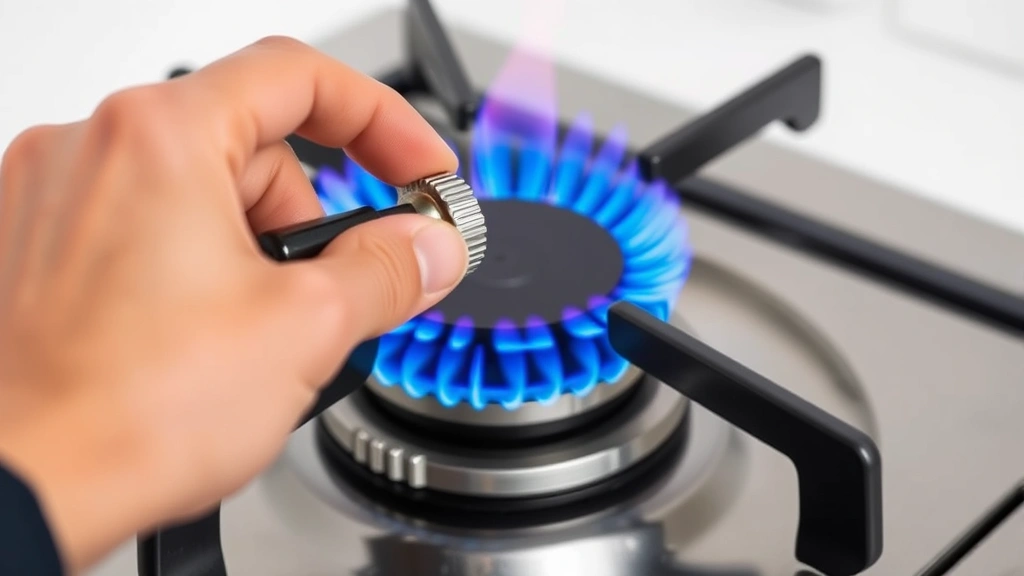
Test each burner individually by turning the knob to the highest setting. Listen for clicking sounds from the igniter and watch for spark generation. Note whether flames appear blue (normal) or yellow-orange (indicates incomplete combustion). Check if grates sit evenly and if burner caps align properly.
Examine the stovetop surface for spilled food, grease, or debris around burner areas. These materials often cause ignition failures or flame obstruction. Look for visible damage to burner caps, ports, or electrodes. Document all observations to guide your next steps and communicate clearly with professionals if needed.
Cleaning Burner Ports and Caps
Clogged burner ports represent the most common gas range issue. Food debris, grease, and mineral deposits block gas flow, preventing proper ignition or creating uneven flames. Cleaning these components often resolves problems without requiring replacement parts.
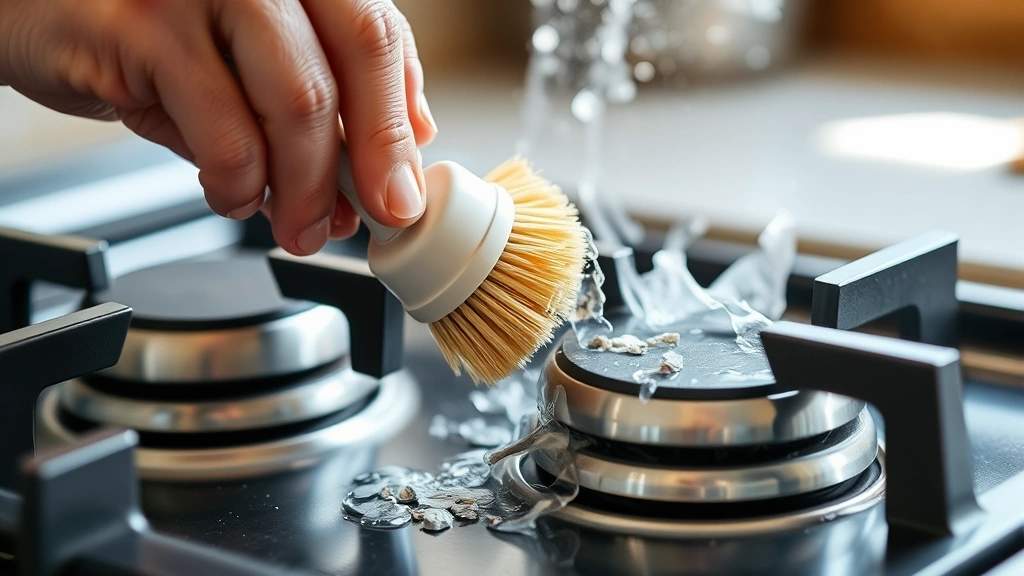
Start by removing burner grates and caps. Most caps lift straight up, while some require gentle twisting. Soak caps in hot, soapy water for 15-20 minutes to loosen stubborn debris. Use a soft brush or cloth to scrub away buildup, then rinse thoroughly with clean water and dry completely.
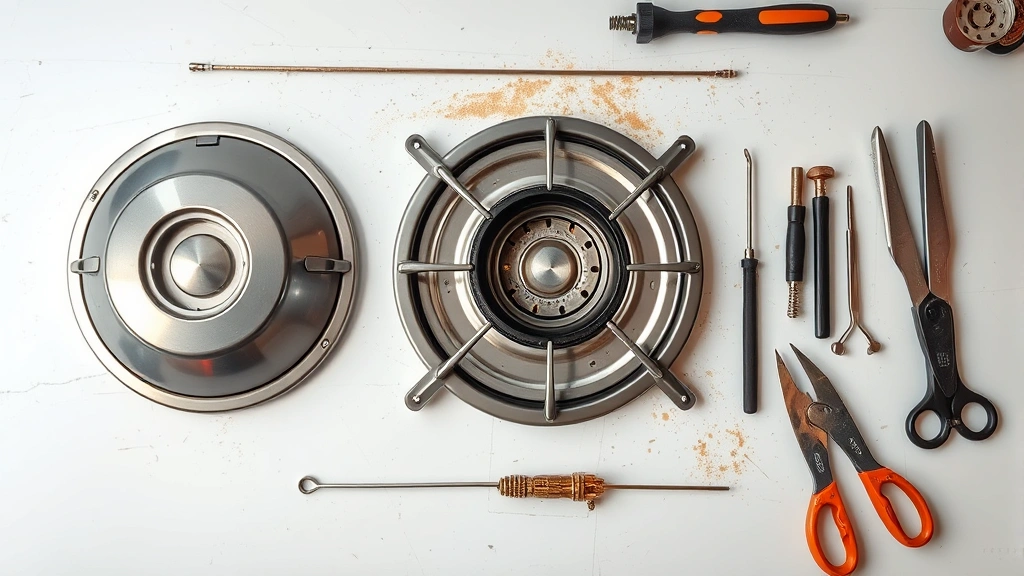
For burner ports, use a straightened paperclip or specialized burner cleaning tool to carefully clear each port opening. Insert the tool gently and move it in circular motions to dislodge blockages. Never force tools into ports, as this damages the delicate openings. Wipe away loosened debris with a damp cloth. Reinstall caps, ensuring they seat properly and align with ports.
This maintenance task should occur monthly for heavy users and quarterly for average households. Regular cleaning prevents buildup and maintains optimal burner performance. By keeping your range clean, you reduce the need for professional repairs and extend your appliance’s operational life, supporting how to reduce your environmental footprint through responsible appliance stewardship.
Fixing Ignition System Issues
Gas range igniters use electric spark or hot surface ignition systems. Spark igniters click when activated but may fail to produce flame if electrodes are dirty, damaged, or misaligned. Hot surface igniters glow red when functioning properly.
For spark igniters, locate the electrode near each burner port. Using a soft brush, gently clean the electrode tip and surrounding area. Ensure the electrode hasn’t shifted position relative to the burner cap. If the electrode is cracked or severely corroded, replacement is necessary.
Check the igniter wire connection at the back of the range. Loose or corroded connections prevent electrical current from reaching the igniter. Carefully reconnect wires and clean corroded terminals with a pencil eraser. If terminals remain heavily corroded, disconnect and clean both ends thoroughly before reconnecting.
Test ignition by turning on a burner and listening for the distinctive clicking sound. If clicking occurs without flame, the ignition system receives power but isn’t generating sufficient spark. This typically requires electrode or igniter replacement by a qualified technician. If no clicking occurs, the problem may involve the control module or wiring, necessitating professional diagnosis.
Addressing Uneven Heating Problems
Uneven flames or weak burners often result from misaligned burner caps or ports. Ensure caps sit centered on the burner base with all ports aligned. Some ranges feature adjustable air shutters that control oxygen flow to the flame. Yellow or orange flames indicate insufficient air, while proper blue flames need oxygen adjustment.
Locate the air shutter, typically a metal sleeve around the burner base. Loosen the setscrew slightly and rotate the shutter to adjust oxygen flow. Open the shutter gradually while observing the flame color. Stop when flames turn predominantly blue with small yellow tips at the base. Tighten the setscrew to secure the adjustment.
If uneven heating persists after cleaning and adjustment, the burner tube may be cracked or the gas valve may be failing. Inspect visible burner tubes for damage. If the tube is damaged, replacement is necessary. Faulty gas valves require professional replacement due to safety concerns and specialized tools needed.
Replacing Damaged Components
Some repairs require component replacement. Burner caps and grates are the easiest user-replaceable parts. Order replacement caps that match your range’s model number, available through manufacturer websites or appliance parts retailers. Installation simply involves lifting the old cap and setting the new one in place.
Burner tubes, electrodes, and igniters require more involved replacement. Start by removing grates and caps, then locate fasteners securing the component you’re replacing. Take photos before disconnecting anything to ensure proper reassembly. Remove old components carefully and install new ones in reverse order.
For gas valve or regulator replacement, consult your manufacturer’s manual for specific instructions. These components involve precise gas connections that must be absolutely secure. If you’re unfamiliar with the process or uncomfortable working with gas fittings, hire a professional. The cost of professional installation is minimal compared to the safety risks of improper gas connections.
When ordering replacement parts, choose OEM (original equipment manufacturer) components when possible. Aftermarket parts may not fit perfectly or perform reliably. Proper replacement parts maintain your range’s efficiency and safety standards, supporting sustainable energy solutions through equipment that functions optimally.
Preventive Maintenance Tips
Regular maintenance prevents many common gas range problems. Clean burner caps and ports monthly to prevent debris accumulation. Wipe the stovetop after each use to prevent food buildup around burner areas. Check that grates sit evenly and securely to prevent tipping or misalignment.
Inspect connections and fittings quarterly for corrosion or looseness. Look for water damage or rust around the base, which may indicate leaks. Test all burners monthly to ensure they ignite properly and produce blue flames. Keep your range in a well-ventilated area away from excessive moisture.
Review your manufacturer’s manual annually to understand recommended maintenance schedules specific to your model. Some ranges require professional servicing every few years. Document all repairs and maintenance activities, creating a record that helps track patterns and plan future service.
Proper maintenance extends your appliance’s lifespan significantly. By investing time in preventive care, you avoid emergency repairs and reduce the likelihood of needing replacement. This approach aligns perfectly with definition of sustainability principles that emphasize resource conservation and responsible consumption.
When to Call Professional Help
Certain situations require professional technician expertise. If you detect persistent gas odors despite having turned off the gas, evacuate immediately and call your gas company’s emergency line. Never ignore potential gas leaks, as they pose serious safety risks.
Call professionals if your range won’t ignite after cleaning and inspection, if flames appear yellow or orange despite air shutter adjustment, or if you detect gas leaks around connections. If the control module or electronic components malfunction, professional diagnosis and replacement are necessary.
Professional technicians possess specialized diagnostic equipment to identify problems you cannot see or test. They have access to safety equipment and replacement parts that may not be available to consumers. For major repairs involving gas valves, regulators, or electronic components, professional service is both safer and more reliable.
Budget for professional service calls as part of your appliance maintenance plan. Many technicians offer annual inspections that identify potential problems before they become serious. This proactive approach prevents emergency repairs and extends your range’s operational life, supporting sustainable living through responsible appliance management and SustainWise Hub Blog principles.
FAQ
How often should I clean my gas range burners?
Clean burner caps and ports monthly for regular use and quarterly if you cook less frequently. More frequent cleaning may be necessary if you cook messy foods often. Regular cleaning prevents most common ignition and flame problems.
Is it safe to repair a gas range myself?
Simple cleaning and adjustments are safe for most homeowners. However, work involving gas connections, valve replacement, or major component installation should be handled by professionals. Always prioritize safety and don’t hesitate to call experts.
Why are my gas burner flames yellow instead of blue?
Yellow flames indicate insufficient oxygen reaching the burner. Adjust the air shutter located around the burner base to increase oxygen flow. If adjustment doesn’t solve the problem, the burner tube may be damaged and require replacement.
What should I do if I smell gas?
Turn off the gas supply immediately, open windows for ventilation, and leave your home. Call your gas company’s emergency line from outside. Do not use electrical switches, phones, or create sparks. Never assume it’s a minor issue; gas leaks are serious safety hazards.
Can I replace my gas range with an electric model?
Yes, electric ranges are excellent alternatives that often provide better temperature control and safety features. Switching to electric cooking aligns with green technology innovations transforming our future, especially if your electricity comes from renewable sources. Consult a licensed electrician about installation requirements.
How much does professional gas range repair typically cost?
Service calls usually range from $100-$200, with repairs costing $150-$500 depending on parts needed. Replacement parts vary widely, from $50 for burner caps to $300+ for valves or control modules. Get quotes from multiple technicians for major repairs.
What’s the average lifespan of a gas range?
Quality gas ranges typically last 15-20 years with proper maintenance. Regular cleaning and timely repairs extend this lifespan significantly. When replacement becomes necessary, consider models with improved energy efficiency and safety features.


