Are Gas Tanks Eco-Friendly? Research Insights and Sustainable Alternatives
Gas tanks have been the backbone of transportation infrastructure for over a century, powering vehicles that connect communities and enable commerce. However, as climate change accelerates and environmental concerns intensify, critical questions emerge about whether traditional gasoline storage and consumption methods align with our planetary health goals. The reality is complex: conventional gas tanks themselves are not inherently eco-friendly, but understanding their environmental impact requires examining the entire lifecycle of fossil fuel dependence.
This comprehensive analysis explores the ecological implications of gas tanks, from production through disposal, while examining emerging technologies and sustainable alternatives that promise to reshape our energy future. Whether you’re a vehicle owner, environmental advocate, or simply curious about sustainable transportation, understanding the true environmental cost of gas tanks is essential for making informed decisions about your energy consumption and supporting systemic change.
Environmental Impact of Traditional Gas Tanks
The environmental footprint of gas tanks extends far beyond their function as simple fuel containers. Modern gasoline storage systems represent a significant component of our fossil fuel infrastructure, enabling the continued combustion of petroleum products that release greenhouse gases into the atmosphere. When we discuss whether gas tanks are eco-friendly, we must acknowledge that they facilitate a fundamentally carbon-intensive energy system.
A typical vehicle with a gas tank consumes approximately 500-800 gallons of gasoline annually, depending on driving habits and vehicle efficiency. This consumption translates to roughly 5,000-9,000 pounds of carbon dioxide emissions per vehicle per year—equivalent to the carbon sequestered by approximately 80-150 tree seedlings grown for 10 years. The aggregate impact across billions of vehicles worldwide creates a substantial barrier to climate stability.
Traditional gas tanks are typically constructed from steel or aluminum, materials requiring energy-intensive mining and processing. The production of a single vehicle tank generates significant emissions before it ever stores its first drop of fuel. Furthermore, the infrastructure supporting gas distribution—refineries, pipelines, and storage facilities—represents a massive carbon investment that perpetuates fossil fuel dependence.
Manufacturing and Production Concerns
The creation of gas tanks involves complex industrial processes with notable environmental consequences. Steel production, the primary material for most traditional tanks, ranks among the most carbon-intensive manufacturing activities globally. Producing one ton of steel generates approximately 1.9 tons of carbon dioxide, making tank manufacturing a significant upstream emission source.
When examining the full environmental footprint of vehicle components, tank production accounts for a measurable portion of a vehicle’s embodied carbon—the total emissions generated throughout manufacturing. Additionally, the protective coatings and sealants applied to gas tanks often contain volatile organic compounds (VOCs) that contribute to air pollution and ozone depletion.
Modern manufacturing facilities are increasingly implementing cleaner production methods, including:
- Electric arc furnaces that reduce energy consumption compared to traditional blast furnaces
- Scrap metal recycling programs that minimize virgin material extraction
- Closed-loop coating systems that capture and recycle VOCs
- Water-based adhesives and sealants replacing solvent-based alternatives
However, these improvements remain inconsistently applied across global manufacturing, particularly in developing nations with less stringent environmental regulations.
Emissions and Climate Contribution
The primary environmental problem with gas tanks is not the containers themselves, but what they enable: the combustion of fossil fuels. Each gallon of gasoline burned produces approximately 19.6 pounds of carbon dioxide, contributing to atmospheric greenhouse gas concentrations that have reached 419 ppm—levels unseen in human history.
Research from the U.S. Environmental Protection Agency indicates that transportation accounts for 27% of total U.S. greenhouse gas emissions, with light-duty vehicles (cars and trucks) responsible for approximately 60% of transportation emissions. Gas tanks facilitate this massive emission stream, making them instrumental in climate change despite being passive storage devices.
Beyond carbon dioxide, gasoline combustion produces additional pollutants affecting both climate and air quality:
- Nitrogen oxides (NOx)—contributing to smog and respiratory illness
- Particulate matter—causing cardiovascular and pulmonary disease
- Volatile organic compounds (VOCs)—contributing to ground-level ozone formation
- Methane leakage—escaping from fuel systems during storage and refueling
These compounds create a compound environmental burden, making gas-powered vehicles harmful across multiple environmental dimensions.
Leakage and Contamination Issues
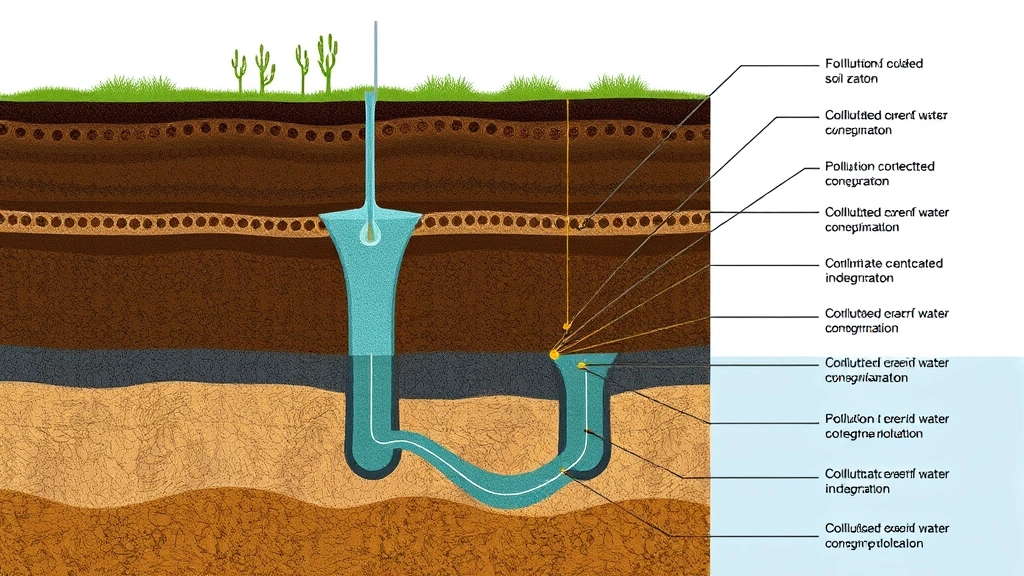
Beyond operational emissions, gas tanks present direct environmental hazards through leakage and contamination. Underground storage tanks (USTs) at fuel stations have historically been major sources of soil and groundwater pollution. The EPA estimates that leaking underground storage tanks have contaminated millions of sites across North America, requiring expensive remediation efforts.
Vehicle gas tanks, while typically above-ground, still pose contamination risks through:
- Corrosion and rust perforation allowing fuel seepage into soil
- Accident-related spills during refueling or vehicle damage
- Evaporative emissions releasing fuel vapors into the atmosphere
- Refueling overflow contaminating surrounding soil and water
Benzene, a known carcinogen present in gasoline, poses particular concern as it persists in groundwater and bioaccumulates in aquatic ecosystems. A single gallon of gasoline can contaminate up to one million gallons of drinking water, illustrating the severity of tank-related contamination risks.
Modern tanks include advanced features like:
- Sealed filler necks preventing overflow
- Activated carbon canisters capturing evaporative emissions
- Double-wall construction with leak detection systems
- Corrosion-resistant coatings extending tank lifespan
Despite these improvements, the fundamental risk profile remains concerning, particularly when considering transitioning toward sustainable energy solutions that eliminate these hazards entirely.
Lifecycle Assessment Analysis
Comprehensive lifecycle assessment (LCA) studies comparing gas tanks to alternative fuel storage systems reveal significant environmental advantages for transitioning away from fossil fuel infrastructure. When analyzing the complete lifecycle—from raw material extraction through end-of-life disposal—traditional gas tanks demonstrate substantial environmental costs.
A typical vehicle gas tank lifecycle analysis includes:
- Raw material extraction—mining iron ore and processing into steel (approximately 5-7 kg CO2e per kg of tank material)
- Manufacturing and assembly—forming, welding, and coating the tank (approximately 2-3 kg CO2e per tank)
- Transportation to vehicle assembly—shipping components globally (approximately 0.5-1 kg CO2e per tank)
- Vehicle operation—fueling and enabling 150,000+ miles of driving (approximately 50,000+ kg CO2e per vehicle over its lifetime)
- End-of-life processing—recycling steel and disposing of remaining materials (approximately 1-2 kg CO2e per tank)
The operational phase dominates lifecycle emissions, accounting for 95%+ of total environmental impact. This reality fundamentally shapes the sustainability conversation: the tank itself matters less than what it enables.
Sustainable Tank Alternatives
As transportation electrification accelerates, electric vehicles eliminate the need for gas tanks entirely, replacing them with rechargeable battery systems. Battery electric vehicles (BEVs) produce zero tailpipe emissions and reduce lifecycle emissions by 50-70% compared to gasoline vehicles, even when accounting for electricity grid carbon intensity.
For vehicles requiring liquid fuel storage, several sustainable alternatives are emerging:
Biofuel-Compatible Tanks
Tanks designed for sustainable biofuels or synthetic fuels can reduce lifecycle carbon intensity by 40-80%, depending on feedstock and production methods. Advanced biofuels derived from waste materials and algae show particular promise for carbon-neutral or carbon-negative operation.
Flexible Fuel Vehicle Systems
Vehicles capable of running on blended fuel mixtures (gasoline plus ethanol or other renewable components) represent an intermediate step toward full sustainability. Modern flex-fuel tanks accommodate higher ethanol concentrations without requiring complete vehicle redesign.
Rapid-Refill Capable Tanks
Tanks optimized for quick refueling of alternative fuels like compressed natural gas (CNG) or liquefied hydrogen reduce operational bottlenecks while maintaining infrastructure compatibility. However, these represent transitional solutions rather than long-term sustainability paths.
Hydrogen and Alternative Fuel Storage
Hydrogen fuel cell vehicles represent a promising alternative to both traditional gas tanks and battery electric vehicles, particularly for heavy-duty transportation and long-distance applications. However, hydrogen storage presents distinct engineering and environmental challenges.
Hydrogen storage systems differ fundamentally from gasoline tanks:
- High-pressure compressed hydrogen requires robust steel or composite tanks capable of withstanding 350-700 bar pressures
- Cryogenic liquid hydrogen demands insulated containers maintaining temperatures below -253°C
- Metal hydride storage offers safer alternatives but requires specialized materials and complex refueling infrastructure
The environmental viability of hydrogen depends critically on production methods. Green hydrogen produced through electrolysis powered by renewable energy offers genuine sustainability benefits. Conversely, gray hydrogen derived from natural gas reforming perpetuates fossil fuel dependence with only marginal emission reductions.
Research from the National Renewable Energy Laboratory indicates that hydrogen infrastructure development requires massive investment and coordinated policy support to achieve meaningful market penetration. Current hydrogen production remains 95% dependent on fossil fuels, limiting near-term sustainability gains.
Regulatory Standards and Improvements
Governments worldwide are implementing increasingly stringent regulations governing tank design, emissions control, and environmental safety. These standards drive continuous improvement in gas tank technology, though they cannot overcome the fundamental problem of fossil fuel combustion.
Key regulatory frameworks include:
EPA Tier 3 Standards
U.S. regulations mandate advanced evaporative emission controls, requiring tanks with improved seals and activated carbon canisters. These measures reduce volatile organic compound emissions by approximately 80% compared to pre-regulation baselines.
European Euro 6 Standards
European regulations impose strict particulate matter and nitrogen oxide limits, incentivizing fuel system innovations that reduce tailpipe emissions. However, real-world emissions often exceed regulatory test cycle values, limiting actual environmental benefits.
Fuel Tank Safety Regulations
International standards (ISO 12922, SAE J30R9) establish minimum tank durability and leak prevention requirements. These regulations have reduced contamination incidents but cannot eliminate the inherent risks of liquid fuel storage.
Despite regulatory improvements, the trajectory is clear: green technology innovations are transforming transportation toward zero-emission alternatives rather than incrementally improving fossil fuel systems.
Frequently Asked Questions
Are modern gas tanks more eco-friendly than older models?
Modern gas tanks incorporate improved evaporative emission controls, corrosion-resistant materials, and leak detection systems that reduce environmental harm compared to vehicles manufactured before 2000. However, these improvements represent marginal enhancements rather than fundamental sustainability solutions. A 2024 model gasoline vehicle still produces roughly equivalent lifetime emissions to a 2010 model when accounting for improved fuel economy, making incremental tank improvements insufficient for climate goals.
Can gas tanks be recycled sustainably?
Yes, steel gas tanks are highly recyclable, with approximately 85% of tank material recoverable as scrap steel. However, the recycling process requires energy-intensive melting and reprocessing, generating approximately 0.5-1 kg CO2e per tank recycled. While recycling reduces landfill waste and virgin material extraction, the sustainability benefit remains modest compared to eliminating gas tank dependence entirely.
What is the environmental cost of manufacturing a single gas tank?
Manufacturing a typical vehicle gas tank generates approximately 10-20 kg CO2e in emissions, accounting for steel production, forming, coating, and transportation. This represents roughly 0.1-0.2% of a vehicle’s total lifecycle emissions, with operational fuel combustion dominating environmental impact by a factor of 50:1 or greater.
How do electric vehicle batteries compare environmentally to gas tanks?
Electric vehicle batteries require significant manufacturing energy and mining impacts but eliminate tailpipe emissions and reduce operational lifecycle emissions by 50-70%. A typical EV battery system generates 30-50 kg CO2e in manufacturing but displaces 15,000+ kg CO2e in avoided gasoline combustion over the vehicle’s lifetime, creating dramatically superior environmental outcomes.
Are there eco-friendly gas tank coatings available?
Advanced water-based and powder coat technologies reduce volatile organic compound emissions during manufacturing, but coating selection has minimal impact on overall vehicle environmental performance. The fundamental problem remains fuel combustion, not tank coating chemistry, making coating improvements a minor optimization within an unsustainable system.
What percentage of vehicle emissions come from gas tank leakage versus combustion?
Direct leakage accounts for less than 5% of vehicle emissions, with combustion responsible for 95%+. Evaporative emissions (captured by modern canister systems) represent 10-15% of total emissions in older vehicles but less than 2% in modern models. This distribution underscores that tank design improvements cannot meaningfully reduce transportation’s climate impact.
How does hydrogen storage compare environmentally to gasoline tanks?
Hydrogen storage systems require robust, energy-intensive construction but eliminate combustion emissions if powered by renewable electricity. Current hydrogen production remains 95% fossil fuel-dependent, negating environmental benefits. However, as renewable energy expands, hydrogen infrastructure could eventually offer superior lifecycle performance compared to battery electric vehicles for specific applications like heavy-duty trucking.


