
Is Acetylene Gas Sustainable? Research Insights
Acetylene gas has been a cornerstone industrial chemical for over a century, powering everything from welding torches to cutting equipment and chemical synthesis. Yet as global industries pivot toward environmental sustainability, critical questions emerge about acetylene’s role in a carbon-conscious future. This comprehensive analysis examines whether acetylene gas can align with modern sustainability goals, exploring its production methods, environmental impact, and potential alternatives that industries are increasingly adopting.
The sustainability question surrounding acetylene is nuanced. While the gas itself burns cleanly compared to many fossil fuels, its production process presents significant environmental challenges. Understanding these complexities requires examining the full lifecycle of acetylene—from raw material extraction through manufacturing, distribution, and end-use applications. Industries relying on acetylene must weigh operational efficiency against environmental responsibility, a tension that’s driving innovation in both production methods and alternative technologies.
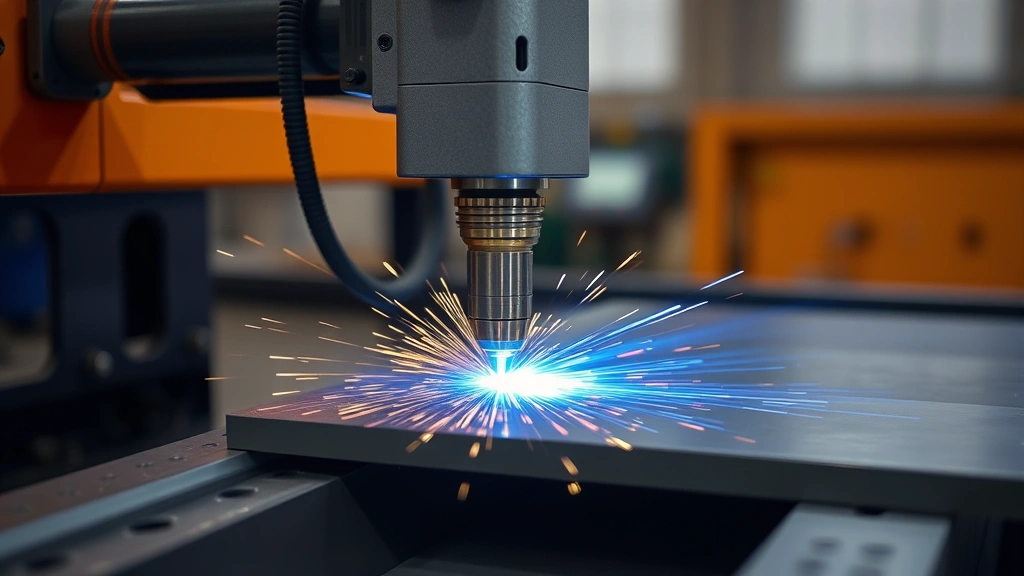
What Is Acetylene Gas and How Is It Produced?
Acetylene (C₂H₂) is a colorless, highly flammable hydrocarbon gas with unique chemical properties that make it invaluable across multiple industries. The molecule consists of two carbon atoms bonded by a triple bond, giving it exceptional reactivity and energy density. This characteristic explains why acetylene burns at approximately 3,000 degrees Celsius—significantly hotter than most alternative fuel gases—making it the preferred choice for cutting and welding applications in construction, manufacturing, and metal fabrication.
The production of acetylene occurs through three primary methods, each with distinct sustainability implications. The carbide process, historically the most common approach, involves reacting calcium carbide with water to generate acetylene gas. This method remains prevalent in developing nations due to lower initial capital investment, though it generates substantial calcium hydroxide waste. The thermal cracking process heats natural gas or crude oil derivatives at extremely high temperatures to break hydrocarbon bonds, requiring intensive energy inputs. The most modern approach, partial oxidation of hydrocarbons, offers improved efficiency but still depends on fossil fuel feedstocks.
Understanding these production pathways is essential for evaluating acetylene’s true environmental footprint. Each method carries different carbon emissions profiles, waste generation rates, and resource consumption patterns. The sustainable energy solutions movement increasingly scrutinizes such industrial processes, pushing manufacturers toward transparency and improvement.
Environmental Impact of Acetylene Production
The environmental consequences of acetylene production extend far beyond carbon dioxide emissions. The carbide process generates significant calcium hydroxide waste—approximately 2.5 tons of waste for every ton of acetylene produced. This byproduct, while sometimes repurposed in construction materials or water treatment, often ends up in landfills, consuming valuable disposal capacity and potentially leaching into groundwater systems if improperly managed.
Energy consumption represents another critical sustainability concern. The thermal cracking and partial oxidation methods require temperatures exceeding 1,500 degrees Celsius, necessitating substantial fossil fuel inputs. A typical acetylene production facility consumes approximately 15-20 megajoules of energy per kilogram of acetylene produced, translating to significant carbon emissions. When multiplied across global production—estimated at 1.1 million tons annually—the cumulative environmental burden becomes substantial.
Water usage in acetylene production also warrants consideration. The carbide process requires water for the chemical reaction, while cooling operations in thermal cracking demand extensive water resources. In water-stressed regions, this consumption directly competes with agricultural and municipal needs. Additionally, wastewater from acetylene facilities often contains dissolved minerals and organic compounds requiring treatment before discharge into natural water systems.
According to research from the U.S. Environmental Protection Agency, industrial gas production contributes approximately 2-3% of manufacturing sector emissions. While acetylene represents only a fraction of this category, its concentrated production in specific regions creates localized air quality degradation, affecting communities near manufacturing facilities. The burning of acetylene itself produces relatively clean combustion compared to coal or heavy oil, but the production process negates much of this advantage.
Current Sustainability Challenges
Despite decades of industrial optimization, acetylene production faces persistent sustainability obstacles that resist simple technological fixes. The fundamental challenge stems from acetylene’s inherent molecular structure—creating the triple carbon bond requires energy-intensive processes regardless of methodology. This thermodynamic reality means efficiency improvements can only marginally reduce the environmental impact, not eliminate it entirely.
Supply chain fragmentation compounds sustainability challenges. Acetylene production concentrates in relatively few facilities globally, primarily in China, India, and Eastern Europe. This geographic concentration creates transportation emissions as acetylene—stored under pressure in specialized containers—travels long distances to end-users. The infrastructure for acetylene distribution relies on established fossil fuel logistics networks, perpetuating dependence on conventional transportation methods.
Market economics further complicate sustainability transitions. Acetylene’s low cost relative to alternative cutting and welding technologies makes it economically dominant, particularly in price-sensitive markets and developing nations. Industries have minimal financial incentive to transition to more sustainable alternatives when acetylene remains cheaper despite higher environmental costs. This market failure—where environmental externalities aren’t reflected in pricing—represents a systemic barrier to sustainability progress.
Regulatory fragmentation creates additional complications. Different nations maintain varying environmental standards for acetylene production, enabling manufacturers to relocate to jurisdictions with weaker requirements. This regulatory arbitrage undermines global sustainability efforts, as production simply shifts rather than improves. The absence of harmonized international standards for acetylene manufacturing allows environmentally problematic practices to persist in less-regulated markets.
Greener Production Methods Emerging
Despite inherent challenges, researchers and manufacturers are developing production innovations that reduce acetylene’s environmental footprint. Electrochemical synthesis represents a promising frontier, using electrical current to drive acetylene formation from calcium carbide or hydrocarbon feedstocks. This approach enables renewable electricity integration—when powered by solar, wind, or hydroelectric sources, electrochemical production dramatically reduces carbon emissions. Several pilot facilities in Scandinavia and Germany are demonstrating technical feasibility, though scaling to commercial volumes remains challenging.
Improved carbide process variants incorporate waste reduction technologies that capture and repurpose calcium hydroxide byproducts. Advanced facilities now integrate these waste streams into cement production, building materials manufacturing, or water treatment applications. When effectively implemented, these circular economy approaches reduce landfill disposal by 70-85%, significantly improving the process’s overall sustainability profile. Companies investing in these technologies report improved environmental metrics, though higher operational complexity increases production costs.
Bio-based acetylene production from renewable feedstocks represents another emerging pathway. Researchers are investigating fermentation processes that generate acetylene precursors from agricultural waste, biomass, and organic residues. These approaches remain largely experimental, but successful commercialization could fundamentally transform acetylene’s sustainability narrative by decoupling production from fossil fuel dependence. The National Renewable Energy Laboratory has documented several promising bio-acetylene synthesis pathways showing commercial potential within 10-15 years.
Advanced thermal efficiency improvements have reduced energy consumption in conventional processes by 15-25% over the past decade. Waste heat recovery systems capture thermal energy from production facilities, powering adjacent operations or feeding district heating networks. Combined heat and power systems integrate acetylene production with electricity generation, improving overall efficiency. These incremental improvements, while not revolutionary, meaningfully reduce per-unit environmental impacts when systematically implemented across facilities.
Industrial Applications and Alternatives
Acetylene’s industrial applications span remarkably diverse sectors, each presenting different sustainability considerations and alternative technology options. Welding and metal cutting represent the largest use category, consuming approximately 60% of global acetylene production. These applications leverage acetylene’s exceptional flame temperature and precise combustion characteristics. However, green technology innovations are introducing viable alternatives—plasma cutting, laser welding, and induction heating technologies increasingly replace acetylene in advanced manufacturing facilities, particularly in developed economies with higher environmental standards.
Chemical synthesis represents the second major application category, utilizing acetylene as a feedstock for producing vinyl chloride, acetic acid, and various organic compounds. These processes depend on acetylene’s unique reactivity; substituting alternative feedstocks often requires significant process redesign and capital investment. Some manufacturers are transitioning to ethylene-based pathways, though this shift typically increases costs and may not substantially improve environmental outcomes depending on ethylene’s production method.
Portable heating and lighting applications, while representing smaller consumption volumes, highlight acetylene’s continued relevance in remote and resource-limited settings. In developing nations lacking reliable electricity infrastructure, acetylene lamps and heating devices provide essential services. Transitioning these applications toward electrified alternatives requires broader infrastructure development and economic investment beyond simple technology substitution.
Semiconductor manufacturing employs acetylene in specialized applications requiring precise chemical control. In this high-value sector, environmental performance drives technology selection less than precision and reliability. Manufacturers are exploring alternative precursor gases, though acetylene’s established track record in these applications creates significant switching barriers. The semiconductor industry’s overall sustainability focus, driven by corporate environmental commitments, is gradually incentivizing acetylene replacement where technically feasible alternatives exist.
Comparative Analysis with Alternative Technologies
Evaluating acetylene’s sustainability requires systematic comparison with alternative technologies addressing similar industrial needs. Propane and butane represent the most common acetylene substitutes for heating and cutting applications. These liquefied petroleum gases offer lower combustion temperatures (approximately 1,900-2,100 degrees Celsius) but sufficient performance for many applications. Propane’s production through crude oil refining or natural gas processing generates lower emissions than acetylene manufacturing, making it the more sustainable choice for applications where temperature requirements permit substitution. However, propane remains a fossil fuel with inherent climate impact, merely shifting rather than eliminating environmental concerns.
Plasma cutting technology has emerged as the most significant acetylene alternative for metal cutting applications. Plasma systems ionize compressed air or inert gases, creating extremely hot jets that melt and separate metals. This technology produces no chemical byproducts, consumes dramatically less energy than acetylene cutting, and generates minimal waste. The primary limitation involves higher equipment costs—plasma systems require $5,000-15,000 initial investment compared to $500-2,000 for acetylene setups. This cost differential explains acetylene’s continued dominance in small-scale and informal manufacturing sectors despite superior sustainability of alternatives.
Laser cutting and welding technologies represent the most environmentally refined alternatives, consuming only electrical energy with no chemical byproducts. Laser systems deliver exceptional precision, minimal waste generation, and compatibility with renewable electricity sources. However, equipment costs exceed $20,000-50,000 for industrial-grade systems, and operational expertise requirements create barriers to adoption in developing economies. Lifecycle analysis studies consistently demonstrate that laser technologies achieve superior environmental performance despite higher upfront investments when evaluated over their complete operational lifespans.
Induction heating and electrical resistance welding offer additional alternatives for specific applications. These technologies achieve high temperatures through electrical resistance, generating no combustion byproducts and enabling direct renewable energy integration. Energy efficiency typically exceeds combustion-based methods by 20-40%, and operational costs decline over extended use periods. Regulatory pressure and corporate sustainability commitments are gradually shifting industrial preferences toward these technologies, particularly in developed nations with stringent environmental standards.
Regulatory Framework and Industry Standards
Global regulatory approaches to acetylene production vary substantially, reflecting different environmental priorities and industrial economic structures. The European Union maintains some of the world’s most stringent standards through the Industrial Emissions Directive, requiring acetylene producers to implement best available technology for emissions reduction. These regulations have driven innovation in waste management and energy efficiency, positioning European manufacturers as sustainability leaders despite higher production costs. The United Nations Environment Programme recognizes these frameworks as models for harmonizing industrial development with environmental protection.
North American regulations through the Clean Air Act and state-level environmental standards impose moderate constraints on acetylene production. Facilities must implement emission control systems and maintain air quality monitoring, but flexibility in compliance approaches allows diverse technological solutions. This regulatory framework has incentivized gradual efficiency improvements while maintaining competitive acetylene pricing, though environmental advocates argue standards should tighten further.
Developing nations typically maintain minimal acetylene production regulations, prioritizing industrial economic growth over environmental protection. This regulatory gap creates sustainability challenges, as manufacturers lacking environmental constraints have minimal incentive to adopt cleaner technologies. International development organizations increasingly condition infrastructure financing on environmental standards adoption, gradually shifting global practices toward consistency.
Industry self-regulation through standards organizations like the International Organization for Standardization (ISO) establishes voluntary best practices for acetylene production and handling. These standards promote safety and efficiency but lack enforcement mechanisms for environmental performance. Leading manufacturers voluntarily exceed regulatory requirements through corporate sustainability commitments, though competitive pressures limit widespread adoption of premium environmental practices.
The emerging concept of carbon pricing—through carbon taxes or emissions trading systems—creates financial incentives for acetylene producers to reduce environmental impact. As carbon costs increase, technologies and production methods previously considered economically marginal become competitive. This market-based approach shows promise for accelerating sustainability transitions, though political opposition from incumbent industries slows implementation in many jurisdictions.
Future Outlook for Acetylene Sustainability
The trajectory of acetylene sustainability depends on converging technological, economic, and regulatory developments. Short-term outlooks (5-10 years) suggest gradual improvement through incremental efficiency gains and waste reduction in conventional production. Manufacturers will increasingly adopt best available technology standards, driven by regulatory tightening in developed markets and corporate sustainability commitments. Production facilities will integrate waste valorization and heat recovery systems, reducing per-unit environmental impacts by 15-30% without fundamentally altering production chemistry.
Medium-term perspectives (10-20 years) anticipate more substantial transitions as alternative technologies mature and costs decline. Plasma and laser cutting will increasingly displace acetylene in developed economies, while developing nations will gradually adopt these technologies as capital constraints ease through economic development. Electrochemical acetylene synthesis powered by renewable electricity may achieve commercial viability, enabling production without fossil fuel dependence. Bio-based acetylene from agricultural waste and biomass could establish new production pathways, particularly in agricultural regions with abundant feedstock availability.
Long-term sustainability transformation (20+ years) would require fundamental shifts in industrial processes and technological paradigms. Ideally, acetylene production would transition entirely to renewable electricity-powered synthesis, with all byproducts captured and valorized in circular economy systems. However, this transformation faces significant thermodynamic and economic barriers. More realistically, acetylene will gradually decline as industrial applications transition toward superior alternative technologies, with production stabilizing at levels supporting only specialized applications where alternatives prove inadequate.
The path toward enhanced acetylene sustainability ultimately depends on systemic factors beyond individual technology choices. Reducing environmental footprint requires coordinated action across regulatory frameworks, corporate practices, technological innovation, and consumer preferences. Industries must overcome economic inertia favoring established acetylene-based processes, investors must fund emerging alternative technologies, and policymakers must establish regulatory frameworks encouraging sustainability transitions. While acetylene’s inherent production challenges may prevent its complete sustainability transformation, strategic improvements combined with technological substitution can substantially reduce its environmental burden.
Frequently Asked Questions
Is acetylene gas completely unsustainable?
Acetylene production presents genuine sustainability challenges, but “completely unsustainable” oversimplifies a nuanced reality. Production methods vary significantly in environmental impact—electrochemical synthesis powered by renewable electricity achieves far superior sustainability compared to conventional carbide processes. Additionally, acetylene’s applications matter; using it for specialized welding where alternatives prove inadequate differs from applications where superior sustainable alternatives exist. The sustainability question fundamentally concerns whether acetylene’s benefits justify its environmental costs in specific contexts, not whether the gas inherently lacks sustainability potential.
What is the primary environmental concern with acetylene production?
Energy consumption during manufacturing represents the most significant sustainability concern, as producing acetylene requires temperatures exceeding 1,500 degrees Celsius. This intensive energy demand, typically sourced from fossil fuels, generates substantial carbon emissions. Secondary concerns include calcium hydroxide waste generation in carbide processes and water consumption. Addressing these challenges requires transitioning toward renewable electricity-powered production methods and implementing comprehensive waste management systems—changes that require substantial capital investment and regulatory incentives to become economically viable.
Can renewable electricity make acetylene sustainable?
Renewable electricity integration could substantially improve acetylene sustainability, particularly for electrochemical synthesis approaches. If acetylene production shifted entirely to renewable-powered electrolysis, carbon emissions would decline by 80-90% depending on the electricity grid’s renewable percentage. However, this transformation faces significant barriers: electrochemical production remains expensive relative to conventional methods, existing facilities represent substantial capital investments manufacturers are reluctant to abandon, and renewable electricity availability varies geographically. While renewable-powered acetylene production is technically achievable and increasingly economically viable, widespread adoption requires policy incentives and market transformation unlikely within the next decade.
Should industries abandon acetylene for alternative technologies?
Industry decisions regarding acetylene substitution depend on specific applications and local conditions. For developed-economy manufacturing sectors with stringent environmental standards and capital availability, transitioning to plasma, laser, or induction technologies offers superior sustainability outcomes. For developing nations and applications where cost constraints dominate, acetylene’s economic advantages may justify continued use despite environmental costs. A nuanced approach recognizes both acetylene’s genuine limitations and the fact that viable alternatives don’t universally outperform it across all contexts. Strategic substitution—replacing acetylene where superior alternatives exist while improving production sustainability where continued use is economically necessary—represents the most realistic near-term approach.
What role do regulations play in acetylene sustainability?
Regulatory frameworks significantly influence acetylene sustainability trajectories. Stringent environmental standards in developed regions drive innovation in cleaner production methods and incentivize industrial substitution toward alternative technologies. However, regulatory fragmentation enables manufacturers to relocate to less-regulated jurisdictions, shifting environmental burden rather than eliminating it. Harmonized international standards and carbon pricing mechanisms show promise for accelerating global sustainability improvements, though achieving political consensus remains challenging. Ultimately, regulations function most effectively when combined with technological innovation, corporate sustainability commitments, and market mechanisms that align environmental performance with economic incentives.
Is acetylene production becoming more sustainable?
Incremental sustainability improvements are occurring through efficiency enhancements, waste reduction technologies, and gradual regulatory tightening. Manufacturers implementing best available technology standards, waste valorization systems, and heat recovery mechanisms reduce environmental impact by 15-30% per unit produced. However, these improvements operate within conventional production paradigms that fundamentally depend on energy-intensive chemical synthesis. Transformative sustainability gains require technological breakthroughs—successful commercialization of bio-based acetylene, electrochemical synthesis, or other novel production pathways. Current trajectories suggest gradual improvement over the next decade, but substantial sustainability transformation would require accelerated innovation and policy support unlikely without stronger regulatory drivers.


