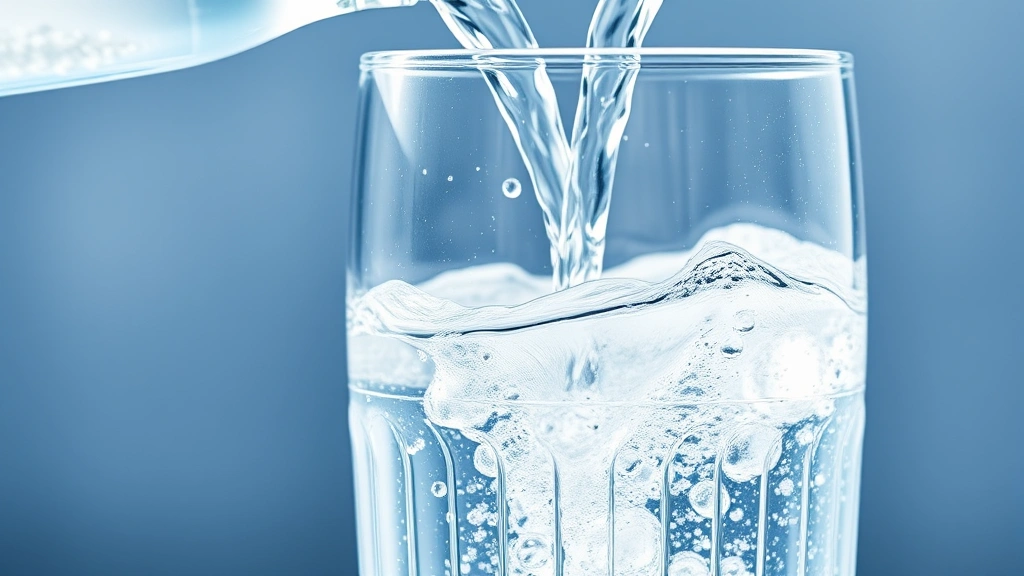
Sparkling Water: Eco-Friendly Choice? Experts Weigh In
Sparkling water, or agua con gas, has become a global sensation, with consumers choosing it over sugary sodas and still beverages. The market has exploded in recent years, driven by health-conscious individuals seeking hydration without artificial sweeteners or calories. However, beneath the fizzy appeal lies a complex environmental story that deserves careful examination. From production methods to packaging materials, the sustainability of sparkling water involves multiple layers of consideration that experts are actively debating.
The rise of home carbonation systems and commercial bottled options has created new environmental challenges and opportunities. While sparkling water offers genuine health benefits compared to conventional soft drinks, its ecological footprint remains contested among sustainability professionals. This comprehensive analysis explores the environmental impact of sparkling water production, examines various packaging solutions, and provides actionable insights for conscious consumers seeking to make informed choices about their beverage consumption.
Understanding Sparkling Water Production
Sparkling water production begins with sourcing clean water from natural springs, mineral deposits, or municipal supplies. Manufacturers then subject this water to rigorous purification processes, removing contaminants while preserving beneficial minerals in some cases. The carbonation process itself involves injecting food-grade carbon dioxide (CO₂) into the water under pressure, creating the characteristic bubbles consumers enjoy.
The carbon dioxide used in carbonation comes from various sources. Industrial CO₂ can be sourced as a byproduct from fertilizer production, ethanol manufacturing, or direct air capture technologies. This sourcing method significantly influences the overall environmental impact of the final product. Some manufacturers utilize captured CO₂ from their own facilities, while others purchase from specialized gas suppliers. Understanding these supply chains reveals that not all sparkling water products carry equal environmental weight.
Quality control measures throughout production ensure safety and consistency, but these processes also consume energy and water resources. Temperature regulation, sterilization, and testing all contribute to the production footprint. Modern facilities increasingly implement energy-efficient technologies and water recycling systems to minimize waste, though adoption rates vary considerably across the industry.
Environmental Impact of Commercial Bottling
Commercial bottling operations represent one of the largest environmental concerns associated with sparkling water consumption. Facilities must maintain strict sanitation standards, requiring substantial water usage and chemical inputs. A single bottling plant can process millions of liters daily, creating concentrated environmental impacts in localized regions.
Water extraction raises particular concerns in water-stressed regions. Bottling companies often establish operations near natural springs or aquifers, potentially depleting local water supplies for communities that depend on these resources. Regulatory frameworks vary significantly by jurisdiction, with some regions imposing strict extraction limits while others allow relatively unrestricted access. This disparity creates situations where corporations prioritize profit over local water security.
Energy consumption at bottling facilities includes electricity for refrigeration, carbonation equipment, and production machinery. Many facilities still rely on fossil fuel-based electricity grids, though progressive companies are transitioning to renewable energy sources. The transportation of finished products from bottling plants to distribution centers and retail locations adds additional carbon emissions, particularly for products shipped long distances.
Wastewater management presents another significant challenge. Bottling operations generate substantial quantities of wastewater containing mineral residues, cleaning chemicals, and processing byproducts. Proper treatment is essential to prevent environmental contamination, yet inadequate infrastructure in some regions results in untreated discharges into local waterways. This practice damages aquatic ecosystems and threatens drinking water supplies for downstream communities.
Packaging: The Core Sustainability Challenge
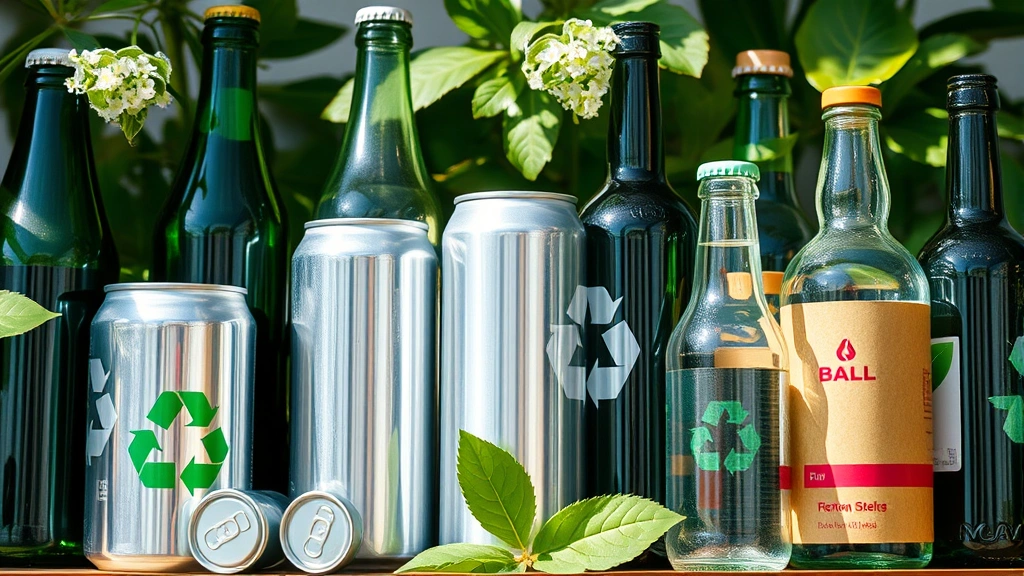
Packaging represents the most visible and contested aspect of sparkling water sustainability. The three primary packaging options—plastic bottles, aluminum cans, and glass containers—each present distinct environmental advantages and drawbacks.
Plastic Bottles: Single-use plastic bottles dominate the sparkling water market due to their lightweight nature and low production costs. However, they create enormous environmental problems. Most plastic bottles end up in landfills or oceans, where they persist for centuries, fragmenting into microplastics that contaminate soil and water systems. Even when collected for recycling, plastic bottles often require virgin material additions due to degradation during the recycling process. The production of plastic also depends on fossil fuel extraction and processing, contributing significantly to carbon emissions.
Aluminum Cans: Aluminum presents a more promising recycling story. Unlike plastic, aluminum maintains its properties through infinite recycling cycles without quality degradation. Recycled aluminum requires approximately 95% less energy to produce than virgin aluminum, making it an attractive sustainable option. However, initial aluminum extraction through bauxite mining causes severe environmental damage, including habitat destruction and water pollution. The energy-intensive refining process also generates substantial carbon emissions. Despite these challenges, aluminum’s superior recyclability makes it preferable to single-use plastics when recycling infrastructure exists.
Glass Containers: Glass offers complete recyclability and poses minimal environmental risks in landfills since it doesn’t degrade or leach chemicals. Its inert nature makes it ideal for food and beverage storage. However, glass production requires significant energy, and transportation costs increase substantially due to weight. The fragility of glass also results in higher damage rates during distribution, creating waste. For locally-produced sparkling water using returnable glass bottles, the environmental benefits can be substantial, but this model requires robust infrastructure and consumer participation.
Emerging innovations include plant-based plastics derived from renewable resources and biodegradable materials. However, these alternatives currently represent a tiny fraction of the market and often require specialized composting facilities unavailable in most regions. Their environmental benefits remain unproven at scale, and concerns about food-crop diversion and land use persist.
Home Carbonation Systems as Alternatives
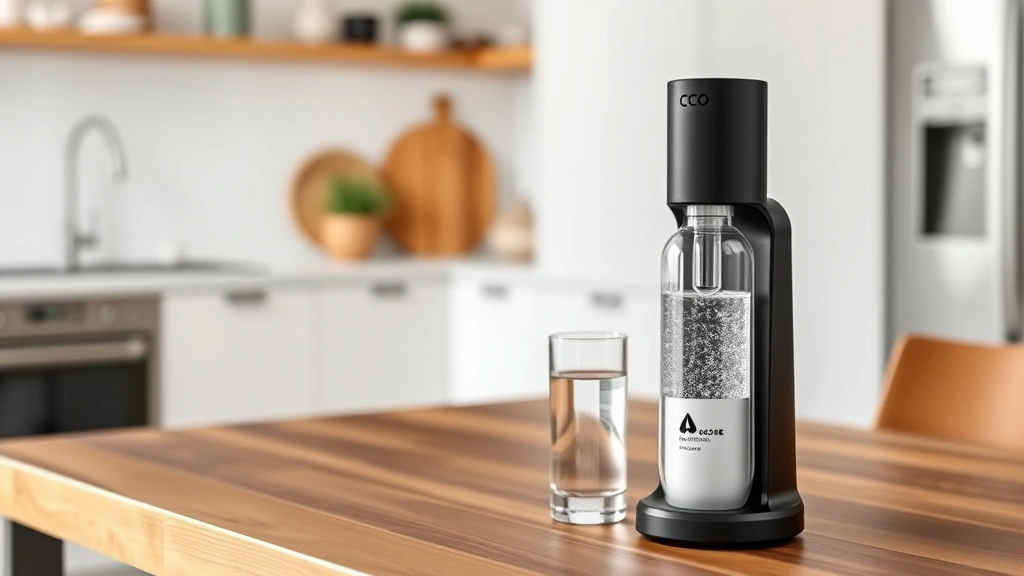
Home carbonation systems offer a compelling alternative to commercially bottled sparkling water. Devices like SodaStream and similar products allow consumers to carbonate tap water at home using refillable CO₂ cartridges. This approach dramatically reduces packaging waste and transportation emissions associated with commercial products.
The environmental calculus of home systems depends on several factors. A single reusable bottle can replace hundreds of single-use containers over its lifetime, providing substantial waste reduction. CO₂ cartridges require refilling or replacement, but this process generates far less waste than purchasing individual bottles. Energy consumption remains minimal since most systems operate without electricity, though some newer models require power for heating and cooling features.
The manufacturing phase of home carbonation devices does create an initial environmental impact. Producing plastic bottles, electronic components, and metal housings requires resources and energy. However, this one-time investment amortizes over years of use, typically resulting in lower overall environmental impact compared to continuous commercial bottle purchases. Studies suggest that using a home carbonation system becomes environmentally superior to bottled alternatives within the first few months of regular use.
Water quality considerations matter significantly when using home systems. Tap water quality varies by location, and some users may require additional filtration before carbonation. This adds cost and complexity but ensures product safety and taste quality. In regions with reliable tap water infrastructure, home carbonation systems represent an excellent sustainable choice for sparkling water enthusiasts.
Carbon Footprint Analysis
Comprehensive lifecycle assessments reveal that commercial bottled sparkling water typically generates 150-200 grams of CO₂ equivalent per liter when accounting for production, packaging, transportation, and disposal. This figure varies substantially based on packaging material, transportation distance, and energy sources used in production.
Plastic-bottled products generally carry carbon footprints around 170-200 grams per liter. The extraction and processing of fossil fuels for plastic production contributes significantly to these emissions. Transportation of lightweight plastic bottles remains relatively efficient, but the inability to recycle plastic effectively means end-of-life disposal generates additional environmental costs through landfill management or ocean cleanup efforts.
Aluminum-canned sparkling water typically ranges from 120-150 grams of CO₂ equivalent per liter. While initial aluminum production is energy-intensive, the superior recyclability of aluminum reduces the overall impact. In regions with high aluminum recycling rates exceeding 80%, the footprint can drop below 100 grams per liter, making aluminum a competitive option environmentally.
Glass-bottled products usually register around 130-170 grams per liter, with significant variation based on bottle weight and transportation distance. Local production and distribution substantially reduce these figures, potentially bringing glass products to parity with or below aluminum alternatives. Return and reuse programs further improve glass’s environmental profile.
Home carbonation systems produce approximately 20-40 grams of CO₂ equivalent per liter when accounting for device manufacturing amortized over its lifespan and CO₂ cartridge refilling. This represents an 80-90% reduction compared to commercial bottled options, making it the most environmentally favorable choice for regular sparkling water consumers. This dramatic difference explains why sustainability experts increasingly recommend home systems for environmentally conscious households.
Water Resource Considerations
Water scarcity represents a critical sustainability issue for bottling operations globally. According to EPA water resources data, approximately 2 billion people live in water-stressed regions, yet many bottling facilities operate in these exact locations, exacerbating local water insecurity.
The water used in sparkling water production extends beyond the final beverage volume. Production processes require water for cooling, cleaning, and processing, often consuming two to three times the amount of finished product. In arid regions, this extraction can deplete aquifers faster than natural recharge rates, causing long-term environmental damage and threatening agricultural viability.
Community impacts vary dramatically by location. In water-rich regions with adequate precipitation and robust aquifer systems, bottling operations may pose minimal concerns. Conversely, in areas like parts of India, the Middle East, and the American Southwest, bottling facilities have contributed to water tables dropping dangerously low, affecting farming communities and indigenous populations.
Responsible manufacturers increasingly conduct water impact assessments and implement conservation measures. Some facilities invest in wastewater treatment systems that allow recycling and reuse of process water. Others support community water projects and restoration initiatives to offset their extraction impacts. Transparency regarding water sourcing and usage remains limited in the industry, making consumer assessment of individual product sustainability difficult.
Choosing sparkling water from manufacturers with strong water stewardship practices supports better environmental outcomes. Researching company policies on water extraction, treatment, and community engagement helps align consumption with personal sustainability values. Supporting organizations focused on water conservation amplifies individual impact.
Making Sustainable Choices
Consumers seeking to reduce their environmental impact while enjoying sparkling water have several viable options. Understanding the tradeoffs associated with each choice enables informed decision-making aligned with personal values and circumstances.
Investing in Home Carbonation: For regular sparkling water consumers, home carbonation systems represent the most environmentally advantageous choice. The upfront investment typically ranges from $80-400 depending on features and brand, but cost per serving drops significantly compared to commercial products. Over five years, home carbonation typically costs less financially while generating minimal environmental impact.
Selecting Aluminum Packaging: If purchasing commercial sparkling water, choosing aluminum-canned products supports better environmental outcomes than plastic bottles. Aluminum’s recyclability advantage becomes meaningful only when recycling infrastructure exists and consumers actively participate in collection programs. Ensuring cans reach appropriate recycling facilities rather than landfills is essential to realize environmental benefits.
Supporting Local Producers: Sparkling water produced locally and distributed nearby generates substantially lower transportation emissions. Local operations also often maintain closer relationships with communities, potentially supporting better water stewardship practices. Seeking out regional brands reduces carbon footprints while supporting local economies.
Choosing Responsible Brands: Research manufacturers’ environmental commitments, water sourcing practices, and packaging choices. Companies publishing sustainability reports and implementing measurable environmental goals demonstrate genuine commitment. Certifications from third-party environmental organizations provide independent verification of sustainability claims. B Corporation certification indicates companies meeting rigorous environmental and social standards.
Reducing Overall Consumption: The most sustainable beverage remains plain tap water. While sparkling water offers genuine appeal and health advantages over sugary alternatives, consciously moderating consumption reduces overall environmental impact. Viewing sparkling water as an occasional treat rather than daily necessity significantly improves personal sustainability profiles.
Advocating for Systemic Change: Individual choices matter, but systemic change requires broader action. Supporting policies that incentivize sustainable packaging, invest in recycling infrastructure, and regulate water extraction creates conditions enabling widespread positive change. Engaging with elected representatives about environmental priorities leverages collective voice for transformation.
The relationship between green technology innovations transforming sustainability extends to beverage production. Emerging technologies promise improved efficiency and reduced environmental impact across the industry. Staying informed about innovations helps consumers make increasingly sustainable choices as options evolve.
FAQ
Is sparkling water actually better than still water environmentally?
Sparkling water carries a higher environmental footprint than plain tap water due to carbonation, processing, and packaging requirements. However, when compared to sugary sodas and other beverages, sparkling water often presents a preferable option. The environmental advantage depends significantly on how the sparkling water is obtained—home-carbonated tap water vastly outperforms commercial bottled options.
Which sparkling water packaging is most sustainable?
Home carbonation systems are most sustainable for regular consumers. Among commercial products, aluminum cans outperform plastic bottles due to superior recyclability, assuming recycling infrastructure exists and consumers participate actively. Glass bottles rank competitively, particularly for locally-produced products using returnable containers. Plastic bottles present the least sustainable option due to poor recyclability and ocean pollution risks.
Do sparkling water companies harm local water supplies?
Some facilities do significantly impact local water resources, particularly in water-stressed regions. However, impacts vary dramatically by location and company practices. Researching specific manufacturers’ water sourcing and stewardship practices reveals their environmental responsibility levels. Supporting companies with transparent reporting and strong conservation commitments helps drive industry improvement.
How much can home carbonation systems reduce environmental impact?
Home carbonation systems typically reduce carbon footprints by 80-90% compared to commercially bottled alternatives. This dramatic reduction occurs because a single reusable bottle replaces hundreds of single-use containers, and transportation emissions drop substantially. Most home systems become environmentally superior within weeks of regular use.
Are plant-based plastic bottles for sparkling water better?
Plant-based plastics show promise but currently represent a small market fraction. Their environmental benefits remain unproven at scale, and concerns about agricultural land use and food-crop diversion persist. Recycling infrastructure for plant-based plastics remains limited in most regions. While potentially beneficial, they should not replace aluminum or glass as preferred sustainable options currently.
What should I look for when buying commercial sparkling water?
Prioritize aluminum cans over plastic bottles. Research the manufacturer’s water sourcing practices and environmental commitments. Look for companies publishing sustainability reports and pursuing third-party environmental certifications. Choose locally-produced options when available to reduce transportation emissions. Consider the brand’s transparency regarding their supply chain and environmental impact.
Is tap water carbonation safe with home systems?
Yes, home carbonation systems are designed for tap water use and operate safely in most regions with reliable water infrastructure. If local water quality is questionable, adding a quality water filter before carbonation ensures safety and improves taste. Following manufacturer instructions and maintaining equipment properly ensures continued safe operation.


