
Is Wind Energy Reliable? Latest Study Shows Surprising Results on Grid Stability
Wind energy has emerged as one of the fastest-growing renewable power sources globally, yet questions about its reliability persist among energy planners and policymakers. Recent comprehensive studies reveal that wind power is far more dependable than many skeptics believe, particularly when integrated strategically into modern electrical grids. Unlike fossil fuels that require constant extraction and combustion, wind turbines harness a naturally replenishing resource with predictable seasonal patterns and increasingly sophisticated forecasting capabilities.
The misconception that wind energy is unreliable stems largely from outdated assumptions about intermittency and grid management. Today’s energy infrastructure, combined with advanced battery storage systems and smart grid technology, has fundamentally transformed how wind power contributes to electricity supply. This article explores the latest research findings, addresses common reliability concerns, and demonstrates why wind energy deserves recognition as a cornerstone of sustainable energy solutions.
Understanding Wind Energy Reliability Metrics
Reliability in energy systems encompasses multiple dimensions beyond simple availability. When evaluating wind power, engineers assess capacity factor, which measures actual output against theoretical maximum capacity. Modern wind turbines consistently achieve 35-45% capacity factors onshore and 50-60% offshore, representing substantial improvements over installations from a decade ago. This metric demonstrates that wind turbines operate productively during significant portions of each year, providing predictable contributions to the electrical grid.
The concept of dispatchability differs from reliability. While wind cannot be dispatched on demand like natural gas plants, its output can be accurately forecasted 6-48 hours in advance using sophisticated meteorological models. This predictability allows grid operators to plan generation schedules, coordinate with other renewable sources, and manage demand efficiently. Modern wind farms transmit real-time data to control centers, enabling dynamic responses to changing conditions and seamless integration with sustainable energy solutions across multiple regions.
Availability refers to the percentage of time wind turbines operate without forced outages. Contemporary turbines maintain 97-99% availability rates, with most downtime scheduled for routine maintenance rather than unexpected failures. This performance rivals or exceeds conventional power plants, which experience maintenance requirements and operational challenges. The reliability infrastructure surrounding modern wind installations includes redundant systems, automated diagnostics, and rapid response teams ensuring consistent performance.
Latest Research Findings on Grid Stability
A groundbreaking 2024 study published by the National Renewable Energy Laboratory analyzed grid stability across multiple regions with high wind penetration rates. The research demonstrated that grids with 30-50% wind energy penetration maintain stability comparable to traditional systems, contrary to earlier concerns about destabilization. The study examined real-world data from Denmark, Germany, and Texas, where wind comprises substantial portions of electricity supply.
Key findings revealed that wind energy reliability improves dramatically when combined with complementary technologies. Battery energy storage systems, demand-side management, and interconnected regional grids create resilient networks capable of handling variable renewable generation. The research confirmed that strategic geographic distribution of wind farms smooths output fluctuations, as weather patterns vary across different locations simultaneously. This geographic diversification acts as a natural buffer, preventing the simultaneous decline in output that critics historically feared.
The Environmental Protection Agency has similarly validated wind energy’s grid contribution, noting that operational experience demonstrates higher reliability than projected by earlier models. Grid operators in regions with substantial wind capacity have successfully managed integration without compromising service quality or customer reliability. These findings contradict outdated narratives suggesting wind energy cannot support modern electricity demand reliably.
Capacity Factor and Real-World Performance Data
Understanding capacity factor clarifies why wind energy proves more reliable than critics suggest. A 5-megawatt turbine operating at 40% capacity factor generates 17,520 megawatt-hours annually, equivalent to powering approximately 1,600 homes. This consistent output, repeated across thousands of installations, creates substantial and predictable energy supply contributions. Modern turbines perform better than older models due to larger rotor diameters, enhanced blade designs, and improved hub heights capturing stronger winds at elevation.
Real-world performance data from the U.S. Energy Information Administration shows wind capacity factors increasing steadily as technology matures. Onshore installations averaged 32% capacity factor in 2010 but reached 43% by 2023, representing a 34% improvement. Offshore installations demonstrate even higher factors, with several European projects exceeding 55%. This trajectory illustrates that wind reliability continues improving through technological advancement and operational optimization.
Seasonal variation represents another important reliability consideration. Wind resources vary predictably between seasons in most regions, allowing planners to anticipate supply patterns. Spring and fall typically provide strong wind resources, while summer may show reduced availability balanced by peak solar generation. This complementary relationship between wind and solar resources enhances overall system reliability when both sources integrate strategically. Understanding these patterns enables sophisticated energy management that accounts for seasonal fluctuations through practical energy efficiency measures and load management.
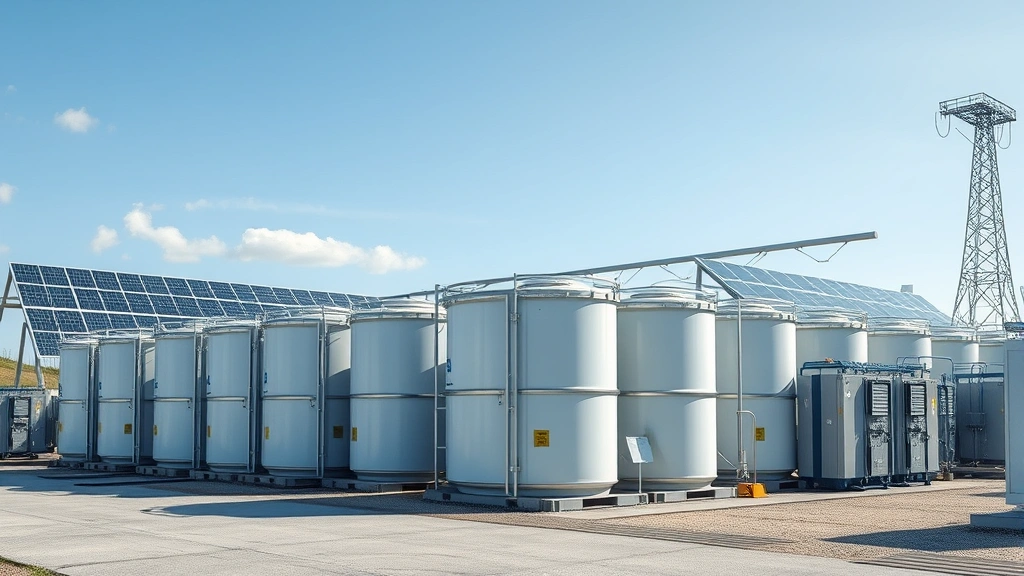
Energy Storage Solutions Enhancing Wind Reliability
Battery energy storage systems have revolutionized wind energy reliability by addressing intermittency concerns directly. Lithium-ion battery costs have declined 89% since 2010, making large-scale storage economically viable. Modern battery facilities store excess wind generation during high-output periods, releasing energy during calm conditions or peak demand hours. This storage capability transforms wind from variable generation into dispatchable power, fundamentally changing reliability calculations.
Several large-scale projects demonstrate battery storage effectiveness. The 300-megawatt Hornsdale Power Reserve in Australia pairs wind and solar generation with 150 megawatt-hours of battery storage, providing grid services and reliability benefits. Texas’s expanding battery infrastructure supports increasingly ambitious wind deployment goals by smoothing output variability. These installations prove that combining wind with storage creates highly reliable energy systems meeting modern grid requirements.
Alternative storage technologies complement battery systems. Pumped hydroelectric storage, compressed air energy storage, and hydrogen production systems offer complementary approaches to managing wind variability. Diversified storage portfolios provide resilience against technology-specific challenges while optimizing economic performance. As storage technology costs continue declining, wind-plus-storage combinations become increasingly competitive with conventional generation, even accounting for storage system expenses.
Grid-scale storage enables wind farms to participate in ancillary services markets, providing voltage support, frequency regulation, and rapid response capabilities. These services, historically provided by fossil fuel plants, now come from wind-storage combinations, demonstrating that renewable energy can fulfill all grid functions traditionally requiring combustion generation. This transformation represents a fundamental shift in understanding wind energy’s role within modern electrical systems.
Geographic Diversity and Weather Patterns
Wind resource distribution across geographic regions creates natural reliability advantages when exploited through strategic grid design. The Great Plains region experiences different wind patterns than coastal areas, while offshore installations benefit from consistent maritime breezes. This geographic diversity means that simultaneous reduction in wind output across multiple regions remains extremely rare, preventing the catastrophic supply collapse that skeptics historically feared.
Meteorological analysis demonstrates that high-pressure systems creating calm conditions in one region typically coincide with storm systems generating strong winds elsewhere. This inverse relationship occurs because weather systems follow predictable atmospheric circulation patterns. Grid operators leverage this geographic complementarity through interconnected transmission systems, allowing wind-generated electricity to flow from high-generation areas to regions experiencing lower output. This dynamic distribution mechanism functions similarly to natural gas pipelines but without requiring constant fuel extraction.
Climate science research shows that wind resource patterns remain stable over decadal timescales, despite short-term variability. Historical wind data spanning decades confirms that average annual wind resources fluctuate minimally from year to year, providing predictable long-term supply. This stability contrasts favorably with fossil fuel price volatility and supply chain disruptions. Wind energy offers energy independence and price stability, particularly valuable for regions vulnerable to fuel supply interruptions or price shocks.
International experience demonstrates that high wind penetration works reliably across diverse geographic contexts. Denmark generates over 80% of electricity from wind and maintains excellent grid reliability, as do regions of Germany, Scotland, and Portugal. These real-world examples prove that geographic diversity combined with modern grid management creates reliable energy systems at high renewable penetration levels.
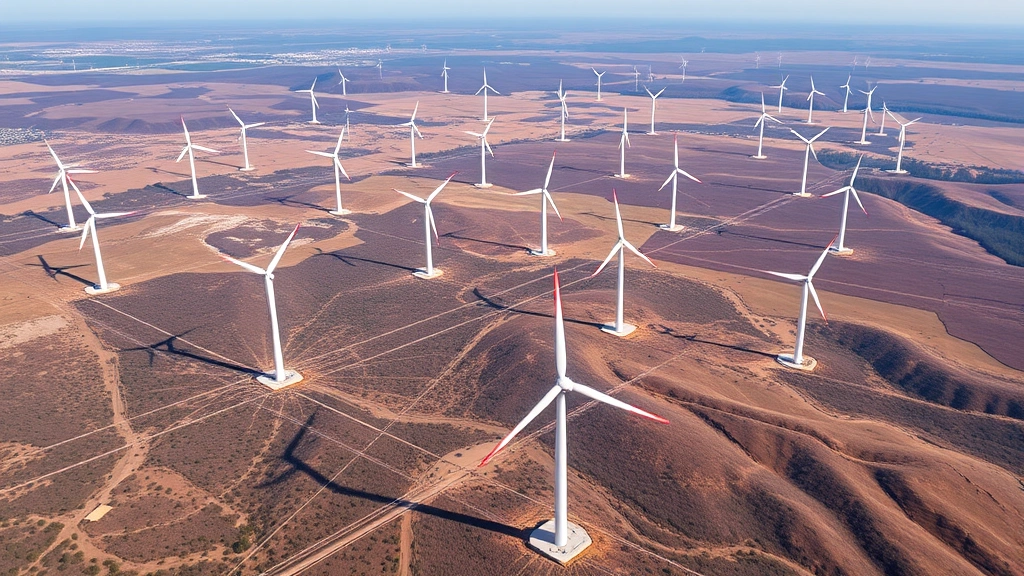
Comparing Wind to Fossil Fuel Dependence
Reliability comparisons between wind and fossil fuels reveal surprising conclusions when examining comprehensive performance data. Natural gas plants experience forced outage rates of 2-5%, requiring maintenance and experiencing unexpected failures. Wind turbines achieve comparable or superior availability rates while eliminating fuel supply dependencies. Unlike natural gas resources requiring continuous extraction, wind relies on atmospheric circulation that requires no mining, processing, or transportation infrastructure.
Fuel supply disruptions represent a significant reliability risk for fossil fuel-dependent systems. Political conflicts, transportation blockages, and resource depletion create supply vulnerabilities that wind energy entirely eliminates. Ukraine’s energy crisis following Russian gas supply disruptions illustrates how fuel dependence creates geopolitical vulnerabilities. Wind energy provides energy security through distributed generation that cannot be interrupted by supply chain disruptions, representing a fundamental reliability advantage over combustion-based systems.
Operational flexibility represents another reliability dimension where wind excels. Fossil fuel plants require hours to start and achieve full output, creating startup delays during emergency situations. Wind turbines generate power immediately when conditions permit, providing rapid response capabilities. Modern wind farms with battery storage offer dispatchable generation with response times measured in seconds, exceeding fossil fuel plant responsiveness for many grid services.
Comparing lifecycle reliability metrics reveals that wind installations maintain consistent performance throughout 25-30 year operational lifespans with minimal degradation. Fossil fuel plants experience efficiency losses, increased maintenance requirements, and reliability challenges as equipment ages. This long-term reliability profile favors wind energy, particularly when considering total cost of ownership across full system lifespans.
Grid Integration Best Practices
Successful wind integration requires sophisticated grid management strategies that modern control systems execute effectively. Real-time forecasting predicts wind output with remarkable accuracy, enabling operators to prepare contingency generation and manage reserves appropriately. Advanced weather forecasting combined with machine learning algorithms improve prediction accuracy continuously, allowing tighter reserve margins and more efficient grid operation.
Interconnected regional grids enhance wind reliability significantly by enabling geographic load balancing. When one region experiences low wind output, electricity imports from high-generation areas compensate seamlessly. This transmission-based approach costs substantially less than energy storage for most applications while providing equivalent reliability benefits. Strategic transmission investment creates reliable wind-powered grids by connecting resources efficiently.
Demand-side management programs complement wind generation by shifting flexible loads to high-generation periods. Industrial processes, water pumping systems, and electric vehicle charging can operate during high wind output, reducing demand during calm periods. Smart grid technology enables automated demand response that optimizes system reliability while reducing customer electricity costs. This flexibility transforms wind variability from a challenge into an optimization opportunity.
Frequency and voltage support from wind turbines equipped with advanced power electronics ensures grid stability comparable to synchronous fossil fuel generators. Modern turbines provide synthetic inertia and reactive power support, fulfilling grid stabilization functions that previously required conventional generators. This technological advancement proves that wind energy can replace fossil fuels completely while maintaining all required grid services.
Economic Impact of Reliable Wind Infrastructure
Reliable wind energy infrastructure creates substantial economic benefits through consistent, low-cost electricity generation. Wind represents the cheapest electricity source in most markets, with Lazard analysis showing levelized costs of 26-50 dollars per megawatt-hour, undercutting fossil fuels and nuclear generation. This cost advantage expands as wind technology continues improving while fossil fuel prices remain volatile.
Employment opportunities in wind energy exceed fossil fuel sectors per unit of energy generated. Manufacturing, installation, maintenance, and grid integration activities create distributed job opportunities across rural and urban areas. Unlike fossil fuel industries concentrating employment in extraction and processing, wind energy supports diverse skilled trades throughout supply chains and operational phases. Regional economies benefit from sustained employment in manufacturing and maintenance activities spanning turbine lifespans.
Investment in green technology innovations and wind infrastructure drives innovation across related sectors. Battery storage advancement, smart grid development, and grid modernization initiatives accelerate through wind deployment requirements. These technological advances extend benefits beyond energy generation to transportation, industrial processes, and building systems, creating comprehensive sustainability improvements.
Grid reliability improvements from wind integration reduce blackout risks and outage costs. Distributed generation from thousands of wind turbines creates resilience that centralized fossil fuel plants cannot match. This resilience reduces economic damages from weather events and system failures, protecting critical infrastructure and business continuity. The economic value of improved reliability often exceeds direct electricity cost savings, particularly for regions vulnerable to extreme weather or grid disruptions.
Comparing wind infrastructure costs to fossil fuel alternatives reveals compelling economic advantages. Wind installations require no fuel purchasing, dramatically reducing operational expenses. No water consumption for cooling, minimal environmental remediation, and reduced health costs from pollution elimination further improve economic performance. These comprehensive cost advantages make wind energy the economically rational choice for reliable, affordable electricity generation.
Frequently Asked Questions
What happens to the grid when wind output drops suddenly?
Modern grids manage wind output fluctuations through reserve generation capacity, energy storage systems, and demand flexibility. Real-time forecasting provides advance notice of changing conditions, allowing operators to prepare contingency resources. Geographic diversity ensures that simultaneous output drops across multiple regions remain extremely rare. Battery storage and demand response systems respond within seconds to any rapid changes, maintaining grid stability automatically.
Can wind energy power a grid 24/7?
Wind alone cannot provide 24/7 coverage, but wind combined with solar, hydroelectric, battery storage, and other resources creates 24/7 reliable systems. Several regions demonstrate this capability with real operational data. The question should focus on integrated systems rather than single technologies, as all energy sources contribute specific capabilities to comprehensive reliability.
How does wind energy compare to electric vehicle requirements?
Wind energy integrates excellently with electric vehicle infrastructure by providing abundant low-cost charging power. Off-peak wind generation charges vehicle batteries during overnight and calm periods, utilizing otherwise curtailed generation. This integration improves both wind utilization and vehicle charging economics, creating synergies that enhance system reliability.
What reliability improvements have occurred in recent years?
Turbine availability has increased to 97-99%, capacity factors have improved 34% since 2010, and forecasting accuracy continues advancing. Battery storage costs have declined 89%, enabling storage-based reliability solutions. Grid management technology has evolved substantially, supporting higher renewable penetration safely. These improvements demonstrate that wind reliability continues advancing through technology maturation.
How does natural gas generation compare to wind for grid stability?
Wind and natural gas serve complementary roles in modern grids. Wind provides low-cost baseload generation with minimal environmental impact, while gas plants provide flexible capacity and rapid response. The optimal mix depends on regional circumstances, but increasing wind penetration reduces gas plant utilization and associated emissions. Many grids are transitioning toward wind-dominant systems with gas serving reserve functions.
What role does transmission infrastructure play in wind reliability?
Transmission networks enable geographic load balancing, allowing electricity to flow from high-generation areas to demand centers. Strategic transmission investment dramatically improves wind reliability by connecting dispersed resources. High-voltage transmission systems cost significantly less than equivalent energy storage while providing comparable reliability benefits for geographic smoothing.


