
Sustainable Gas Options? Expert Insights on Energy Alternatives
The global energy landscape is undergoing a profound transformation as communities and businesses seek alternatives to traditional fossil fuels. When discussing sustainable gas options, we must examine not just conventional natural gas, but the emerging technologies and renewable alternatives that promise cleaner energy futures. This exploration requires understanding both current infrastructure realities and innovative solutions that could reshape how we power our homes, vehicles, and industries.
Energy sustainability has become increasingly urgent as climate change accelerates and environmental regulations tighten worldwide. The question of whether truly sustainable gas options exist—or whether we should transition entirely away from gas-based energy—demands careful analysis of available technologies, their environmental impact, economic viability, and practical implementation challenges.
Understanding Gas Energy in Modern Sustainability
Gas energy remains a dominant force in global energy systems, powering heating systems, electricity generation, industrial processes, and transportation. However, the sustainability credentials of traditional gas sources have come under intense scrutiny. Understanding what makes energy sustainable requires examining three key factors: carbon emissions, resource renewal rates, and environmental impact throughout the entire supply chain.
The Environmental Protection Agency emphasizes that sustainable energy must balance environmental protection with energy security and economic affordability. This framework challenges the notion that any fossil fuel can be truly sustainable, while acknowledging that some options produce fewer emissions than others during their lifecycle.
When evaluating advantages of natural gas compared to coal and oil, natural gas does offer certain benefits. It burns more efficiently, produces approximately 50% fewer carbon emissions than coal, and generates minimal air pollutants like sulfur dioxide. Yet these comparative advantages don’t automatically qualify natural gas as sustainable—they simply represent a less harmful intermediate step.
Natural Gas: Cleaner But Not Clean
Natural gas occupies an awkward middle ground in the sustainability debate. Is natural gas renewable or nonrenewable? The answer is definitively nonrenewable—natural gas forms over millions of years from organic matter and cannot be replenished on human timescales. This fundamental reality limits its sustainability credentials regardless of combustion efficiency.
Methane extraction and distribution present additional environmental challenges. Methane leakage from drilling operations, pipelines, and distribution networks significantly amplifies the climate impact of natural gas consumption. Methane has approximately 80 times greater warming potential than carbon dioxide over a 20-year period, making even small leakage rates environmentally consequential. Studies indicate that methane leakage rates between 2-3% can eliminate natural gas’s climate advantage over coal.
The extraction process itself—whether conventional drilling or hydraulic fracturing—disrupts ecosystems, consumes vast quantities of water, and can contaminate groundwater supplies. Transportation infrastructure requires extensive pipeline networks with associated environmental and community impacts. These upstream and midstream considerations must factor into any comprehensive sustainability assessment.
However, natural gas currently provides baseload power that renewable energy sources cannot yet reliably supply without massive storage infrastructure investments. Many experts view natural gas as a transitional fuel—better than coal, but ultimately requiring replacement by truly renewable alternatives.

Renewable Gas Technologies
Renewable gas encompasses several emerging technologies that produce gas-like fuels from sustainable sources. Unlike fossil natural gas, these alternatives can theoretically be produced indefinitely without depleting finite resources. The primary renewable gas pathways include biomass conversion, waste-to-energy processes, and advanced electrolysis systems.
Renewable gas offers significant advantages for existing infrastructure. Rather than requiring complete system overhauls, renewable gases can often integrate into current pipelines, storage facilities, and appliances designed for conventional natural gas. This compatibility makes renewable gas particularly attractive for regions with extensive gas infrastructure investment.
The International Renewable Energy Agency (IRENA) identifies renewable gas as crucial for decarbonizing difficult-to-electrify sectors including heavy industry, long-distance transportation, and high-temperature heat applications. These hard-to-abate sectors represent approximately 30% of global energy demand and resist electrification due to technical or economic constraints.
Production efficiency remains a critical limitation. Converting renewable feedstocks into gas requires substantial energy inputs. If that conversion energy comes from renewable sources, the overall system becomes genuinely sustainable. However, if powered by fossil fuels, renewable gas merely transfers emissions upstream without achieving net climate benefits.
Biogas and Biomethane Solutions
Biogas production from organic waste represents one of the most established renewable gas technologies. Anaerobic digestion processes decompose agricultural residues, food waste, wastewater sludge, and other organic materials in oxygen-free environments, producing methane-rich biogas. This approach offers multiple benefits: waste management, renewable energy generation, and nutrient recovery for fertilizer production.
Biomethane—biogas upgraded to pipeline quality—can directly replace fossil natural gas in existing infrastructure. Thousands of facilities worldwide currently operate biogas digesters, demonstrating proven technology and established supply chains. Propane vs natural gas comparisons often overlook biogas entirely, yet biomethane addresses many sustainability concerns that plague conventional natural gas.
The scalability question looms large, however. While biogas technology is mature, the available organic waste feedstock cannot theoretically replace total natural gas consumption. Estimates suggest biogas could provide 10-15% of current gas demand through optimal waste utilization. This ceiling makes biogas valuable as a partial solution but insufficient as a complete replacement.
Agricultural biogas presents particular promise in rural communities. Farmers can convert manure and crop residues into energy while reducing methane emissions from livestock operations and improving soil health through digestate application. This integrated approach aligns agricultural sustainability with energy production.
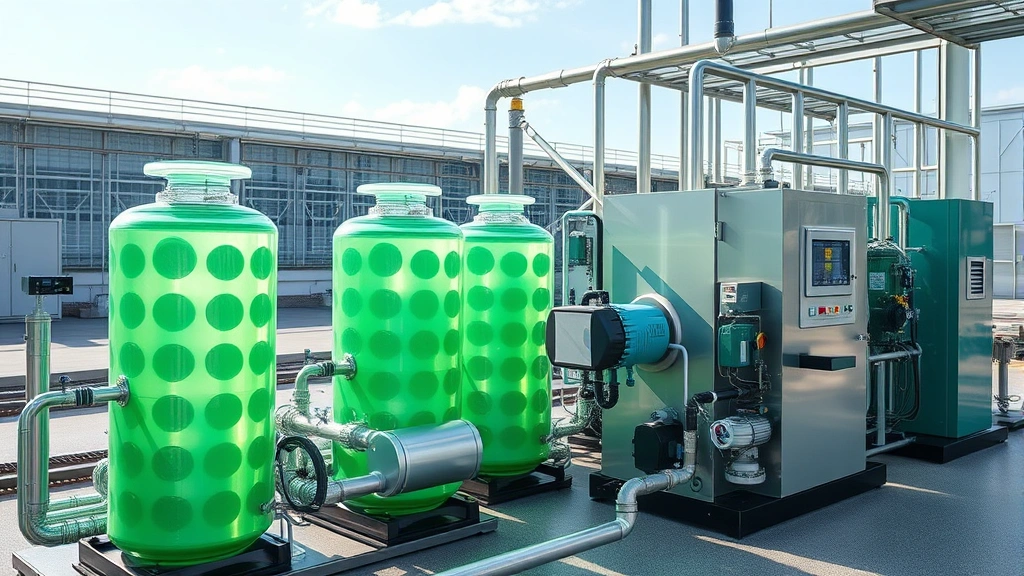
Hydrogen: The Future Fuel Frontier
Hydrogen emerges repeatedly in sustainability discussions as potentially transformative energy carrier. Unlike fossil fuels, hydrogen combustion produces only water vapor, eliminating direct carbon emissions. However, hydrogen’s sustainability depends entirely on production methods—a distinction often overlooked in popular discussions.
Current hydrogen production relies primarily on steam methane reforming, which extracts hydrogen from natural gas using heat and catalysts. This process generates substantial carbon dioxide emissions, producing so-called “gray hydrogen.” Carbon capture and storage can reduce emissions, creating “blue hydrogen,” though capture technologies remain expensive and imperfect. Only “green hydrogen” produced through renewable electricity-powered electrolysis qualifies as genuinely sustainable.
Green hydrogen production requires substantial renewable electricity supplies. As renewable energy capacity expands globally, green hydrogen production becomes increasingly feasible. Countries with abundant renewable resources—Iceland, Norway, Chile, and parts of Australia—are developing green hydrogen industries. However, electrolysis efficiency losses mean producing green hydrogen requires 1.5-2 times more renewable electricity than direct electrification alternatives.
Hydrogen’s application landscape includes industrial processes, power generation, and transportation. Heavy industry—steel production, chemical manufacturing, refining—represents hydrogen’s strongest near-term opportunity. Fuel cell vehicles for transportation remain technically viable but face infrastructure development challenges and economic competitiveness questions versus battery electric vehicles.
Storage and transportation present practical challenges. Hydrogen’s low energy density by volume requires either high-pressure compression, liquefaction at cryogenic temperatures, or conversion into other chemical forms—all energy-intensive processes. Existing natural gas pipelines cannot safely transport hydrogen due to material compatibility issues, requiring infrastructure investments comparable to building entirely new energy systems.
Synthetic Fuels and Carbon Capture
Synthetic fuels produced through power-to-gas processes represent another emerging pathway. These technologies combine renewable electricity with captured carbon dioxide to produce synthetic methane or other hydrocarbons. In theory, these fuels could enable carbon-neutral energy systems by recycling atmospheric carbon.
The International Energy Agency (IEA) acknowledges synthetic fuels’ potential for hard-to-decarbonize sectors while cautioning against overestimating near-term deployment rates. Current production costs remain 2-3 times higher than fossil fuels, and the technology requires massive renewable electricity supplies to scale meaningfully.
Carbon capture technology itself remains energy-intensive and expensive. Direct air capture—removing carbon dioxide directly from ambient air—requires approximately 250-600 kilowatt-hours of energy per ton of carbon dioxide captured. Industrial point-source capture from power plants or refineries proves more efficient but still demands substantial energy investments.
Synthetic fuels present an important option for applications where electrification proves impractical—long-distance aviation, maritime shipping, and specialized industrial processes. However, expecting synthetic fuels to replace fossil fuels across the entire energy system remains unrealistic given efficiency losses and production constraints.
Transportation Alternatives Beyond Gas
Transportation sector decarbonization increasingly emphasizes electrification rather than alternative gas fuels. Advantages of electric vehicles continue expanding as battery technology improves, charging infrastructure proliferates, and manufacturing costs decline. Battery electric vehicles offer superior efficiency, lower lifetime emissions, and reduced operating costs compared to any gas-powered alternative.
The transition away from gasoline and diesel represents the most practical path toward transportation sustainability. Battery electric vehicles convert approximately 77% of electrical energy to mechanical power, while internal combustion engines achieve only 12-30% efficiency. This efficiency advantage compounds when considering renewable electricity sources powering the grid.
Public transportation electrification accelerates globally. Electric buses, trains, and light rail systems reduce urban air pollution while cutting operational costs through lower fuel and maintenance expenses. Cities from Oslo to Shenzhen are deploying electric transit fleets, demonstrating technological feasibility and economic viability.
Aviation and maritime shipping present greater challenges unsuited to current battery technology. These sectors represent approximately 8% of global carbon emissions and require either synthetic fuels, hydrogen, or other technological breakthroughs. However, these difficult-to-decarbonize applications represent a minority of total transportation energy demand.
Making the Transition: Practical Steps
Transitioning toward sustainable energy requires multifaceted approaches adapted to specific regional contexts and existing infrastructure. Sustainable energy solutions must balance technological innovation, economic feasibility, and social acceptance.
Policy and Regulatory Frameworks: Governments must establish clear carbon pricing mechanisms, renewable energy mandates, and emissions reduction targets. The Center for Climate and Energy Solutions advocates for consistent policy signals that incentivize investment in renewable alternatives while phasing out fossil fuel subsidies. Carbon pricing—whether through taxes or cap-and-trade systems—makes sustainable alternatives economically competitive.
Infrastructure Investment: Transitioning energy systems requires substantial infrastructure development. Renewable electricity generation capacity must expand dramatically, transmission networks require modernization for distributed generation integration, and energy storage systems need deployment at scale. These investments require both public funding and private capital mobilization through investment frameworks that reduce financial risk.
Technology Development: Continued research funding for emerging technologies—green hydrogen, advanced battery systems, carbon capture, synthetic fuels—remains essential. Green technology innovations transforming our future require sustained innovation investment and technology transfer to developing nations.
Consumer Behavior Change: Individual choices regarding energy consumption, vehicle selection, and lifestyle patterns significantly influence overall demand. Education campaigns promoting energy efficiency, renewable energy adoption, and sustainable transportation choices build social momentum toward systemic change.
Sectoral Differentiation: Different economic sectors require tailored approaches. Residential heating might transition toward heat pumps and renewable energy, while industrial processes may rely on hydrogen or biogas for applications unsuitable for electrification. Transportation increasingly shifts toward battery electric vehicles except for aviation and maritime applications requiring alternative fuels.
Just Transition Considerations: Transitioning away from fossil fuel industries requires supporting affected workers and communities through retraining programs, economic diversification initiatives, and targeted investment in renewable energy sectors. Ensuring equitable distribution of transition benefits builds political support for necessary systemic changes.
FAQ
Is natural gas a sustainable energy source?
Natural gas qualifies as nonrenewable since it depletes finite reserves over human timescales. While burning natural gas produces fewer emissions than coal, extraction and distribution methane leakage can eliminate comparative climate advantages. Natural gas serves best as a transitional fuel on the path toward renewable alternatives rather than a permanent sustainable solution.
Can biogas truly replace fossil natural gas?
Biogas cannot completely replace fossil natural gas due to limited feedstock availability. Optimal utilization of agricultural waste, food processing residues, and wastewater sludge could theoretically supply 10-15% of current natural gas demand. Biogas works best as a complementary renewable fuel alongside other sustainable energy sources.
Is green hydrogen the answer to energy sustainability?
Green hydrogen offers important benefits for hard-to-decarbonize sectors including heavy industry and long-distance transportation. However, hydrogen’s lower efficiency compared to direct electrification, infrastructure development requirements, and production cost challenges mean hydrogen alone cannot replace current fossil fuel consumption. Hydrogen represents one tool within a broader sustainable energy toolkit.
Why not simply switch to synthetic fuels?
Synthetic fuels production requires substantial renewable electricity inputs—approximately 1.5-2 times more than direct electrification. Current production costs remain prohibitively expensive, and scaling production to replace fossil fuels would require renewable electricity supplies exceeding realistic near-term deployment projections. Synthetic fuels work best for applications where electrification proves impractical.
What’s the fastest path toward transportation sustainability?
Battery electric vehicle deployment represents the most practical near-term transportation decarbonization pathway. Superior efficiency, expanding charging infrastructure, declining battery costs, and proven technology make electric vehicles economically and technically feasible for most transportation applications. Aviation and maritime shipping require alternative solutions due to battery technology limitations.
How can individuals contribute to sustainable energy transitions?
Individual actions include adopting energy efficiency measures, transitioning toward renewable electricity sources, selecting electric vehicles when feasible, supporting policy changes favoring renewable energy, and advocating for corporate and institutional commitments to sustainability. Collective individual choices build market demand and political momentum for systemic energy transformation.


