Are Electric Cars Sustainable? Analyst Insights
The global shift toward electric vehicles represents one of the most significant transformations in transportation since the automobile’s invention. Yet amid the enthusiasm for zero-emission driving, a critical question persists: are electric cars truly sustainable? This question demands a nuanced answer that examines the entire lifecycle of electric vehicles—from raw material extraction and manufacturing through operation and end-of-life recycling. Industry analysts, environmental researchers, and sustainability experts have begun scrutinizing every aspect of EV production and use, revealing a complex picture that challenges simplistic narratives about electric mobility.
Understanding electric vehicle sustainability requires looking beyond tailpipe emissions. While eliminating direct pollution is valuable, genuine sustainability encompasses energy sources, manufacturing practices, supply chain ethics, and long-term environmental impact. Our analysis explores the multifaceted reality of EV sustainability, drawing on recent research and expert perspectives to help you make informed decisions about electric transportation’s role in a sustainable future.
Manufacturing Impact and Carbon Footprint
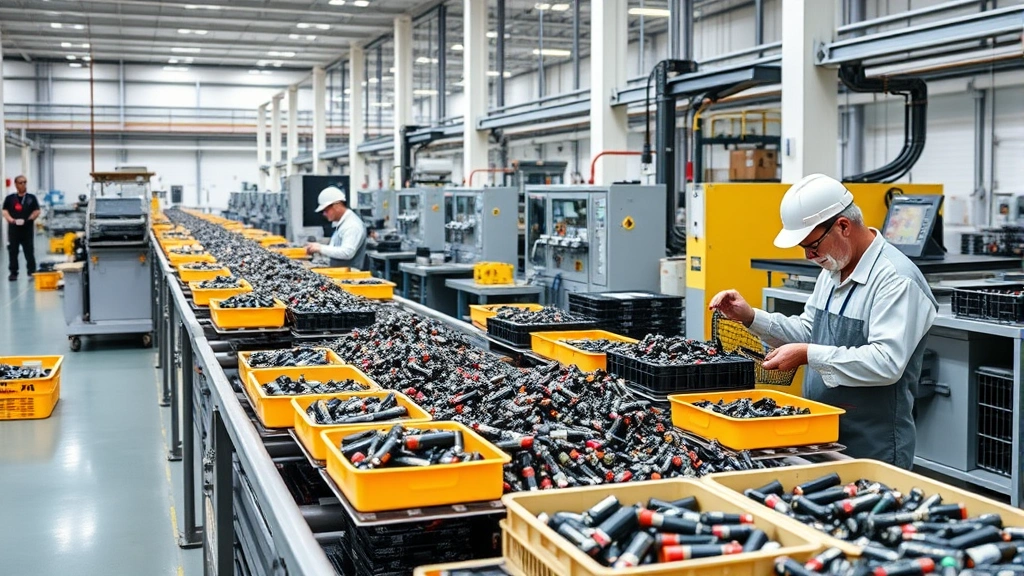
Electric vehicle manufacturing presents a paradox central to sustainability discussions. Producing an EV generates substantially more carbon emissions than manufacturing a conventional gasoline vehicle—typically 30-40% higher upfront emissions according to multiple lifecycle assessment studies. This increased environmental cost stems primarily from battery production, which demands significant energy and involves complex chemical processes.
The manufacturing phase represents what analysts call the “carbon debt” of electric vehicles. A Tesla Model 3, for example, generates approximately 8-10 tons of CO2 equivalent during production, compared to 6-7 tons for a comparable gasoline sedan. However, this initial deficit becomes crucial only when considered against the vehicle’s operational lifetime. Understanding the definition of sustainability reveals that short-term manufacturing impacts must be weighed against long-term operational benefits.
Manufacturing facilities’ energy sources significantly influence production sustainability. EVs manufactured in regions powered by renewable energy demonstrate substantially lower manufacturing emissions. Germany’s Gigafactory, powered partly by wind energy, produces vehicles with lower embedded carbon than facilities relying on fossil fuels. This geographic variation underscores how sustainable energy solutions directly impact vehicle sustainability credentials.
Battery Production: The Hidden Challenge
Lithium-ion batteries represent the most environmentally intensive component of electric vehicles. Battery manufacturing consumes enormous quantities of water, energy, and rare materials, with production concentrated in regions where environmental regulations may be less stringent. Extracting lithium from salt flats in South America and cobalt from Central Africa raises significant sustainability questions about mining practices, water depletion, and community impacts.
Lithium extraction in the Atacama Desert consumes approximately 65% of the region’s water supply, affecting local ecosystems and indigenous communities. Cobalt mining in the Democratic Republic of Congo has documented human rights concerns and environmental degradation. These supply chain challenges complicate the sustainability narrative around electric vehicles, revealing that environmental benefits in consuming nations may come at the cost of ecological and social damage elsewhere.
Battery chemistry continues evolving to address these concerns. Sodium-ion and solid-state batteries promise reduced reliance on problematic materials, while improved recycling technologies could dramatically decrease future mining demands. The advantages of electric vehicles increasingly include potential for circular battery economies, though widespread implementation remains years away.
Current battery production generates approximately 0.5-1 ton of CO2 per kilowatt-hour of capacity, though this figure improves annually as manufacturing becomes more efficient and renewable energy powers more facilities. Analysts emphasize that battery sustainability represents an active frontier where technological and policy interventions can significantly improve environmental performance.
Electricity Grid and Energy Sources
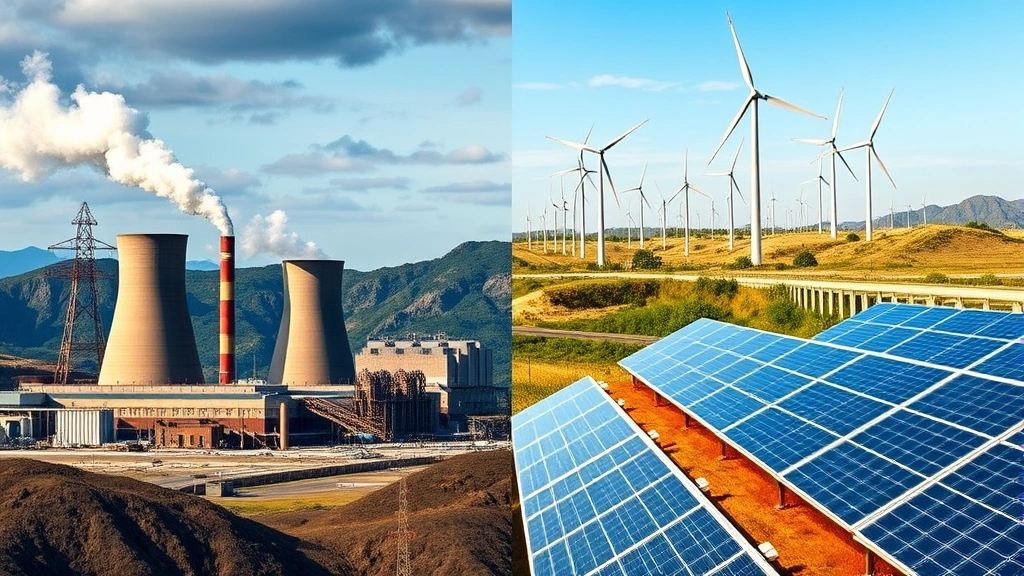
An electric vehicle’s true sustainability depends critically on the electricity powering it. An EV charged with renewable energy represents genuine environmental progress; one charged with coal-generated electricity merely transfers emissions from tailpipes to power plants. Grid decarbonization therefore becomes inseparable from EV sustainability discussions.
In regions with clean electricity grids—Denmark, France, and Costa Rica—electric vehicles demonstrate dramatic emissions reductions compared to gasoline counterparts. A vehicle charged in France produces 75% fewer emissions than a gasoline car, while one charged in Poland (relying heavily on coal) reduces emissions by only 30%. This variability highlights how sustainable energy solutions fundamentally determine EV environmental performance.
The encouraging reality is that electricity grids globally are rapidly decarbonizing. Renewable energy capacity expanded 45% between 2020-2023, and this trend accelerates. An EV purchased today will operate on an increasingly clean grid throughout its 10-15 year lifespan, meaning its emissions profile improves over time—a unique advantage compared to vehicles locked into fossil fuel dependence. Analysts project that by 2030, most major markets will achieve sufficient grid cleanliness that nearly all new EVs outperform gasoline vehicles from manufacturing through end-of-life.
Lifecycle Emissions Analysis
Comprehensive lifecycle assessments reveal that electric vehicles overcome their manufacturing carbon debt within 1-3 years of typical driving, depending on grid electricity sources. After this breakeven point, every mile driven in an EV represents net environmental benefit compared to gasoline vehicles. Over a 200,000-mile lifespan, an EV charged on average U.S. electricity produces approximately 50% fewer lifecycle emissions than comparable gasoline vehicles.
These calculations incorporate manufacturing, battery production, electricity generation, maintenance, and end-of-life recycling. Recent studies from the EPA’s Green Vehicles Program demonstrate that even accounting for battery manufacturing, lifecycle emissions favor electric vehicles in virtually all scenarios. The sustainability advantage grows more pronounced as grids decarbonize and battery manufacturing becomes more efficient.
Maintenance represents another lifecycle advantage often overlooked. Electric vehicles contain fewer moving parts than internal combustion engines—no oil changes, spark plugs, or transmission fluid required. This translates to less waste, lower maintenance energy consumption, and reduced environmental impact throughout vehicle operation. Exploring how to reduce your environmental footprint increasingly points toward vehicle choices that minimize lifetime environmental impact rather than focusing solely on operational emissions.
Recycling and Circular Economy
Battery recycling represents the frontier of EV sustainability. Current recycling rates for lithium-ion batteries remain disappointingly low—approximately 5% globally, though this figure improves in Europe (50%) and China (70%) where regulations mandate recovery. Recycling processes can recover 95% of cobalt, nickel, and other valuable materials, dramatically reducing future mining needs and environmental damage.
Second-life applications extend battery value beyond vehicle use. Degraded EV batteries retaining 70-80% capacity function effectively for grid energy storage, supporting renewable energy integration. This circular approach transforms batteries from single-use waste into multi-decade assets, fundamentally improving sustainability economics. Companies like Tesla and Nissan already operate second-life battery programs, though scaling remains essential.
Analysts project that by 2035, recycled battery materials will supply 25-30% of battery production needs, substantially reducing mining pressure. This transition requires investment in recycling infrastructure and standardized battery designs—areas where policy intervention accelerates progress. The sustainability case for electric vehicles strengthens considerably when viewed through circular economy frameworks rather than linear extraction-to-landfill models.
Supply Chain Sustainability Concerns
Beyond environmental metrics, ethical sustainability encompasses labor practices and community impacts throughout EV supply chains. Cobalt and lithium mining regions frequently involve problematic labor conditions, inadequate environmental safeguards, and insufficient community benefit-sharing. Addressing these concerns requires supply chain transparency and corporate accountability mechanisms.
Leading EV manufacturers increasingly implement supply chain auditing, material traceability, and direct investment in mining communities. However, enforcement remains inconsistent, and greenwashing risks persist. Consumers concerned with comprehensive sustainability should examine manufacturers’ supply chain transparency reports and commitment to responsible sourcing standards established by organizations like the Responsible Minerals Initiative.
Geopolitical concentration of critical materials creates sustainability vulnerabilities. Approximately 60% of cobalt production originates from the Democratic Republic of Congo, creating supply chain risks and ethical concerns. Diversifying mining sources, developing alternative chemistries, and scaling recycling represent essential strategies for long-term supply chain sustainability. Green technology innovations transforming our future increasingly address these supply chain challenges through material science breakthroughs.
Comparing EVs to Traditional Vehicles
Direct comparison reveals electric vehicles’ sustainability advantages across most metrics, though context matters significantly. Over a vehicle’s lifetime, an EV produces 50-70% fewer emissions than gasoline vehicles in decarbonizing regions, and 30-50% fewer in coal-dependent areas. These advantages expand annually as electricity grids incorporate more renewable energy.
Manufacturing represents EVs’ primary sustainability weakness relative to conventional vehicles, yet this disadvantage diminishes as production scales and battery manufacturing improves. Conversely, gasoline vehicles accumulate environmental costs throughout operation—extracting, refining, and burning fossil fuels generates continuous emissions that cannot improve without replacing the vehicle entirely.
Sustainability extends beyond carbon metrics. Air quality improvements from eliminating tailpipe emissions provide substantial public health benefits, particularly in urban areas where transportation concentrates. Studies quantify these health benefits at $1,000-$2,000 per vehicle annually in avoided medical costs and improved productivity. This broader sustainability perspective reveals why sustainability blog resources increasingly emphasize multidimensional assessment frameworks.
Real-World Analyst Perspectives
Leading sustainability analysts and research institutions offer consistent conclusions: electric vehicles represent genuine environmental progress when assessed across complete lifecycles, though meaningful sustainability requires simultaneous grid decarbonization, supply chain improvements, and battery recycling infrastructure development.
The International Energy Agency projects that electric vehicles must reach 60% of new car sales by 2030 to meet climate targets. This transition accelerates sustainability improvements through manufacturing scale economies and supply chain maturation. Analysts emphasize that EVs serve as essential components of decarbonization strategies, but cannot alone achieve climate goals—they must accompany public transportation expansion, urban planning reform, and renewable energy deployment.
McKinsey analysis suggests that despite current challenges, EV sustainability improves faster than conventional vehicle alternatives. As battery costs decline (projected to reach $80-100/kWh by 2030 from current $120-150/kWh), manufacturing emissions decrease proportionally. Simultaneously, grid decarbonization and recycling scaling create compounding sustainability benefits that gasoline vehicles cannot match.
Research from MIT and Stanford confirms that purchasing an electric vehicle today represents one of the highest-impact individual sustainability decisions available. Over a vehicle’s lifetime, EV ownership typically reduces personal carbon emissions by 4-6 tons annually compared to gasoline driving—equivalent to offsetting 1-2 tons through renewable energy adoption or forestry investments, but with the added benefits of improved air quality and reduced fossil fuel dependence.
The consensus among credible analysts: electric vehicles are substantially more sustainable than conventional alternatives across complete lifecycle assessment, with sustainability advantages expanding as electricity grids decarbonize and manufacturing improves. However, EVs represent necessary but insufficient components of transportation decarbonization—genuine sustainability requires complementary policies supporting public transit, active transportation, and urban planning reform.
FAQ
How long until an EV’s manufacturing emissions are offset by operational benefits?
Breakeven occurs within 1-3 years of typical driving, depending on grid electricity sources. In clean-grid regions, breakeven happens within 12-18 months; in coal-dependent areas, 2-3 years. After breakeven, every mile driven in an EV produces net environmental benefit compared to gasoline vehicles.
Are EV batteries recyclable?
Yes, approximately 95% of battery materials can be recovered through recycling. Current recycling rates remain low (5% globally) due to limited infrastructure, but regulations increasingly mandate collection and recovery. Second-life applications extend battery utility before recycling, further improving sustainability economics.
What about mining impacts from lithium and cobalt extraction?
Mining does create environmental and social concerns, particularly in specific regions. However, recycling and alternative battery chemistries reduce future mining needs. Responsible sourcing standards and supply chain transparency represent essential components of comprehensive EV sustainability. Consumers should research manufacturers’ sourcing commitments.
Do electric vehicles truly reduce emissions if powered by coal-generated electricity?
Yes, even EVs charged with coal-generated electricity produce 30-50% fewer lifecycle emissions than gasoline vehicles. As electricity grids decarbonize—which occurs regardless of EV adoption—these vehicles automatically become cleaner, whereas gasoline vehicles cannot improve without replacement. This unique advantage makes EVs increasingly valuable as grids transition to renewable energy.
How do EV emissions compare to hybrid vehicles?
Pure electric vehicles outperform hybrids across complete lifecycle assessments, particularly as grids decarbonize. Hybrids improve upon conventional vehicles but remain dependent on fossil fuels. For maximum sustainability, plug-in hybrid electric vehicles (PHEVs) represent a transition technology, with pure EVs offering superior long-term environmental performance.
What role do EVs play in overall climate goals?
Transportation represents approximately 25% of global carbon emissions, with light-duty vehicles accounting for 60% of transportation emissions. Achieving climate targets requires rapid EV adoption alongside grid decarbonization, public transportation expansion, and urban planning reform. EVs alone cannot solve climate change, but decarbonization cannot succeed without them.