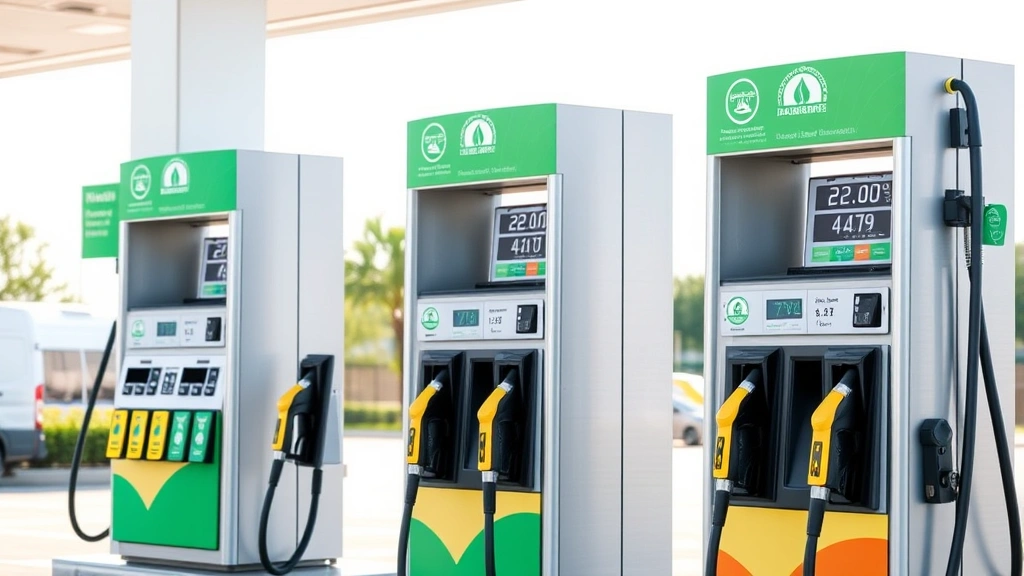
Eco-Friendly Fuel Options at Amoco: What to Know?
As environmental concerns continue to shape consumer choices, the fuel industry faces mounting pressure to offer sustainable alternatives. Amoco, a historic brand now operating under BP’s umbrella, has evolved to meet changing market demands. Understanding what eco-friendly fuel options Amoco provides helps drivers make informed decisions that balance convenience, cost, and environmental responsibility.
The transition toward greener fueling solutions represents a critical shift in transportation sustainability. Whether you’re exploring advantages of natural gas or considering conventional fuel efficiency improvements, Amoco gas stations offer several pathways for environmentally conscious consumers. This comprehensive guide examines available options, their environmental impact, and practical considerations for choosing the right fuel for your vehicle.
Amoco’s Current Fuel Portfolio and Environmental Commitment
Amoco, now integrated into BP operations, maintains a presence across North America through its gas station network. While Amoco stations primarily focus on traditional petroleum products, they participate in BP’s broader sustainability initiatives. The company has committed to reducing carbon intensity and expanding renewable fuel offerings, though availability varies significantly by location.
Modern Amoco stations typically stock conventional unleaded gasoline, mid-grade fuel, and premium options. Many locations also carry diesel fuel for commercial and personal vehicles. However, the availability of truly eco-friendly alternatives like E85 ethanol blends or compressed natural gas depends heavily on regional infrastructure development and local environmental regulations.
BP’s ownership structure means Amoco benefits from corporate sustainability goals. The parent company has pledged to transition toward lower-carbon fuels and invest in sustainable energy solutions. This commitment translates into gradual improvements in fuel formulations and increased availability of cleaner-burning options at participating stations.
Understanding Ethanol-Blended Gasolines
Ethanol-blended gasoline represents the most widely available eco-friendly fuel option at conventional gas stations, including many Amoco locations. The standard blend in the United States is E10, containing 10% ethanol and 90% petroleum gasoline. This blend reduces tailpipe emissions and decreases dependence on crude oil.
Environmental Benefits of Ethanol Blends:
- Reduces greenhouse gas emissions by up to 34% compared to pure gasoline
- Lowers carbon monoxide and particulate matter in exhaust
- Supports domestic agricultural economy and rural communities
- Improves fuel octane rating naturally without additional additives
- Decreases petroleum consumption and import dependency
E85 fuel, containing 85% ethanol and 15% gasoline, offers even greater environmental advantages for flex-fuel vehicles. However, E85 availability remains limited at most Amoco stations. When available, E85 can reduce lifecycle greenhouse gas emissions by up to 61% compared to conventional gasoline.
It’s important to verify your vehicle’s compatibility before using ethanol blends. Most vehicles manufactured after 2003 can safely use E10, but older vehicles may experience engine issues. Always consult your owner’s manual or contact your vehicle manufacturer for specific guidance. E85 requires a flex-fuel vehicle badge or confirmation from your manufacturer.
Natural Gas and Alternative Fuel Infrastructure
Natural gas represents an increasingly important alternative fuel option for reducing transportation emissions. Unlike gasoline, natural gas renewable or nonrenewable classification matters for long-term sustainability planning. While natural gas is technically a nonrenewable fossil fuel, it burns significantly cleaner than gasoline and produces fewer emissions when extracted and processed.
Compressed Natural Gas (CNG) and Liquefied Natural Gas (LNG) offer distinct advantages for fleet operators and individual consumers. CNG vehicles produce approximately 20-30% fewer greenhouse gas emissions than comparable gasoline vehicles. LNG, used primarily for heavy-duty trucks, can reduce emissions by up to 15% depending on sourcing and production methods.
Key Characteristics of Natural Gas:
- Produces fewer nitrogen oxides and particulate matter
- Eliminates sulfur dioxide emissions entirely
- Natural gas smell characteristics help detect leaks early
- Offers lower operational costs for high-mileage vehicles
- Provides quieter engine operation compared to gasoline
Amoco stations in strategic locations, particularly near commercial distribution hubs, may offer CNG fueling. However, infrastructure remains sparse compared to traditional gasoline availability. Drivers interested in natural gas vehicles should research local fueling station networks before purchasing, as the convenience factor significantly impacts daily usability.

Premium and Top-Tier Fuel Benefits
Premium gasoline options at Amoco stations often include enhanced detergent packages that improve fuel system cleanliness and engine efficiency. While premium fuel doesn’t necessarily mean eco-friendly, quality formulations can reduce emissions and improve overall vehicle performance. Top-tier gasoline contains higher detergent concentrations than minimum EPA requirements.
Using appropriate fuel grades for your vehicle prevents engine knocking and optimizes combustion efficiency. Modern engines with knock sensors automatically adjust timing, but operating at lower octane than recommended increases emissions and reduces fuel economy. Conversely, using premium fuel in vehicles designed for regular gasoline provides minimal benefit.
Environmental Impact of Fuel Quality:
- Superior detergents reduce carbon buildup on fuel injectors
- Cleaner injectors atomize fuel more effectively
- Better atomization improves combustion efficiency
- More complete combustion reduces harmful emissions
- Overall fuel economy improvements decrease total fuel consumption
Amoco’s fuel formulations comply with EPA Tier 3 standards, which mandate lower sulfur content and reduced emissions. These regulations ensure that fuel sold across the United States meets environmental benchmarks, though Amoco’s top-tier options may exceed minimum requirements.
Diesel Options and Sustainability
Diesel fuel represents a significant portion of Amoco’s fuel offerings, particularly at stations serving commercial traffic corridors. Modern diesel engines achieve superior fuel economy compared to gasoline counterparts, reducing per-mile emissions despite higher per-gallon consumption. Biodiesel blends, when available, further enhance environmental credentials.
Biodiesel, derived from renewable sources like vegetable oils and animal fats, can be blended with petroleum diesel in varying concentrations. B5 (5% biodiesel) and B20 (20% biodiesel) blends reduce lifecycle carbon emissions and support renewable fuel industries. Most modern diesel engines tolerate B5 without modification, though B20 and higher blends require engine manufacturer approval.
The sustainability advantages of diesel extend beyond emissions reduction. Diesel vehicles travel approximately 20-30% farther per gallon than comparable gasoline models, meaning fewer fill-ups and reduced fuel production demands. However, diesel’s environmental profile remains complicated by particulate matter and nitrogen oxide emissions, though modern emissions control technology has significantly reduced these pollutants.
Amoco diesel stations typically maintain fuel quality standards that protect engine longevity. Winter diesel formulations prevent gelling in cold climates, ensuring year-round reliability. Drivers in regions with seasonal temperature fluctuations benefit from Amoco’s regional fuel adjustments.

How to Choose Eco-Friendly Options at Amoco
Selecting the most environmentally appropriate fuel at Amoco requires understanding your vehicle’s specifications, driving patterns, and local environmental priorities. Begin by consulting your vehicle’s manual to determine approved fuel types and octane ratings. This foundational knowledge prevents costly mistakes and ensures optimal engine performance.
Decision-Making Framework:
- Vehicle Type: Standard gasoline vehicles benefit from E10 or top-tier fuel; flex-fuel vehicles can use E85 where available; diesel vehicles should consider biodiesel blends
- Driving Patterns: High-mileage commuters benefit most from fuel economy optimization; urban drivers benefit from lower-emission fuels
- Local Infrastructure: Research available alternative fuels at nearby Amoco stations before purchasing alternative-fuel vehicles
- Environmental Priorities: Balance emissions reduction with renewable fuel support and local air quality concerns
- Cost Considerations: Compare total cost-of-ownership including fuel efficiency and potential maintenance differences
Amoco’s fuel finder tools and mobile applications help locate specific fuel types at nearby stations. Planning routes around stations offering your preferred fuel type prevents inconvenient detours. Many Amoco locations participate in green technology innovations transforming our future, gradually expanding alternative fuel availability.
Consider combining fuel selection with vehicle maintenance practices that maximize efficiency. Regular tune-ups, proper tire inflation, and engine oil changes enhance fuel economy regardless of fuel type selected. These relatively inexpensive maintenance tasks reduce emissions and extend vehicle lifespan.
Comparing Amoco with Competitors
The competitive fuel market has prompted major brands to expand eco-friendly offerings. Shell, Chevron, ExxonMobil, and independent operators all compete for environmentally conscious consumers. Comparing Amoco’s options with competitors reveals varying levels of commitment to alternative fuels and sustainability initiatives.
Shell leads the industry in alternative fuel infrastructure, particularly regarding hydrogen fuel cell technology development. Chevron has invested heavily in renewable gasoline production. However, traditional fuel remains the primary offering across all major brands, including Amoco. The differences often relate to fuel quality standards, detergent packages, and regional alternative fuel availability rather than fundamental product distinctions.
Amoco’s integration into BP provides competitive advantages through corporate sustainability investments. BP has committed to becoming a net-zero enterprise by 2050 and has increased renewable energy investments significantly. These corporate commitments gradually translate into improved fuel formulations and expanded alternative fuel availability at Amoco stations.
For consumers prioritizing environmental impact, researching specific station locations proves more valuable than brand loyalty. Some Amoco stations offer significantly different fuel options than others depending on regional demand and infrastructure development. Neighboring stations may have superior alternative fuel availability, making flexibility important.
Consider utilizing loyalty programs at multiple brands to access competitive pricing and fuel options. Many programs offer rewards regardless of fuel type purchased, allowing strategic selection based on environmental considerations rather than brand affiliation alone.
FAQ
Does Amoco offer electric vehicle charging stations?
Most traditional Amoco gas stations do not currently offer EV charging infrastructure. However, BP has begun installing charging stations at select locations. Check the BP or Amoco mobile app for EV charging availability near your location, or research dedicated charging networks like Tesla Supercharger, Electrify America, or ChargePoint for reliable EV infrastructure.
What is the difference between E10 and E85 fuel?
E10 contains 10% ethanol and 90% gasoline, while E85 contains 85% ethanol and 15% gasoline. E10 is compatible with all modern vehicles, whereas E85 requires a flex-fuel vehicle. E85 produces lower emissions but typically offers slightly lower fuel economy. Most Amoco stations stock E10; E85 availability varies by location.
Is premium gasoline more environmentally friendly?
Premium gasoline itself isn’t inherently more eco-friendly, but higher-quality formulations with enhanced detergents can improve combustion efficiency. Using the octane rating recommended by your vehicle manufacturer optimizes environmental performance. Using premium fuel in vehicles designed for regular gasoline provides minimal environmental benefit.
Can I use biodiesel in any diesel vehicle?
B5 biodiesel blends are compatible with most modern diesel vehicles. Higher biodiesel concentrations (B20 and above) require manufacturer approval. Check your vehicle’s manual or contact the manufacturer before using biodiesel blends higher than B5. Amoco diesel stations typically stock standard petroleum diesel with varying biodiesel availability by location.
How does natural gas compare to gasoline environmentally?
Natural gas produces approximately 20-30% fewer greenhouse gas emissions than gasoline and generates significantly lower particulate matter and nitrogen oxides. However, advantages of natural gas depend on extraction methods and vehicle efficiency. CNG vehicles require specialized infrastructure, which remains limited at most Amoco locations.
What should I do if my vehicle requires a specific fuel type?
Always follow your vehicle manufacturer’s fuel recommendations precisely. Consult your owner’s manual for approved fuel types and octane ratings. Using inappropriate fuel can damage your engine and increase emissions. Most modern vehicles use regular unleaded gasoline, but some high-performance vehicles require premium fuel. Verify before purchasing.
Are Amoco fuel prices competitive with other brands?
Fuel pricing varies by location, market conditions, and fuel quality. Amoco prices typically align with regional competitors. Use fuel price comparison apps and websites to identify the most cost-effective options in your area. Remember that fuel economy differences may offset small price variations between brands.


