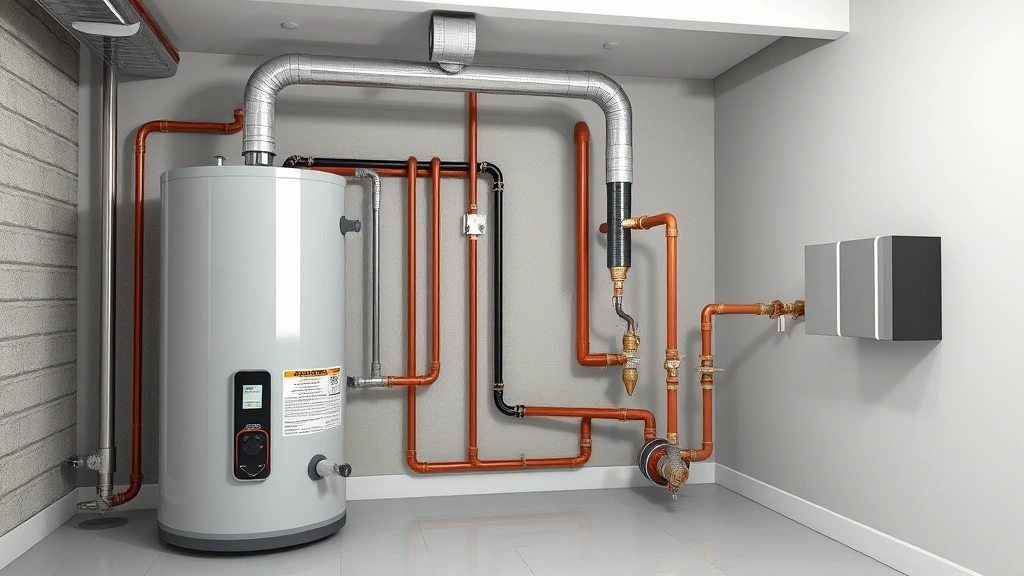
A.O. Smith GCRL vs GUC: Expert Heater Comparison
Selecting the right gas water heater involves understanding the nuanced differences between models that may appear similar on the surface. The A.O. Smith GCRL-40 400 and GUC-40 450 represent two distinct approaches to residential water heating, each with specific advantages depending on your household’s needs, energy goals, and budget constraints. This comprehensive comparison examines performance metrics, efficiency ratings, installation requirements, and long-term sustainability considerations to help you make an informed decision.
Water heaters account for approximately 17-25% of residential energy consumption, making this choice significant for both your utility bills and environmental footprint. Understanding the technical specifications and real-world performance differences between these models enables you to align your purchase with your sustainability objectives while ensuring reliable hot water delivery. Whether you prioritize energy efficiency, recovery rate, or upfront cost savings, this detailed analysis provides the insights needed for confident decision-making.
Model Overview and Key Specifications
The A.O. Smith GCRL-40 400 is a traditional atmospheric vent gas water heater designed for standard residential applications where natural draft ventilation is available. This model features a 40-gallon storage tank capacity with a 400,000 BTU input rating, making it suitable for households with moderate hot water demands. The GCRL series represents A.O. Smith’s commitment to reliable, straightforward water heating solutions that have been trusted by homeowners for decades.
In contrast, the A.O. Smith GUC-40 450 is a power-vent equipped model with a 40-gallon capacity and 450,000 BTU input. The power-vent configuration uses an electric fan to assist in exhausting combustion gases, providing greater installation flexibility and improved efficiency compared to naturally-vented models. This makes the GUC series particularly valuable for homes where traditional venting isn’t feasible or where maximum performance is desired.
Both models share the same 40-gallon tank volume, meaning they store equivalent amounts of hot water. However, the higher BTU input of the GUC-40 450 translates to faster recovery times and potentially better performance during peak usage periods. Understanding these foundational differences helps contextualize the advantages and trade-offs between these two heating approaches.
Energy Efficiency Comparison
The A.O. Smith GCRL-40 400 achieves an Energy Factor (EF) rating of approximately 0.59, which is standard for atmospheric vent gas water heaters. This rating reflects the percentage of energy input converted to usable hot water, accounting for standby losses and recovery efficiency. While this model meets current Department of Energy minimum standards, it represents conventional efficiency levels established decades ago.
The GUC-40 450 delivers superior efficiency with an Energy Factor rating around 0.62-0.65, representing a meaningful improvement over the GCRL model. This enhanced efficiency results from the power-vent design, which optimizes combustion air intake and exhaust gas removal. The difference may seem modest numerically, but across a water heater’s 10-15 year lifespan, this efficiency gap translates to measurable energy and cost savings.
When evaluating advantages of natural gas water heating, efficiency ratings become crucial for sustainability assessments. Natural gas remains a fossil fuel, and maximizing combustion efficiency reduces both carbon emissions and operational costs. The GUC-40 450’s improved efficiency aligns better with contemporary environmental standards and long-term energy conservation goals.
Recovery efficiency represents another critical efficiency metric. The GUC-40 450’s higher BTU input enables faster recovery from 90°F to 120°F (typically 45-50 minutes compared to 60-65 minutes for the GCRL), meaning hot water is replenished more quickly after peak usage periods. This translates to reduced energy consumption during multiple consecutive hot water demands.
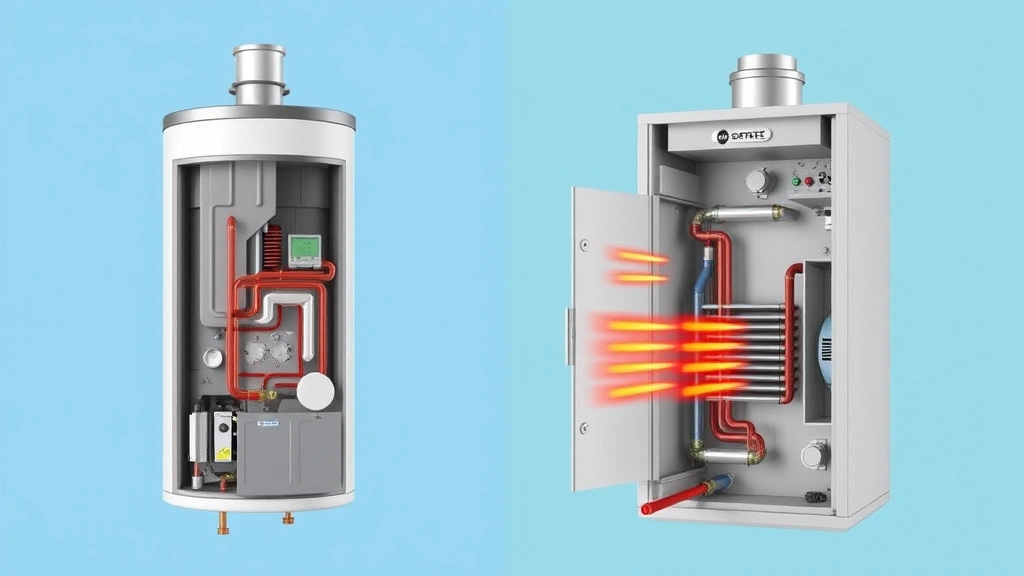
Performance and Recovery Rates
Recovery rate defines how quickly a water heater can heat incoming cold water to the desired temperature. The GCRL-40 400 recovers approximately 40-45 gallons per hour, meaning that after using 40 gallons of hot water, the tank requires about 60-65 minutes to fully reheat. For smaller households with distributed hot water usage, this recovery rate typically proves adequate.
The GUC-40 450’s higher BTU rating delivers recovery rates of 45-52 gallons per hour, providing noticeably faster reheating. This becomes particularly significant in households with multiple bathrooms or simultaneous hot water demands. Families with teenagers, multiple showers per morning, or frequent laundry loads benefit substantially from the improved recovery performance.
First-hour rating (FHR) measures the total volume of hot water available during the first hour of use, combining the tank capacity with recovery rate. The GCRL-40 400 typically achieves an FHR of 70-75 gallons, while the GUC-40 450 reaches 80-90 gallons. This distinction becomes critical when evaluating whether a model meets your household’s peak demand requirements.
Peak demand assessment involves calculating your household’s simultaneous hot water usage. Consider morning routines where multiple showers, dishwashers, and laundry may run concurrently. If your first-hour demand exceeds your heater’s FHR, you’ll experience cold water surprises mid-shower or need to implement usage timing strategies. The GUC-40 450’s superior performance prevents these inconveniences while maintaining consistent comfort.
Installation and Space Requirements
The GCRL-40 400 installation requirements are straightforward for homes with existing atmospheric venting infrastructure. This model uses natural draft, drawing combustion air from the surrounding space and exhausting gases through a vertical or nearly-vertical vent pipe. Installation costs remain minimal, typically $500-$800, as existing venting systems often accommodate this configuration without modification.
The GUC-40 450’s power-vent design requires electrical connections for the exhaust fan motor, adding complexity and cost to installation. However, this flexibility enables installation in locations where natural venting proves impossible, such as basements without adequate draft, attics, or interior utility closets. Installation costs typically range from $800-$1,200 due to electrical work and potentially more complex venting arrangements.
Venting flexibility represents a significant advantage for the GUC-40 450. The power-vent fan can push exhaust gases horizontally through walls or even slightly upward, whereas atmospheric models require gravity-assisted vertical venting. This flexibility proves invaluable in homes with unconventional layouts or when relocating the water heater becomes necessary.
Space considerations favor both models equally regarding tank footprint, as they share identical 40-gallon capacity and dimensions. However, the GUC’s venting fan assembly adds approximately 4-6 inches to the overall height and requires electrical outlet proximity. Ensure adequate clearance around the unit for maintenance access, as both models require periodic inspection and servicing.

Cost Analysis and ROI
The GCRL-40 400 presents lower initial purchase costs, typically ranging from $400-$600 for the unit itself. Combined with installation expenses of $500-$800, total installed costs generally fall between $900-$1,400. This affordability appeals to budget-conscious homeowners and those replacing failed heaters on tight timelines.
The GUC-40 450 commands higher upfront costs, with unit prices between $600-$850 and installation expenses reaching $800-$1,200, resulting in total installed costs of $1,400-$2,050. This premium reflects enhanced efficiency, improved performance, and expanded installation flexibility. For homeowners prioritizing long-term value over initial expenditure, the GUC represents better overall economics.
Operating cost comparison reveals the efficiency advantage’s financial implications. Assuming average household usage and current natural gas rates, annual operating costs for the GCRL-40 400 approximate $400-$500, while the GUC-40 450 typically costs $350-$420 annually. This $80-$100 annual savings compounds significantly over the 10-15 year service life, potentially totaling $800-$1,500 in cumulative savings.
Return on investment calculation demonstrates that despite higher initial costs, the GUC-40 450 generally breaks even within 5-7 years through energy savings alone. After this payback period, continued operation provides pure savings compared to the GCRL model. Additional value emerges from reduced environmental impact, improved performance reliability, and potential utility rebates offered for sustainable energy solutions.
Many utility companies offer rebates ranging from $100-$300 for upgrading to higher-efficiency water heaters. These incentives effectively reduce the GUC-40 450’s net cost, accelerating the payback timeline and enhancing its financial attractiveness. Investigate local utility programs before finalizing your purchase decision.
Environmental Impact Assessment
Carbon footprint analysis reveals meaningful differences between these models over their operational lifetime. The GCRL-40 400’s lower efficiency requires approximately 10-12% more natural gas consumption than the GUC-40 450 to deliver equivalent hot water. Translating this to emissions, the GCRL generates roughly 2-2.5 metric tons of CO₂ annually, while the GUC produces approximately 1.8-2.2 metric tons.
Over a 12-year service life, this efficiency differential results in cumulative emissions of 5-8 metric tons more CO₂ from the GCRL model. To contextualize this impact, this equals the annual carbon sequestration of 80-130 tree seedlings grown for 10 years. While individual water heater choices may seem incremental, collective adoption of higher-efficiency models substantially reduces residential sector emissions.
Natural gas extraction and distribution carry environmental costs beyond combustion emissions, including methane leakage from pipelines and production facilities. By minimizing consumption through efficient equipment, you reduce upstream environmental impacts associated with fuel production and transportation. The GUC-40 450’s improved efficiency contributes meaningfully to this reduction.
Water heating represents the second-largest residential energy expense after space conditioning, making it a high-impact target for environmental improvement. Choosing the more efficient GUC-40 450 aligns with broader sustainability objectives while maintaining comfort and reliability. This decision exemplifies how individual consumer choices cascade into meaningful environmental benefits when multiplied across millions of households.
For homeowners seeking deeper environmental alignment, exploring green technology innovations transforming our future reveals emerging solutions like heat pump water heaters and solar thermal systems that offer even greater sustainability advantages than conventional gas models.
Maintenance and Longevity
Both models require similar maintenance protocols to ensure optimal performance and extended lifespan. Annual inspection of the gas burner, thermostat accuracy verification, and sediment flushing represent essential maintenance tasks applicable to both units. The GCRL-40 400’s simpler design minimizes mechanical components, potentially reducing failure points compared to the GUC’s power-vent fan assembly.
The GUC-40 450’s power-vent fan motor represents an additional component requiring periodic attention. Fan motors typically operate reliably for 10-12 years but may require replacement before the water heater’s end-of-life, adding potential maintenance costs of $200-$400. However, this component failure doesn’t compromise the heating function—the unit reverts to minimal-draft operation, though efficiency decreases slightly.
Sediment accumulation affects both models identically, as tank design and heating element configuration remain similar. Annual flushing removes mineral deposits that accumulate from hard water, preventing efficiency loss and extending tank life. This maintenance task requires 30-45 minutes and costs $100-$150 if performed professionally, or minimal expense if completed as DIY maintenance.
Anode rod replacement represents critical maintenance extending tank lifespan. Both models feature sacrificial anode rods that corrode preferentially to the steel tank, preventing rust-through. Inspection every 2-3 years and replacement when severely corroded prevents tank failure. This maintenance applies equally to both models and typically costs $150-$250 when performed by professionals.
Expected lifespan for both models ranges from 10-15 years under normal conditions, though some units exceed 20 years with diligent maintenance. The GUC-40 450’s superior efficiency and performance characteristics don’t inherently extend lifespan, but the model’s newer design incorporates improved corrosion resistance and thermal insulation compared to older GCRL versions.
Safety Features and Compliance
Both models incorporate essential safety features meeting or exceeding current building codes and safety standards. Thermostat controls maintain water temperature within safe parameters, typically limiting maximum output to 120°F to prevent scalding. Both units feature automatic gas shutoff valves that terminate fuel supply if ignition fails or unsafe conditions develop.
Temperature and pressure relief valves on both models prevent dangerously high pressure buildup. These critical safety components discharge water if internal pressure exceeds safe levels, protecting the tank from rupture. Annual inspection ensures proper valve operation, and replacement becomes necessary if discharge occurs without provocation.
The GUC-40 450’s power-vent system includes safety interlocks preventing gas ignition if the exhaust fan malfunctions, ensuring combustion gases don’t accumulate in living spaces. This feature provides additional safety assurance compared to atmospheric models, where improper venting could theoretically allow dangerous gas intrusion into the home.
Regarding natural gas safety, both models require proper installation by certified technicians familiar with gas code requirements. Understanding what does natural gas smell like helps homeowners detect potential leaks from connections or appliances. Installing a natural gas detector for home provides additional protection, alerting occupants to dangerous accumulations before they reach hazardous levels.
Both models comply with EPA energy efficiency standards and meet all current UL safety certifications. The GUC-40 450’s enhanced efficiency design demonstrates manufacturer commitment to contemporary standards and environmental responsibility, suggesting more recent engineering and potentially fewer legacy design limitations.
Choosing the Right Model for Your Home
Selecting between the GCRL-40 400 and GUC-40 450 depends on evaluating your household’s specific circumstances against each model’s strengths and limitations. Start by assessing your peak hot water demand through honest evaluation of simultaneous usage patterns. If your household rarely experiences multiple concurrent hot water demands, the GCRL-40 400’s adequate performance may satisfy requirements while minimizing upfront costs.
Conversely, larger families, homes with multiple bathrooms, or properties with frequent simultaneous hot water needs benefit substantially from the GUC-40 450’s superior recovery rate and FHR. The improved performance prevents cold water surprises and eliminates the need to stagger activities around water heater recovery cycles. This convenience factor justifies the premium cost for many households.
Installation constraints significantly influence the decision. If your current venting infrastructure accommodates atmospheric models and space limitations exist, the GCRL-40 400 installation remains straightforward and economical. However, if you’re relocating the water heater, remodeling, or lack adequate natural venting, the GUC-40 450’s power-vent flexibility becomes invaluable, potentially making it the only viable option regardless of cost considerations.
Environmental values and long-term sustainability objectives should factor prominently into your decision. If minimizing your carbon footprint and reducing energy consumption align with your priorities, the GUC-40 450’s superior efficiency and lower operational emissions justify the higher initial investment. This choice reflects commitment to environmental stewardship while delivering tangible financial benefits through reduced utility bills.
Budget flexibility represents another practical consideration. If capital availability limits your options, the GCRL-40 400 provides reliable hot water without straining finances. However, if you can accommodate the additional investment, the GUC-40 450’s superior long-term value through energy savings, improved performance, and environmental benefits generally justifies the expense. Many homeowners finance water heater replacements, making monthly payment differences minimal while capturing substantial operating savings.
Timeline considerations may occasionally favor the GCRL-40 400. If your current heater fails unexpectedly and rapid replacement proves necessary, the GCRL’s shorter installation timeline and lower cost provide immediate relief. However, if you have time for thoughtful evaluation and planning, the GUC-40 450’s long-term advantages merit careful consideration.
FAQ
What’s the main difference between GCRL and GUC models?
The primary difference involves venting design: the GCRL-40 400 uses natural draft atmospheric venting, while the GUC-40 450 employs power-vent technology with an electric fan assisting exhaust. This fundamental distinction creates cascading differences in efficiency, performance, installation flexibility, and operating costs.
How much will I save annually with the GUC-40 450?
Annual savings typically range from $80-$100 compared to the GCRL-40 400, though exact amounts depend on local natural gas rates, household usage patterns, and climate factors. Over 12 years, cumulative savings generally reach $960-$1,200, often exceeding the premium paid for the GUC model.
Can I install the GUC-40 450 myself?
Professional installation is strongly recommended for both models, as gas appliance installation requires specialized knowledge of building codes, gas safety, and venting requirements. DIY installation risks gas leaks, improper venting, and code violations, potentially creating safety hazards and voiding manufacturer warranties.
Which model is better for hard water areas?
Both models perform identically in hard water conditions, as tank design and sediment accumulation rates remain equivalent. However, both require more frequent flushing in hard water areas—potentially annually instead of every 2-3 years—to maintain efficiency and prevent premature failure.
Do either model qualify for utility rebates?
The GUC-40 450’s higher efficiency often qualifies for utility company rebates of $100-$300, depending on your location and utility provider. Check with your local utility company or visit Energy.gov for current programs and rebate opportunities in your area.
What’s the warranty coverage for each model?
A.O. Smith typically provides 6-year warranties on tanks and 1-year coverage on parts and labor for both models. Some retailers offer extended warranties extending protection to 10 years. Review warranty specifics before purchase, as coverage terms vary by retailer and region.
How does natural gas efficiency compare to other heating methods?
Natural gas water heaters remain efficient compared to electric resistance models, though less efficient than heat pump water heaters. For detailed comparison, explore EPA residential water heating guidance and consider whether transitioning to emerging technologies aligns with your sustainability goals.
Can I upgrade from GCRL to GUC later?
Yes, upgrading from GCRL to GUC remains possible if your venting infrastructure can accommodate power-vent configuration and electrical connections exist nearby. However, replacement costs during emergency situations often exceed planned replacement expenses, making the upgrade decision more expensive when reactive rather than proactive.


