Is Apopka Gas Eco-Friendly? A Comprehensive Sustainability Analysis
Apopka Gas, a regional utility provider serving central Florida communities, has become a subject of increasing scrutiny regarding its environmental impact and sustainability practices. As consumers and businesses grow more conscious of their carbon footprint, understanding whether traditional natural gas providers align with ecological values becomes essential. This analysis examines Apopka Gas’s operations, environmental commitments, and how they compare to broader industry standards and alternative energy solutions.
The question of whether any fossil fuel-based energy provider can truly be considered “eco-friendly” requires nuanced examination. While natural gas produces fewer emissions than coal or oil, it remains a non-renewable resource with significant environmental implications. For residents and businesses in the Apopka area, evaluating Apopka Gas means considering both their current practices and their trajectory toward renewable energy adoption.
Understanding Apopka Gas Operations
Apopka Gas serves as a local natural gas utility provider delivering energy to residential and commercial customers throughout Orange County and surrounding regions in central Florida. Like most traditional gas utilities, the company operates an extensive network of pipelines, distribution systems, and infrastructure designed to deliver natural gas efficiently to end-users. Understanding their operational model is crucial for assessing their environmental footprint.
The company’s primary function involves sourcing natural gas—predominantly from domestic suppliers—and distributing it through underground pipelines to homes and businesses. This distribution network requires ongoing maintenance, inspection, and upgrades to ensure safety and efficiency. The operational footprint includes not just the gas itself but also the energy required to maintain pressure in pipes, operate compressor stations, and manage the entire supply chain.
Natural gas, while cleaner than coal when burned, is primarily composed of methane, a potent greenhouse gas. Even with modern safety protocols, small leaks can occur throughout the distribution system. Studies have shown that methane emissions from gas utilities represent a significant contributor to climate change, with methane being approximately 25-28 times more potent than carbon dioxide over a 100-year period. For context on how this fits into broader energy discussions, exploring sustainable energy solutions reveals the landscape of alternatives available.
Environmental Impact of Natural Gas
To accurately assess whether Apopka Gas qualifies as eco-friendly, we must first understand natural gas’s inherent environmental characteristics. Natural gas combustion produces approximately 50% fewer carbon dioxide emissions than coal and about 30% fewer than oil when generating equivalent energy. However, “less harmful” does not equate to “eco-friendly” in a sustainability context.
The environmental concerns surrounding natural gas include:
- Methane Leakage: Throughout extraction, processing, transportation, and distribution, methane escapes into the atmosphere. The EPA estimates that methane emissions from natural gas systems account for a substantial portion of the nation’s greenhouse gas emissions.
- Extraction Impact: Natural gas extraction involves hydraulic fracturing (fracking) or conventional drilling, both of which consume water, disturb ecosystems, and can contaminate groundwater if safety measures fail.
- Non-Renewable Resource: Natural gas is a finite fossil fuel that will eventually deplete, making it unsustainable long-term regardless of operational efficiency.
- Climate Contribution: Even with lower emissions than coal, natural gas combustion still produces CO2, contributing to climate change and global warming.
- Infrastructure Expansion: New gas infrastructure investments lock communities into fossil fuel dependence for decades, delaying transition to renewable energy.
According to the EPA’s greenhouse gas emissions overview, natural gas represents a significant portion of U.S. emissions. For those concerned about reducing their environmental footprint, understanding these dynamics is essential. Learn more about practical steps through our guide on reducing your environmental footprint.
Apopka Gas Sustainability Initiatives
While we must acknowledge natural gas’s inherent environmental limitations, examining Apopka Gas’s specific sustainability efforts provides important context. Many modern gas utilities have implemented programs designed to minimize their operational impact, though these efforts exist within the constraints of a fossil fuel business model.
Typical sustainability initiatives undertaken by natural gas providers include:
- Pipeline Modernization: Replacing older infrastructure with newer pipes that have lower leak rates. Older cast iron and unprotected steel pipes are more prone to leaks, while modern materials reduce methane escape.
- Leak Detection Programs: Implementing advanced monitoring systems using infrared cameras, acoustic sensors, and satellite technology to identify and repair leaks more quickly.
- Energy Efficiency Programs: Offering rebates and incentives for customers to upgrade to high-efficiency appliances and heating systems that use less gas.
- Renewable Gas Initiatives: Some utilities explore blending renewable natural gas (RNG) or biogas with traditional natural gas, though this remains a small percentage of total supply.
- Community Education: Providing resources to help customers understand energy conservation and efficiency.
Apopka Gas’s specific commitment to sustainability should be verified through their latest corporate responsibility reports and official communications. The company’s track record regarding infrastructure investment in leak reduction and modernization efforts directly impacts their environmental credentials.

The distinction between genuine sustainability efforts and greenwashing is crucial. True eco-friendly practices require substantial capital investment, transparent reporting, and measurable progress toward reducing emissions and environmental impact. Consumers should examine whether utilities demonstrate consistent improvement in these metrics or simply promote selective positive information.
Comparing to Renewable Alternatives
To properly evaluate whether Apopka Gas is eco-friendly, comparison with renewable energy alternatives provides essential perspective. The energy landscape has fundamentally shifted, with solar, wind, geothermal, and other renewable sources becoming increasingly viable and cost-effective.
For heating and hot water, which represent major natural gas uses, alternatives include:
- Solar Thermal Systems: Using solar energy to heat water directly, reducing or eliminating gas consumption for water heating.
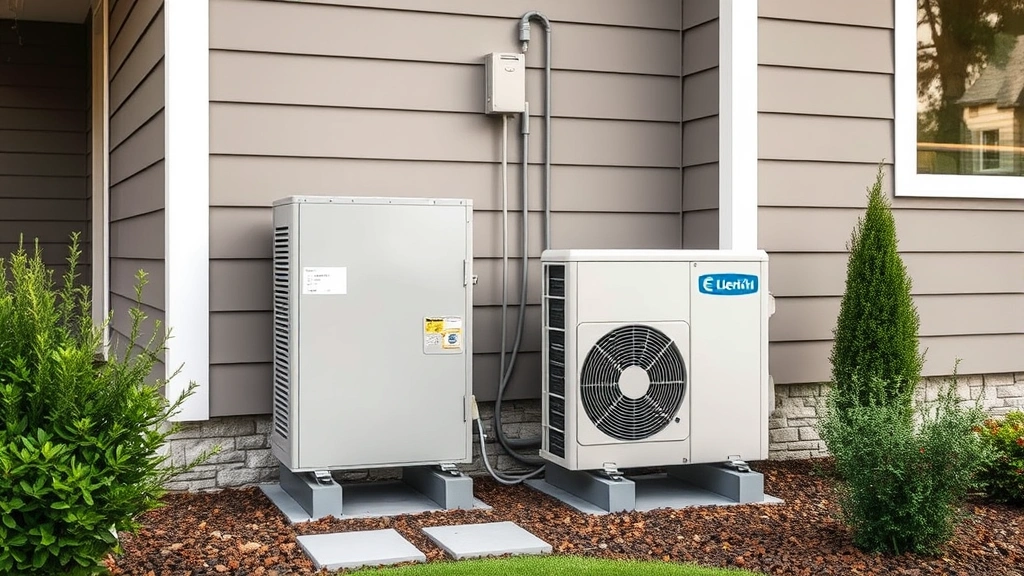
- Heat Pumps: Electric heat pumps can provide heating and cooling more efficiently than gas furnaces, especially when powered by renewable electricity.
- Induction Cooktops: Electric induction cooking is more efficient than gas stoves and eliminates indoor air quality concerns from gas combustion.
- Geothermal Heating: Ground-source heat pumps provide highly efficient heating and cooling by leveraging stable ground temperatures.
The advantages of electric vehicles represent just one aspect of broader electrification trends. Similarly, building electrification—replacing gas with electric alternatives—represents a crucial component of decarbonization strategy. Explore more about how green technology innovations are transforming our future to understand emerging alternatives.
The International Energy Agency and climate scientists increasingly emphasize that achieving climate goals requires phasing out fossil gas expansion and transitioning to renewable energy and electric alternatives. From this perspective, even an environmentally conscious natural gas utility represents a transitional technology rather than a truly eco-friendly solution.
What Consumers Can Do
Whether or not Apopka Gas qualifies as eco-friendly, individual consumers have agency in reducing their dependence on natural gas and minimizing their energy-related environmental impact.
Immediate Actions:
- Conduct a home energy audit to identify where gas consumption occurs and where efficiency improvements are possible.
- Upgrade to ENERGY STAR certified appliances that use less gas while maintaining performance.
- Improve insulation, seal air leaks, and optimize HVAC systems to reduce heating needs.
- Install a programmable or smart thermostat to optimize heating schedules and reduce unnecessary consumption.
- Consider weatherization improvements like new windows, door seals, and attic insulation.
Long-Term Transitions:
- Plan for conversion to electric heating and hot water systems as current gas appliances reach end-of-life.
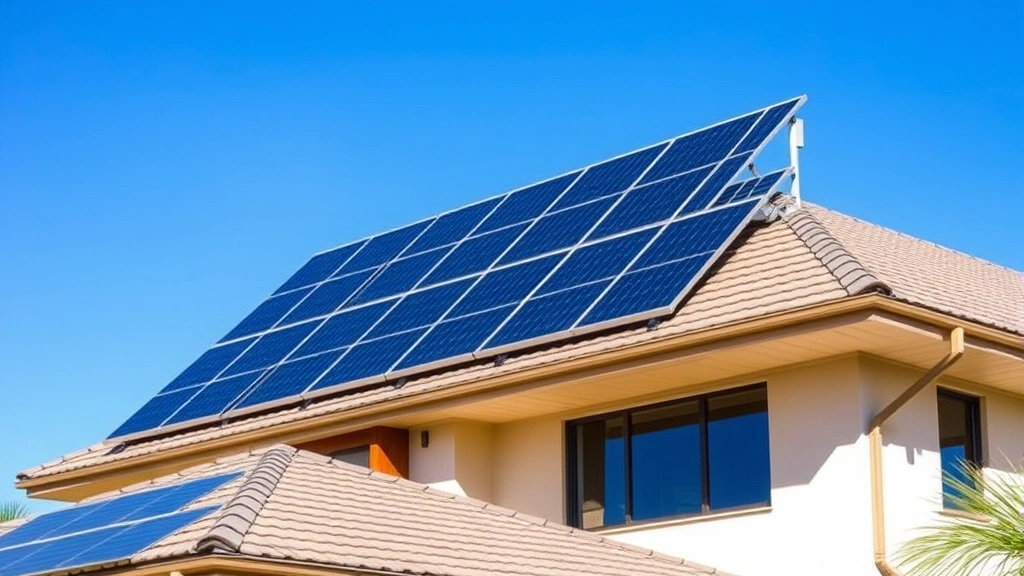
- Explore solar thermal or photovoltaic systems to generate your own renewable energy.
- Investigate heat pump technology, which can provide efficient heating and cooling using electricity.
- Support community advocacy for renewable energy infrastructure and building electrification policies.
- Research whether your utility offers renewable gas blending options, though these remain limited.
Understanding the definition of sustainability helps clarify why individual actions matter: true sustainability requires meeting present needs without compromising future generations’ ability to meet theirs. Natural gas consumption, by definition, compromises future sustainability.
For businesses, the calculus may differ based on operational needs, but many organizations find that converting to electric alternatives and renewable energy ultimately reduces costs while improving sustainability credentials. Commercial buildings have successfully transitioned away from gas-dependent systems, demonstrating feasibility across various facility types.
Consumers should also advocate at the community and policy level. Supporting regulations that encourage building electrification, renewable energy adoption, and utility investment in clean energy infrastructure creates systemic change beyond individual choices. Many municipalities and states have begun establishing policies that phase out gas infrastructure in new construction or incentivize conversions in existing buildings.
FAQ
Is natural gas actually cleaner than other fossil fuels?
Natural gas produces fewer CO2 emissions than coal or oil when burned, making it cleaner in terms of direct combustion emissions. However, methane leakage throughout the supply chain and the fact that it remains a fossil fuel with climate impacts means it’s not truly clean or sustainable long-term. The EPA and climate scientists emphasize that reducing natural gas consumption is essential for meeting climate goals.
Can Apopka Gas become eco-friendly through renewable gas blending?
Renewable natural gas (RNG) produced from organic waste represents a potential improvement, but it remains a small percentage of total supply and faces scaling challenges. Additionally, RNG still produces CO2 when burned. While better than conventional natural gas, RNG is not a complete solution and shouldn’t delay transition to truly renewable energy sources like solar and wind.
What percentage of my utility bill goes to environmental impact?
Your direct bill covers the gas cost, but the environmental cost—including climate change impacts, ecosystem damage from extraction, and health effects from combustion—isn’t reflected in pricing. Economists call this an “externality.” The true cost of natural gas is substantially higher when environmental factors are included.
Are there rebates for transitioning away from natural gas?
Many utilities and government programs offer rebates for energy efficiency improvements and, increasingly, for electrification projects. The U.S. Department of Energy maintains information on available rebates, and state-level programs often provide additional incentives. Check with local utility companies and your state’s energy office for current offerings.
How does Apopka Gas compare to other regional utilities?
Utility comparison requires examining each company’s specific sustainability metrics: infrastructure modernization rates, methane leak detection and repair programs, energy efficiency incentives, and commitments to renewable energy integration. Requesting this information directly from providers and comparing their reported metrics provides the most accurate comparison.
Is it practical to live without natural gas in Florida?
Yes, particularly in Florida’s climate where heating demands are minimal compared to northern states. Electric heat pumps, solar thermal systems, and induction cooktops can meet virtually all needs traditionally served by natural gas. Many Florida homes and buildings successfully operate entirely on electricity powered by renewable sources.
What role should policy play in encouraging alternatives to natural gas?
Policy can accelerate transition through building electrification standards, renewable energy requirements, utility investment incentives, and phasing out new gas infrastructure. Progressive communities are implementing such policies, recognizing that individual consumer choices alone cannot achieve necessary emissions reductions without supportive regulatory frameworks.
For additional perspectives on sustainable practices and energy solutions, visit the SustainWise Hub Blog for comprehensive coverage of environmental topics and actionable sustainability strategies.


