Argon Gas: Eco-Friendly or Not? Expert Insights on Industrial Applications and Environmental Impact
Argon gas, a colorless and odorless noble gas comprising approximately 0.93% of Earth’s atmosphere, has become indispensable in modern industrial processes. From welding and metal fabrication to semiconductor manufacturing and insulation applications, argon gas cylinders support critical infrastructure across multiple sectors. However, as environmental consciousness grows, businesses and consumers increasingly question whether argon gas production and use align with sustainable practices and environmental responsibility. This comprehensive examination explores the ecological implications of argon gas, its production methods, lifecycle impacts, and alternatives that may better serve our planet’s future.
Understanding argon’s environmental profile requires examining both its natural abundance and the energy-intensive processes required to extract, purify, and distribute it in commercial cylinders. Unlike many industrial gases with greenhouse gas potential, argon itself presents no direct climate threat. Yet the systems surrounding argon gas cylinder production, transportation, and recycling demand scrutiny from sustainability advocates seeking to minimize industrial carbon footprints.
What is Argon Gas and Its Industrial Uses
Argon gas represents the third most abundant element in Earth’s atmosphere, making it readily available for extraction through air separation processes. This inert noble gas exhibits remarkable chemical stability, meaning it doesn’t react with other substances under normal conditions. This fundamental characteristic makes argon invaluable across diverse industries, from aerospace manufacturing to food preservation applications.
The primary applications for argon gas cylinders include:
- Welding and Metal Fabrication: Argon serves as a shielding gas in gas tungsten arc welding (GTAW) and gas metal arc welding (GMAW), protecting molten metal from atmospheric contamination and ensuring superior weld quality. This represents the largest industrial demand sector for argon gas.
- Semiconductor Manufacturing: Ultra-pure argon gas maintains controlled atmospheres during silicon crystal growth and wafer processing, critical for producing microchips and electronic components.
- Double-Glazed Windows: Argon fills the insulating space between window panes, providing superior thermal insulation compared to air-filled alternatives and reducing heating and cooling energy requirements in buildings.
- Medical and Laboratory Applications: Argon gas supports analytical equipment, medical procedures, and research environments requiring inert atmospheres.
- Food Preservation: Argon’s inert properties allow food manufacturers to extend shelf life by displacing oxygen in packaging, preventing oxidation and spoilage.
The versatility of argon gas cylinders makes them essential to modern manufacturing infrastructure. Understanding their environmental implications requires examining the complete production and distribution chain.
Environmental Impact of Argon Gas Production
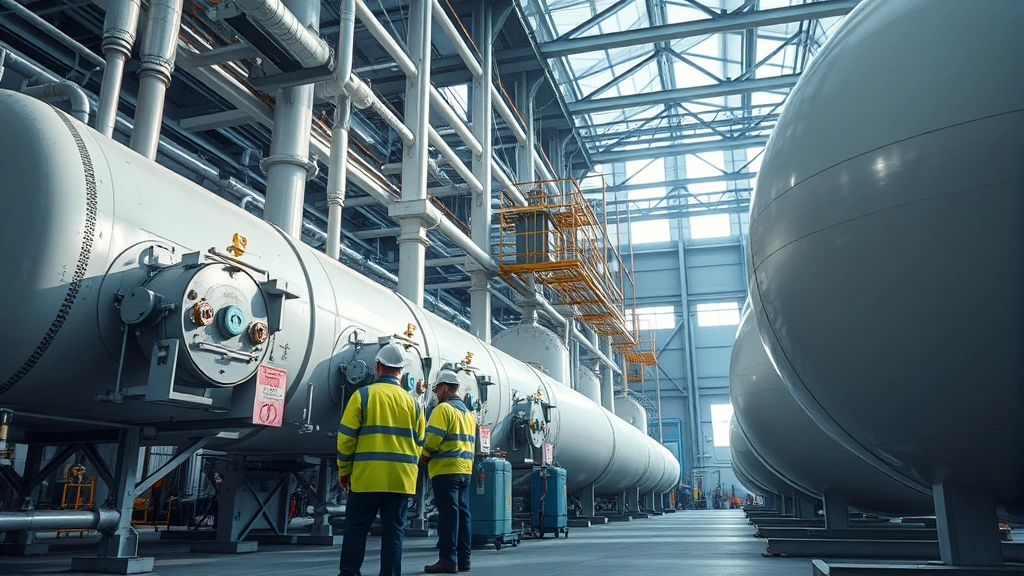
Extracting argon from atmospheric air involves sophisticated air separation technologies that consume significant electrical energy. The primary extraction method, cryogenic air separation, requires cooling air to approximately -320°F (-196°C) to liquefy nitrogen and oxygen while argon separates through fractional distillation. This energy-intensive process represents the most substantial environmental consideration in argon gas cylinder production.
The carbon footprint associated with argon gas production depends critically on the energy source powering separation facilities. Facilities utilizing renewable energy sources such as wind, solar, or hydroelectric power demonstrate substantially lower environmental impacts compared to those relying on fossil fuel-generated electricity. According to research from the U.S. Environmental Protection Agency, industrial gas production accounts for approximately 1-2% of global industrial energy consumption, with air separation representing the dominant energy demand.
Transportation of argon gas cylinders introduces additional environmental considerations. Heavy cylinders require specialized logistics infrastructure, and the distance between production facilities and end-users directly correlates with transportation-related emissions. Regional production facilities minimize transportation impacts compared to centralized manufacturing with extensive distribution networks.
However, argon itself possesses zero global warming potential and presents no ozone depletion risk, distinguishing it from other industrial gases with documented environmental hazards. This fundamental characteristic provides environmental advantages over alternatives like sulfur hexafluoride (SF6), a potent greenhouse gas used in electrical equipment manufacturing.
Argon Gas Cylinder Manufacturing and Lifecycle
The complete lifecycle of an argon gas cylinder encompasses extraction, purification, cylinder manufacturing, filling, distribution, use, and end-of-life management. Each phase presents opportunities for environmental optimization or potential negative impacts requiring mitigation.
Cylinder Manufacturing: Steel cylinders require mining iron ore, processing raw materials, and manufacturing containers through energy-intensive industrial processes. Modern cylinder manufacturers increasingly employ environmentally responsible manufacturing practices including waste reduction, recycling programs, and efficient production technologies. Composite cylinders made from carbon fiber and aluminum offer weight advantages reducing transportation emissions, though manufacturing processes for composite materials require careful environmental assessment.
Filling and Purification: Before distribution, argon gas undergoes additional purification to meet industry-specific purity standards. Semiconductor-grade argon requires 99.9999% purity, demanding rigorous purification processes that increase energy consumption. Medical-grade and welding-grade argon specifications vary, allowing flexibility in purification intensity based on application requirements.
Distribution and Transportation: Argon gas cylinders travel from production facilities through distribution networks to end-users. Transportation represents a quantifiable environmental impact proportional to distance traveled and vehicle efficiency. Local sourcing and regional production facilities reduce transportation-related carbon emissions. Companies seeking to minimize environmental impact should evaluate supplier proximity and distribution methods when selecting argon gas providers.
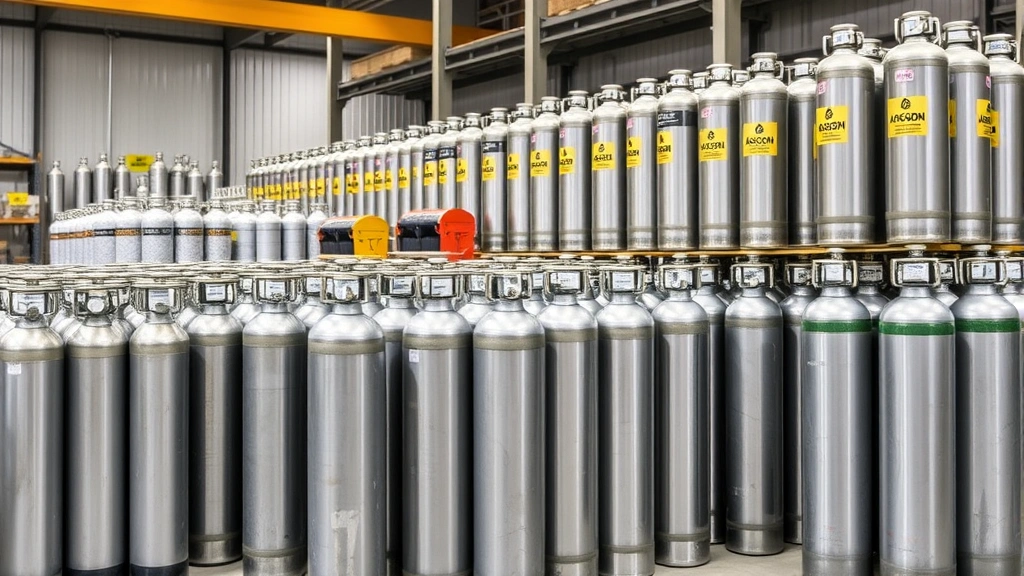
End-of-Life Management: Steel cylinders demonstrate exceptional recyclability, with recycling rates exceeding 80-90% in developed nations. Recycled steel reduces mining requirements and associated environmental degradation. Establishing robust cylinder return and recycling programs represents critical sustainability infrastructure for the industrial gas industry.
Comparison with Alternative Gases
Evaluating argon’s environmental profile requires comparison with alternative shielding and insulating gases used in similar applications. This comparative analysis reveals argon’s relative advantages and limitations within the broader sustainability context.
Argon vs. Nitrogen: Nitrogen, comprising 78% of atmospheric air, offers abundant availability and lower extraction costs compared to argon. However, nitrogen exhibits different chemical properties affecting welding quality and performance in certain applications. For many welding operations, argon provides superior results justifying its selection despite higher costs. Nitrogen-argon mixtures represent compromise solutions optimizing cost-effectiveness and performance characteristics.
Argon vs. Helium: Helium, another noble gas, offers specific advantages in specialized welding applications and semiconductor manufacturing. However, helium extraction requires drilling and natural gas processing, introducing additional environmental complexities. Helium scarcity and rising costs make it economically and environmentally less sustainable than argon for many applications. The U.S. Geological Survey tracks helium resource depletion, highlighting sustainability concerns regarding helium-dependent industries.
Argon vs. Sulfur Hexafluoride (SF6): SF6, used extensively in electrical equipment and magnesium casting, represents a potent greenhouse gas with global warming potential 23,500 times greater than carbon dioxide over 100-year periods. From an environmental perspective, argon substitution for SF6 applications represents significant sustainability improvement. Regulatory frameworks increasingly restrict SF6 usage, making argon-based alternatives increasingly attractive.
Argon vs. Synthetic Alternatives: Emerging synthetic gases and gas mixtures attempt to replicate argon’s performance characteristics while reducing costs. Environmental assessment of these alternatives requires lifecycle analysis comparing extraction, purification, transportation, and end-of-life impacts against traditional argon gas cylinders.
Understanding sustainable energy solutions extends beyond individual gas selection to comprehensive industrial process optimization.
Sustainable Practices in Argon Gas Industry
Leading industrial gas manufacturers increasingly integrate sustainability principles throughout argon production and distribution operations. These progressive practices demonstrate that environmental responsibility and commercial viability need not conflict.
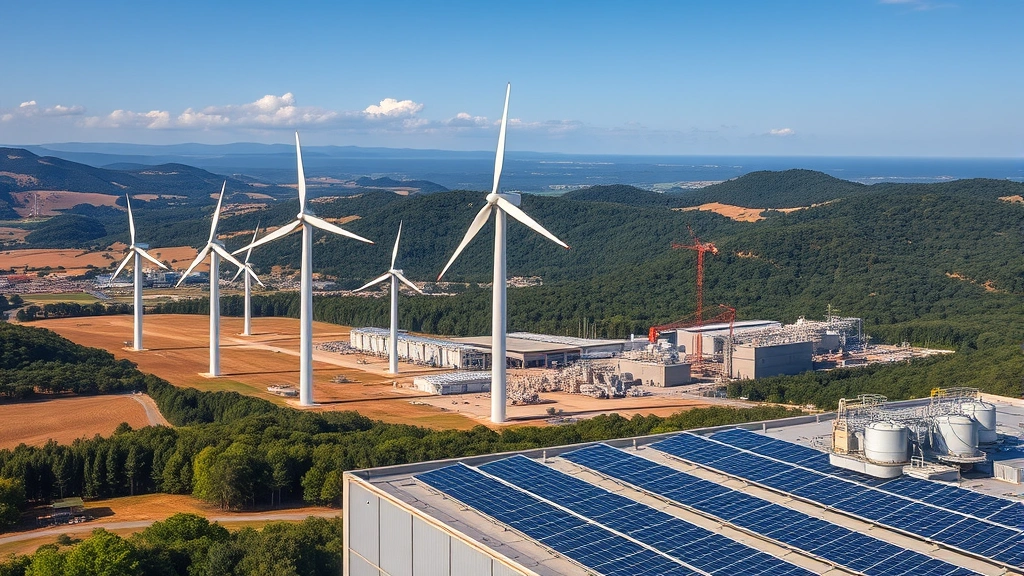
Renewable Energy Integration: Forward-thinking companies operate air separation facilities powered by renewable energy sources including wind farms, solar installations, and hydroelectric facilities. This fundamental shift dramatically reduces production-related carbon emissions. Several major industrial gas producers have committed to carbon neutrality targets requiring renewable energy transition across manufacturing operations.
Energy Efficiency Technologies: Advanced air separation equipment incorporates efficiency improvements reducing electrical consumption per unit of argon produced. Membrane separation technologies, pressure swing adsorption, and optimized cryogenic systems represent innovations decreasing energy intensity. Continuous investment in efficiency improvements delivers both environmental and economic benefits.
Circular Economy Principles: Sustainable manufacturers emphasize cylinder reuse, refurbishment, and recycling rather than single-use disposal. Deposit and return systems incentivize customers to return empty cylinders for refilling, eliminating wasteful disposal practices. Closed-loop systems minimize resource consumption and waste generation throughout the product lifecycle.
Local Production Networks: Establishing regional production facilities reduces transportation distances and associated emissions. Distributed manufacturing infrastructure also improves supply chain resilience and reduces logistics complexity. Companies prioritizing sustainability insights and analysis increasingly favor local suppliers demonstrating environmental commitment.
Transparency and Certification: Reputable manufacturers obtain environmental certifications including ISO 14001 (Environmental Management Systems) and pursue third-party verification of sustainability claims. Transparent reporting of carbon footprints, energy sources, and recycling rates enables informed customer decision-making.
How to Minimize Your Argon Gas Environmental Footprint
Organizations and individuals utilizing argon gas cylinders can implement practical strategies reducing environmental impact without compromising operational requirements or performance standards.
Select Regional Suppliers: Choosing argon gas suppliers operating nearby production facilities minimizes transportation-related emissions. Evaluate supplier proximity and distribution networks when making procurement decisions. Local sourcing typically reduces carbon footprints while supporting regional economic development.
Verify Renewable Energy Sources: Request documentation confirming that suppliers power manufacturing operations with renewable energy. Ask about carbon intensity metrics and lifecycle assessment data. Transparent suppliers willingly provide environmental performance information supporting informed purchasing decisions.
Optimize Gas Consumption: Implement process improvements reducing argon gas consumption per unit of output. Upgrading welding equipment, improving operator training, and optimizing process parameters decrease gas waste. Even modest efficiency improvements compound across annual operations, delivering significant environmental and economic benefits.
Participate in Cylinder Return Programs: Ensure empty cylinders return to suppliers for refilling and recycling rather than disposal. Active participation in deposit-return systems supports circular economy infrastructure. Tracking cylinder returns demonstrates environmental commitment to stakeholders and customers.
Explore Alternative Applications: Evaluate whether argon truly represents the optimal gas choice for specific applications. Consulting with technical experts may reveal alternative approaches reducing gas consumption or utilizing more sustainable substitutes. Process redesign sometimes eliminates inert gas requirements entirely through innovative engineering.
Monitor and Report Progress: Establish baseline measurements of argon gas consumption and associated carbon footprints. Implement monitoring systems tracking usage patterns and identifying waste reduction opportunities. Regular reporting demonstrates environmental commitment and identifies continuous improvement initiatives. Understanding advantages of sustainable transportation extends to supply chain optimization and logistics efficiency.
FAQ
Is argon gas harmful to the environment?
Argon gas itself presents no direct environmental hazard or greenhouse gas potential. However, the energy-intensive extraction and purification processes required to produce argon gas cylinders create carbon footprints dependent on energy sources powering manufacturing facilities. Selecting suppliers utilizing renewable energy minimizes environmental impact. Transportation and end-of-life cylinder management also influence overall lifecycle environmental effects.
What is the most environmentally friendly way to use argon gas?
Minimizing argon gas consumption through process optimization represents the most effective environmental strategy. Selecting suppliers powered by renewable energy, participating in cylinder return and recycling programs, and sourcing locally produced argon reduce environmental footprints. Evaluating whether alternative approaches might eliminate argon requirements entirely demonstrates comprehensive environmental commitment.
How does argon gas compare to other industrial gases environmentally?
Argon demonstrates significant environmental advantages over gases like sulfur hexafluoride (SF6), which exhibits extreme greenhouse gas potential. Compared to helium, argon offers greater abundance and lower extraction complexity. Nitrogen, while abundant, provides different performance characteristics affecting application suitability. Comprehensive lifecycle analysis comparing specific alternatives within particular applications provides most accurate environmental assessment.
Can argon gas cylinders be recycled?
Yes, steel argon gas cylinders demonstrate exceptional recyclability, with recycling rates exceeding 80-90% in developed nations. Establishing return programs ensures cylinders receive proper recycling rather than landfill disposal. Composite cylinders require more specialized recycling approaches, though recycling infrastructure continues expanding. Always return empty cylinders to suppliers rather than disposing through conventional waste streams.
What certifications indicate sustainable argon gas production?
ISO 14001 certification demonstrates formal environmental management systems. Look for suppliers providing carbon footprint documentation, renewable energy verification, and third-party environmental audits. Some manufacturers pursue B-Corp certification or participate in industry sustainability initiatives. Request specific environmental performance metrics and lifecycle assessment data from prospective suppliers.
How much energy does argon gas production consume?
Cryogenic air separation, the primary argon extraction method, represents energy-intensive industrial processes. Energy requirements vary based on argon purity specifications, production volume, and facility efficiency. Semiconductor-grade argon requiring 99.9999% purity demands substantially more energy than welding-grade specifications. Modern facilities achieve approximately 0.5-1.0 kilowatt-hours of electrical energy per kilogram of argon produced, though this varies significantly based on operational factors and energy source carbon intensity.


