
Is Argon Gas Sustainable? Expert Insights on Welding and Industrial Applications
Argon gas has become indispensable in modern welding, manufacturing, and industrial processes, but questions about its sustainability credentials continue to surface. As industries worldwide prioritize sustainable energy solutions and environmental responsibility, understanding the true impact of argon welding gas requires examining its extraction, production, applications, and role within circular economy frameworks. This comprehensive analysis explores whether argon represents a sustainable choice for industrial operations or if alternatives warrant consideration.
The sustainability conversation surrounding argon gas extends beyond simple yes-or-no answers. Rather, it demands nuanced evaluation of production methods, lifecycle impacts, recovery systems, and comparative analysis against alternative gases and processes. Whether you’re an industrial manager, sustainability officer, or curious professional, this guide provides evidence-based insights into argon’s environmental footprint and emerging best practices.
What Is Argon Gas and Why Is It Used in Welding?
Argon is a noble gas comprising approximately 0.93% of Earth’s atmosphere, making it the third most abundant gas after nitrogen and oxygen. This inert, colorless, and odorless gas has become the preferred choice for numerous welding applications, particularly in industries requiring high-quality joints and precise metal fusion. The widespread adoption of argon welding gas stems from its unique chemical properties that prevent oxidation and contamination during the welding process.
In welding operations, argon serves as a shielding gas, creating a protective atmosphere around the weld pool that prevents atmospheric oxygen and nitrogen from reacting with molten metal. This protection is crucial for producing strong, clean welds in aluminum, stainless steel, and other reactive metals. Industries ranging from aerospace and automotive manufacturing to food processing equipment fabrication rely heavily on argon-based welding processes. The gas’s inertness means it doesn’t participate in chemical reactions, making it ideal for applications where material purity and weld quality are non-negotiable.
Beyond welding, argon finds applications in semiconductor manufacturing, medical equipment production, pharmaceutical processing, and various research laboratory settings. Its versatility explains why global demand for argon continues climbing despite emerging concerns about resource efficiency and environmental stewardship. Understanding argon’s production pathways becomes essential when evaluating whether current usage patterns align with sustainability principles and long-term environmental goals.
Argon Production Methods and Their Environmental Impact
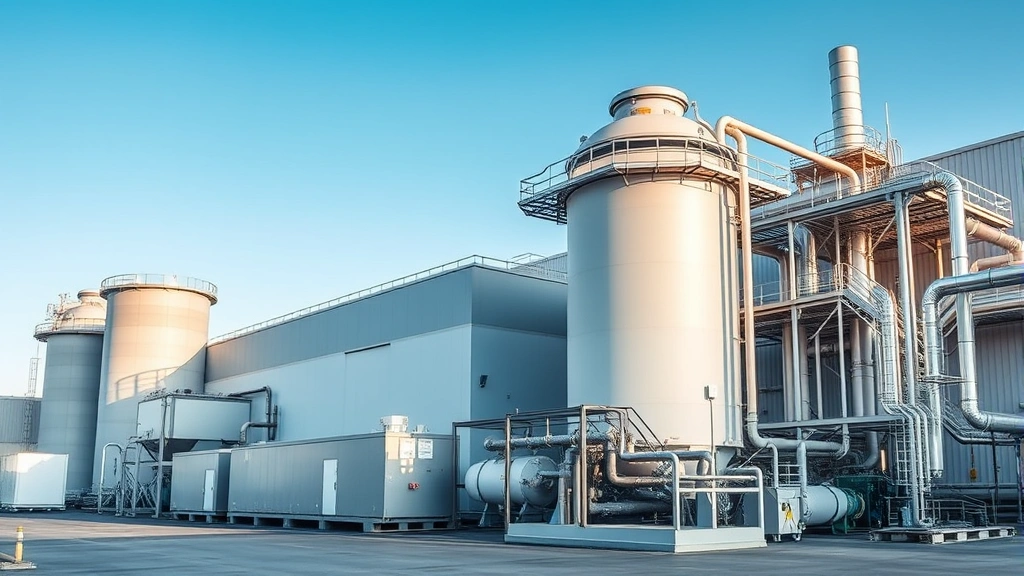
Argon is extracted almost exclusively from air through cryogenic separation processes, a method that has remained largely unchanged for decades. The process begins with liquefying atmospheric air at extremely low temperatures, typically around -320°F (-196°C). Once liquefied, the air undergoes fractional distillation, where different components separate based on their boiling points. Nitrogen, oxygen, and argon separate into distinct layers, with argon collected as a byproduct during oxygen and nitrogen extraction.
The energy requirements for cryogenic air separation represent the most significant environmental consideration in argon production. Industrial air separation units consume substantial electricity to maintain the extreme cooling necessary for liquefaction and distillation. Depending on the energy grid’s composition, this electricity may derive from renewable sources or fossil fuels. Facilities powered by renewable energy demonstrate considerably lower carbon footprints compared to those relying on coal or natural gas-generated electricity. According to research from the Environmental Protection Agency, industrial gas production accounts for meaningful greenhouse gas emissions when powered by carbon-intensive electricity sources.
Fortunately, argon production generates minimal direct emissions. The extraction process doesn’t involve chemical reactions, combustion, or byproduct generation in the traditional sense. Argon is essentially harvested from abundant atmospheric reserves without depleting finite resources or creating hazardous waste streams. This fundamental difference separates argon from gases requiring energy-intensive synthesis or extraction from limited reserves. However, the electricity consumption during production remains a critical sustainability metric requiring ongoing attention and optimization.
Modern argon production facilities increasingly incorporate energy efficiency improvements, including advanced compressor technologies, heat recovery systems, and waste heat utilization. Some facilities have transitioned to renewable energy sources, significantly reducing their carbon intensity. These developments suggest that argon production can become increasingly sustainable as energy infrastructure evolves toward cleaner sources.
The Sustainability Profile of Argon Welding Gas
Evaluating argon’s overall sustainability requires examining multiple dimensions: resource depletion, greenhouse gas emissions, air quality impacts, and long-term availability. Argon presents a paradox—while derived from an essentially infinite atmospheric resource, its production energy consumption creates environmental concerns that demand honest assessment.
Resource Availability: Unlike rare earth elements or fossil fuels, argon will never face depletion. The atmosphere contains approximately 66 trillion tons of argon, with atmospheric concentration remaining constant. This abundance fundamentally distinguishes argon from non-renewable industrial inputs. Industries can confidently incorporate argon into long-term production strategies without confronting supply chain vulnerabilities or geopolitical resource conflicts that characterize extraction-dependent materials.
Carbon Footprint Considerations: The carbon footprint of argon welding gas varies significantly based on production facility location and electricity source. A facility powered by hydroelectric generation might produce argon with a carbon intensity of 50-100 kg CO₂ per ton, while a facility reliant on coal-generated electricity could exceed 500 kg CO₂ per ton. This substantial variation emphasizes the importance of sourcing argon from suppliers utilizing renewable energy or high-efficiency production methods. Industries committed to green technology innovations increasingly specify low-carbon argon in supplier contracts.
Atmospheric Impact: Once released into the atmosphere after use, argon poses no environmental hazard. As an inert noble gas, it doesn’t participate in ozone depletion, climate change, or air quality degradation. This characteristic fundamentally differs from some alternative gases used in industrial applications. Argon’s chemical inertness means its environmental impact is essentially limited to production-phase considerations rather than extending into use-phase or end-of-life phases.
Lifecycle Assessment: Comprehensive lifecycle assessments of argon welding processes must account for production energy, transportation, storage, equipment manufacturing, and end-of-use considerations. When properly calculated, argon’s total lifecycle impact remains relatively modest compared to many industrial inputs. However, opportunities exist to further reduce this impact through improved energy efficiency, renewable energy adoption, and enhanced recovery systems.
Recovery and Recycling Systems for Argon Gas
One of the most promising developments in argon sustainability involves recovery and recycling systems that capture argon gas after welding operations. Rather than allowing shielding gas to disperse into the atmosphere, advanced facilities implement collection systems that recover 80-95% of used argon for reprocessing and reuse. This represents a significant opportunity for reducing both consumption volumes and production-related environmental impacts.
Industrial argon recovery systems typically employ several technologies:
- Membrane Separation: Selective membranes allow argon molecules to pass through while blocking nitrogen and oxygen, enabling high-purity argon recovery from mixed gas streams
- Cryogenic Separation: Liquefying gas mixtures and performing fractional distillation recovers argon with exceptional purity suitable for demanding applications
- Pressure Swing Adsorption (PSA): Solid adsorbent materials selectively capture argon under pressure, releasing it when pressure decreases
- Absorption Systems: Liquid absorption media selectively capture argon for subsequent recovery through temperature and pressure adjustment
The economics of argon recovery have improved dramatically as technology maturation and scale-up reduce equipment costs. Facilities processing large argon volumes frequently achieve positive return on investment within 3-5 years, with operational cost reductions continuing indefinitely. Beyond financial benefits, recovery systems generate substantial environmental advantages by reducing production demands and associated energy consumption.
Forward-thinking industries increasingly mandate argon recovery as a condition of operational licensing or environmental compliance. Aerospace manufacturers, semiconductor facilities, and large-scale fabrication operations have pioneered recovery system implementation, demonstrating technical feasibility and economic viability. As these systems proliferate, argon sustainability improves significantly, suggesting that today’s perception of argon as a resource-intensive gas may evolve substantially within the coming decade.

Comparing Argon to Alternative Welding Gases
Evaluating argon’s sustainability requires comparative analysis against alternative gases used in welding and related industrial processes. Several alternatives exist, each presenting distinct advantages and disadvantages:
Helium: While chemically similar to argon, helium presents significant sustainability challenges. Helium extraction requires drilling for natural gas reserves, making it a fossil fuel-dependent resource with finite supplies. Helium’s scarcity and extraction impacts make it substantially less sustainable than argon, despite superior thermal conductivity in some applications. The U.S. Geological Survey has documented concerning helium depletion trends, prompting industrial users to minimize helium consumption where alternatives suffice.
Nitrogen-Based Mixtures: Some welding applications employ nitrogen-oxygen mixtures as cost-effective alternatives to pure argon. However, nitrogen’s reactivity with certain metals limits applicability, and cost advantages often diminish when considering weld quality requirements and rework expenses. Nitrogen-based approaches work for specific applications but cannot universally replace argon without sacrificing quality or material compatibility.
Carbon Dioxide: CO₂ welding gas offers economic advantages but carries inherent sustainability concerns. While CO₂ is a byproduct of various industrial processes and can be recovered rather than produced specifically, its use still increases atmospheric carbon concentrations through release. For applications where argon compatibility exists, argon presents superior environmental credentials.
Argon-Based Mixtures: Rather than seeking completely alternative gases, many industries optimize sustainability by using argon-based mixtures containing small percentages of oxygen, nitrogen, or CO₂. These mixtures reduce total argon consumption while maintaining weld quality for specific applications. This approach represents pragmatic sustainability implementation—accepting realistic operational constraints while minimizing environmental impact.
The comparative analysis consistently reveals that argon, particularly when sourced from renewable-powered facilities and coupled with recovery systems, represents one of the more sustainable options available for demanding welding applications. This conclusion doesn’t mean argon usage requires no improvement, but rather that available alternatives often present greater sustainability challenges.
Industry Standards and Certification Programs
Recognizing the importance of sustainable industrial gas management, various organizations have developed standards and certification programs addressing argon production and usage. These frameworks provide metrics, guidelines, and verification mechanisms that enable industries to make informed sourcing decisions.
The International Organization for Standardization (ISO) has established standards for industrial gas purity, handling, and safety, though comprehensive sustainability-specific standards remain in development. The Industrial Gas Association promotes best practices in production efficiency and environmental stewardship, advocating for member facilities to adopt cleaner technologies and recovery systems.
Environmental product declarations (EPDs) provide transparent information about industrial gas environmental impacts, enabling procurement specialists to compare suppliers based on carbon intensity, energy consumption, and recovery system implementation. Forward-thinking organizations increasingly request EPDs from argon suppliers, creating market incentives for continuous environmental improvement.
Certification programs such as ISO 14001 (Environmental Management Systems) and carbon trust certifications help industries verify that suppliers maintain rigorous environmental standards. These third-party validations provide assurance that argon comes from facilities committed to minimizing environmental footprints and implementing energy-efficient practices comparable to those in modern energy infrastructure.
Additionally, many industries incorporate sustainability requirements into supplier contracts, specifying minimum renewable energy percentages in argon production or mandating recovery system implementation. This contractual approach creates direct market pressure for environmental improvement, demonstrating that procurement decisions fundamentally influence industrial sustainability outcomes.
Best Practices for Sustainable Argon Usage
Organizations committed to minimizing their environmental impact while maintaining necessary argon welding capabilities can implement several evidence-based best practices:
Supplier Selection: Prioritize suppliers demonstrating commitment to renewable energy adoption and recovery system implementation. Request environmental product declarations and carbon intensity data. Establish long-term relationships with suppliers aligned with organizational sustainability objectives. This approach directly rewards environmental stewardship and creates market incentives for continued improvement.
Recovery System Implementation: For facilities with substantial argon consumption, recovery systems typically achieve rapid payback periods while generating ongoing cost reductions and environmental benefits. Conduct feasibility studies to determine recovery system suitability for your specific operations, considering gas volumes, purity requirements, and available space.
Consumption Optimization: Evaluate welding processes to identify opportunities for reducing argon consumption without compromising quality. Techniques include optimizing flow rates, minimizing waste through improved technique training, and employing argon-based mixtures where applicable. Even modest consumption reductions multiply substantially across large-scale operations.
Equipment Maintenance: Well-maintained welding equipment operates more efficiently and minimizes gas waste through leakage or incomplete combustion. Implement preventive maintenance programs ensuring equipment functions optimally, reducing both argon consumption and operational costs.
Employee Training: Educate welding personnel about sustainable practices, including proper gas flow rate adjustment, leak identification, and equipment care. Informed operators naturally adopt practices minimizing waste while maintaining quality standards.
Monitoring and Measurement: Establish baseline measurements of current argon consumption and implement monitoring systems tracking usage patterns. Regular audits identify efficiency opportunities and demonstrate progress toward sustainability targets. Data-driven approaches enable evidence-based decision-making and continuous improvement.
Alternative Process Evaluation: Periodically reassess whether alternative welding processes or materials might reduce argon dependency for specific applications. While argon remains superior for many uses, technological advances may enable alternatives for certain operations, reducing overall consumption.
FAQ
Is argon gas considered renewable?
Argon itself is renewable in the sense that atmospheric supplies remain constant and inexhaustible. However, the production process requires electricity, making sustainability dependent on whether that electricity derives from renewable or fossil fuel sources. Argon from renewable-powered facilities can reasonably be considered renewable, while argon from fossil-powered plants carries embedded carbon.
Can argon gas be recycled or recovered?
Yes, advanced recovery systems can capture 80-95% of argon used in welding operations for reprocessing and reuse. These systems employ membrane separation, cryogenic distillation, or pressure swing adsorption technologies. Recovery systems typically achieve positive financial returns within 3-5 years while significantly reducing environmental impact.
What is argon’s carbon footprint?
Argon’s carbon footprint varies substantially based on production facility electricity sources. Renewable-powered facilities produce argon with carbon intensity of 50-100 kg CO₂ per ton, while fossil-fuel-dependent facilities may exceed 500 kg CO₂ per ton. Requesting environmental product declarations from suppliers provides accurate carbon intensity data for specific sourcing decisions.
How does argon compare to helium in terms of sustainability?
Argon is substantially more sustainable than helium. Argon derives from abundant atmospheric reserves through energy-intensive but chemically simple separation, while helium requires extraction from finite natural gas reserves. Helium’s depletion concerns and extraction impacts make argon the superior environmental choice where application requirements permit.
Are there sustainable alternatives to argon for welding?
For many applications, argon remains the most sustainable option available. While alternatives like CO₂ or nitrogen-based mixtures exist, they often present greater sustainability challenges or inferior weld quality. Argon-based mixtures containing small percentages of other gases represent pragmatic approaches to optimizing sustainability while maintaining performance requirements.
What industries use the most argon gas?
Welding and fabrication industries consume the largest argon volumes, particularly aerospace, automotive, food processing equipment, and heavy manufacturing sectors. Semiconductor manufacturing, medical device production, and research laboratories also represent significant consumers. Understanding industry-specific consumption patterns helps identify where recovery systems and efficiency improvements generate maximum impact.
How can my organization reduce argon consumption?
Implement recovery systems for large-volume operations, optimize welding processes to minimize gas waste, maintain equipment properly to prevent leakage, train personnel in sustainable practices, and evaluate alternative processes where applicable. Monitoring consumption patterns through regular audits identifies specific efficiency opportunities customized to your operations.


