Is Avon Gas Mask Effective? Military Insights and Environmental Protection
The Avon gas mask has served as a critical protective device for military personnel, first responders, and industrial workers for decades. Understanding its effectiveness requires examining both its historical performance in combat situations and its modern applications in hazardous environments. This comprehensive analysis explores the technology behind Avon gas masks, their protective capabilities, maintenance requirements, and how they compare to contemporary alternatives in safeguarding human health against airborne threats.
As environmental challenges evolve and industrial hazards persist, the demand for reliable respiratory protection continues to grow. Whether deployed in chemical warfare scenarios, industrial accidents, or emergency response situations, the Avon gas mask represents a significant investment in personal safety. Our exploration delves into the scientific principles that make these devices effective, the certifications that validate their performance, and practical considerations for users who depend on them for protection.
History and Development of Avon Gas Masks
The Avon Protection company emerged from a legacy of innovation in respiratory protection, building upon decades of experience in manufacturing protective equipment. The evolution of gas mask technology reflects humanity’s ongoing struggle to defend against chemical and biological threats. Avon’s commitment to research and development has positioned their masks among the most trusted protective devices globally, with military forces and emergency services across multiple nations relying on their products for critical operations.
Modern Avon gas masks incorporate advanced materials and design principles developed through rigorous testing and real-world operational feedback. The company’s investment in understanding threat profiles, from traditional chemical agents to contemporary biological hazards, demonstrates a proactive approach to protection. This historical context matters because it establishes the credibility and proven track record that makes Avon masks a benchmark standard in the industry. When evaluating Avon gas mask effectiveness, we must consider not just laboratory data but decades of field performance across diverse military and civilian applications.
The transition from earlier gas mask designs to modern Avon systems involved significant innovations in filter technology, facepiece design, and optical clarity. Each generation built upon previous learning, incorporating soldier feedback and advancing chemical detection capabilities. This evolutionary process ensures that current Avon masks benefit from accumulated expertise and technological advancement, making them substantially more effective than earlier iterations.
Technical Specifications and Protective Capabilities
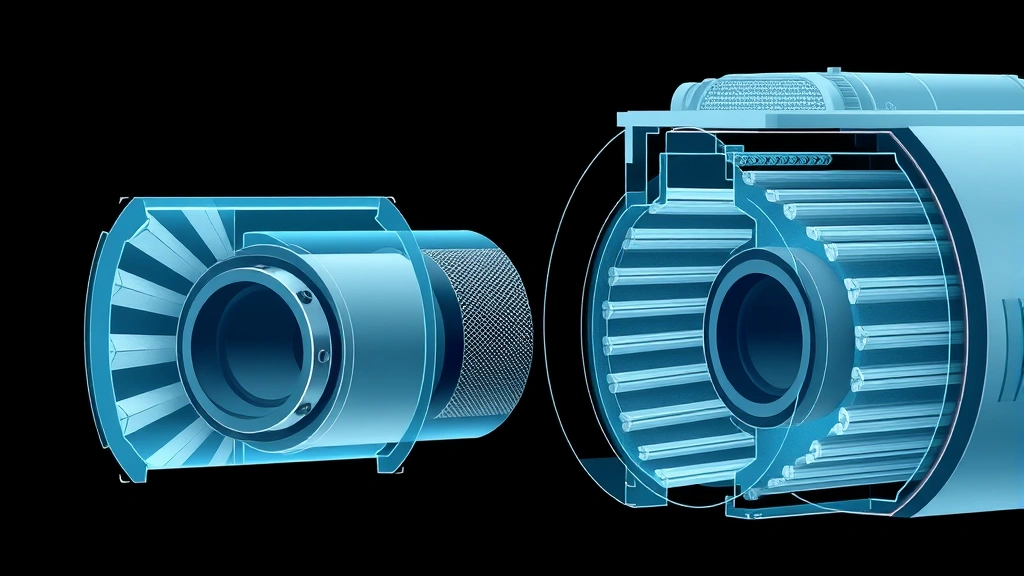
Avon gas masks function through a multi-layered approach to respiratory protection, combining mechanical filtration with chemical absorption. The facepiece creates an airtight seal around the user’s face, preventing unfiltered air from entering the breathing zone. The cartridge or canister system contains activated charcoal and other chemical absorbents designed to neutralize specific threat agents before air reaches the lungs. Understanding these technical components reveals why Avon masks maintain their reputation for reliability and effectiveness in hazardous environments.
The protective capability of an Avon gas mask depends on several critical factors: the quality of the facepiece seal, the integrity of the filter media, the appropriate selection of cartridges for specific threats, and proper donning procedures. Military personnel and industrial workers undergo extensive training to ensure they maximize protection by understanding these variables. The protective factor of a gas mask—the ratio of external contamination to internal contamination—determines how effectively it shields the wearer. Premium Avon systems achieve protection factors exceeding 10,000 for certain threat agents when properly fitted and maintained.
Filter cartridges contain multiple layers of media designed to address different contaminant types. The outer layers trap particulates, while inner layers containing activated charcoal absorb organic compounds and chemical agents. Some advanced cartridges include specialized media for biological threats or specific industrial hazards. This modular approach allows users to select appropriate protection for their specific operational environment, whether facing military chemical agents or industrial toxic gases. The effectiveness of this system hinges on matching the correct cartridge to the identified threat.
Military Applications and Combat Effectiveness
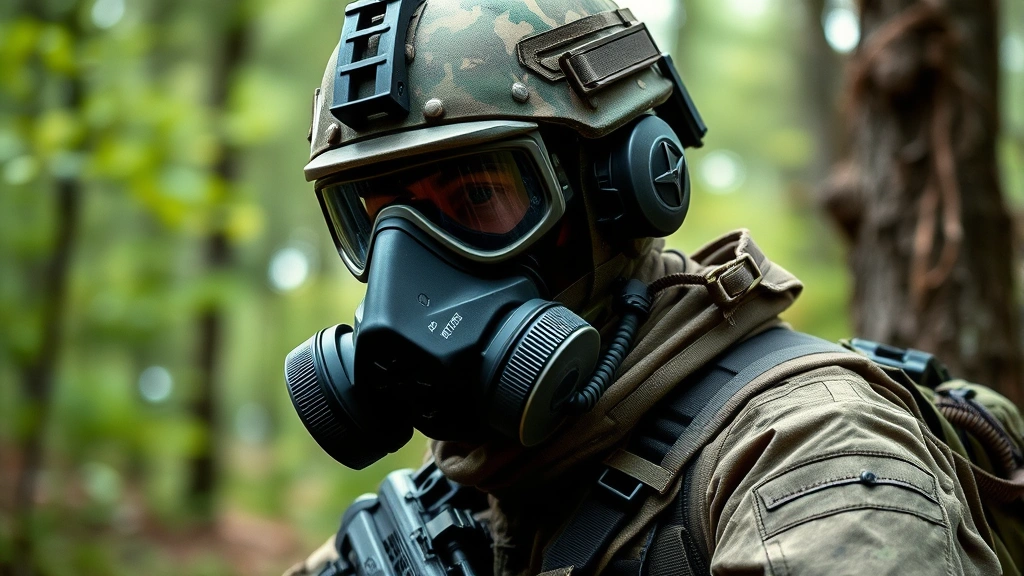
Military forces worldwide have adopted Avon gas masks as standard issue protective equipment, a decision reflecting rigorous evaluation of their protective capabilities under combat conditions. Armed forces require equipment that performs reliably under extreme stress, maintains functionality in adverse weather, and allows soldiers to continue their mission while protected. The extensive testing and validation that Avon masks undergo ensures they meet these demanding military requirements.
In military scenarios, gas mask effectiveness extends beyond simple chemical protection. Soldiers must communicate with teammates, maintain situational awareness, and operate weapons systems while wearing protective equipment. Avon masks address these challenges through features like integrated communication ports, optical designs that minimize visual distortion, and lightweight construction that reduces fatigue during extended wear. These practical considerations directly impact combat effectiveness, as compromised vision or impaired communication can be as dangerous as inadequate chemical protection.
Historical military deployments have validated Avon mask performance under real-world conditions. From their use in Gulf War operations to contemporary peacekeeping missions, these masks have provided reliable protection when soldiers faced chemical or biological threats. The ability to maintain operational capability while protected represents a significant advancement over earlier gas mask designs that severely restricted wearer function. This balance between protection and operational utility explains why military procurement officers continue selecting Avon systems for their forces.
Training and readiness protocols emphasize that military gas mask effectiveness depends not just on equipment quality but on soldier proficiency. Proper donning procedures, regular fit testing, and understanding cartridge limitations all contribute to whether protection actually materializes in combat. Military units conduct extensive exercises to ensure personnel can don masks rapidly under stress and maintain functionality during extended operations. This human element is crucial—even the most advanced mask provides no protection if donned incorrectly or if the user selects inappropriate cartridges for the threat environment.
Certification Standards and Testing Protocols
International standards organizations have established rigorous testing protocols that validate gas mask effectiveness before they reach military or civilian users. The EPA and similar regulatory bodies oversee certification processes that ensure protective equipment meets minimum performance thresholds. Avon masks undergo testing for protection against specific chemical agents, particulates, and biological threats, with results documented and verified by independent laboratories.
The National Institute for Occupational Safety and Health (NIOSH) establishes certification criteria that manufacturers must satisfy. These standards specify testing procedures for filter efficiency, facepiece integrity, and protection factors under controlled laboratory conditions. Avon masks certified by NIOSH have demonstrated their ability to achieve specified protection factors when used according to manufacturer instructions. This certification process provides users with confidence that equipment will perform as advertised in real-world applications.
Military organizations often establish additional testing requirements beyond civilian standards. NATO protocols, for instance, specify chemical agents and threat concentrations that masks must protect against. Avon masks approved for NATO use have been tested against these demanding standards, ensuring they protect soldiers across allied nations. The rigor of military testing exceeds civilian requirements, reflecting the critical nature of protection in combat environments where chemical exposure could prove immediately fatal.
Testing protocols also evaluate mask performance under environmental stress. Extreme temperatures, humidity variations, and physical impacts all receive assessment to ensure masks maintain integrity across operational conditions. This comprehensive approach to validation means that Avon mask certifications reflect real-world performance potential, not just laboratory ideals. Users can trust that certified equipment will function as intended even when environmental conditions are challenging.
Maintenance and Operational Readiness
The effectiveness of any gas mask depends significantly on proper maintenance and storage. Avon masks require regular inspection for facepiece damage, cartridge integrity, and seal function. Military units implement strict maintenance protocols, with equipment inspected after each use and periodically tested for fit and function. This commitment to maintenance ensures that masks remain ready for deployment and perform reliably when needed.
Cartridge storage and replacement represent critical maintenance considerations. Chemical absorbents gradually become saturated with atmospheric moisture and contaminants, reducing their protective capacity over time. Manufacturers specify cartridge service life, typically one to five years depending on storage conditions and usage. Replacing cartridges according to manufacturer recommendations ensures protection remains effective. OSHA regulations require organizations to maintain cartridge replacement schedules and document maintenance activities.
Environmental factors significantly impact mask readiness. Extreme temperatures can damage rubber components, while excessive humidity can compromise cartridge effectiveness. Storage facilities must maintain controlled temperature and humidity to preserve mask integrity. Military armories invest in proper storage infrastructure to ensure masks remain operational during the extended periods between deployments. This attention to environmental conditions demonstrates how maintenance directly affects mask effectiveness.
Users must also understand cartridge saturation limits. Once a cartridge reaches saturation, it provides no additional protection and may actually become a liability by creating false confidence in protection. Training emphasizes recognizing saturation indicators and replacing cartridges at appropriate intervals. This knowledge prevents dangerous situations where users believe they are protected when cartridges have actually become ineffective.
Comparison with Modern Alternatives
While Avon gas masks maintain widespread military and industrial use, newer protective technologies continue emerging. Powered air-purifying respirators (PAPRs) offer advantages in comfort and visibility while maintaining high protection factors. These systems use electric blowers to draw air through filters, reducing breathing resistance and eliminating the need for a tight facepiece seal. However, they require power sources and are less portable than traditional masks, making them less suitable for field military operations.
Supplied air respirators provide absolute protection by delivering breathing air from external sources, eliminating reliance on filter cartridges. These systems work well in confined spaces with known hazard levels but lack the mobility required for combat or extended field operations. The comparison between Avon gas masks and alternative systems reveals that each technology excels in specific applications. Military forces continue using traditional masks because they balance protection, portability, and operational utility in ways alternatives cannot match.
Advances in filter media continue improving Avon mask effectiveness. New absorbent materials target emerging threats like fentanyl and other synthetic compounds. Optical improvements reduce visual distortion, and communication systems now integrate seamlessly with modern military equipment. These incremental improvements demonstrate that Avon technology evolves to address contemporary threats while maintaining the core advantages that made the systems effective historically.
The comparison also considers cost-effectiveness. Traditional gas masks remain relatively inexpensive compared to powered systems or supplied air equipment, making them accessible for military forces with large personnel requirements. This economic advantage, combined with proven effectiveness, explains why militaries worldwide continue relying on Avon and similar traditional masks despite newer alternatives.
Environmental and Industrial Uses
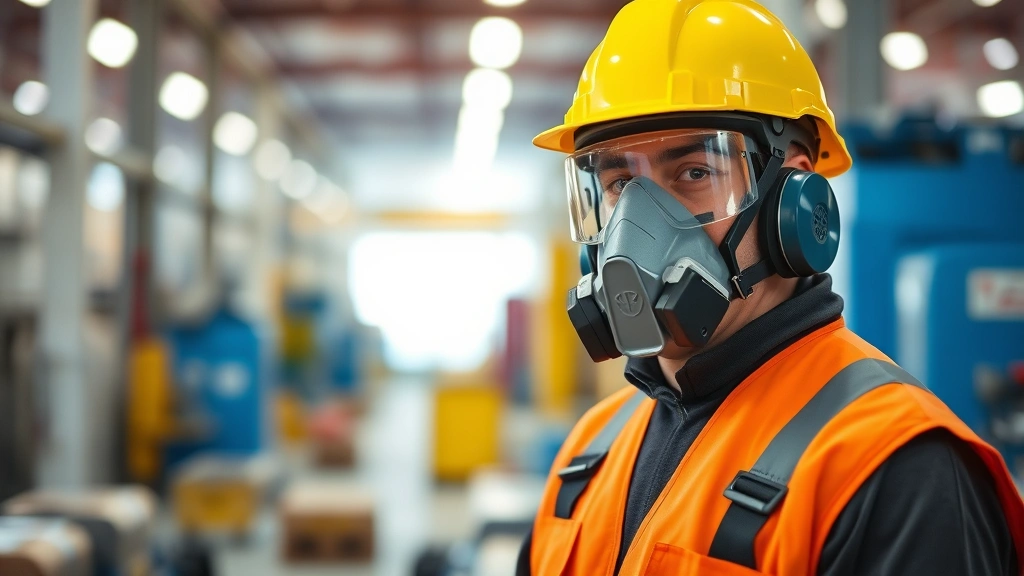
Beyond military applications, Avon gas masks serve critical functions in industrial and environmental protection. Workers in chemical manufacturing, hazardous waste disposal, and emergency response depend on effective respiratory protection. The same technology that protects soldiers from chemical weapons protects industrial workers from occupational hazards. Understanding Avon mask effectiveness in industrial settings requires examining specific threat profiles and worker exposure scenarios.
Industrial applications often involve different threat profiles than military scenarios. Factory workers might face organic vapor exposure, particulate hazards, or combination threats requiring specific cartridge selection. Emergency responders at hazardous material incidents need masks that protect against unknown contaminants while allowing rapid deployment. Avon masks address these needs through modular cartridge systems and comprehensive training programs that help users select appropriate protection for their specific environment.
Environmental cleanup operations represent another critical application area. Remediation workers removing contaminated soil, addressing chemical spills, or decontaminating facilities require reliable respiratory protection. The durability and reliability of Avon masks make them suitable for extended operations in challenging environmental conditions. Workers in these roles often wear masks for hours at a time, making comfort and functionality crucial considerations alongside protection.
The relationship between industrial protection and broader sustainable energy solutions reflects growing recognition that worker safety and environmental protection are interconnected. Industries transitioning toward cleaner energy sources still require robust safety equipment during transition periods. Avon masks protect workers during this shift, ensuring that progress toward sustainability doesn’t compromise occupational safety. Similarly, adoption of electric vehicles and other green technology innovations requires workers who can safely handle new materials and processes, often protected by equipment like Avon masks.
Industrial hygiene professionals conduct exposure assessments that determine when respiratory protection becomes necessary. These assessments identify specific contaminants, measure concentrations, and recommend appropriate protection levels. Avon masks meet the protection requirements identified through this professional assessment process, ensuring workers receive adequate safeguarding against occupational hazards. CDC and NIOSH guidance documents help organizations select appropriate respiratory protection for their specific workplace hazards.
Real-World Performance and User Feedback
Evaluating Avon gas mask effectiveness requires considering feedback from users who depend on these devices in critical situations. Military personnel, emergency responders, and industrial workers provide valuable insights into how masks perform during actual use rather than controlled testing conditions. Consistent positive feedback from these experienced users reinforces laboratory testing results and demonstrates that Avon masks deliver real-world protection when properly used and maintained.
Users frequently emphasize the importance of fit testing and proper cartridge selection in determining actual protection. A mask with exceptional laboratory performance provides no protection if it doesn’t fit the wearer’s face properly or if the wrong cartridge is selected for the threat environment. This user feedback has driven improvements in mask design, with manufacturers developing multiple sizes and designs to accommodate different face shapes and sizes. Enhanced optical designs and communication systems reflect direct input from military and industrial users who identified limitations in earlier models.
Long-term reliability represents another area where user feedback validates Avon mask effectiveness. Equipment that performs well in initial testing but degrades rapidly proves ineffective in practice. Avon masks maintain their protective properties across extended service lives when properly maintained, meeting the demanding reliability requirements of military forces and industrial organizations that cannot afford equipment failures during critical operations.
Frequently Asked Questions
How long does an Avon gas mask cartridge remain effective?
Cartridge effectiveness depends on storage conditions and usage patterns. Sealed cartridges typically remain effective for 3-5 years when stored in cool, dry conditions. Once opened or exposed to air, cartridges begin absorbing atmospheric moisture and contaminants, reducing their protective capacity. Manufacturers provide specific service life recommendations that users must follow to ensure protection. Organizations should maintain replacement schedules and document cartridge installation dates to prevent using expired cartridges.
Can Avon gas masks protect against all chemical threats?
No single mask protects against all possible chemical threats. Different cartridges target specific contaminants, from industrial organic vapors to military chemical agents. Users must identify the specific threats in their environment and select appropriate cartridges accordingly. Military forces conduct threat assessments before deployments to ensure troops carry suitable protection. Attempting to protect against unknown threats with general-purpose cartridges provides inadequate protection.
How do I know if my Avon mask fits properly?
Proper fit requires professional fit testing conducted by qualified personnel. Fit testers use quantitative or qualitative methods to ensure the mask creates an adequate seal on the wearer’s face. OSHA regulations require organizations using respiratory protection to conduct fit testing annually and whenever employees change masks or experience significant facial changes. Users should never assume a mask fits properly without professional testing, as inadequate seal defeats protection regardless of filter quality.
What is the difference between military and civilian Avon gas masks?
Military masks often incorporate features addressing combat requirements, such as integrated communication systems, compatibility with military equipment, and enhanced durability for field conditions. Civilian industrial masks prioritize comfort for extended wear and often include powered air-purifying options. Both use similar core technology, but military versions undergo more rigorous testing and include features supporting military operations. Selection depends on the specific application and operational requirements.
How should I store my Avon gas mask?
Store masks in cool, dry locations away from direct sunlight and extreme temperatures. Keep cartridges sealed until immediately before use. Store complete masks with facepieces in sealed bags to prevent moisture absorption. Avoid storing masks near chemicals or solvents that might degrade rubber components. Military and industrial organizations maintain dedicated storage facilities with controlled temperature and humidity to preserve mask integrity. Proper storage ensures masks remain ready for deployment and maintain their protective properties.
Are Avon gas masks comfortable for extended wear?
Modern Avon masks incorporate design features improving comfort during extended use, including improved optical designs reducing eye strain, better weight distribution, and adjustable harnesses. However, any sealed facepiece mask creates some discomfort during prolonged wear. Military and industrial users undergo training to manage this discomfort while maintaining mask integrity. Powered alternatives offer greater comfort but sacrifice the portability and simplicity that make traditional masks suitable for field operations.


