Best Gas Alternatives? Research-Based Insights for Sustainable Transportation
The transportation sector accounts for approximately 27% of greenhouse gas emissions in the United States, with gasoline-powered vehicles representing the largest contributor. As climate change accelerates and fuel prices fluctuate, millions of consumers are exploring best gas alternatives that reduce environmental impact while offering economic benefits. This comprehensive guide examines research-backed alternatives to traditional gasoline, from electric vehicles to hydrogen fuel cells, helping you make informed decisions about your transportation future.
Whether you’re motivated by environmental concerns, fuel cost savings, or technological innovation, understanding the full spectrum of gas alternatives is essential. We’ve compiled evidence-based insights from environmental agencies, automotive research institutions, and sustainability experts to provide you with actionable information that goes beyond marketing claims.
Electric Vehicles: The Leading Alternative
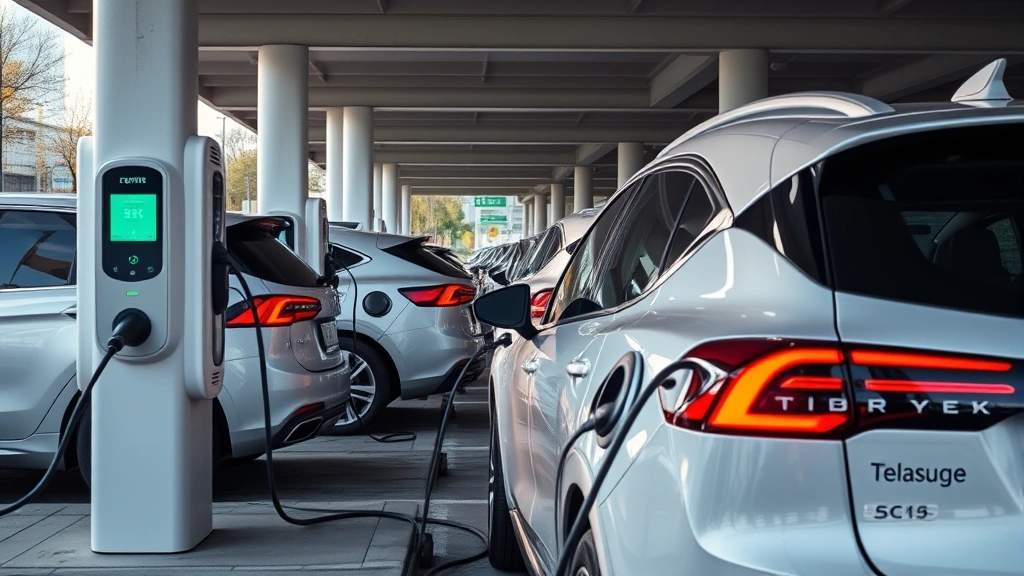
Electric vehicles (EVs) have emerged as the most practical and commercially viable alternative to gasoline vehicles for most consumers. Battery electric vehicles produce zero tailpipe emissions and operate with approximately 77% energy efficiency compared to 12-30% for internal combustion engines. According to the U.S. Environmental Protection Agency (EPA), switching to an EV can reduce annual carbon emissions by 4.6 metric tons compared to average gasoline vehicles.
Modern EVs offer impressive range capabilities, with many models exceeding 250 miles per charge. The Tesla Model 3, Chevrolet Bolt, and Hyundai Ioniq 6 represent affordable entry points into electric transportation. Battery technology improvements have reduced degradation concerns—most manufacturers warranty batteries for 8-10 years or 100,000-150,000 miles. The total cost of ownership for EVs has become competitive with gasoline vehicles when accounting for fuel savings, reduced maintenance, and available tax incentives.
Charging infrastructure expansion significantly impacts EV adoption. The U.S. has over 50,000 public charging stations, with rapid charging networks like Tesla Supercharger, Electrify America, and EVgo expanding continuously. Home charging installation costs range from $500-$2,500, providing convenient overnight charging for daily commutes. For those considering sustainable energy solutions, home solar integration with EV charging maximizes environmental benefits.
Hybrid and Plug-in Hybrid Vehicles
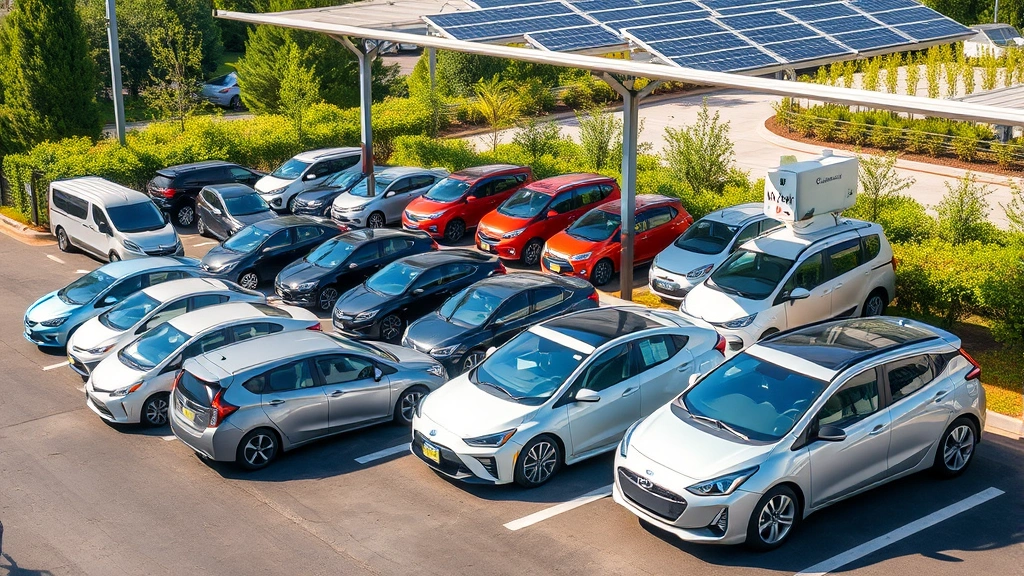
Hybrid vehicles offer a practical transition option for consumers hesitant about full electrification. Traditional hybrids combine gasoline engines with electric motors, using regenerative braking to recharge batteries. This configuration reduces fuel consumption by 20-35% compared to conventional vehicles. Popular models include the Toyota Prius, Honda Accord Hybrid, and Lexus RX Hybrid, which achieve 50+ miles per gallon equivalent in real-world driving.
Plug-in hybrid electric vehicles (PHEVs) provide 20-50 miles of all-electric range before the gasoline engine engages. For drivers with predictable commute patterns, PHEVs can operate primarily on electric power, dramatically reducing gasoline consumption. The Mitsubishi Outlander PHEV, BMW X5 xDrive50e, and Jeep Grand Cherokee 4xe represent modern PHEV options. Research from the National Renewable Energy Laboratory (NREL) indicates PHEVs reduce emissions by 50-70% compared to equivalent gasoline vehicles when charged regularly.
The advantage of hybrids lies in their proven reliability and extensive dealership support. No charging infrastructure dependency exists for traditional hybrids, making them suitable for rural areas. However, PHEVs require regular charging to maximize environmental and economic benefits—drivers who rarely charge essentially operate an inefficient gasoline vehicle.
Hydrogen Fuel Cell Vehicles
Hydrogen fuel cell vehicles (FCVs) represent an emerging technology with significant long-term potential. These vehicles generate electricity by combining hydrogen gas with oxygen, producing only water vapor as emission. The U.S. Department of Energy supports hydrogen development as a key decarbonization pathway for heavy-duty transportation and long-range applications.
Current FCV options include the Toyota Mirai and Hyundai Nexo, offering 300-380 mile range with 3-5 minute refueling times—advantages over battery electric vehicles. Hydrogen FCVs produce zero emissions and operate quietly with performance comparable to conventional vehicles. However, hydrogen infrastructure remains severely limited, with fewer than 60 public hydrogen stations in the U.S., concentrated primarily in California.
The sustainability of hydrogen depends entirely on production methods. Green hydrogen produced through renewable electricity-powered electrolysis offers genuine environmental benefits. Gray hydrogen, produced from natural gas, provides no emissions advantage over conventional vehicles. Current hydrogen production remains 95% gray hydrogen, making FCVs currently impractical for most consumers. As renewable hydrogen infrastructure develops, FCVs may become viable for fleet and long-distance applications.
Biofuels and Renewable Gasoline
Biofuels derived from renewable biological sources offer another pathway toward reducing petroleum dependence. Ethanol, typically blended at 10% (E10) in standard gasoline, represents the most widespread biofuel in the U.S. Advanced biofuels like ethanol at higher concentrations (E15, E85) and biodiesel provide improved environmental profiles. Renewable diesel and sustainable aviation fuel (SAF) represent next-generation biofuels with lower lifecycle carbon emissions.
Research indicates advanced biofuels can reduce lifecycle carbon emissions by 50-90% compared to conventional fossil fuels. However, biofuel sustainability depends on feedstock sourcing—palm oil-based biofuels may increase deforestation, while agricultural waste-based biofuels offer genuine sustainability. The Renewable Fuel Standard program, administered by the EPA, requires blending increasing quantities of renewable fuels into the transportation fuel supply.
E85 ethanol fuel vehicles operate on 85% ethanol blends, providing 27% fewer lifecycle emissions than gasoline. Flexible fuel vehicles (FFVs) accepting E85 include Ford F-150, Chevy Silverado, and various other models. However, E85 requires specialized infrastructure and offers 20-30% lower fuel economy than gasoline. Renewable gasoline, chemically identical to conventional gasoline but produced from renewable feedstocks, requires no vehicle modification and represents a promising long-term alternative.

Natural Gas Vehicles
Compressed natural gas (CNG) and liquefied natural gas (LNG) vehicles represent alternative fuel options, primarily adopted in commercial and fleet applications. Natural gas produces 15-20% fewer carbon emissions than gasoline and significantly reduces particulate matter and nitrogen oxide emissions. However, methane leakage in natural gas production and distribution substantially diminishes environmental benefits, making natural gas a transitional rather than permanent solution.
CNG vehicles require specialized refueling infrastructure, with limited public access in most regions. Heavy-duty vehicles like garbage trucks and transit buses dominate CNG adoption due to lower fuel costs and established fleet infrastructure. Light-duty CNG vehicles remain impractical for most consumers due to limited model availability and refueling challenges.
Natural gas produces lower emissions than coal and oil but higher lifecycle emissions than renewable electricity. As a fossil fuel, natural gas does not align with long-term decarbonization goals outlined in climate science. Most sustainability experts recommend natural gas as a temporary bridge fuel while transitioning to renewable alternatives.
Comparing Lifecycle Emissions
Understanding lifecycle emissions—encompassing vehicle manufacturing, fuel production, operation, and end-of-life recycling—provides comprehensive environmental comparison. Electric vehicles demonstrate superior environmental performance across most scenarios, despite higher manufacturing emissions from battery production. Climate research institutions confirm that EVs offset higher manufacturing emissions within 15,000-30,000 miles of driving, depending on electricity grid composition.
Electricity grid decarbonization dramatically improves EV environmental benefits. In regions powered by renewable energy, EVs produce 70-80% fewer emissions than gasoline vehicles. Even in coal-heavy grids, EVs typically produce 30-40% fewer lifecycle emissions. As grids continue transitioning toward renewable sources, EV advantages expand substantially.
Battery manufacturing represents the primary environmental concern for EVs. Modern battery production uses 61% less energy than 2010-era batteries, and recycling programs recover 95% of battery materials. Second-life battery applications in stationary energy storage extend environmental value beyond vehicle use. Comparing well-to-wheel emissions, EVs outperform all gasoline alternatives in most regions, with margins expanding as electricity generation decarbonizes.
Cost Analysis and Incentives
Initial purchase price has historically favored gasoline vehicles, but this gap has narrowed significantly. Federal tax credits up to $7,500 in the U.S. reduce EV costs substantially, while many states offer additional incentives. California, New York, and other progressive states provide purchase rebates, charging station installation subsidies, and carpool lane access benefits.
Operating costs strongly favor electric alternatives. EV electricity costs approximately one-third the price of gasoline per mile. Maintenance expenses decrease dramatically—EVs lack oil changes, spark plugs, transmission fluid, and catalytic converters. Brake wear reduces 50-70% due to regenerative braking systems. Over a vehicle’s lifetime, EV total cost of ownership rivals or undercuts gasoline vehicles in most scenarios.
Financing options have expanded significantly. Many manufacturers offer favorable EV loan terms, lease programs with lower monthly payments, and subscription models. Used EV markets are developing, offering affordable entry points. When calculating long-term costs including fuel savings, maintenance reduction, and incentives, choosing electric alternatives often provides immediate financial benefits alongside environmental advantages.
Infrastructure Considerations
Infrastructure availability significantly influences alternative fuel vehicle viability. Electric charging networks have expanded dramatically, with apps like PlugShare mapping over 50,000 public stations. Home charging capability, available to approximately 80% of U.S. households, provides convenient daily refueling. Apartment dwellers and urban residents face greater charging challenges, though building codes increasingly mandate charging infrastructure.
Workplace charging programs expand EV accessibility. Many employers offer free or subsidized charging, effectively providing free fuel during work hours. Charging speed varies significantly—Level 2 chargers (240V) require 4-10 hours for full charge, while DC fast chargers deliver 200 miles in 20-30 minutes. Trip planning becomes essential for long-distance EV travel, though charging networks continue expanding.
Rural areas present infrastructure challenges for all non-gasoline alternatives. Limited charging networks and hydrogen stations restrict options in less populated regions. However, rural residents with predictable commute patterns benefit substantially from home charging and rarely require public infrastructure. As green technology innovations advance, rural infrastructure will continue improving.
Cold weather performance affects alternative fuel vehicles differently. EVs experience 20-40% range reduction in freezing temperatures, though modern thermal management systems minimize this impact. Hydrogen fuel cells maintain performance in cold climates, while biofuels may gel in extreme cold. Understanding regional climate patterns helps match alternative fuel vehicles to local conditions.
FAQ
What is the best gas alternative for daily commuting?
Electric vehicles represent the optimal choice for most daily commuters. EVs offer lowest operating costs, zero emissions, and convenient home charging. If purchase price concerns exist, plug-in hybrids provide a practical transition option with 50-70% emission reductions. For those unable to charge at home, traditional hybrids offer 20-35% fuel consumption reduction without charging requirements.
Are electric vehicles truly environmentally friendly?
Yes, research confirms EVs produce 50-70% fewer lifecycle emissions than gasoline vehicles in most U.S. regions, with advantages expanding as electricity grids decarbonize. Even in coal-heavy electricity regions, EVs outperform gasoline vehicles. Battery recycling programs recover 95% of materials, further improving environmental profiles. EV environmental benefits exceed all other alternatives when comparing comprehensive lifecycle impacts.
How long do EV batteries last?
Modern EV batteries typically retain 80-90% capacity after 200,000 miles and are warrantied for 8-10 years. Real-world data shows batteries degrading only 2-3% annually in most climates. Second-life applications repurpose degraded batteries in stationary energy storage, extending their environmental value. Battery longevity has proven superior to early skepticism, with many vehicles exceeding 300,000 miles with functional batteries.
What about hydrogen fuel cell vehicles?
Hydrogen FCVs offer zero emissions and rapid refueling but face severe infrastructure limitations, with fewer than 60 public hydrogen stations in the U.S. Current hydrogen production remains 95% from natural gas, eliminating environmental advantages. FCVs may become viable for heavy-duty and fleet applications as green hydrogen infrastructure develops, but remain impractical for most consumers currently.
Can I use biofuels in my current vehicle?
Most gasoline vehicles accept up to 10% ethanol (E10) blended fuel, which is standard at most pumps. E15 ethanol blends are compatible with 2012-newer vehicles. E85 requires specifically designed flex-fuel vehicles. Renewable diesel can replace conventional diesel in diesel vehicles without modification. Check your vehicle’s specifications before using alternative fuel blends.
How do incentives reduce EV costs?
Federal tax credits up to $7,500 directly reduce EV purchase prices, while many states offer additional rebates up to $5,000. Some regions provide charging installation subsidies, carpool lane access, and reduced registration fees. Employer charging programs effectively provide free fuel. Combining federal, state, and employer incentives can reduce EV costs below comparable gasoline vehicles.
What is the environmental impact of battery manufacturing?
Battery manufacturing accounts for 30-40% of EV lifecycle emissions, with modern production using 61% less energy than 2010-era batteries. EVs offset these manufacturing emissions within 15,000-30,000 miles of driving. Recycling programs recover 95% of battery materials, reducing future manufacturing impacts. Battery environmental costs decrease substantially with each generation of improved production efficiency.
Exploring definitions of sustainability helps contextualize these choices within broader environmental goals. Visit the SustainWise Hub Blog for additional research-backed content on environmental transportation solutions.