Is Gas Grilling Eco-Friendly? Research Insights on the Best Gas Grill Choices
When it comes to outdoor cooking, the debate between different grilling methods continues to intensify as environmental consciousness grows among consumers. Gas grilling has become increasingly popular over the past two decades, but many homeowners wonder whether choosing a best gas grill aligns with their sustainability goals. This comprehensive analysis explores the environmental impact of gas grilling, examining both its advantages and disadvantages compared to alternative cooking methods.
The grilling industry has evolved significantly, with manufacturers now focusing on efficiency, emissions reduction, and sustainable materials. Understanding the true environmental footprint of gas grills requires examining multiple factors: fuel sourcing, operational emissions, manufacturing processes, and long-term durability. By diving into research-backed insights, you can make informed decisions about whether gas grilling fits your eco-conscious lifestyle.
Understanding Natural Gas as a Fuel Source
Natural gas, the primary fuel for gas grills, is a fossil fuel extracted from underground reserves. To fully evaluate whether gas grilling is eco-friendly, it’s essential to understand the source and extraction methods. The nature of natural gas as an energy source plays a critical role in determining its overall environmental impact. Natural gas consists primarily of methane, a potent greenhouse gas that contributes significantly to climate change when released into the atmosphere.
The extraction process, known as hydraulic fracturing or “fracking,” has raised environmental concerns regarding groundwater contamination, methane leakage, and habitat disruption. According to research from the Environmental Protection Agency (EPA), methane emissions from natural gas production and distribution represent a substantial portion of the nation’s greenhouse gas inventory. However, when burned as fuel, natural gas produces fewer carbon emissions compared to charcoal or wood-burning alternatives.
Propane, an alternative gas used in portable grills, offers slightly different environmental characteristics. Both fuels are hydrocarbons, but propane has a higher energy density, meaning it requires less volume to produce equivalent heat. Understanding these distinctions helps consumers make informed choices aligned with their environmental values. Many homeowners exploring sustainable energy solutions consider whether gas grilling represents an acceptable compromise between convenience and environmental responsibility.
Emissions Comparison: Gas vs. Other Grilling Methods
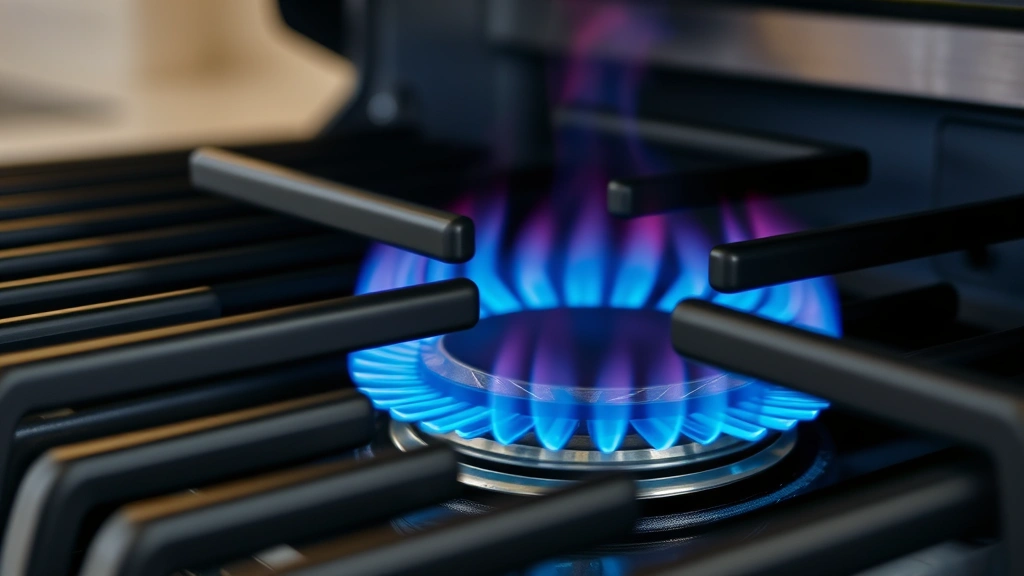
Comparing emissions across different grilling methods reveals nuanced environmental trade-offs. Gas grills produce carbon dioxide and water vapor when burning natural gas or propane, but the combustion is relatively complete, resulting in minimal particulate matter and volatile organic compounds. Charcoal grills, while beloved by barbecue enthusiasts, generate significantly higher emissions due to incomplete combustion and charcoal production processes.
Research indicates that burning one pound of charcoal releases approximately 3.3 pounds of carbon dioxide equivalent into the atmosphere. Charcoal production itself involves deforestation concerns and energy-intensive processing. Electric grills, conversely, produce zero direct emissions during operation, though their environmental impact depends entirely on the electrical grid’s energy composition. In regions powered predominantly by renewable energy sources, electric grills represent the most sustainable option.
Wood-fired grills present another consideration. While wood is technically renewable, the combustion process releases substantial particulate matter and carbon monoxide. Additionally, deforestation concerns and transportation emissions associated with sourcing quality grilling wood must be factored into the equation. Gas grills generally fall in the middle range, producing moderate emissions compared to charcoal or wood alternatives, yet higher than electric options powered by renewable electricity.
Energy Efficiency and Performance Metrics
Energy efficiency distinguishes premium gas grills from budget alternatives. Modern best gas grill models incorporate advanced burner technology, improved insulation, and precision temperature controls that maximize heat retention and minimize fuel waste. High-efficiency grills can convert 60-70% of fuel energy into usable cooking heat, compared to charcoal grills which typically achieve only 20-30% efficiency.
Efficiency improvements in contemporary gas grills include:
- Infrared burners: Distribute heat more evenly, reducing fuel consumption by 20-30%
- Insulated cooking chambers: Minimize heat loss and accelerate preheating times
- Electronic ignition systems: Eliminate pilot light waste, reducing gas consumption
- Adjustable burner configurations: Allow precise heat management for different cooking applications
- Durable construction materials: Stainless steel and cast iron components extend lifespan and maintain performance
When evaluating environmental impact, fuel efficiency directly correlates with reduced emissions. A grill that requires less fuel to achieve desired cooking temperatures generates fewer greenhouse gas emissions over its operational lifetime. This efficiency advantage makes gas grilling competitive with other methods when considering total emissions per meal prepared.

Manufacturing and Material Considerations
The production process significantly influences the overall environmental footprint of gas grills. Manufacturing involves resource extraction, component fabrication, assembly, and transportation. Sustainable green technology innovations are now being integrated into grill production, with manufacturers increasingly prioritizing recyclable materials and energy-efficient manufacturing processes.
Premium gas grills typically utilize:
- Stainless steel construction: Highly recyclable, corrosion-resistant, and durable (25+ year lifespan)
- Cast aluminum components: Lightweight yet durable, recyclable at end-of-life
- Powder-coated finishes: Low-VOC alternatives to traditional paint processes
- Recycled content materials: Some manufacturers incorporate recycled metals in construction
- Local manufacturing: Reduces transportation emissions compared to imports
The embodied carbon in manufacturing represents a one-time environmental cost that gets amortized over the grill’s operational lifespan. A high-quality gas grill used for 20-30 years generates significantly lower per-year environmental impact than a cheaper model requiring replacement every 5-7 years. This longevity advantage favors investing in durable, well-constructed equipment when possible.
Durability and Lifecycle Impact
Lifecycle assessment methodology evaluates environmental impact across an entire product’s existence: manufacturing, transportation, use, maintenance, and disposal. For gas grills, the use phase dominates the environmental equation, accounting for 70-85% of total lifecycle emissions. This emphasizes the importance of selecting efficient, durable models that minimize fuel consumption.
Durability factors affecting lifecycle impact include:
- Weather resistance: Quality materials withstand outdoor conditions, extending usable life
- Component availability: Replacement burners, grates, and thermostats reduce obsolescence
- Maintenance requirements: Well-designed grills require minimal repairs and upkeep
- Upgradability: Modular components allow improvements without replacing entire units
- End-of-life recyclability: Metal components can be recycled; proper disposal prevents landfill waste
When considering whether gas grilling aligns with your environmental values, evaluate the grill’s expected lifespan and your usage frequency. A household grilling multiple times weekly should prioritize premium models offering superior durability and efficiency. Occasional users might find mid-range options sufficient, balancing cost and environmental impact.
Selecting Sustainable Grilling Options
Making environmentally responsible grilling choices extends beyond fuel selection. Comprehensive decision-making incorporates multiple factors to reduce your environmental footprint in outdoor cooking practices. Several strategies help identify the best gas grill for your sustainability goals.
Certification and Standards: Look for grills meeting Energy Star criteria or manufacturer sustainability certifications. The Energy Star program establishes rigorous efficiency benchmarks for various appliances, though specific gas grill certification remains limited. Manufacturer transparency regarding emissions testing and efficiency metrics indicates commitment to environmental responsibility.
Material Sourcing: Prioritize manufacturers using responsibly sourced materials and transparent supply chains. Some premium brands partner with environmental organizations to ensure sustainable practices throughout production. Inquiring about manufacturing locations, material origins, and labor practices reveals deeper environmental and social commitments.
Local Purchasing: Buying from local retailers and manufacturers reduces transportation emissions. Supporting regional businesses strengthens community resilience while minimizing the carbon footprint associated with long-distance shipping.
Natural Gas Infrastructure: Consider whether your property has existing natural gas connections. Utilizing existing infrastructure proves more efficient than installing new lines or relying on propane delivery services. Properties with established natural gas systems experience lower overall emissions from gas grill adoption.
Best Practices for Eco-Conscious Grilling
Regardless of grill type selection, operational practices significantly influence environmental impact. Implementing sustainable energy solutions in your grilling routine maximizes eco-friendliness. Adopting these practices reduces emissions and fuel consumption:
Preheating Efficiency: Preheat grills for only 5-10 minutes rather than extended periods. Modern burners reach optimal temperatures quickly, and excessive preheating wastes fuel without improving cooking performance. Electronic ignition systems eliminate pilot light waste compared to older manual-light models.
Temperature Management: Maintain consistent temperatures using grill lids and thermostats. Frequent lid opening releases heat, forcing burners to work harder and consume additional fuel. Precise temperature control reduces cooking time and fuel consumption simultaneously.
Seasonal Optimization: Plan grilling activities during warmer months when ambient temperatures support faster preheating and reduce fuel requirements. Summer grilling proves more efficient than winter cooking when external temperatures necessitate greater heat generation.
Maintenance Practices: Regular cleaning of burners, grates, and internal components maintains optimal performance and fuel efficiency. Clogged burners operate inefficiently, requiring additional fuel to achieve desired temperatures. Annual professional maintenance for premium grills ensures peak performance.
Fuel Source Verification: If using propane, verify that your supplier sources gas responsibly and maintains efficient delivery systems minimizing leakage. Some progressive suppliers now blend propane with renewable biogas, reducing overall carbon intensity.
Complementary Cooking Methods: Reduce grill dependency by incorporating other cooking methods. Using ovens, stovetops, or microwave cooking for smaller portions proves more efficient than heating large grills for minimal food preparation.
Understanding that gas grilling exists on a spectrum of environmental impact helps contextualize its role in sustainable living. While not the most eco-friendly option available, quality gas grills represent a reasonable compromise between convenience, performance, and environmental responsibility. The key lies in selecting efficient, durable equipment and adopting conscious usage practices.
FAQ
Are gas grills more eco-friendly than charcoal grills?
Gas grills generally produce fewer emissions than charcoal alternatives due to higher combustion efficiency and lower particulate matter release. Charcoal production involves energy-intensive processing and potential deforestation concerns. However, electric grills powered by renewable energy represent the most sustainable option.
What’s the environmental impact of natural gas extraction?
Natural gas extraction through hydraulic fracturing raises environmental concerns including potential groundwater contamination and methane leakage. However, when burned as fuel, natural gas produces approximately 50% fewer carbon emissions than coal. Research from the U.S. Geological Survey continues evaluating long-term environmental effects of extraction practices.
How long should a quality gas grill last?
Premium gas grills constructed from stainless steel with proper maintenance typically last 15-25 years. This extended lifespan amortizes manufacturing environmental costs across decades of use, making durable models more sustainable than budget alternatives requiring replacement every 5-7 years.
Can I reduce my gas grill’s environmental impact?
Yes. Adopt efficient preheating practices, maintain consistent temperatures, perform regular maintenance, and minimize lid opening during cooking. These practices reduce fuel consumption and emissions without requiring equipment replacement. Explore Carbon Brief resources for additional carbon reduction strategies.
Is propane or natural gas more eco-friendly for grilling?
Natural gas generally proves more sustainable when available through existing infrastructure, eliminating delivery-related emissions. Propane offers higher energy density, requiring less volume for equivalent heat. Both represent reasonable compromises between convenience and environmental impact compared to charcoal alternatives.
What certifications should I look for in eco-friendly grills?
Seek manufacturers with transparent efficiency testing, recyclable material certifications, and environmental partnership commitments. While specific gas grill Energy Star ratings remain limited, manufacturers providing detailed emissions and efficiency data demonstrate environmental consciousness. Industry partnerships with organizations like the Natural Resources Defense Council indicate commitment to sustainability standards.