Best Gas Grill for the Money? Expert Picks for Budget-Conscious Grilling
Finding the best gas grill for the money doesn’t mean sacrificing quality or performance. Whether you’re a weekend griller or someone committed to reducing your environmental footprint, selecting an efficient gas grill that balances affordability with durability is essential. Gas grills offer reliable performance and lower emissions compared to charcoal alternatives, making them a practical choice for environmentally conscious homeowners.
In this comprehensive guide, we’ll explore expert recommendations for affordable gas grills that deliver exceptional value. We’ll examine key features, performance metrics, and sustainability considerations that help you make an informed decision. Understanding the advantages of natural gas for outdoor cooking will help you appreciate why these grills remain popular choices for families seeking both efficiency and affordability.
What Makes a Gas Grill Worth the Money
A worthwhile gas grill investment combines initial affordability with long-term reliability. The best models offer consistent heat distribution, durable construction materials, and efficient fuel consumption. When evaluating value, consider not just the purchase price but the operational costs over several years. Quality burners, reliable ignition systems, and rust-resistant materials contribute to a grill’s longevity and overall value proposition.
Modern gas grills have become increasingly efficient, with many featuring improved insulation and heat retention capabilities. This efficiency translates to lower propane or natural gas consumption, reducing your ongoing fuel expenses. Additionally, grills with better construction quality require less frequent repairs and maintenance, saving money over time. Look for models with warranties exceeding two years, as manufacturers typically stand behind their most durable products.
The sustainability angle matters too. Gas grills emit fewer particulates than charcoal options and provide more precise temperature control, reducing wasted fuel. By choosing an efficient model, you’re making an environmentally responsible choice while keeping operating costs manageable. When exploring sustainable energy solutions for your home, outdoor cooking equipment deserves consideration alongside other household systems.
Top Budget-Friendly Gas Grill Models
Several manufacturers excel at producing affordable gas grills without compromising essential features. Mid-range models from established brands typically offer the best value, combining proven engineering with competitive pricing. These grills usually feature stainless steel or painted steel construction, multiple burners, and adequate cooking surface for typical family gatherings.
Entry-level models from reputable manufacturers often include two to three burners, side tables for food preparation, and basic thermometers. While lacking premium features like rotisserie kits or elaborate storage solutions, these grills handle everyday cooking tasks efficiently. Popular options in the $300-$600 range deliver solid performance and typically include warranties covering manufacturing defects.
Mid-tier models, priced between $600-$1,200, offer enhanced features such as four burners, improved heat distribution, stainless steel grates, and more durable construction materials. These grills represent the sweet spot for value-conscious consumers seeking longevity without excessive spending. Many include side burners for heating sauces or cooking side dishes, expanding cooking versatility.
Premium budget options, ranging from $1,200-$2,000, introduce features like built-in thermometers, warming racks, electronic ignition systems, and superior insulation. While technically expensive, these models often provide 10-15 years of reliable service, making their cost-per-year surprisingly reasonable. The investment typically covers better materials, improved engineering, and enhanced cooking performance.
Key Features to Prioritize
Cooking Surface Area: Ensure adequate space for your typical cooking needs. Most families benefit from 400-500 square inches of primary cooking surface. Larger gatherings may justify 600+ square inches, though this increases both cost and storage requirements.
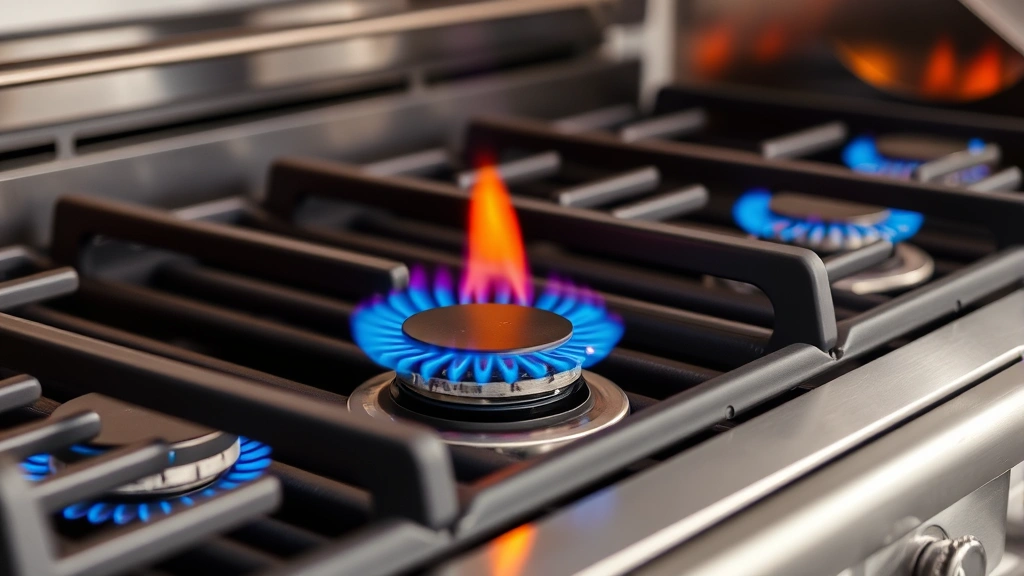
Burner Quality and Control: Look for stainless steel or brass burners with multiple heat settings. Quality burners ensure even heat distribution and reliable ignition. Avoid models with inadequate flame control, as this limits cooking versatility.
Heat Output: Measured in BTUs (British Thermal Units), adequate heat output ensures quick preheating and consistent cooking temperatures. Most quality grills feature 40,000-60,000 BTUs total across all burners. Higher outputs aren’t necessarily better; efficiency matters more than raw power.
Construction Materials: Stainless steel resists rust and requires minimal maintenance, though it commands premium pricing. Painted steel offers decent durability at lower costs but requires more frequent maintenance. Cast iron grates distribute heat excellently but need regular seasoning to prevent rust.
Ignition System: Electronic ignition systems simplify startup and improve reliability compared to manual options. Battery-powered systems prove most affordable while maintaining dependability.
Temperature Control: Built-in thermometers help monitor cooking progress without opening the lid. Adjustable burners allow precise temperature management for different cooking techniques.
Durability and Longevity Factors
A gas grill’s lifespan depends significantly on material quality and environmental exposure. Grills stored in covered areas or garages typically outlast those left exposed to weather. Even affordable models can last 8-12 years with proper care, while premium options often exceed 15 years.
Stainless steel construction offers superior longevity compared to painted steel, particularly in humid or coastal environments. However, regular maintenance extends any grill’s life considerably. Covering your grill when not in use, cleaning grease buildup regularly, and protecting it from harsh weather all contribute to extended durability.
The quality of internal components—particularly burners, ignition systems, and thermometers—significantly impacts longevity. Budget models sometimes compromise on these elements, potentially requiring replacements before the grill’s overall structure fails. Checking warranty coverage for specific components helps identify where manufacturers stand behind their products.
Manufacturer reputation matters substantially. Established companies with decades of experience typically engineer their products for durability, even at budget price points. Newer manufacturers sometimes prioritize cost reduction over longevity, affecting long-term value. Reading customer reviews about multi-year performance provides valuable insights into real-world durability.
Maintenance Tips for Longevity
Regular maintenance dramatically extends gas grill lifespan. Cleaning grates after each use prevents grease buildup that can harbor bacteria and cause rust. Use a grill brush or aluminum foil ball to remove residue while the grill remains warm.
Check burner holes monthly for blockages. Insects or debris can clog burners, causing uneven heating. A toothpick or small wire carefully inserted into holes clears minor obstructions. For significant blockages, remove burners according to manufacturer instructions and clean thoroughly.
Inspect propane connections seasonally for leaks using soapy water. Bubbles indicate leaks requiring immediate attention. Tighten connections gently or replace damaged hoses before using the grill.
Empty and clean grease traps regularly. Accumulated grease attracts pests and creates fire hazards. Most models feature removable traps that slide out for easy cleaning.
Protect your grill from elements with a quality cover. UV exposure degrades paint and materials over time. In winter, drain fuel tanks and disconnect propane lines if storing long-term.
Inspect thermometers and gauges periodically. Calibration drift can lead to temperature miscalculation. Battery-powered ignition systems should have fresh batteries installed before grilling season.
Comparing Fuel Options
Gas grills typically operate on propane or natural gas. Natural gas advantages include unlimited supply via utility lines and lower per-unit costs in many regions. However, natural gas requires professional installation and limits portability. Propane offers flexibility and works anywhere, though tanks require periodic refilling and replacement.
Propane delivers approximately 2.5 times more energy per unit volume than natural gas, meaning smaller quantities provide substantial cooking time. A standard 20-pound propane tank typically fuels 20-30 hours of grilling, depending on usage patterns.
Natural gas connections eliminate the need for tank storage and refilling, offering convenience for permanent installations. Many homeowners find natural gas preferable for fixed patio setups. However, conversion kits can be expensive, and not all models support both fuel types.
Environmental considerations favor natural gas slightly, as it produces fewer emissions per BTU than propane. However, both fuels represent cleaner alternatives to charcoal grilling. For those exploring broader green technology innovations, investing in an efficient gas grill supports household sustainability goals.
When evaluating fuel economics, consider your regional propane prices and natural gas rates. In some areas, propane costs significantly less; in others, natural gas provides superior value. Calculate annual fuel costs based on your anticipated usage to inform your decision.
FAQ
What’s the minimum budget for a reliable gas grill?
Quality gas grills start around $300-$400 for entry-level models from established manufacturers. While cheaper options exist, they often sacrifice durability and performance. Investing $500-$700 typically yields significantly better value and longevity.
How long should a budget gas grill last?
Well-maintained budget grills typically last 7-10 years. Premium budget models can exceed 12-15 years. Lifespan depends heavily on maintenance, environmental exposure, and usage frequency. Proper care and storage extend any grill’s life considerably.
Are expensive gas grills worth the extra cost?
Premium grills offer enhanced features, superior materials, and often better warranties. For casual grilliers, budget models provide excellent value. However, frequent users or those seeking advanced features may justify premium pricing through improved performance and longevity.
What size grill do I actually need?
Most families benefit from 400-500 square inches of cooking surface. Consider your typical guest count and cooking style. Larger surfaces provide flexibility but increase storage requirements and costs. Smaller surfaces work fine for 2-4 people regularly.
Should I choose propane or natural gas?
Propane offers flexibility and portability; natural gas provides convenience and consistent supply. Consider your installation options, regional fuel costs, and intended use. Both deliver similar environmental and performance benefits compared to charcoal.
How often should I maintain my gas grill?
Clean grates after each use, check burners monthly, and inspect connections seasonally. Annual deep cleaning before grilling season ensures optimal performance. Cover your grill when not in use to minimize weather exposure.
Can I convert a propane grill to natural gas?
Many grills support conversion kits, though not all. Check manufacturer specifications before purchasing if conversion might be needed. Conversion kits typically cost $30-$100 but require professional installation for safety.
What warranty should I expect?
Quality budget grills include 2-3 year warranties covering manufacturing defects. Some components like burners may have extended warranties. Read warranty details carefully, as coverage varies significantly between manufacturers.
Selecting the best gas grill for the money requires balancing initial cost against long-term value, durability, and performance. By prioritizing quality construction, efficient burners, and reliable ignition systems, you’ll find affordable options that deliver years of reliable service. Remember that sustainable grilling choices—whether through fuel efficiency or proper maintenance extending lifespan—contribute to broader household environmental goals. Visit our SustainWise Hub Blog for more insights on making eco-conscious purchasing decisions. With proper research and maintenance, your budget gas grill investment will provide countless enjoyable outdoor cooking experiences while respecting both your wallet and the environment.


