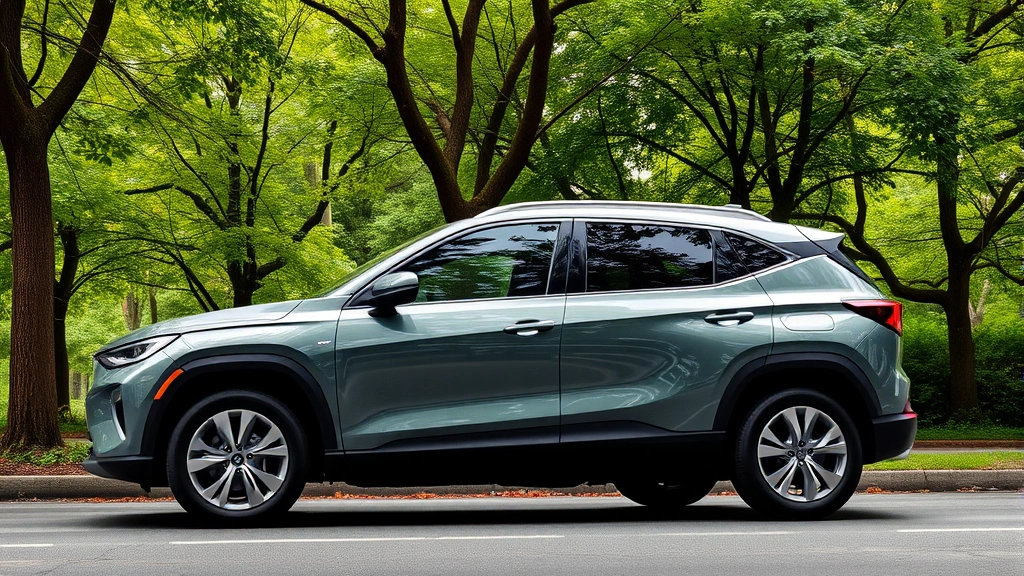
Top Non-Hybrid SUVs for Gas Mileage: 2023 Data & Efficiency Guide
Finding the right SUV doesn’t mean sacrificing fuel efficiency. While hybrid and electric vehicles dominate sustainability conversations, conventional gas-powered SUVs have made significant strides in recent years. The 2023 model year brings impressive engineering improvements that deliver better mileage without requiring plug-in infrastructure or hybrid complexity. Whether you’re seeking practical efficiency, towing capability, or simply a reliable vehicle that won’t drain your wallet at the pump, understanding which non-hybrid SUVs offer the best gas mileage is essential.
This comprehensive guide explores the top fuel-efficient non-hybrid SUVs available in 2023, examining real-world performance data, engine technology, and practical considerations for eco-conscious drivers. We’ll help you navigate the options and discover how modern gas-powered SUVs can align with your sustainability goals while maintaining the space and versatility you need.

Best Non-Hybrid SUVs for Fuel Efficiency in 2023
The 2023 model year represents a turning point for conventional SUV efficiency. Manufacturers have invested heavily in turbocharged engines, advanced transmissions, and lightweight materials. The standout performers combine practical engineering with real-world fuel economy that rivals some hybrid competitors.
Mazda CX-50 emerges as the efficiency leader among compact SUVs, achieving approximately 28 mpg highway and 24 mpg city with its 2.5-liter four-cylinder engine. The vehicle’s lightweight construction and aerodynamic design contribute significantly to these numbers. Mazda’s commitment to green technology innovations extends to fuel efficiency without sacrificing driving dynamics.
Honda CR-V continues its reputation as a practical choice, delivering 28 mpg highway and 23 mpg city. The CR-V’s refined 1.5-liter turbocharged engine provides strong performance while maintaining efficiency. Its spacious interior and reliability make it an excellent value proposition for families seeking sustainable vehicle options.
Toyota RAV4 offers competitive fuel economy at 28 mpg highway and 23 mpg city with the standard 2.5-liter engine. Toyota’s engineering excellence and reputation for longevity mean your fuel-efficient SUV will maintain performance for years, reducing the environmental impact of frequent vehicle replacement.
Hyundai Santa Fe impresses with 31 mpg highway and 23 mpg city, particularly impressive for a midsize three-row SUV. Hyundai’s advanced engine management systems and transmission optimization deliver excellent efficiency without compromising passenger space.

Engine Technology & Efficiency Features Driving Better Mileage
Modern non-hybrid SUVs incorporate sophisticated technologies that previous generations couldn’t match. Understanding these innovations helps explain why today’s gas-powered SUVs achieve such impressive efficiency figures.
Turbocharged Engines represent the most significant efficiency breakthrough. By forcing more air into smaller displacement engines, turbocharging delivers power on demand while reducing fuel consumption during normal driving. A 1.5-liter turbocharged engine can match the performance of older 2.5-liter naturally aspirated engines while consuming 15-20% less fuel.
Advanced Transmission Technology plays a crucial role. Eight, nine, and ten-speed automatic transmissions allow engines to operate at optimal RPMs across varying driving conditions. This reduces fuel waste during highway cruising and improves city driving efficiency. Direct injection systems precisely control fuel delivery, eliminating waste and improving combustion efficiency.
Lightweight Materials construction reduces overall vehicle weight without sacrificing safety or durability. Aluminum hoods, steel reinforced plastic components, and high-strength steel frames decrease mass while maintaining structural integrity. Every pound saved translates directly to improved fuel economy.
Aerodynamic Design minimizes drag coefficient, allowing SUVs to slip through air more efficiently. Modern styling isn’t just aesthetic—it’s engineered to reduce wind resistance at highway speeds where aerodynamics dominate fuel consumption.
Start-Stop Technology automatically shuts down the engine during idle periods, such as traffic lights or congested highways. The engine restarts instantly when you’re ready to move, eliminating wasted fuel during stationary periods. This technology alone can improve city driving efficiency by 5-10%.
Variable Valve Timing and cylinder deactivation technologies optimize engine operation across different driving scenarios. These systems automatically adjust valve timing and deactivate cylinders when full power isn’t needed, dramatically improving efficiency during highway cruising.
Compact SUVs Leading the Mileage Charts
Compact SUVs dominate the fuel efficiency rankings due to their lighter weight and smaller engines. These vehicles offer practical benefits while achieving excellent mileage that rivals sedans from a decade ago.
Mazda CX-30 achieves 34 mpg highway and 26 mpg city, making it one of the most efficient non-hybrid SUVs available. Its lightweight platform and responsive turbocharged engine make it perfect for eco-conscious drivers who refuse to compromise on driving enjoyment.
Subaru Crosstrek delivers 33 mpg highway and 24 mpg city with all-wheel drive standard. Subaru’s commitment to efficiency extends across their lineup, and the Crosstrek proves that capable all-wheel-drive vehicles don’t require hybrid technology to achieve excellent fuel economy.
Hyundai Kona offers 32 mpg highway and 24 mpg city, providing an affordable entry point to efficient SUV ownership. The Kona’s modern styling and practical interior space make it attractive to younger buyers prioritizing environmental responsibility.
Toyota Corolla Cross achieves 32 mpg highway and 23 mpg city, combining Toyota reliability with modern efficiency. This vehicle bridges the gap between compact cars and traditional SUVs, offering crossover versatility with sedan-like fuel economy.
Compact SUVs represent the sweet spot for many drivers—they provide sufficient cargo space and elevated seating position while maintaining the fuel efficiency advantages of smaller vehicles. For more context on sustainable transportation choices, explore advantages of electric vehicles to understand how conventional SUVs compare to alternative powertrains.
Midsize SUVs with Impressive Fuel Efficiency
Midsize SUVs traditionally sacrifice efficiency for space, but 2023 models prove this doesn’t have to be the case. Manufacturers have engineered midsize platforms that deliver three-row seating with respectable fuel economy.
Honda Pilot achieves 27 mpg highway and 20 mpg city with its 3.5-liter V6 engine. For a three-row SUV, this represents excellent efficiency. The Pilot’s refined engine and smooth transmission make highway driving pleasant while maintaining reasonable fuel consumption.
Mazda CX-9 delivers 26 mpg highway and 20 mpg city with a turbocharged 2.5-liter engine. Mazda’s engineering philosophy emphasizes efficiency without sacrificing driving dynamics, and the CX-9 exemplifies this approach. Its upscale interior and responsive handling make it attractive to buyers seeking sustainable energy solutions in vehicle form.
Toyota Highlander offers 28 mpg highway and 21 mpg city with the standard 3.5-liter V6. Toyota’s reputation for reliability means your fuel-efficient midsize SUV will maintain performance throughout its lifespan, reducing replacement frequency and environmental impact.
Hyundai Santa Fe leads the midsize category at 31 mpg highway and 23 mpg city. This impressive efficiency for a three-row SUV demonstrates how modern engineering enables spacious vehicles to achieve excellent fuel economy.
Midsize SUVs appeal to families needing third-row seating without the fuel consumption penalties of traditional large SUVs. These vehicles represent a practical compromise between efficiency and functionality.
Comparing Efficiency Across Different Powertrains
Understanding how non-hybrid SUVs compare to hybrid alternatives helps inform your purchasing decision. While hybrids offer efficiency advantages, conventional SUVs provide compelling benefits.
Non-Hybrid vs. Hybrid Economics: A non-hybrid Mazda CX-50 achieving 28 mpg highway costs approximately $2,000 less than its hybrid counterpart. Over a typical ownership period, fuel savings from the hybrid may not offset the higher purchase price, particularly if you drive primarily highway miles where hybrid systems are less effective.
Performance Considerations: Non-hybrid SUVs often deliver more responsive acceleration and stronger towing capacity than hybrid equivalents. If you regularly tow or prioritize driving dynamics, a fuel-efficient non-hybrid may provide better real-world value than a hybrid.
Maintenance Advantages: Non-hybrid SUVs feature simpler mechanical systems with fewer complex components. This typically results in lower maintenance costs over the vehicle’s lifespan. Hybrid battery replacement, while rare, represents a significant expense not present in conventional vehicles.
Real-World Efficiency: Hybrid efficiency advantages diminish significantly during highway driving. If your commute involves primarily interstate driving, a well-engineered non-hybrid SUV may achieve nearly identical fuel economy to a hybrid while costing considerably less.
For drivers interested in exploring all efficiency options, understanding advantages of natural gas vehicles provides additional perspective on alternative fuel choices beyond traditional gasoline and hybrid options.
Real-World Mileage vs EPA Estimates: What to Expect
EPA fuel economy estimates provide standardized comparisons, but real-world performance often differs significantly. Understanding these variations helps set realistic expectations for your SUV purchase.
Highway vs. City Driving: EPA estimates separate highway and city figures because driving patterns dramatically affect fuel consumption. Most drivers achieve their best mileage on highway driving where engines operate at consistent RPMs and aerodynamic efficiency becomes paramount. City driving, with frequent acceleration and braking, typically yields 10-15% lower mileage than EPA city estimates.
Driving Habits Impact: Aggressive acceleration, rapid braking, and excessive idling reduce fuel economy by 15-30% compared to EPA estimates. Smooth acceleration, gradual braking, and minimizing idle time can actually exceed EPA estimates, particularly on highway driving.
Vehicle Load Effects: Carrying heavy cargo or passengers reduces fuel economy proportionally. A fully loaded SUV may achieve 10-15% worse mileage than EPA estimates developed with minimal payload. Removing unnecessary cargo weight improves efficiency immediately.
Tire Pressure Significance: Underinflated tires increase rolling resistance, reducing fuel economy by up to 3% per PSI below recommended pressure. Maintaining proper tire pressure represents one of the simplest efficiency improvements available.
Climate Conditions: Cold weather reduces fuel economy by 10-20% due to thicker oil, denser air, and increased engine warm-up time. Summer driving typically yields better mileage, particularly on highway routes.
Seasonal Fuel Blends: Refineries adjust fuel formulations seasonally, with winter blends typically producing slightly lower mileage than summer blends. This explains why your SUV’s efficiency varies between seasons.
Maximizing Your Non-Hybrid SUV’s Fuel Efficiency
Purchasing an efficient SUV represents just the first step. Implementing practical strategies dramatically improves real-world fuel economy and extends your vehicle’s lifespan.
Regular Maintenance Schedule: Following manufacturer maintenance recommendations ensures your engine operates at peak efficiency. Clean air filters, properly functioning fuel injectors, and optimized engine timing all contribute to fuel economy. Neglecting maintenance can reduce efficiency by 10-20%.
Proper Tire Maintenance: Check tire pressure monthly and maintain the manufacturer-recommended PSI. Underinflated tires waste fuel and wear prematurely. Rotating tires every 6,000-8,000 miles ensures even wear and consistent efficiency.
Aerodynamic Optimization: Remove roof racks and cargo carriers when not in use—they increase drag and reduce highway mileage. Keeping windows closed at highway speeds prevents aerodynamic disruption that increases fuel consumption.
Smooth Driving Techniques: Anticipate traffic flow and accelerate gradually rather than aggressively. Maintain steady speeds on highways where cruise control helps optimize efficiency. Avoid unnecessary idling—turning off the engine during extended stops saves fuel.
Reduce Unnecessary Weight: Remove items from your SUV that aren’t essential. Every 100 pounds of extra weight reduces fuel economy by approximately 1%. This simple habit improvement yields measurable efficiency gains.
Fuel Quality Selection: Use the octane rating recommended by your vehicle manufacturer. Higher octane fuel provides no efficiency benefit if your engine doesn’t require it. Premium fuel costs more without improving mileage in vehicles designed for regular unleaded.
Efficient Route Planning: Combine errands into single trips rather than multiple separate journeys. This allows your engine to reach optimal operating temperature, improving efficiency. Navigation apps help identify faster routes that consume less fuel.
For broader context on sustainable transportation, explore the SustainWise Hub Blog for comprehensive coverage of eco-friendly vehicle options and driving practices.
Understanding how to minimize fuel consumption aligns with broader environmental responsibility goals. Even conventional SUVs can contribute to sustainable energy solutions when operated efficiently and maintained properly.
Frequently Asked Questions
What non-hybrid SUV has the best gas mileage in 2023?
The Mazda CX-50 leads compact SUVs with 28 mpg highway and 24 mpg city. For midsize SUVs, the Hyundai Santa Fe achieves 31 mpg highway and 23 mpg city. The specific best choice depends on your size requirements and driving patterns.
Can non-hybrid SUVs achieve 30+ mpg?
Yes, several 2023 non-hybrid SUVs achieve 30+ mpg highway ratings. The Mazda CX-30, Subaru Crosstrek, Hyundai Kona, and Hyundai Santa Fe all reach this threshold. These vehicles prove that conventional engines combined with modern technology can deliver excellent efficiency.
Are non-hybrid SUVs more reliable than hybrids?
Non-hybrid SUVs feature simpler mechanical systems with fewer complex components, which typically translates to lower maintenance costs. However, modern hybrid systems are highly reliable. Reliability depends more on manufacturer reputation and maintenance practices than powertrain type.
How much fuel do I save choosing a non-hybrid over a larger SUV?
Choosing a fuel-efficient non-hybrid SUV over a large traditional SUV can save $1,500-$3,000 annually in fuel costs, depending on driving patterns and fuel prices. Over a typical ownership period, this represents substantial savings.
Should I choose non-hybrid or hybrid for primarily highway driving?
Non-hybrid SUVs often prove more economical for highway-dominant driving patterns. Hybrid systems provide their greatest efficiency advantage during city driving with frequent stops. For primarily highway commutes, a well-engineered non-hybrid SUV typically delivers comparable or better fuel economy at lower cost.
What factors most significantly affect SUV fuel economy?
Driving habits (aggressive acceleration reduces mileage by 15-30%), vehicle load, tire pressure, maintenance condition, and driving speed all dramatically affect fuel economy. Highway driving at moderate speeds typically yields the best efficiency.
Is it worth paying extra for turbocharging in an SUV?
Turbocharged engines typically cost $500-$1,500 more but deliver 15-20% better fuel economy than larger naturally aspirated engines. For most drivers, the fuel savings justify the upfront cost difference within 5-7 years of typical driving.
How does real-world mileage compare to EPA estimates?
Real-world mileage typically runs 10-20% lower than EPA city estimates due to driving habits and conditions. Highway mileage often approaches or occasionally exceeds EPA estimates when maintaining steady speeds. Individual results vary significantly based on driving patterns.


