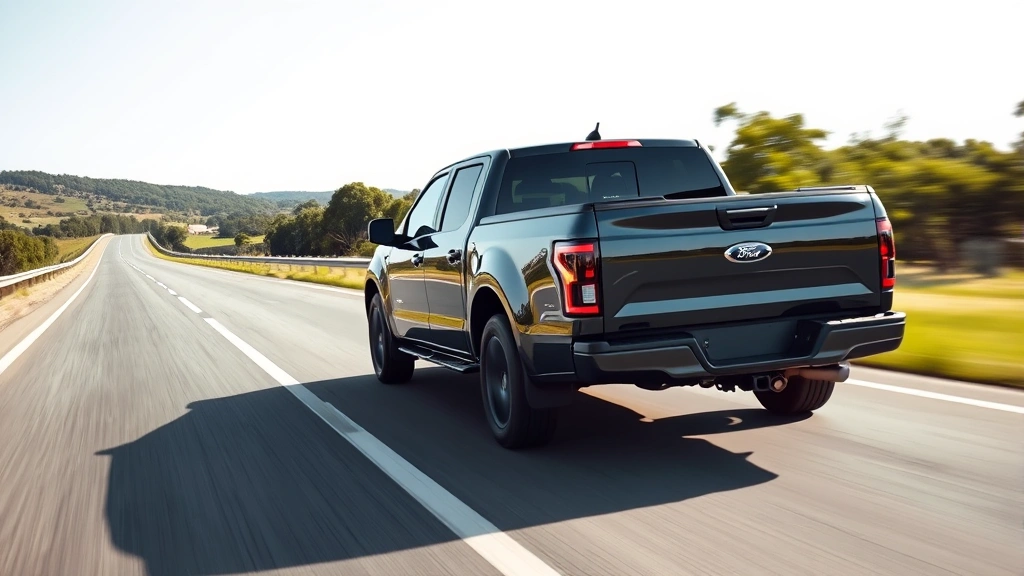
Top Gas Mileage Trucks: Expert Picks Inside
Finding the best gas mileage truck requires balancing power, capability, and fuel efficiency—a challenge that’s becoming increasingly important as environmental consciousness and fuel costs rise. Modern trucks have made significant strides in efficiency without sacrificing the performance and towing capacity that professionals and enthusiasts demand. Whether you’re using your truck for daily commuting, light hauling, or heavy-duty work, understanding which models deliver exceptional fuel economy can save you thousands of dollars annually while reducing your carbon footprint.
The truck market has transformed dramatically over the past decade. Manufacturers now employ advanced technologies like turbocharging, hybrid powertrains, and lightweight materials to help their vehicles achieve better fuel economy. This shift toward efficiency represents a crucial step in the automotive industry’s broader commitment to sustainability. By choosing a fuel-efficient truck, you’re not only making a smart financial decision but also contributing to reduced emissions and environmental protection.

Understanding Truck Fuel Efficiency Metrics
Before diving into specific truck models, it’s essential to understand how fuel efficiency is measured and reported. The EPA (Environmental Protection Agency) rates vehicles using miles per gallon (MPG), with separate measurements for city driving, highway driving, and combined average. These ratings provide a standardized way to compare vehicles, though real-world performance may vary based on driving habits, terrain, and vehicle maintenance.
Trucks are generally heavier and less aerodynamic than sedans, which naturally impacts their fuel economy. A truck that achieves 20-25 MPG combined is considered excellent in its class, while 18-20 MPG represents solid efficiency. Understanding these benchmarks helps you set realistic expectations when shopping for your next vehicle. The EPA’s Green Vehicles database provides comprehensive efficiency ratings for all new trucks on the market.
When evaluating fuel efficiency, consider both the EPA ratings and the truck’s real-world performance reported by owners. Many manufacturers achieve their rated MPG under optimal conditions, so reading owner reviews and forums can provide valuable insights into what you might realistically expect. Additionally, factors like payload weight, trailer towing, and driving conditions significantly influence actual fuel consumption.
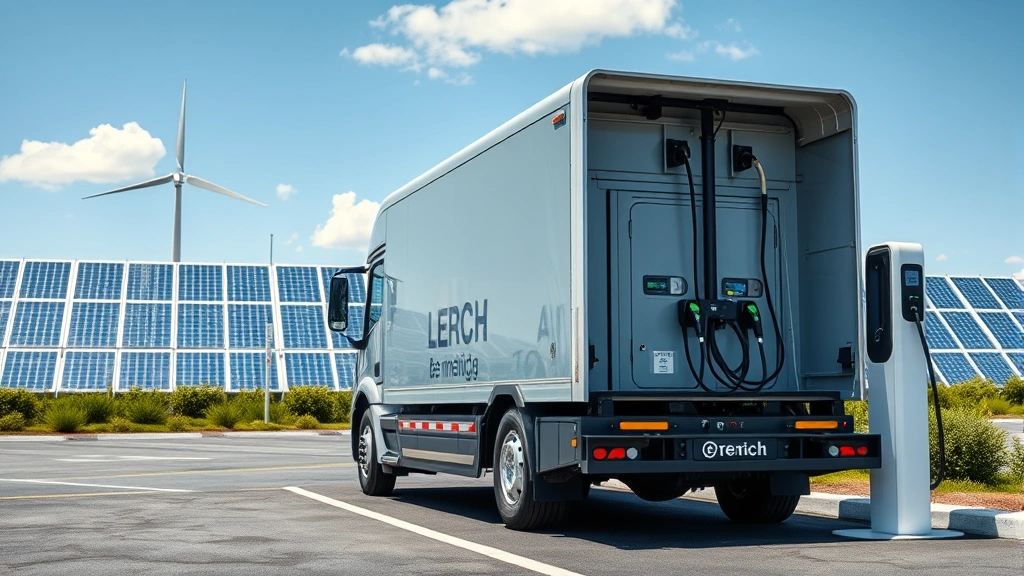
Top Gas Mileage Trucks for 2024
Ford F-150 EcoBoost consistently ranks among the most fuel-efficient full-size trucks available. The 2024 model with the 2.7L EcoBoost engine achieves approximately 21 MPG highway and 17 MPG city in regular cab configurations. Ford’s EcoBoost technology uses turbocharging and direct injection to deliver strong performance while minimizing fuel consumption. This engine produces sufficient power for most hauling and towing needs while maintaining impressive efficiency for a truck of its size and capability.
Chevrolet Silverado RST with the 2.7L Turbo offers competitive fuel economy at around 20 MPG highway and 16 MPG city. Chevrolet’s newer turbocharged engine represents a significant efficiency improvement over previous naturally aspirated options. The Silverado’s refined interior and advanced technology features make it an attractive option for those seeking both efficiency and comfort in a full-size truck.
Ram 1500 with the 3.0L EcoDiesel stands out for exceptional fuel economy, achieving approximately 23 MPG highway and 17 MPG city. Diesel engines inherently offer superior fuel efficiency compared to gasoline counterparts, though they typically cost more upfront. For buyers who plan to keep their truck long-term and drive substantial mileage, the diesel option often pays for itself through fuel savings. The U.S. Department of Energy’s Fuel Economy website provides detailed comparisons between these models.
Toyota Tacoma proves that mid-size trucks can achieve respectable fuel economy, with ratings around 19 MPG city and 24 MPG highway. Toyota’s reputation for reliability and the Tacoma’s strong resale value make it an excellent choice for those prioritizing long-term value and efficiency. The Tacoma’s lighter weight compared to full-size trucks contributes to its superior fuel economy while maintaining impressive off-road capabilities.
GMC Sierra 1500 Denali with EcoTec3 engine offers a balance of luxury and efficiency, achieving approximately 20 MPG highway. GMC’s focus on premium features combined with advanced engine technology appeals to buyers seeking sophistication without excessive fuel consumption. The Sierra’s refined driving experience and modern technology make it competitive in the efficiency segment.
Hybrid and Alternative Fuel Options
Hybrid truck technology represents the next frontier in fuel efficiency for pickup vehicles. The Ford F-150 Hybrid delivers exceptional fuel economy for a full-size truck, achieving approximately 23 MPG highway and 18 MPG city. The hybrid system uses a battery and electric motor to assist the gasoline engine during acceleration and city driving, significantly reducing fuel consumption during typical driving patterns. Explore our comprehensive guide on advantages of electric vehicles to understand the broader benefits of electrified powertrains.
The Chevrolet Silverado 1500 Hybrid offers similar efficiency benefits with approximately 22 MPG highway and 17 MPG city. Chevrolet’s hybrid system integrates seamlessly with the truck’s powertrain, providing noticeable fuel savings without compromising towing or hauling capability. Many hybrid truck buyers report even better real-world fuel economy than EPA estimates, particularly in mixed driving conditions.
Ram’s commitment to electrification includes the Ram 1500 Revolution Hybrid, which combines a turbocharged engine with hybrid technology for outstanding efficiency. This dual-approach system optimizes fuel consumption across various driving scenarios. Hybrid trucks represent an excellent middle ground for those not yet ready to commit fully to electric vehicles but seeking significant efficiency improvements.
While fully electric trucks like the sustainable energy solutions available today are still emerging, options like the Ford F-150 Lightning and Chevrolet Silverado EV promise revolutionary efficiency. However, for traditional pickup truck users, hybrid and high-efficiency gasoline engines currently offer the best combination of practicality, range, and fuel economy. Explore green technology innovations transforming our future to stay informed about emerging truck technologies.
Factors Affecting Your Truck’s MPG
Driving Habits and Patterns significantly influence fuel consumption. Aggressive acceleration, excessive idling, and speeding substantially increase fuel consumption. Maintaining steady speeds on highways, avoiding unnecessary weight, and planning efficient routes can improve your truck’s fuel economy by 5-15% compared to typical driving patterns. Smooth acceleration and coasting to red lights rather than hard braking reduces engine strain and fuel demand.
Vehicle Maintenance plays a critical role in fuel efficiency. Regular oil changes, properly inflated tires, and clean air filters ensure your engine operates at peak efficiency. Underinflated tires increase rolling resistance, reducing fuel economy by approximately 3% for every pound per square inch below the recommended pressure. A clogged air filter forces the engine to work harder, consuming additional fuel. Scheduled maintenance as recommended by manufacturers ensures all systems function optimally.
Payload and Towing Weight dramatically affects fuel consumption. Every 100 pounds of additional weight reduces fuel economy by approximately 1-2%. If you regularly carry heavy loads or tow trailers, expect significantly lower MPG than EPA estimates. Consider whether you truly need a full-size truck or if a lighter mid-size model would better suit your needs. Removing unnecessary items from your truck bed improves efficiency.
Terrain and Driving Conditions influence fuel economy substantially. Mountain driving, rough terrain, and cold weather all increase fuel consumption. Winter weather reduces fuel economy by 10-20% due to denser air, additional engine friction from cold oil, and increased rolling resistance from snow and ice. Highway driving typically yields better fuel economy than city driving because constant acceleration and deceleration in urban environments consumes more fuel.
Aerodynamic Factors become increasingly important at highway speeds. Truck bed covers and tonneau covers can improve aerodynamics, increasing fuel economy by 2-5% on highway driving. Roof racks and external cargo carriers create wind resistance, reducing efficiency. Removing these accessories when not in use helps maintain optimal fuel economy.
Maintenance Tips for Optimal Fuel Economy
Tire Pressure Management stands as one of the simplest yet most effective ways to maintain fuel efficiency. Check tire pressure monthly and before long trips, maintaining the pressure specified on your driver’s door jamb rather than the maximum pressure listed on the tire itself. Properly inflated tires reduce rolling resistance and improve fuel economy by 3-5%. Many modern trucks include tire pressure monitoring systems that alert you to underinflation.
Regular Oil Changes keep your engine running smoothly and efficiently. Use the oil grade specified in your owner’s manual—using heavier oil than recommended increases engine friction and reduces fuel economy. Modern synthetic oils can improve efficiency compared to conventional oils while providing superior protection and longer service intervals. Your SustainWise Hub Blog provides additional maintenance insights.
Air Filter Replacement ensures unrestricted airflow to the engine. A clogged air filter increases fuel consumption by forcing the engine to work harder to pull adequate air. Check your air filter annually and replace it as needed, typically every 15,000-30,000 miles depending on driving conditions. Cabin air filters don’t affect fuel economy but improve air quality inside your truck.
Engine Tune-ups and Alignment maintain optimal fuel efficiency. A properly tuned engine with clean fuel injectors and properly functioning sensors operates more efficiently. Wheel alignment affects rolling resistance—misaligned wheels create additional friction that reduces fuel economy. Address alignment issues promptly to maintain efficiency and extend tire life.
Transmission Fluid Maintenance ensures smooth gear shifts and optimal power transfer. Clean transmission fluid allows gears to engage smoothly, reducing energy loss. Check your transmission fluid regularly and follow manufacturer recommendations for fluid changes. Modern automatic transmissions are highly efficient when properly maintained.
Comparing Trucks to Electric Alternatives
The automotive landscape is shifting rapidly toward electrification. While traditional trucks with efficient gasoline and diesel engines remain practical choices, electric trucks represent the future of sustainable transportation. The EPA’s electric vehicle efficiency ratings use a metric called MPGe (miles per gallon equivalent) to compare electric vehicles to gasoline-powered counterparts. Many electric trucks achieve the equivalent of 80-120 MPGe, representing dramatic efficiency improvements.
Electric trucks offer numerous advantages beyond fuel economy. Charging costs typically represent 60-70% less than fuel costs for equivalent mileage. Electric motors provide instant torque, delivering impressive acceleration despite their environmental benefits. Maintenance requirements are significantly lower because electric powertrains have fewer moving parts and no oil changes. However, electric trucks currently have limitations including higher purchase prices, longer charging times compared to refueling, and potential range anxiety for long-distance hauling.
For most truck users, a modern fuel-efficient gasoline or diesel truck remains the most practical option today. However, as charging infrastructure expands and battery technology improves, electric trucks will become increasingly viable. Those with predictable daily routes and access to home or workplace charging should seriously consider electric options. For others, high-efficiency hybrid or turbocharged trucks provide the best balance of practicality and environmental responsibility.
The National Resources Defense Council provides excellent resources comparing vehicle efficiency and environmental impact across different powertrains. As technology evolves, staying informed about emerging options helps you make decisions aligned with both your practical needs and environmental values.
FAQ
What is the most fuel-efficient truck available today?
The Ram 1500 with the 3.0L EcoDiesel engine currently leads in fuel economy among traditional trucks, achieving approximately 23 MPG highway. Hybrid options like the Ford F-150 Hybrid and Chevrolet Silverado Hybrid offer comparable efficiency with more conventional gasoline-like operation. For those considering electric options, the Ford F-150 Lightning and Chevrolet Silverado EV provide revolutionary efficiency, though they require adequate charging infrastructure.
Can I improve my truck’s fuel economy through modifications?
Yes, several modifications can enhance fuel efficiency. Tonneau covers improve aerodynamics, typically adding 2-5% fuel economy. Synthetic oil reduces engine friction. Upgrading to low-rolling-resistance tires decreases rolling resistance. However, ensure any modifications don’t void your warranty. Simple habits like maintaining proper tire pressure and avoiding unnecessary weight provide the most cost-effective improvements.
How do hybrid trucks compare to traditional trucks in terms of reliability?
Modern hybrid trucks from established manufacturers like Ford, Chevrolet, and Ram have proven highly reliable. Hybrid systems are well-engineered and backed by comprehensive warranties. Battery degradation is minimal over normal vehicle lifespan, with most batteries retaining 85-90% capacity after 100,000 miles. Hybrid trucks have no inherent reliability disadvantages compared to traditional trucks.
Is diesel or gasoline better for fuel economy?
Diesel engines typically achieve 20-30% better fuel economy than comparable gasoline engines due to diesel fuel’s higher energy density and diesel engines’ efficiency characteristics. However, diesel trucks cost more upfront, and diesel fuel prices fluctuate. For high-mileage drivers, the fuel savings often justify the premium. For occasional users, efficient gasoline or hybrid options may prove more economical overall.
What’s the difference between EPA and real-world fuel economy?
EPA ratings use standardized testing procedures that don’t perfectly replicate real-world driving. Your actual fuel economy depends on driving habits, terrain, weather, and vehicle load. Many drivers achieve within 10-15% of EPA estimates, though aggressive drivers or those in mountainous regions may see 20-30% lower fuel economy. Highway driving typically exceeds EPA estimates, while city driving often falls short.
Should I consider an electric truck instead of a gas truck?
Electric trucks make sense if you have predictable daily routes, access to home or workplace charging, and don’t regularly tow heavy loads long distances. They offer exceptional efficiency, lower operating costs, and environmental benefits. However, if you frequently drive long distances without adequate charging infrastructure or require maximum towing capacity, traditional or hybrid trucks remain more practical currently. Consider your specific use case before deciding.


