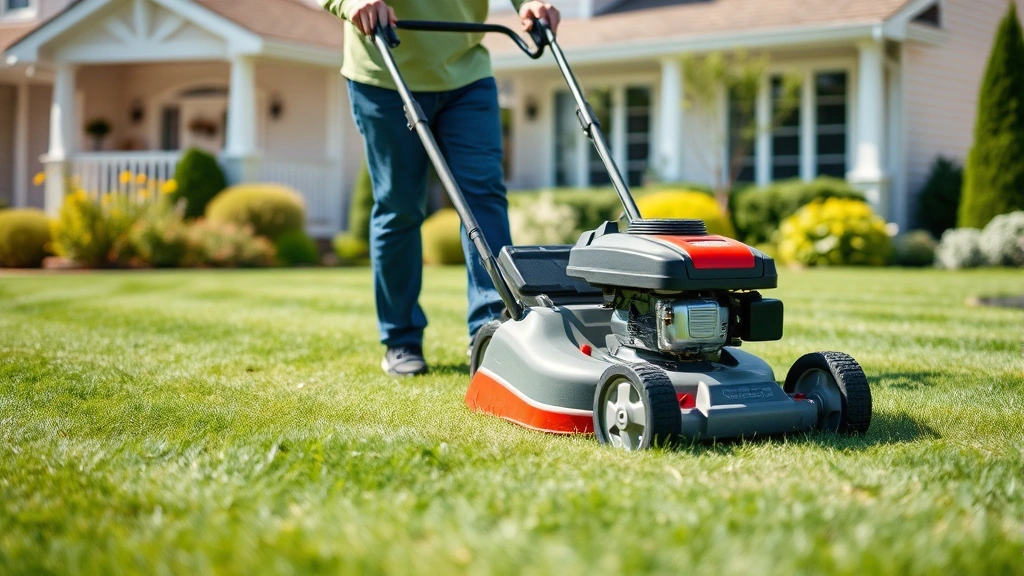
Eco-Friendly Lawn Care: Best Gas Push Mowers 2023
Maintaining a healthy lawn while minimizing environmental impact requires thoughtful equipment choices. Gas push mowers remain popular for homeowners with larger properties, offering powerful performance without the cord limitations of electric models. However, selecting the best gas push mower means balancing cutting efficiency, fuel consumption, emissions, and long-term sustainability considerations. This guide explores top-performing models that prioritize environmental responsibility alongside reliable lawn maintenance.
The lawn care industry has evolved significantly, with manufacturers increasingly focusing on reducing emissions and improving fuel efficiency. Modern gas push mowers incorporate advanced engine technology, mulching capabilities, and ergonomic designs that make yard work more efficient and less wasteful. Whether you’re managing a quarter-acre or larger residential space, understanding key features helps you make an environmentally conscious purchase that serves your needs for years to come.
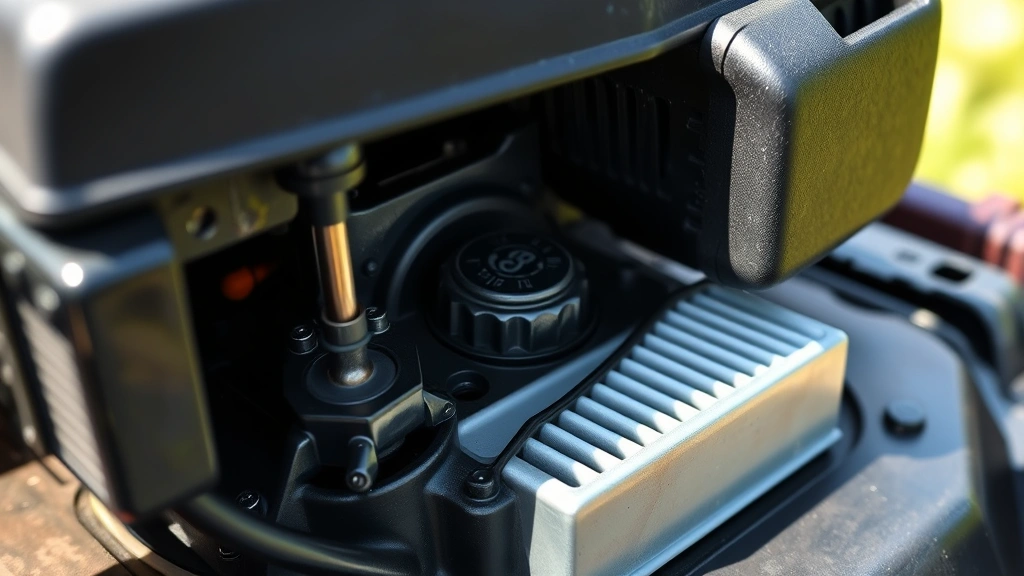
Understanding Gas Push Mower Environmental Impact
Gas-powered lawn equipment contributes to air pollution and greenhouse gas emissions, a fact that sustainability-minded homeowners must acknowledge. Small engines used in push mowers emit significant amounts of nitrogen oxides and volatile organic compounds relative to their size. According to the EPA’s regulations on small spark-ignition engines, manufacturers have made substantial progress reducing these pollutants over the past decade.
The environmental footprint of lawn care extends beyond emissions. Consider fuel production, transportation, manufacturing processes, and equipment disposal. However, gas push mowers offer longevity advantages when properly maintained, potentially offsetting some environmental costs through extended product lifespan. A well-chosen model can operate effectively for 10-15 years, reducing the need for frequent replacement and associated manufacturing impacts.
Understanding this complexity helps you make informed decisions. Rather than viewing gas mowers as inherently unsustainable, recognize them as tools requiring responsible selection and operation. Pairing gas equipment with sustainable lawn care practices to reduce your environmental footprint creates a more balanced approach to yard maintenance.
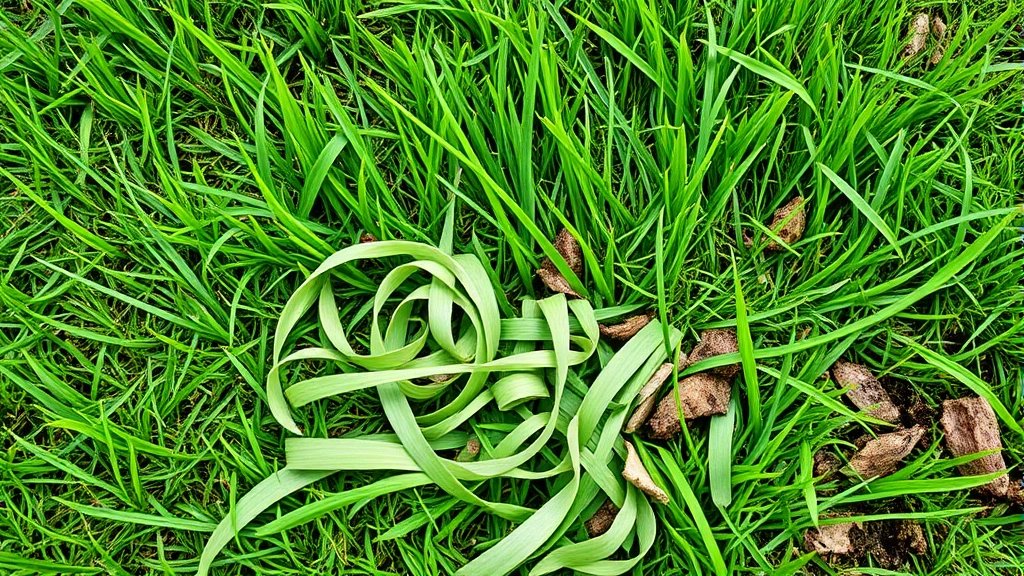
Key Features for Eco-Conscious Selection
When evaluating the best gas push mower, prioritize features that enhance efficiency and reduce environmental harm:
- Four-Stroke Engines: Superior to two-stroke models, four-stroke engines consume less fuel, produce fewer emissions, and run quieter. They don’t require oil-fuel mixing, reducing waste and complexity.
- Mulching Capability: Mulching mowers finely chop grass clippings, returning nutrients to soil and reducing landfill waste. This eliminates bagging and disposal, saving time and environmental resources.
- Adjustable Cutting Heights: Flexible height settings allow you to maintain optimal grass length for your climate and season, promoting healthier lawns that require less watering and pest management.
- Fuel Efficiency Ratings: Look for models certified by the EPA’s SmartWay program or equivalent standards, ensuring engines meet current emissions requirements.
- Lightweight Construction: Lighter mowers require less fuel to operate and reduce physical strain, making maintenance easier for long-term ownership.
- Durable Materials: Steel decks and quality components last longer, reducing replacement frequency and associated manufacturing impacts.
Variable speed controls and easy starting mechanisms also contribute to efficient operation. Models with automatic chokes and fuel shut-offs prevent unnecessary fuel waste and emissions during idle periods.
Top Gas Push Mower Models for 2023
Honda HRX217HYA: This flagship model combines Honda’s reliable engineering with advanced environmental features. The HRX217HYA features a four-stroke engine, mulching system, and fuel-efficient design that minimizes waste. Its powerful cutting performance handles thick grass and weeds efficiently, reducing mowing time and fuel consumption per session.
Toro TimeMaster 30-inch: Designed for larger lawns, this wide-cut mower reduces mowing passes, thereby lowering total fuel consumption. The efficient engine and premium blade system deliver clean cuts that promote grass health and reduce disease susceptibility.
Craftsman M215: Offering excellent value, the M215 delivers reliable performance with a fuel-efficient four-stroke engine. Its compact design suits smaller properties while maintaining professional cutting quality and durability.
Briggs & Stratton Neuton: This model emphasizes lightweight construction and easy handling without sacrificing power. The efficient engine design reduces emissions while maintaining consistent performance across varied terrain.
Husqvarna LC221RH: Swedish engineering combines durability with environmental responsibility. The model features a powerful four-stroke engine, excellent mulching capability, and long-term reliability that justifies the investment through extended service life.
Each model represents different priorities—whether maximizing cutting width, minimizing weight, or optimizing fuel efficiency. Your choice should reflect your lawn size, terrain characteristics, and long-term maintenance commitment.
Fuel Efficiency and Emissions Standards
Modern regulations significantly impact mower design and environmental performance. The EPA’s Tier 4 emissions standards, which took effect in recent years, require manufacturers to reduce harmful pollutants substantially. When shopping for a best gas push mower, verify that your chosen model meets current Tier 4 or equivalent standards.
Fuel efficiency directly correlates with emissions reduction. A mower consuming less gasoline produces fewer greenhouse gases and pollutants per hour of operation. Premium models achieve 2-3 hours of operation per gallon, while older equipment often uses significantly more fuel. This efficiency difference justifies the higher upfront cost through reduced operational expenses and environmental impact.
Seasonal fuel storage practices affect emissions too. Ethanol-blended gasoline can degrade during off-season storage, creating varnish buildup that reduces engine efficiency. Using fuel stabilizers or pure gasoline during winter storage maintains engine cleanliness and performance, reducing emissions when you resume mowing.
Consider consulting the EPA’s air quality standards to understand how small engine emissions contribute to local air pollution. This knowledge reinforces the importance of selecting efficient equipment and maintaining it properly.
Maintenance Tips for Sustainable Longevity
Proper maintenance transforms your gas push mower into a long-lasting tool that serves your property sustainably for decades. Regular care prevents performance degradation, maintains fuel efficiency, and extends operational life—ultimately reducing the environmental cost per year of service.
Oil Changes: Regular oil changes keep engines running smoothly and efficiently. Follow manufacturer recommendations, typically every 50-100 hours of operation. Clean oil reduces friction, improves fuel economy, and prevents premature wear requiring replacement.
Blade Maintenance: Sharp blades cut grass cleanly, reducing plant stress and promoting healthier growth. Dull blades tear grass, creating brown tips and increasing disease susceptibility. Sharpen blades at least twice yearly or whenever they become noticeably dull.
Air Filter Cleaning: Clogged air filters force engines to work harder, consuming excess fuel and producing more emissions. Inspect filters monthly during mowing season and clean or replace as needed. This simple maintenance significantly improves efficiency.
Spark Plug Replacement: Worn spark plugs reduce engine performance and increase fuel consumption. Replace annually or as recommended by the manufacturer to maintain optimal combustion efficiency.
Seasonal Storage: Proper off-season care prevents fuel degradation and engine damage. Run the mower until the fuel tank is empty, or add fuel stabilizer and run for several minutes to treat the fuel system. Store in a dry location protected from weather and rodents.
Deck Cleaning: Grass buildup on the mower deck increases weight and creates rust spots. Clean the underside weekly during mowing season to prevent corrosion and maintain optimal performance.
These maintenance practices align with broader sustainable equipment care principles that extend product lifespan and reduce environmental impact. Investing time in maintenance pays dividends through years of reliable service.
Comparing Gas vs. Electric Lawn Equipment
The gas versus electric mower debate requires nuanced analysis rather than assumptions. Electric mowers, particularly battery-powered models, offer zero direct emissions and quieter operation. However, they present limitations for larger properties, as battery charge limits runtime and replacement batteries represent significant expense.
Advantages of Gas Push Mowers:
- Superior cutting power for thick grass, weeds, and dense lawns
- Extended runtime without recharging—ideal for larger properties
- Lower upfront equipment cost compared to premium cordless electric models
- Established repair infrastructure with widespread technician availability
- Proven long-term durability and reliability
Advantages of Electric Push Mowers:
- Zero direct emissions during operation
- Significantly quieter, reducing noise pollution
- Lower maintenance requirements and operating costs
- Instant starting without warm-up periods
- Ideal for smaller lawns and residential properties
The optimal choice depends on your specific situation. Homeowners with quarter-acre or smaller lawns may find electric mowers superior from environmental and practical perspectives. Those managing larger properties with demanding conditions benefit from gas mower performance and runtime advantages.
A hybrid approach deserves consideration: using an electric mower for regular maintenance and reserving a gas mower for occasional heavy-duty cutting. This strategy balances environmental responsibility with practical performance needs. Explore additional lawn care insights on the SustainWise Hub Blog for comprehensive equipment reviews.
The environmental comparison extends beyond operation to manufacturing and disposal. Electric mower batteries contain materials requiring careful recycling, while gas equipment produces minimal hazardous waste if properly serviced. Neither option is perfectly sustainable—both represent compromise between convenience, performance, and environmental responsibility.
FAQ
What makes a gas push mower eco-friendly?
An eco-friendly gas push mower features a four-stroke engine meeting current EPA emissions standards, excellent fuel efficiency, mulching capability, and durable construction ensuring years of service. These characteristics minimize emissions, reduce waste, and provide long-term value that justifies environmental costs.
How often should I maintain my gas push mower?
Perform basic maintenance weekly during mowing season—cleaning the deck, checking air filters, and inspecting blades. Conduct more comprehensive maintenance monthly, including oil level checks. Change oil every 50-100 hours, replace spark plugs annually, and sharpen blades twice yearly or as needed.
What’s the difference between mulching and bagging?
Mulching finely chops grass clippings and returns them to the lawn, providing nutrients and eliminating disposal waste. Bagging collects clippings for disposal or composting. Mulching reduces landfill waste, improves soil health, and decreases overall lawn maintenance effort, making it the more sustainable option.
Can I use ethanol-free gasoline in my mower?
Yes, many mower manufacturers recommend ethanol-free gasoline for better storage stability and engine cleanliness. Ethanol-free fuel resists degradation during off-season storage, maintaining engine efficiency and reducing maintenance issues. Check your mower’s manual for specific fuel recommendations.
How does mower size relate to environmental impact?
Larger mowers with wider cutting decks reduce the number of passes needed to mow a lawn, lowering total fuel consumption and emissions per session. However, wider mowers consume more fuel per pass. The environmental optimum depends on your lawn size—smaller mowers suit compact properties, while larger mowers benefit spacious lawns.
What’s the expected lifespan of a quality gas push mower?
Well-maintained gas push mowers typically operate for 10-15 years or 500+ hours of service. Premium brands with robust construction may exceed this lifespan significantly. This longevity reduces the environmental cost per year of ownership compared to frequently replaced equipment.
Are there certifications indicating environmental performance?
Yes, look for EPA SmartWay certification, Tier 4 emissions compliance, or manufacturer environmental commitments. These certifications verify that equipment meets stringent emissions standards and fuel efficiency requirements, helping you identify genuinely eco-conscious options.
How does lawn maintenance practice affect overall environmental impact?
Proper mowing practices—maintaining appropriate grass height, mulching clippings, avoiding overwatering, and reducing chemical inputs—significantly reduce environmental impact beyond equipment selection. These practices promote soil health, reduce pest pressure, and minimize water waste, creating truly sustainable lawn care systems.


