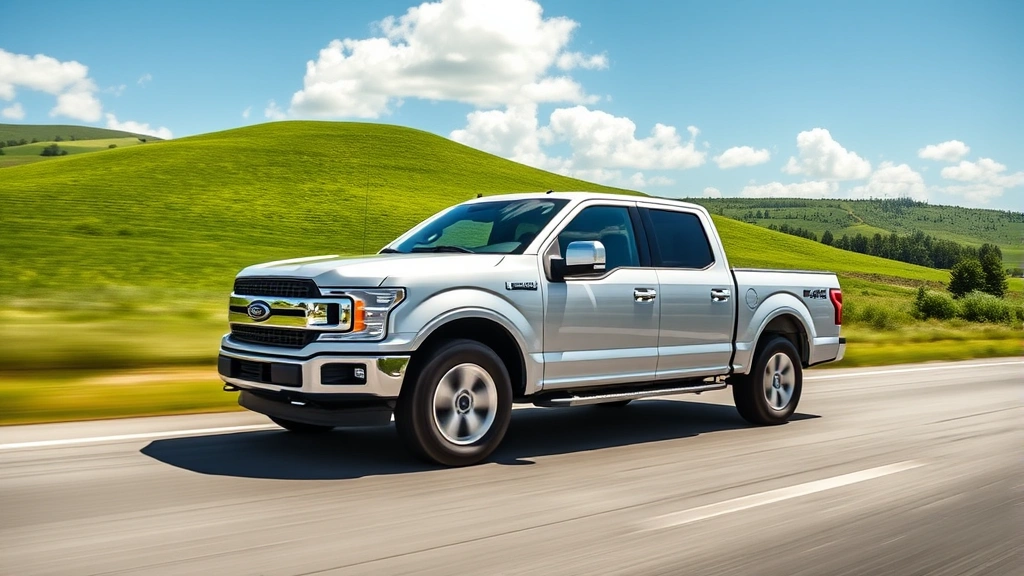
Fuel-Efficient Trucks: Top Picks for 2023
Finding the right truck that balances power, capability, and fuel efficiency has become increasingly important for both budget-conscious consumers and environmentally aware drivers. In 2023, the truck market offers more fuel-efficient options than ever before, combining advanced engine technology, lightweight materials, and aerodynamic designs to reduce consumption at the pump. Whether you’re hauling cargo for work or seeking a reliable daily driver, selecting a fuel-efficient truck can significantly lower your operating costs while reducing your carbon footprint.
The shift toward more efficient trucks reflects broader industry trends and consumer demand for sustainable transportation solutions. Manufacturers have invested heavily in hybrid technology, diesel innovations, and engine optimization to create vehicles that don’t sacrifice performance for efficiency. This comprehensive guide explores the best fuel-saving trucks available today, examining their specifications, real-world performance, and environmental impact to help you make an informed decision.
Understanding Truck Fuel Efficiency
Truck fuel efficiency is measured in miles per gallon (MPG), a metric that determines how far a vehicle can travel on one gallon of fuel. For trucks, typical efficiency ratings range from 15 to 25 MPG depending on the model, engine type, and driving conditions. Understanding the factors that influence fuel efficiency helps you evaluate which truck best suits your needs while supporting your commitment to reducing your environmental footprint.
Several key elements affect truck fuel efficiency: engine displacement and type, transmission technology, vehicle weight, aerodynamics, and driving habits. Modern trucks employ sophisticated technologies such as cylinder deactivation, direct fuel injection, turbocharging, and integrated starter-generators to optimize performance while minimizing fuel consumption. The EPA provides standardized testing methods to measure and compare fuel economy across different vehicles, ensuring transparent and reliable data for consumers.
Payload capacity and towing ability shouldn’t be compromised when selecting an efficient truck. Advanced engineering allows manufacturers to maintain robust hauling capabilities while improving MPG ratings. Factors like transmission type—whether automatic, manual, or continuously variable—significantly impact fuel economy, with modern automatics often outperforming older designs in efficiency.
Top Hybrid Truck Options for 2023
Hybrid trucks represent the pinnacle of fuel efficiency in the conventional truck category, combining gasoline engines with electric motors to maximize energy utilization. The Ford F-150 PowerBoost Hybrid stands out as a leader in this segment, delivering approximately 24 MPG combined with full-size truck capabilities. This system seamlessly switches between electric and gasoline power, automatically optimizing performance based on driving conditions and load requirements.
The Chevrolet Silverado RST 1500 Hybrid offers comparable efficiency with an estimated 22 MPG combined rating, featuring a 6.0-liter V8 engine paired with a 48-volt hybrid system. This technology provides smooth power delivery and reduced fuel consumption without sacrificing the truck’s traditional towing and hauling strengths. The hybrid system captures energy during braking and coasting, converting it into usable electrical power.
Ram has entered the hybrid market with the 1500 DT Hybrid, delivering approximately 23 MPG combined and featuring an integrated hybrid powertrain. These vehicles maintain the spacious cabins and advanced technology features truck buyers expect while delivering measurable fuel savings. Hybrid trucks typically cost more upfront than their gasoline counterparts, but advantages of electric vehicles and hybrid systems include lower lifetime fuel costs and reduced emissions.
Hybrid truck owners benefit from regenerative braking systems that capture kinetic energy otherwise lost during deceleration. This energy charges the onboard battery, reducing the workload on the primary engine. For buyers frequently towing or hauling heavy loads, hybrid trucks provide substantial fuel savings compared to traditional gasoline models while maintaining essential capabilities.
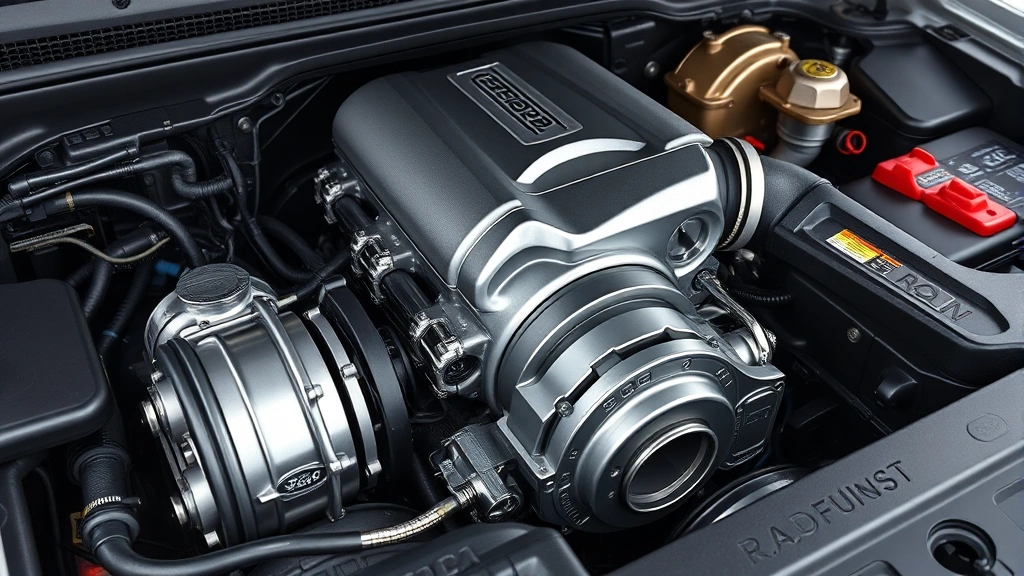
Diesel Trucks with Superior MPG
Diesel engines have long been recognized for their superior fuel economy, and 2023 models continue this tradition with refined powerplants delivering impressive efficiency. The Ford F-250 Super Duty Diesel achieves approximately 20-21 MPG highway with its 6.7-liter Power Stroke engine, making it an excellent choice for long-distance hauling and commercial applications. Diesel engines generate significantly more torque than comparable gasoline engines, allowing drivers to maintain consistent speeds while towing without excessive fuel consumption.
The Chevrolet Silverado 2500 Duramax Diesel offers similar efficiency ratings with advanced emissions control systems that meet modern environmental standards. The Duramax engine has built a reputation for longevity and reliability, with many owners reporting 250,000+ miles of dependable service. Diesel trucks typically command premium fuel prices, but their superior efficiency often offsets this cost disadvantage over the vehicle’s lifetime.
Ram’s 2500 Power Wagon with Cummins Diesel delivers approximately 19-20 MPG combined, providing excellent capability for demanding work environments. Modern diesel emissions systems, including selective catalytic reduction (SCR) and diesel particulate filters (DPF), significantly reduce harmful pollutants while maintaining efficiency. These technologies represent important advances in making diesel trucks more environmentally responsible.
Diesel trucks excel in specific applications, particularly those involving sustained highway driving, heavy towing, or professional fleet use. The higher upfront cost of diesel models is typically recovered through fuel savings over extended ownership periods. When considering sustainable energy solutions for commercial transportation, diesel trucks remain a practical choice for businesses prioritizing long-term efficiency.
EcoBoost and Advanced Gasoline Engines
Ford’s EcoBoost engine family revolutionized truck efficiency by combining turbocharging and direct fuel injection to reduce displacement while maintaining power output. The Ford F-150 with 3.5L EcoBoost achieves approximately 20-21 MPG combined, delivering V8-level power from a smaller, more efficient engine. This technology allows manufacturers to offer multiple engine options within a single truck platform, accommodating diverse buyer preferences and budgets.
The Ford F-150 with 2.7L EcoBoost provides entry-level efficiency at around 21-22 MPG combined for those prioritizing fuel economy over maximum towing capacity. This engine suits buyers who need truck functionality for occasional hauling and daily commuting. EcoBoost engines have proven their reliability and longevity through millions of miles of real-world use across various Ford truck models.
General Motors’ Chevrolet Silverado with 5.3L V8 incorporates cylinder deactivation technology that deactivates four cylinders under light-load conditions, improving efficiency to approximately 19-20 MPG combined. This intelligent system automatically reactivates all cylinders when power is needed, providing seamless performance transitions. Ram’s 1500 with 5.7L HEMI similarly employs advanced efficiency technologies, delivering competitive fuel economy ratings.
Gasoline engines remain popular among truck buyers due to lower purchase prices, simpler maintenance, and abundant refueling infrastructure. Modern gasoline trucks incorporate multiple efficiency-enhancing technologies: variable valve timing, turbocharging, direct injection, and lightweight aluminum construction. These innovations narrow the efficiency gap between gasoline and diesel options for many buyers.

Maintenance Tips for Maximum Efficiency
Proper maintenance directly impacts truck fuel efficiency, with neglected vehicles experiencing measurable MPG degradation. Regular oil changes using the manufacturer-recommended grade keep engine components properly lubricated, reducing friction and improving efficiency. Synthetic oils often provide superior protection and efficiency benefits compared to conventional options, particularly in extreme temperature conditions.
Tire pressure significantly influences fuel consumption, with underinflated tires increasing rolling resistance and reducing MPG by up to 3%. Check tire pressure monthly and before long trips, maintaining the PSI specified on the driver’s door jamb rather than the maximum pressure listed on the tire sidewall. Proper wheel alignment ensures tires contact the road correctly, preventing premature wear and efficiency loss.
Air filter replacement maintains optimal engine breathing, with clogged filters forcing engines to work harder and consume more fuel. Inspect air filters every 15,000 miles and replace as needed. Spark plugs in gasoline engines should be replaced according to manufacturer schedules—typically every 30,000-100,000 miles depending on the plug type—to maintain efficient combustion.
Fuel system maintenance prevents efficiency loss caused by deposits accumulating in fuel injectors and intake valves. Using quality gasoline with detergent packages helps minimize buildup, while occasional fuel system cleaning treatments can restore efficiency in high-mileage vehicles. Transmission fluid changes at recommended intervals ensure smooth power delivery and optimal efficiency. For those seeking comprehensive guidance, explore our best gas equipment resources that discuss maintenance principles applicable to various engines.
Aerodynamic modifications like tonneau covers, bed liners, and wind deflectors reduce drag and improve highway efficiency by 5-10%. Removing unnecessary weight from the truck bed also improves efficiency, particularly for vehicles not regularly carrying heavy loads. These simple modifications complement mechanical maintenance in optimizing overall fuel economy performance.
Comparing Total Cost of Ownership
While fuel efficiency directly reduces operating costs, calculating total cost of ownership requires examining purchase price, fuel expenses, maintenance costs, insurance, and depreciation. Hybrid and diesel trucks typically command higher purchase prices than standard gasoline models, with price premiums ranging from $3,000 to $15,000 depending on the powertrain and trim level.
Fuel cost calculations should account for regional price variations and anticipated driving patterns. A truck driven 15,000 miles annually in city conditions will realize different savings than one used for highway hauling. Using EPA fuel economy estimates and local fuel prices, potential owners can calculate payback periods for hybrid and diesel premiums, typically ranging from 3 to 8 years depending on driving habits.
Maintenance costs vary by powertrain, with hybrid systems potentially requiring specialized service and repair expenses. However, regenerative braking systems significantly reduce brake wear, offsetting some maintenance costs. Diesel trucks may require more expensive oil changes and emissions system maintenance, while gasoline engines generally offer the lowest maintenance expenses. Consider warranty coverage, which often extends to 5-7 years or 60,000-100,000 miles on powertrain components.
Insurance rates reflect vehicle value, repair costs, and safety ratings, with minimal variation between fuel-efficient and standard models. Resale value depends on market demand for specific models and powertrains, with diesel and hybrid trucks often commanding premium prices in secondary markets. When evaluating total cost of ownership, examine manufacturer incentives and tax credits available for fuel-efficient vehicles, which can substantially reduce net purchase costs.
Professional fleet buyers benefit from bulk purchasing power and reduced maintenance costs through fleet service programs, making fuel-efficient truck selection particularly important for commercial operations. Companies calculating fleet operating expenses over multi-year periods often justify premium fuel-efficient options through documented fuel savings. For additional context on sustainable equipment choices, review our best gas water heater guide demonstrating efficiency evaluation principles across different products.
FAQ
What is the most fuel-efficient truck available in 2023?
The Ford F-150 PowerBoost Hybrid achieves approximately 24 MPG combined, making it the most fuel-efficient full-size truck. However, diesel models like the Ford F-250 Super Duty Diesel deliver superior highway efficiency (20-21 MPG) when towing heavy loads, as diesel engines optimize performance under sustained power demands.
Should I choose a hybrid, diesel, or gasoline truck?
Selection depends on your specific use case. Hybrid trucks excel for mixed driving with frequent city stops and starts. Diesel trucks maximize efficiency for highway hauling and heavy towing. Gasoline trucks offer the lowest purchase price and simplest maintenance for occasional truck users. Evaluate your annual mileage, typical driving conditions, and budget to determine the optimal choice.
How much can I save annually with a fuel-efficient truck?
Savings depend on current fuel prices, driving patterns, and efficiency differences between vehicles. A truck improving from 17 MPG to 21 MPG while driving 15,000 miles annually could save approximately $400-600 annually at average fuel prices. Highway-focused drivers with higher annual mileage realize proportionally greater savings.
Do fuel-efficient trucks compromise on towing and hauling capability?
Modern fuel-efficient trucks maintain impressive towing and hauling capacity without significant compromise. Hybrid and diesel trucks often exceed gasoline alternatives in torque delivery, essential for sustained towing. However, extreme towing scenarios may benefit from traditional gasoline engines with larger displacements, though efficiency differences narrow with advanced technologies.
What maintenance is required for hybrid trucks?
Hybrid trucks require standard maintenance similar to gasoline models, including oil changes, filter replacements, and fluid services. The hybrid system itself requires minimal maintenance, though specialized technicians may be necessary for battery or motor repairs. Many manufacturers provide extended warranties on hybrid components, covering repairs for 8-10 years.
Are there government incentives for purchasing fuel-efficient trucks?
Federal tax credits and state incentives vary by location and vehicle type. Some states offer rebates for hybrid purchases, while federal programs focus on electric vehicles. Research current incentive programs in your area and consult with dealerships regarding available credits, which can substantially reduce effective purchase prices.
How do real-world MPG ratings compare to EPA estimates?
Real-world efficiency typically ranges from 85-90% of EPA combined ratings, depending on driving conditions, habits, and vehicle maintenance. Highway driving often achieves EPA estimates or better, while aggressive city driving produces lower results. Individual driving style significantly impacts efficiency—smooth acceleration and consistent speeds maximize fuel economy.


