Save on Fuel: Top Gas Station Tips and Expert Insights
Fuel costs continue to impact household budgets significantly, making it essential to understand how to maximize efficiency at the pump. Whether you’re filling up a sedan, truck, or preparing for a road trip, strategic decisions at the gas station can substantially reduce your expenses. This comprehensive guide explores evidence-based techniques, expert recommendations, and sustainable practices that help you save money while minimizing environmental impact.
The relationship between fuel consumption and cost extends beyond simply choosing the cheapest station. Factors including octane ratings, fuel additives, timing of purchases, and vehicle maintenance all influence both your wallet and carbon footprint. By implementing these proven strategies, you’ll discover that intelligent fueling habits complement broader efforts toward reducing your environmental footprint.
Understanding Octane Ratings and Fuel Quality
Octane ratings represent a fuel’s ability to resist engine knocking, which occurs when fuel ignites prematurely in the combustion chamber. Most vehicles operate optimally on regular unleaded gasoline (87 octane), while performance and luxury vehicles may require premium fuel (91-93 octane). Understanding your vehicle’s requirements prevents unnecessary spending on higher-octane fuel when regular grade suffices.
The EPA’s fuel economy resources provide detailed information about fuel selection for various vehicle types. Using premium fuel in a vehicle designed for regular gasoline offers no performance benefits and wastes approximately 10-15% more money annually. Conversely, using regular fuel in vehicles requiring premium can damage the engine and reduce efficiency.
Fuel quality varies significantly between stations. Major branded stations (Shell, Chevron, BP) typically maintain higher detergent standards, which keep fuel injectors cleaner and improve engine efficiency. These detergents reduce carbon buildup, ensuring optimal combustion and better fuel economy. While branded fuel costs slightly more per gallon, the improved efficiency often offsets the premium within weeks.
Independent stations may offer competitive pricing but sometimes source fuel from larger refineries with minimal quality control. When selecting a fuel provider, consider the long-term value rather than purely the per-gallon price. A 2-3 cent premium for superior fuel quality translates to measurable improvements in miles per gallon.
Strategic Timing: When to Fill Your Tank
Gasoline prices fluctuate daily based on crude oil markets, refinery capacity, and seasonal demand. Understanding these patterns enables strategic purchasing decisions. Historical data shows that prices typically peak mid-week (Wednesday-Thursday) and drop on weekends. Filling your tank on Sunday or Monday mornings often yields 5-10 cent savings per gallon compared to mid-week purchases.
Seasonal variations significantly impact pricing. Summer driving season (May-September) triggers higher demand and stricter environmental regulations, increasing fuel costs by 15-30 cents per gallon. Planning major trips during shoulder seasons (April, October) or winter months provides substantial savings. Additionally, prices tend to rise before major holidays when demand surges.
Temperature affects fuel density and efficiency. Gasoline is denser in cooler temperatures, meaning each gallon contains slightly more energy. Filling up during early morning or evening hours provides marginally better value than midday purchases. While the difference is modest (1-2%), combined with other strategies, it contributes to cumulative savings.
Monitoring gas price trends through apps like GasBuddy or AAA enables informed purchasing. These platforms display real-time prices across your region, allowing you to identify the cheapest stations and plan fill-ups accordingly. Loyalty programs at major chains often provide discounts ranging from 3-10 cents per gallon, making them worthwhile for regular customers.
Maintenance Practices That Improve Fuel Economy
Engine maintenance directly impacts fuel efficiency. A well-tuned engine with clean spark plugs, proper fuel injectors, and optimized air-fuel ratios maximizes combustion efficiency. Neglecting maintenance can reduce fuel economy by 10-20%, quickly offsetting any savings from strategic fueling practices.
Tire pressure represents one of the most overlooked efficiency factors. Under-inflated tires increase rolling resistance, forcing your engine to work harder and consume more fuel. Maintaining proper tire pressure (typically 32-35 PSI, as specified in your owner’s manual) improves fuel economy by 3-5%. Check tire pressure monthly, particularly in cold weather when pressure drops naturally.
Air filters require regular replacement; clogged filters restrict oxygen flow to the engine, creating a rich fuel mixture that wastes gasoline. Modern fuel-injected vehicles are less sensitive to air filter condition than carbureted engines, but replacement every 15,000-30,000 miles maintains optimal efficiency. Cabin air filters, while not directly affecting fuel economy, improve HVAC efficiency and overall vehicle performance.
Oil viscosity significantly influences fuel consumption. Using the manufacturer-recommended oil grade (5W-30 vs. 10W-40, for example) reduces engine friction and improves efficiency. Synthetic oils provide superior lubrication and typically extend oil change intervals to 7,500-10,000 miles, reducing maintenance frequency and associated costs.
For those considering vehicle upgrades, exploring vehicles with superior fuel economy or transitioning toward electric vehicle advantages represents a long-term investment in fuel savings and environmental responsibility.
Choosing the Right Gas Station
Gas station selection influences both price and fuel quality. Major branded stations maintain stricter quality standards through Tier 1 detergent packages, which the EPA defines as superior to minimum requirements. These stations typically cost 2-5 cents more per gallon but deliver measurable efficiency improvements.
Location strategy affects pricing significantly. Stations near highways and urban centers charge premium prices due to higher traffic and convenience. Rural or suburban stations offer competitive pricing, sometimes 10-15 cents cheaper per gallon. Planning routes to consolidate fill-ups at lower-cost locations saves both money and time.
Warehouse clubs (Costco, Sam’s Club) offer competitive fuel pricing for members, typically 15-30 cents cheaper per gallon than convenience stores. Membership costs ($45-120 annually) pay for themselves within weeks for regular drivers. These stations maintain quality standards comparable to major brands while delivering exceptional value.
Convenience stores, while offering quick access, charge premium prices reflecting overhead costs. Using convenience store fuel occasionally for emergencies is acceptable, but making them your primary fuel source wastes thousands annually. Avoid impulse purchases of snacks and beverages, which further inflate costs.
Digital payment methods often provide additional savings. Many stations offer 3-5 cent discounts for app-based payments or specific credit cards. Chase, Discover, and Costco credit cards frequently feature fuel rewards programs. Combining these benefits with strategic timing and proper maintenance creates a comprehensive savings strategy.
Technology and Tools for Fuel Savings
Modern vehicles feature on-board diagnostics that display real-time fuel economy. Monitoring this information during driving helps identify inefficient habits. Aggressive acceleration, rapid braking, and excessive idling dramatically reduce efficiency. Smooth, gradual acceleration and steady-state driving improve mileage by 15-20%.
Fuel economy apps integrate with your vehicle’s systems or track consumption manually through fill-up records. GasBuddy, Fuelly, and manufacturer apps provide detailed analytics, identifying trends and helping optimize purchasing patterns. These tools transform fuel consumption from an abstract expense into measurable data supporting informed decisions.
Navigation apps like Google Maps and Waze optimize route selection for fuel efficiency. Features highlighting the “eco-friendly” route consider traffic patterns, elevation changes, and distance to suggest paths minimizing fuel consumption. Using these tools for daily commutes and road trips reduces consumption by 5-10%.
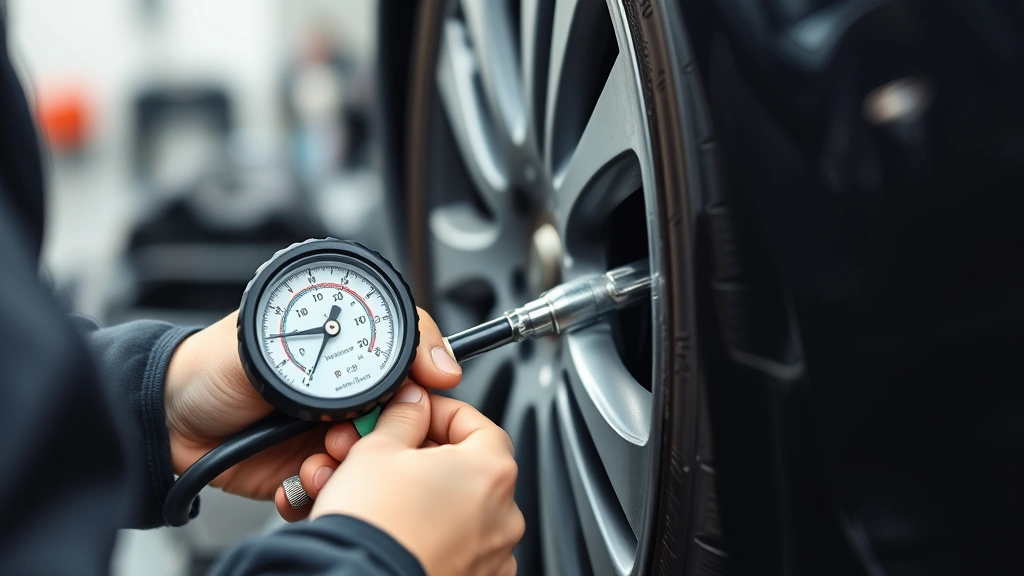
Tire pressure monitoring systems alert you to under-inflation, preventing efficiency loss. Some advanced systems adjust recommendations based on temperature and driving conditions. Investing in quality tire pressure gauges (digital models cost $15-30) enables accurate monitoring and maintenance.
Cruise control maintains steady speeds, reducing fuel consumption compared to manual acceleration and deceleration. On highway drives, engaging cruise control improves efficiency by 5-7%. However, avoid using cruise control in heavy traffic or hilly terrain where constant speed adjustments are inefficient.
Environmental Considerations in Fuel Choices
Traditional gasoline contributes significantly to greenhouse gas emissions and air pollution. The average vehicle emits approximately 4.6 metric tons of carbon dioxide annually. Making conscious fuel choices aligns with broader sustainable energy solutions and climate responsibility.
Ethanol-blended fuels (E10: 10% ethanol, 90% gasoline) reduce petroleum dependency and lower emissions by approximately 5-10%. Most modern vehicles operate seamlessly on E10 fuel, which costs 3-5 cents less per gallon than pure gasoline. The U.S. Department of Energy’s bioenergy division provides comprehensive information about ethanol fuel benefits.
Biodiesel (B20: 20% biodiesel, 80% petroleum diesel) offers similar environmental benefits for diesel vehicles. However, biodiesel requires compatible fuel systems and may reduce fuel economy slightly. Consult your vehicle’s manual before using biodiesel blends.
Reducing overall fuel consumption through efficiency measures provides the greatest environmental benefit. Each gallon conserved prevents approximately 20 pounds of carbon dioxide emissions. Improving fuel economy from 20 MPG to 25 MPG on a 12,000-mile annual commute eliminates 2.4 tons of carbon dioxide yearly—equivalent to planting 40 trees.
Considering electric vehicles represents the most impactful long-term choice. EVs produce zero direct emissions and operate on electricity increasingly sourced from renewable energy. While upfront costs exceed conventional vehicles, fuel and maintenance savings typically exceed the premium within 5-7 years.
Advanced Driving Techniques for Better Mileage
Hypermiling—the practice of extreme fuel conservation through specialized driving techniques—can improve efficiency by 20-30%. However, some hypermiling methods compromise safety. Coasting in neutral, drafting behind trucks, and turning off the engine while coasting are dangerous and illegal in many jurisdictions.
Safe efficiency techniques include smooth acceleration, maintaining steady speeds, and planning routes to minimize distance. Accelerating gradually to cruising speed uses 20-30% less fuel than rapid acceleration. Reducing idle time (turn off the engine if stopped for more than 30 seconds) prevents wasted fuel.
Load reduction significantly impacts efficiency. Removing excess weight from your vehicle improves fuel economy proportionally. Roof racks, cargo carriers, and unnecessary items reduce aerodynamics and add weight. For every 100 pounds of cargo, fuel economy decreases approximately 1-2%. Remove roof racks when not in use and consolidate trips to minimize load requirements.
Aerodynamic optimization through proper tire inflation, wheel alignment, and suspension maintenance reduces drag. Misaligned wheels create friction, reducing efficiency by 3-5%. Annual alignment checks ensure optimal vehicle performance and extend tire lifespan, reducing overall ownership costs.
Anticipatory driving—reading traffic patterns and adjusting speed preemptively—reduces sudden braking and acceleration. Maintaining distance from vehicles ahead allows gradual speed changes rather than abrupt stops. This defensive driving approach improves safety while reducing fuel consumption by 10-15%.
For those considering vehicle upgrades, researching trucks with superior fuel efficiency or hybrid options provides long-term savings. Modern trucks feature advanced technologies like selective cylinder deactivation and turbocharging, improving efficiency while maintaining performance.
FAQ
What octane rating should I use for my vehicle?
Check your owner’s manual for the manufacturer’s recommended octane rating. Most vehicles require regular unleaded (87 octane). Using premium fuel in vehicles designed for regular offers no benefits and wastes money. However, using regular fuel in vehicles requiring premium can damage the engine. Always follow manufacturer specifications.
How much can I save by maintaining proper tire pressure?
Proper tire pressure improves fuel economy by 3-5%, translating to 1-2 gallons saved per 500 miles driven. For a driver covering 12,000 miles annually, maintaining correct tire pressure saves 24-48 gallons yearly—approximately $72-144 depending on fuel prices. This simple maintenance task delivers exceptional return on investment.
Are warehouse club fuel prices worth the membership cost?
Warehouse club memberships ($45-120 annually) typically pay for themselves within 2-4 months through fuel savings alone, especially for high-mileage drivers. Savings of 15-30 cents per gallon on 12,000 annual miles equals $180-360 in fuel savings, far exceeding membership costs. Additionally, warehouse clubs offer broader shopping benefits, increasing overall value.
Does using premium fuel improve performance in regular vehicles?
No. Premium fuel’s only function is preventing engine knock in high-compression engines. Regular vehicles have lower compression ratios and produce no knock regardless of fuel octane. Using premium fuel in regular vehicles wastes money without providing performance or efficiency benefits. Stick with manufacturer-recommended grades.
How does ambient temperature affect fuel economy?
Cold weather reduces fuel economy by 15-20% due to engine friction, denser air, and increased idle time. Winter fuel formulations also contain different additives affecting efficiency. Warming your vehicle for 10-15 seconds before driving (rather than extended idling) minimizes cold-start inefficiency. Parking in garages when possible helps maintain optimal engine temperature.
What’s the relationship between fuel quality and engine longevity?
Higher-quality fuel with superior detergent packages keeps fuel injectors clean, preventing carbon buildup that degrades performance and efficiency. Over 100,000 miles, using quality fuel extends engine lifespan by 50,000+ miles and maintains resale value. While quality fuel costs more per gallon, reduced maintenance and extended vehicle life provide exceptional long-term value.
Can hypermiling techniques safely improve fuel economy?
Some hypermiling techniques improve efficiency safely, including smooth acceleration, maintaining steady speeds, and reducing vehicle load. However, dangerous practices like coasting in neutral, drafting behind trucks, and turning off the engine while moving compromise safety and are often illegal. Focus on safe, legal efficiency techniques that don’t create accident risks.
How does vehicle maintenance schedule impact fuel costs?
Following manufacturer maintenance schedules prevents efficiency loss and reduces fuel costs. Neglected maintenance—clogged air filters, worn spark plugs, improper tire pressure—reduces fuel economy by 10-20%. Annual maintenance costs ($500-800) prevent fuel waste exceeding $1,000+ yearly, making preventive maintenance economically superior to reactive repairs.


