Top 5 Pans for Gas Stoves: Chef’s Selection
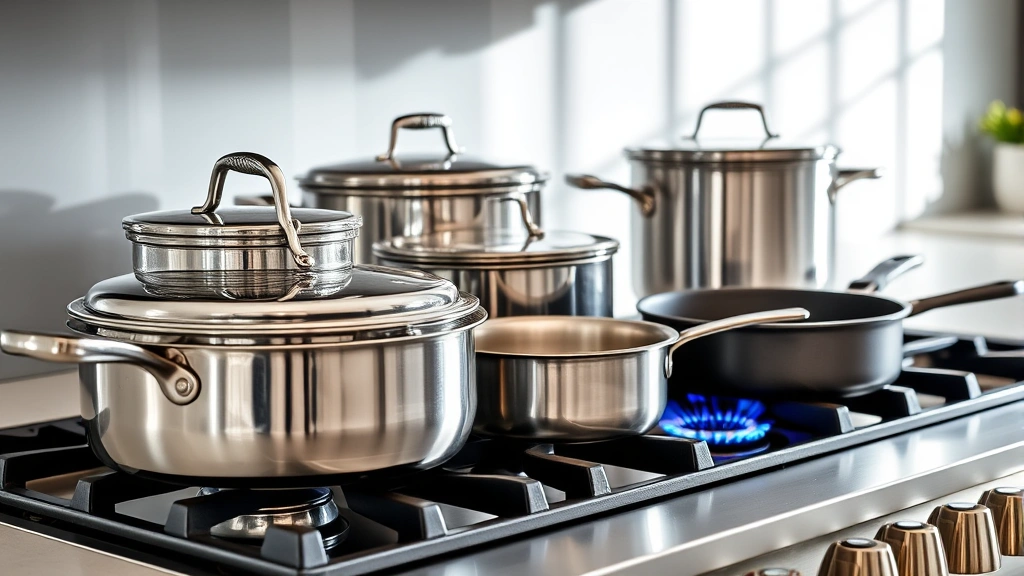
Gas stoves remain a favorite among home cooks and professional chefs alike, offering precise temperature control and immediate heat adjustment that electric alternatives struggle to match. However, selecting the right cookware for your gas stove is crucial not only for cooking performance but also for sustainability and long-term kitchen efficiency. The best pans for gas stoves combine superior heat distribution, durability, and eco-friendly manufacturing practices that align with reducing your household’s environmental impact.
Choosing quality cookware that lasts decades rather than years is one of the most practical ways to minimize kitchen waste. When you invest in well-constructed pans, you avoid the cycle of constant replacement, which reduces the demand for manufacturing resources and keeps unnecessary materials out of landfills. This guide explores the top five pans specifically designed to maximize the benefits of gas cooking while supporting your commitment to sustainable living.
Understanding Gas Stove Cookware Requirements
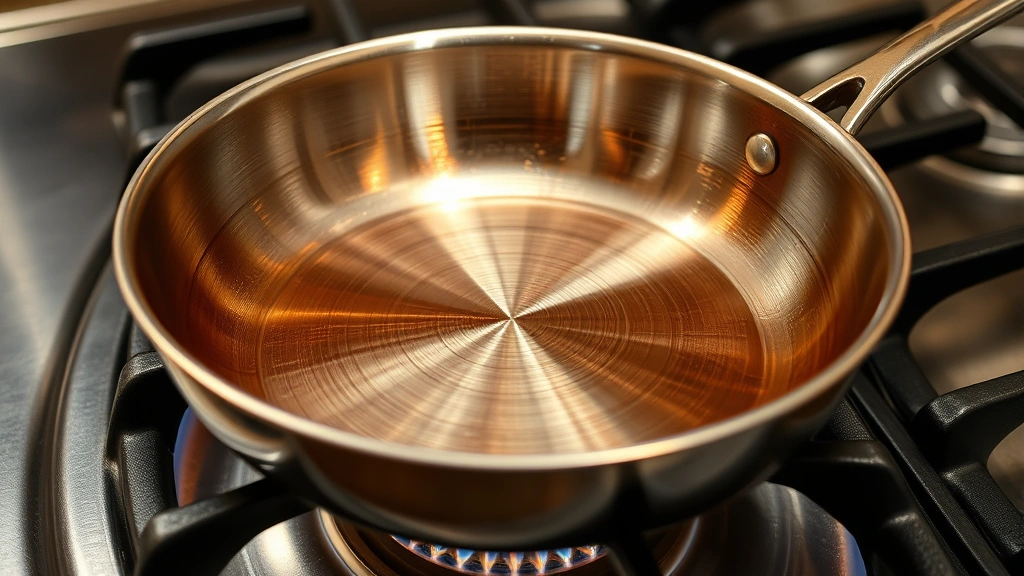
Gas stoves deliver heat through open flames that make direct contact with cookware bottoms, creating unique demands compared to electric or induction surfaces. The ideal pan for gas cooking must have a flat, stable bottom that sits flush against the grate to maximize heat transfer and ensure even cooking. Cookware with warped or uneven bases will rock on the grates, leading to hot spots, uneven cooking, and wasted energy.
When considering sustainability, it’s important to understand how cookware choice impacts your kitchen’s overall energy efficiency. Pans with excellent heat conductivity require less time on the burner, reducing gas consumption and your household’s carbon footprint. Additionally, selecting cookware made from responsibly sourced materials and manufactured through environmentally conscious processes contributes to broader environmental footprint reduction efforts.
Gas stove cookware should feature reinforced bottoms, secure handles, and materials that can withstand the direct flame exposure without degradation. The best options balance these practical requirements with durability that ensures your investment lasts for years, supporting the fundamental principle of sustainability through longevity and reduced consumption.
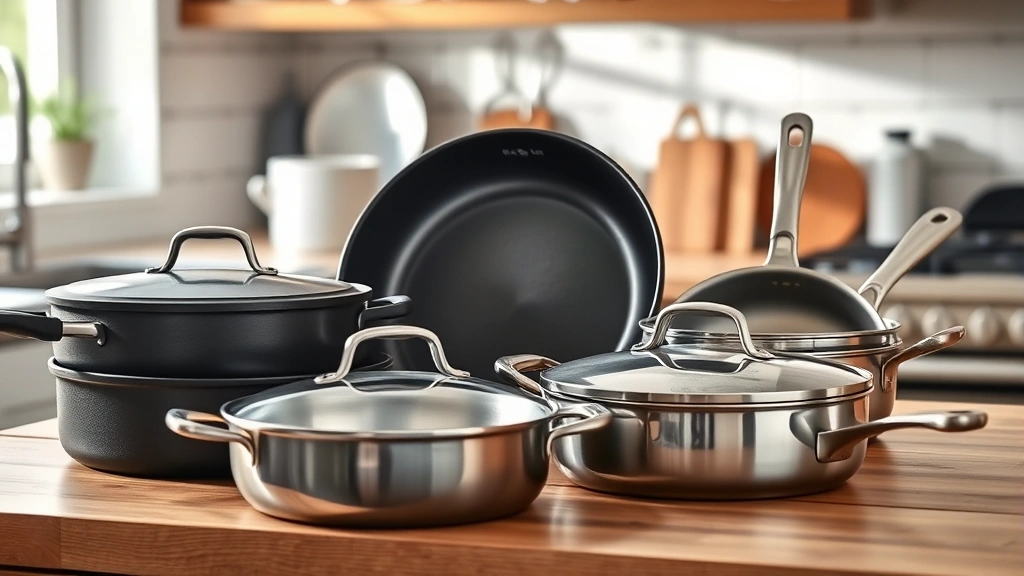
Cast Iron Skillets: The Timeless Champion
Cast iron represents the pinnacle of sustainable cookware, with some skillets passed down through multiple generations without requiring replacement. A well-maintained cast iron pan can last over a century, making it an exceptional choice for environmentally conscious cooks. The material’s inherent durability and the ability to restore worn pans through reseasoning means cast iron cookware essentially never needs replacement.
For gas stove cooking, cast iron’s exceptional heat retention and distribution create perfectly seared meats and evenly cooked vegetables. The heavy construction ensures stability on gas grates, and the material’s ability to withstand high temperatures makes it ideal for searing, frying, and even oven-finishing dishes. Cast iron also develops a naturally non-stick seasoning layer over time, eliminating the need for synthetic chemical coatings.
The environmental benefits extend beyond the individual kitchen. Cast iron production, while energy-intensive initially, is offset by the product’s century-long lifespan. Choosing cast iron over disposable non-stick cookware prevents the regular replacement cycle that contributes significantly to kitchen waste. Many manufacturers now source iron responsibly and employ sustainable manufacturing practices, further reducing environmental impact.
Common misconceptions about cast iron maintenance shouldn’t deter you from this investment. Modern cast iron care is straightforward: wash with hot water and minimal soap, dry immediately, and apply a light oil coating. This simple routine maintains the seasoning and prevents rust, ensuring your pan performs optimally on your gas stove for decades.
Stainless Steel Cookware: Durability Meets Performance
Stainless steel cookware offers a practical alternative for cooks seeking lower maintenance than cast iron while maintaining excellent longevity. High-quality stainless steel pans resist corrosion, won’t develop rust, and require only basic washing and drying. For gas stove applications, stainless steel’s moderate weight and excellent heat conductivity (especially in multi-ply constructions with aluminum or copper cores) create reliable cooking performance.
The sustainability advantage of stainless steel lies in its recyclability and durability. Stainless steel cookware can be recycled indefinitely without degrading, making it an excellent circular economy choice. When eventually discarded, stainless steel pans enter recycling streams rather than landfills, reducing environmental waste. Many manufacturers now produce stainless steel cookware from partially recycled materials, further minimizing the extraction demands on natural resources.
Look for cookware with encapsulated bottoms that extend heat-conducting materials to the pan sides, maximizing efficiency on gas flames. Stainless steel cookware from reputable manufacturers often comes with lifetime warranties, reflecting the manufacturers’ confidence in durability. This extended lifespan directly supports your sustainability goals by eliminating the need for frequent replacements.
Professional-grade stainless steel cookware balances cost with performance, offering options at various price points without sacrificing essential quality. Whether you choose fully clad construction or disk-bottom designs, stainless steel delivers the reliable performance gas cooking demands while supporting long-term kitchen sustainability.
Copper-Core Cookware: Professional-Grade Excellence
Copper-core cookware represents the pinnacle of heat distribution technology, with copper’s exceptional thermal conductivity creating the most responsive cooking performance available. For gas stove enthusiasts, copper-core pans react instantly to flame adjustments, allowing precise temperature management and superior cooking results. The visible copper band around pan bottoms isn’t merely aesthetic—it’s functional engineering that maximizes heat transfer efficiency.
While copper-core cookware typically commands premium prices, the investment translates into energy savings and superior cooking outcomes that justify the cost. More efficient heat transfer means shorter cooking times, reducing gas consumption and supporting sustainable energy solutions in residential kitchens. The reduced cooking time decreases overall energy demand, contributing meaningfully to household carbon footprint reduction.
Quality copper-core cookware lasts for decades with proper care, making it a sound investment for sustainability-minded cooks. The multi-ply construction, typically featuring stainless steel exteriors with copper cores and stainless steel interiors, ensures durability and corrosion resistance. Handles are usually riveted securely, and lids fit precisely, creating sealed cooking environments that further reduce cooking times.
Maintenance requires attention to avoid dishwasher damage and preserve exterior finishes, but hand washing takes minimal effort. Some copper-core cookware requires periodic polishing to maintain the distinctive copper appearance, though this is optional and doesn’t affect functionality. The investment in quality copper-core cookware pays dividends through superior performance and exceptional longevity.
Hard-Anodized Aluminum: Lightweight Performance
Hard-anodized aluminum cookware offers lightweight alternatives to heavier cast iron and stainless steel options while maintaining excellent durability and heat conductivity. The anodization process creates a hardened surface layer that resists scratching, eliminates the need for non-stick coatings, and prevents aluminum from leaching into food. For gas stove cooking, hard-anodized aluminum’s rapid heat response and lightweight construction provide practical advantages.
The sustainability profile of hard-anodized aluminum depends significantly on manufacturing practices. Look for cookware produced by manufacturers committed to responsible sourcing and green technology innovations in manufacturing. Aluminum’s infinite recyclability means end-of-life cookware can be processed into new products indefinitely without material degradation, supporting circular economy principles.
Hard-anodized aluminum cookware typically features reinforced bottoms designed specifically for gas stove stability and even heat distribution. The lightweight nature makes these pans ideal for cooks who prefer easier handling without sacrificing performance. Quality hard-anodized cookware lasts for many years, though it may not achieve the century-plus lifespan of cast iron or premium stainless steel options.
When selecting hard-anodized cookware, prioritize options from manufacturers with transparent sourcing practices and commitment to reducing manufacturing emissions. Pairing lightweight aluminum cookware with quality construction ensures you receive both practical benefits and environmental responsibility in your kitchen investment.
Carbon Steel Pans: The Versatile Alternative
Carbon steel represents an underrated option that combines many advantages of cast iron with lighter weight and faster heat response. This material consists of iron and carbon, creating cookware that develops seasoning like cast iron but heats and cools more quickly, responding to gas flame adjustments with greater sensitivity. For gas stove enthusiasts seeking cast iron’s sustainability benefits with improved responsiveness, carbon steel offers an excellent middle ground.
The environmental credentials of carbon steel match cast iron’s exceptional longevity. A well-maintained carbon steel pan lasts for decades, and like cast iron, it can be restored through reseasoning if needed. The material’s durability means minimal replacement needs, directly supporting waste reduction and sustainable consumption patterns. Carbon steel cookware from responsible manufacturers often employs sustainable production methods that minimize environmental impact.
Gas stove cooking particularly suits carbon steel’s properties. The material’s responsiveness to flame changes allows precise temperature control, while the flat bottom provides stability on gas grates. Carbon steel develops a natural patina through use, creating a seasoning layer that improves over time and eliminates dependency on synthetic non-stick coatings. This natural seasoning process represents an elegant, chemical-free approach to non-stick functionality.
Seasoning carbon steel requires similar attention to cast iron—immediate drying and light oil application after washing. Many cooks find carbon steel easier to season than cast iron due to its lighter weight and faster heat response. The investment in quality carbon steel cookware pays dividends through superior gas stove performance and remarkable durability that spans generations.
Maintenance Tips for Longevity
Proper maintenance transforms quality cookware into lifetime investments, directly supporting your sustainability goals by eliminating replacement cycles. Each cookware type requires specific care approaches that maximize lifespan and maintain performance on your gas stove.
Cast Iron and Carbon Steel: Wash immediately after use with hot water and minimal soap, dry thoroughly with cloth, and apply thin oil coating. Avoid soaking, which promotes rust. Season regularly by heating in the oven or on the stovetop with oil application. Store in dry locations to prevent moisture accumulation.
Stainless Steel: Wash with hot soapy water and dry immediately to prevent water spots. For stubborn residue, use baking soda paste or commercial stainless steel cleaner. Avoid abrasive scrubbers that damage the finish. Hand wash rather than dishwash to preserve surface quality and extend lifespan.
Copper-Core and Hard-Anodized: Hand wash in warm soapy water and dry thoroughly. Avoid high-temperature dishwashers that can damage finishes and handles. For copper-core cookware, occasional polishing maintains appearance. Store carefully to prevent handle loosening or surface damage.
Universal maintenance practices include using appropriate heat levels for your cookware material, avoiding thermal shock from sudden temperature changes, and storing pans carefully to prevent damage. These simple practices extend cookware lifespan significantly, ensuring your investment provides decades of reliable gas stove cooking performance while supporting your commitment to sustainable living.
FAQ
What makes cookware suitable for gas stoves specifically?
Gas stoves require cookware with flat, stable bottoms that sit flush against grates for optimal heat transfer and safety. The material must withstand direct flame exposure without warping or degradation. Excellent heat conductivity ensures efficient cooking that minimizes gas consumption and supports reducing your environmental footprint through energy efficiency.
Is cast iron really better for sustainability than modern cookware?
Cast iron’s exceptional longevity—often spanning multiple generations—makes it arguably the most sustainable cookware option. A single cast iron skillet used for 100+ years eliminates the need for dozens of replacement pans, dramatically reducing manufacturing demand and kitchen waste. While initial production is energy-intensive, the century-long lifespan far outweighs this impact.
Can I use non-stick cookware on gas stoves?
While possible, traditional non-stick cookware isn’t ideal for gas stoves. Non-stick coatings can degrade with direct flame exposure, and the lighter construction often lacks stability on gas grates. Additionally, most non-stick cookware requires replacement every 5-10 years, creating unnecessary waste. Natural seasoning on cast iron or carbon steel provides non-stick properties sustainably.
How do I choose between multiple quality options?
Consider your cooking style, maintenance preferences, and budget. Cast iron suits those seeking ultimate durability; stainless steel works for low-maintenance cooks; copper-core serves those prioritizing heat precision; carbon steel offers cast iron benefits with lighter weight. All quality options support sustainability through longevity when properly maintained.
What external resources help verify cookware sustainability claims?
Check EPA resources on product sustainability, consult Greenguard certification standards for manufacturing practices, review sustainable packaging information, and explore environmental certification databases. These authoritative sources help verify manufacturers’ sustainability commitments and practices.
How does cookware choice connect to broader sustainability goals?
Kitchen cookware represents a significant portion of household consumption. Choosing durable options that last decades rather than years directly reduces manufacturing demand, material extraction, and waste generation. This aligns with fundamental sustainability principles of conscious consumption and waste reduction, making cookware selection a meaningful personal sustainability action.
Are there certifications indicating sustainable cookware production?
Look for cookware manufacturers holding certifications from environmental organizations, demonstrating commitment to responsible sourcing and manufacturing practices. Some producers participate in B Corp certification programs that verify social and environmental performance standards. Research individual manufacturers’ sustainability reports and sourcing transparency.