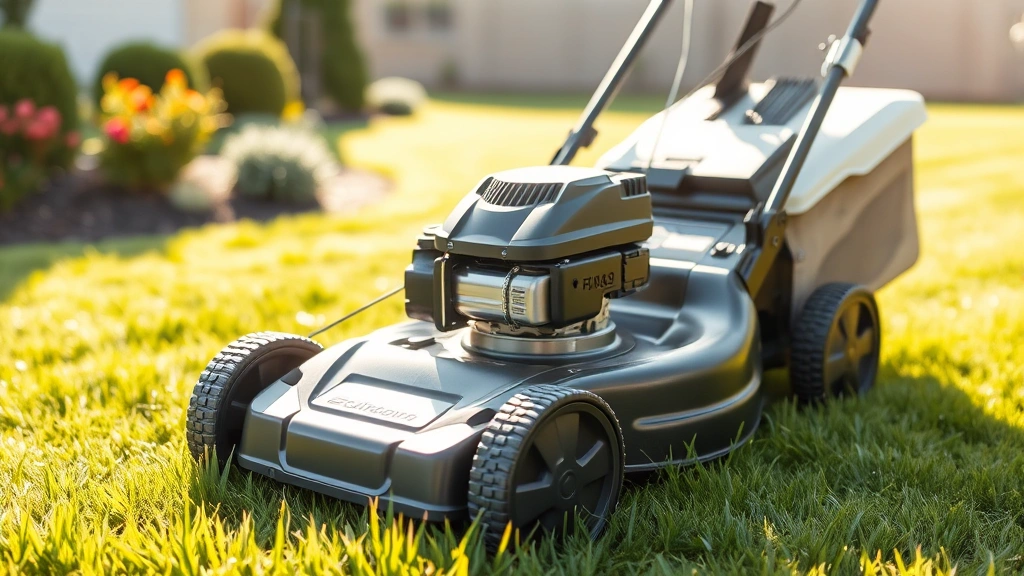
Top Gas Lawn Mowers: Expert Reviews 2023
Choosing the best self propelled gas lawn mower requires balancing power, efficiency, and environmental responsibility. While gas-powered equipment has traditionally dominated the lawn care market, today’s models offer improved fuel efficiency and reduced emissions compared to older generations. This guide examines leading gas lawn mowers available in 2023, helping homeowners make informed decisions that align with both their lawn care needs and sustainability goals.
Gas lawn mowers remain popular for their reliability on larger properties and challenging terrain where electric alternatives may fall short. However, it’s important to understand the environmental implications of your choice and how to minimize your lawn equipment’s carbon footprint through proper selection and maintenance.
Understanding Gas Lawn Mower Performance
Self-propelled gas lawn mowers offer distinct advantages for homeowners with larger yards or uneven terrain. Unlike push mowers, self-propelled models feature transmission systems that move the mower forward without requiring physical pushing, reducing operator fatigue during extended use. The best self propelled gas lawn mower combines powerful engines with efficient fuel consumption, delivering consistent cutting performance across various grass types and lawn conditions.
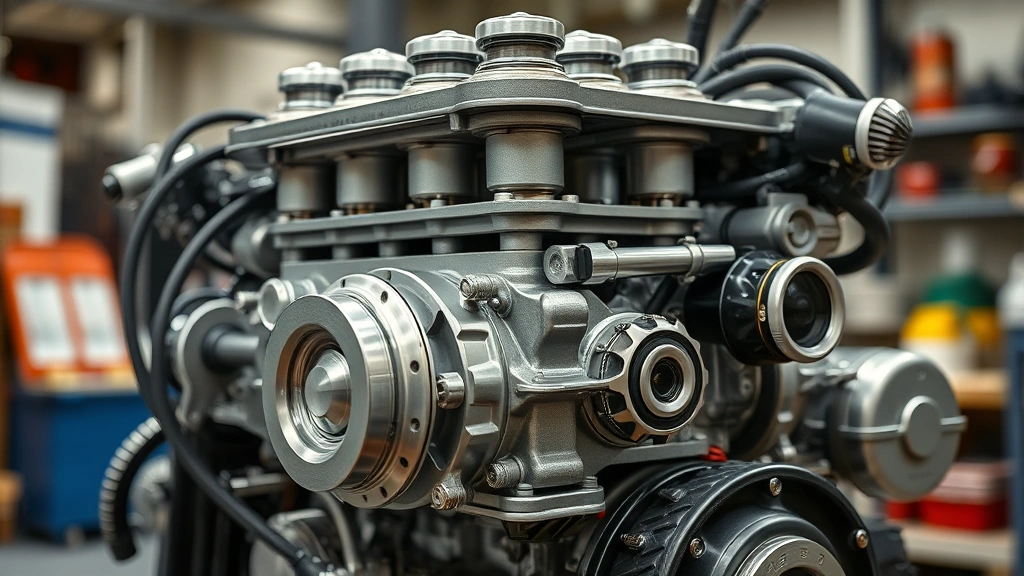
Performance metrics for gas lawn mowers include engine displacement (measured in cubic centimeters), horsepower, cutting width, and fuel tank capacity. Most quality self-propelled models feature four-stroke engines ranging from 140cc to 210cc, producing between 4 and 7 horsepower. These specifications determine how effectively the mower handles thick grass, steep inclines, and extended mowing sessions. When evaluating performance, consider your lawn’s specific characteristics—larger properties benefit from wider cutting decks (21-22 inches), while smaller yards work well with 19-20 inch decks.
Transmission type significantly impacts user experience. Variable-speed transmissions allow operators to adjust forward speed based on grass density and terrain, improving fuel efficiency and cutting quality. Fixed-speed options are simpler and more affordable but offer less flexibility. Premium models incorporate hydrostatic transmissions, providing smooth, infinitely variable speed control comparable to automatic vehicle transmissions.

Top Self-Propelled Gas Mower Models
Honda HRX217K5VKA consistently ranks among the best performers in independent reviews. This 21-inch deck mower features Honda’s GCV190 engine, delivering 6.5 horsepower with excellent fuel efficiency. The variable-speed transmission allows speeds from 0.5 to 3.6 mph, adapting to different grass conditions. Its dual-action mulching system cuts grass into fine particles that decompose quickly, reducing yard waste. The HRX217 includes vibration reduction technology and a comfortable control system, making extended mowing less fatiguing. Its environmental footprint is relatively modest for a gas mower, thanks to efficient combustion technology.
Toro TimeMaster 30-inch serves homeowners with expansive lawns seeking maximum efficiency. This commercial-grade self-propelled mower covers significantly more ground per mowing session, potentially reducing total fuel consumption for large properties. Its 190cc engine provides dependable power while the 30-inch cutting deck cuts mowing time substantially. The variable-speed system accommodates different grass heights and terrain types. While requiring more fuel per tank, the TimeMaster completes large jobs faster than smaller mowers.
Craftsman M220 offers excellent value for budget-conscious buyers without sacrificing quality. This 22-inch self-propelled mower features a Kohler engine with 7 horsepower and variable-speed transmission. The three-in-one design enables mulching, bagging, and side discharge, providing flexibility for different lawn maintenance preferences. Its lightweight construction (around 185 pounds) makes handling and storage manageable for most homeowners.
MTD Yard Machines 21-inch provides reliable performance at an accessible price point. This compact self-propelled model suits smaller to medium properties with consistent grass types. Its straightforward design minimizes complexity while maintaining adequate power and fuel efficiency. The variable-speed transmission and three-in-one cutting system offer practical versatility.
Engine Efficiency and Emissions
Modern gas lawn mowers have evolved significantly regarding environmental impact. EPA regulations mandate emissions reductions for small engines, leading manufacturers to implement advanced combustion technologies. Four-stroke engines dominate the market because they produce substantially fewer emissions than older two-stroke models while consuming fuel more efficiently.
Key efficiency features to prioritize include:
- Overhead valve (OHV) engine design: Improves combustion efficiency and reduces fuel consumption
- Fuel injection systems: Optimize fuel-air mixture for better performance and lower emissions
- Automatic choke: Simplifies cold starts and improves initial combustion efficiency
- Larger fuel tanks: Enable longer operation periods, reducing total fuel purchases and emissions per square foot
Fuel efficiency varies between models, but quality self-propelled mowers typically consume 0.5 to 0.8 gallons per hour during normal operation. This means a typical lawn mowing session lasting 1-2 hours uses minimal fuel compared to automobile usage. However, cumulative seasonal fuel consumption across millions of lawn mowers contributes meaningfully to environmental impact.
Consider consulting EPA compliance documents when selecting models, as they verify emissions standards adherence. Premium models exceed minimum requirements, delivering cleaner operation with reduced hydrocarbon and nitrogen oxide emissions.
Maintenance Tips for Longevity
Proper maintenance directly impacts fuel efficiency, emissions, and mower lifespan. Regular care extends equipment life, reducing the environmental cost of manufacturing replacement units. Essential maintenance practices include:
- Oil changes: Change engine oil annually or every 50 hours of operation, using the manufacturer-recommended viscosity grade
- Air filter replacement: Clean or replace air filters every 25 hours of use to maintain proper fuel-air balance and engine efficiency
- Spark plug inspection: Check and replace spark plugs annually, as fouled plugs increase fuel consumption and emissions
- Blade sharpening: Keep cutting blades sharp; dull blades require more engine power and create ragged cuts that stress grass
- Fuel system care: Use fresh gasoline with stabilizer during storage to prevent fuel degradation and carburetor issues
- Deck cleaning: Remove grass buildup regularly to maintain weight distribution and cutting performance
Seasonal preparation prevents efficiency loss and extends equipment life. Before storage, run the mower until fuel is depleted or add fuel stabilizer to prevent gum formation. Clean cooling fins and air filters to maintain optimal heat dissipation. Check bolts and fasteners, tightening as needed to prevent vibration-related damage.
Comparing Gas vs. Alternative Options
While this article focuses on gas mowers, understanding alternatives provides valuable perspective. Sustainable energy solutions for lawn care have expanded significantly, with battery-powered and electric options becoming increasingly viable.
Electric mowers produce zero direct emissions and operate more quietly than gas models. Modern lithium-ion batteries provide sufficient runtime for average residential lawns (typically 30-60 minutes). They require minimal maintenance—no oil changes, spark plug replacements, or seasonal fuel preparation. However, battery mowers have limitations: they’re less powerful for thick grass or hills, battery replacement costs are substantial ($150-400), and charging time adds operational delays. For properties under one acre with moderate terrain, electric mowers often represent the most sustainable choice.
Battery-powered mowers excel in environmental terms when charged with renewable electricity. Even grid-powered charging produces fewer emissions than gasoline combustion across the equipment’s lifetime. Their quiet operation benefits neighbors and wildlife, and they eliminate carbon monoxide and volatile organic compound emissions.
Gas mowers remain superior for large properties, challenging terrain, and heavy-duty use. Their instant fuel availability, extended runtime, and raw power handle demanding conditions where batteries falter. For homeowners with 1-2+ acre properties or very thick grass requiring frequent mowing, gas mowers provide practical efficiency.
Consider fuel-efficient equipment selection principles when choosing between technologies. The most sustainable mower is the one that accomplishes your specific lawn care needs with minimal wasted resources and environmental impact.
Making Your Sustainable Choice
Selecting the best self propelled gas lawn mower involves balancing performance requirements with environmental responsibility. If gas power is necessary for your property, prioritize models with:
- EPA-certified emissions compliance exceeding minimum standards
- Fuel-efficient engines with overhead valve design and proper carburetor systems
- Variable-speed transmissions that adapt to grass conditions
- Durable construction promising 10+ years of reliable service
- Manufacturer support for parts availability and maintenance guidance
Beyond equipment selection, operational practices significantly impact environmental footprint. Mow during cooler morning or evening hours when grass moisture is higher, reducing fuel consumption and improving cutting quality. Avoid mowing when grass is wet, as moisture increases engine load and fuel use. Consider lawn care best practices that reduce mowing frequency—allowing grass to grow slightly taller (3-4 inches) strengthens root systems and increases time between mowing sessions.
Implement mulching practices using your mower’s three-in-one system. Returning grass clippings to soil adds nutrients, reducing fertilizer requirements and supporting healthier lawns. This practice also eliminates disposal waste and the emissions associated with yard waste transportation.
For those open to alternatives, evaluate whether your property’s characteristics truly demand gas power. Many homeowners discover that strategic electric equipment adoption reduces their overall carbon footprint while improving convenience. Hybrid approaches—using electric mowers for primary lawn care and gas equipment only for occasional heavy-duty work—balance sustainability with practical needs.
FAQ
What engine size is best for a self-propelled gas lawn mower?
Most residential properties benefit from 160-190cc engines producing 5-6.5 horsepower. This size balances power for typical grass types with fuel efficiency. Larger properties (2+ acres) or very thick grass may warrant 210cc engines with 7+ horsepower, though fuel consumption increases proportionally.
How often should I service my gas lawn mower?
Change oil annually or every 50 hours of operation. Replace air filters every 25 hours, check spark plugs annually, and sharpen blades every 20-30 hours of use. Before seasonal storage, either run the tank empty or add fuel stabilizer to prevent carburetor gum formation.
Is a self-propelled mower worth the extra cost?
For most homeowners with yards larger than 5,000 square feet or uneven terrain, self-propelled mowers significantly reduce fatigue and improve cutting consistency. The additional cost ($200-500 premium) is justified by reduced operator strain and faster mowing time, especially for those with mobility concerns.
Can gas mowers be more environmentally friendly than electric ones?
In some specific scenarios, yes. For large properties where electric runtime is insufficient, gas mowers may actually be more sustainable because they complete jobs efficiently without battery limitations. However, electric mowers charged with renewable electricity are generally more environmentally friendly. The best choice depends on your property’s specific characteristics and available electricity sources.
What’s the average fuel consumption for a self-propelled gas mower?
Most models consume 0.5-0.8 gallons per hour during normal operation. A typical residential lawn requiring 1-2 hours of mowing uses 1-1.5 gallons per session. Larger properties mowed monthly might use 12-18 gallons seasonally, far less than typical vehicle fuel consumption.