Is Green Energy the Future? Analyst Insight
The global energy landscape stands at a critical crossroads. As climate change accelerates and fossil fuel reserves deplete, the question of whether green energy represents our future has evolved from theoretical debate to urgent practical necessity. Energy analysts worldwide increasingly agree that renewable energy sources will dominate the coming decades, driven by technological advancement, economic incentives, and regulatory pressure. This transformation isn’t merely an environmental imperative—it’s becoming an economic one.
Understanding the trajectory of green energy requires examining current trends, technological breakthroughs, and market dynamics. From solar and wind power to emerging technologies like green hydrogen, the renewable energy sector is experiencing unprecedented growth. Energy costs continue falling, installation capacity expands globally, and investment flows steadily into clean energy infrastructure. Yet challenges remain: grid integration, energy storage, and the transition away from existing fossil fuel infrastructure all demand sophisticated solutions.
The Current State of Global Energy Markets
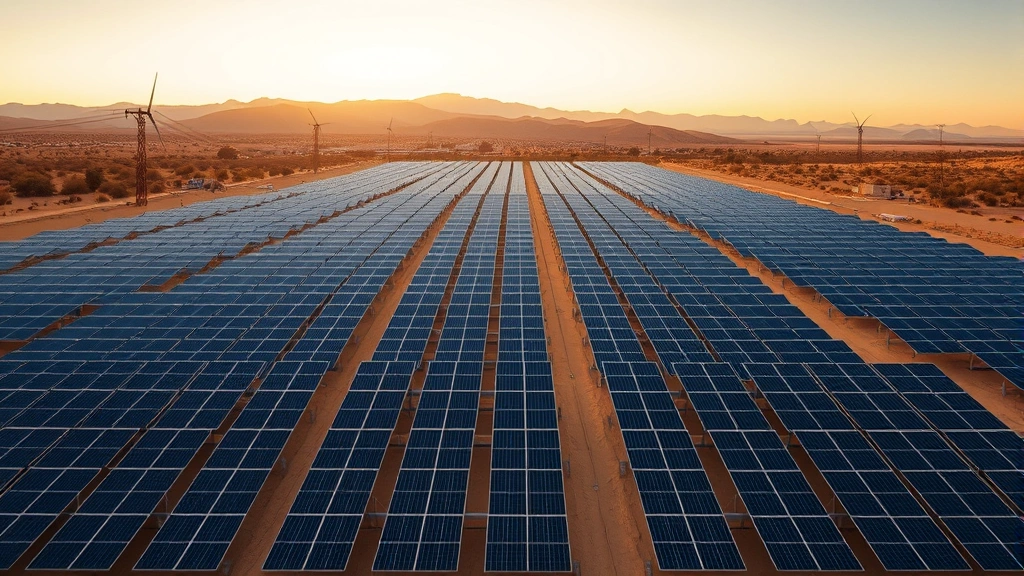
Global electricity generation has undergone dramatic shifts over the past decade. According to recent data from the International Energy Agency, renewable energy sources now account for approximately 30% of global electricity generation, with projections suggesting this could exceed 50% by 2050. Solar and wind power have emerged as the fastest-growing energy sectors, with installation rates accelerating annually.
The United States, European Union, and increasingly China have invested heavily in renewable infrastructure. Simultaneously, fossil fuel generation continues declining in developed nations, though coal remains significant in parts of Asia. This divergence reflects both environmental commitments and economic realities—renewable energy has become cheaper than coal and natural gas in most markets.
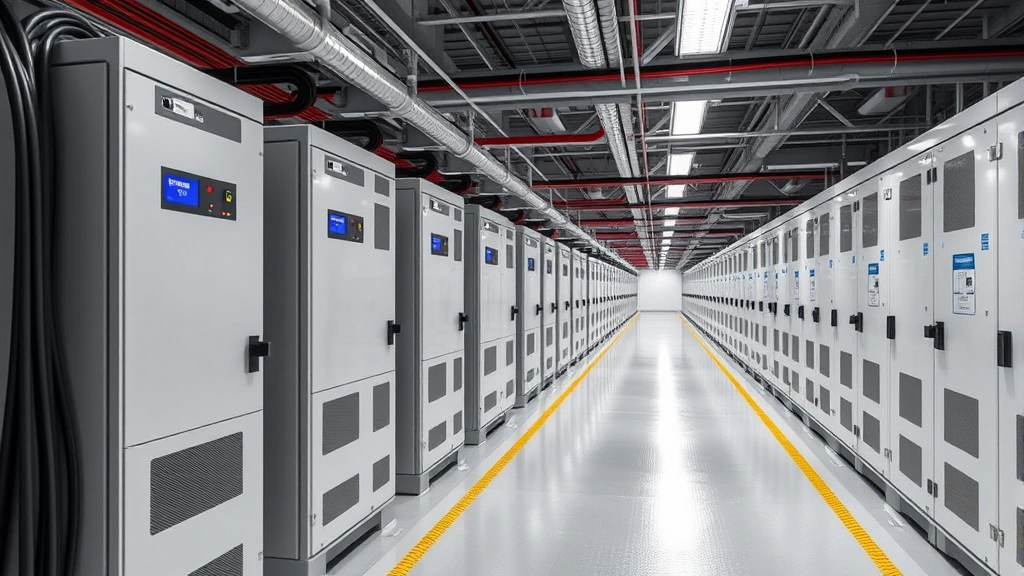
Energy storage capacity has expanded significantly, addressing one of renewables’ primary limitations. Battery technology improvements have made grid-scale storage economically viable, enabling better integration of intermittent renewable sources. The National Renewable Energy Laboratory reports that energy storage costs have dropped over 80% in the past decade, fundamentally altering deployment economics.
Why Green Energy Is Becoming Economically Dominant
The economic case for green energy has strengthened dramatically. Levelized cost of electricity (LCOE) comparisons demonstrate that solar and wind now compete favorably with all conventional generation methods, even without subsidies in many regions. This fundamental shift has transformed renewable energy from a subsidized niche market into mainstream economic reality.
Manufacturing scale drives costs lower continuously. As production volumes increase, component costs decline through established economic principles. Solar panel manufacturing has expanded exponentially, reducing costs from $100 per watt in 1990 to under $1 per watt today. Wind turbine efficiency improvements and larger installations follow similar trajectories, creating positive feedback loops that accelerate adoption.
Job creation in renewable energy sectors substantially exceeds fossil fuel employment growth. The renewable energy industry now employs more workers than coal, oil, and gas combined in the United States. This economic shift creates political constituencies supporting continued green energy investment, strengthening policy frameworks and funding mechanisms. Exploring sustainable energy solutions reveals how diverse employment opportunities span manufacturing, installation, maintenance, and engineering disciplines.
Operational costs for renewable facilities prove significantly lower than fossil fuel plants. Solar and wind installations require minimal fuel costs and relatively low maintenance expenses compared to traditional power generation. This advantage compounds over facility lifespans, making renewable investments increasingly attractive to utilities and investors seeking long-term value.
Technological Breakthroughs Accelerating Renewable Adoption
Innovation across renewable energy technologies continues accelerating adoption rates. Perovskite solar cells promise efficiency improvements beyond current silicon technology, potentially reaching 25-30% efficiency with manufacturing simplicity that could revolutionize deployment. These emerging materials could make solar integration into building materials practical, transforming every structure into potential energy generation infrastructure.
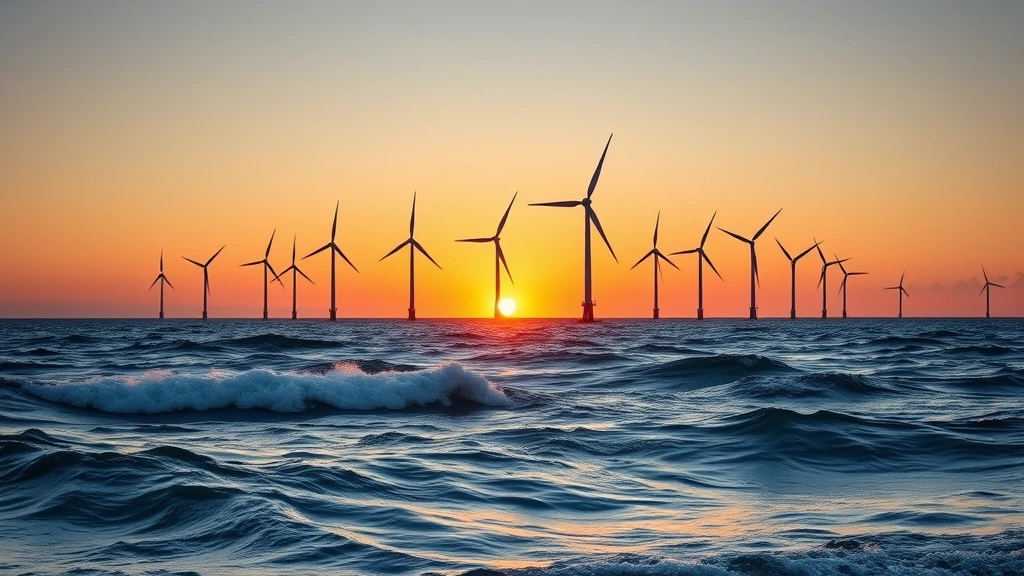
Wind technology advances have enabled larger, more efficient turbines. Offshore wind installations now feature capacities exceeding 12 megawatts per unit, capturing stronger, more consistent ocean winds. Floating offshore platforms extend deployment possibilities to deeper waters previously inaccessible, dramatically expanding available resources globally.
Energy storage technologies extend far beyond lithium-ion batteries. Flow batteries, compressed air storage, pumped hydro, and thermal storage solutions provide diverse options for different applications and geographies. Green technology innovations transforming our future increasingly emphasize complementary storage solutions that match specific regional advantages and consumption patterns.
Green hydrogen production through electrolysis powered by renewable electricity offers promising pathways for decarbonizing heavy industry and long-distance transportation. This technology could enable complete economy-wide decarbonization by converting intermittent renewable electricity into storable, transportable energy carriers. Recent cost reductions have made green hydrogen projects economically competitive for specific applications, with further improvements anticipated as deployment scales.
Smart grid technologies enable sophisticated demand management and real-time optimization of distributed renewable resources. Artificial intelligence and machine learning algorithms predict consumption patterns and optimize energy distribution, improving system efficiency and reliability. These digital infrastructure investments create increasingly resilient, flexible energy networks capable of managing high renewable penetration.
Challenges and Practical Barriers to Full Transition
Despite remarkable progress, significant challenges impede complete transition to renewable energy systems. Grid integration complexity increases substantially at high renewable penetration levels. The intermittency of solar and wind generation requires sophisticated balancing mechanisms, backup capacity, and storage solutions that remain expensive at scale. However, these challenges are increasingly tractable rather than insurmountable, with proven solutions available for most technical obstacles.
Existing fossil fuel infrastructure represents substantial sunk capital requiring decades to depreciate naturally. Coal plants, natural gas facilities, and oil refineries represent multi-billion dollar investments that utilities resist retiring prematurely. This creates political and economic resistance to rapid energy transitions, particularly in regions dependent on fossil fuel industries for employment and tax revenue.
Transmission infrastructure limitations constrain renewable deployment in many regions. Solar and wind resources concentrate in specific geographic areas often distant from population centers. Expanding transmission networks to transport renewable electricity from generation sites to demand centers requires substantial investment, regulatory approval, and public acceptance. This infrastructure gap slows renewable deployment despite abundant resources.
Manufacturing supply chain vulnerabilities affect renewable technology deployment. Solar panel production concentrates heavily in Asia, creating geopolitical dependencies and supply chain risks. Critical minerals required for batteries and renewable technologies face supply constraints and ethical sourcing concerns. Developing diverse, resilient supply chains demands time and investment.
Seasonal and geographic variability creates complex energy planning challenges. Winter heating demands and summer cooling peaks don’t align perfectly with renewable generation patterns. Some regions experience seasonal renewable resource variations requiring extended storage or backup capacity. These challenges demand sophisticated planning and diverse energy portfolios rather than purely renewable approaches in certain contexts.
Regional Variations in Green Energy Implementation
Green energy transition trajectories vary dramatically across regions based on geography, existing infrastructure, economic development, and political commitment. Nordic countries leverage abundant hydroelectric resources, achieving over 90% renewable electricity generation. Denmark combines wind power with interconnected European grids, demonstrating high renewable penetration feasibility. Germany’s ambitious renewable targets showcase challenges of transitioning industrial economies away from fossil fuels.
Tropical and subtropical regions benefit from consistent solar resources, making photovoltaic deployment particularly attractive. India and other developing nations increasingly prioritize renewable energy for electricity access expansion, avoiding fossil fuel infrastructure lock-in. This presents opportunities for leapfrogging conventional development pathways directly to renewable-based energy systems.
Oil-dependent economies face unique challenges and opportunities. Middle Eastern countries recognize fossil fuel depletion inevitability and invest heavily in solar energy infrastructure, positioning themselves as renewable technology leaders. This strategic shift acknowledges energy transition reality while maintaining regional economic influence through technology and expertise rather than fossil fuel exports.
Understanding definition of sustainability helps contextualize how regional energy transitions align with broader environmental, social, and economic objectives. Successful green energy implementation requires customized approaches reflecting local conditions, capabilities, and constraints rather than uniform global solutions.
The Role of Policy and Government Investment
Government policies fundamentally shape renewable energy deployment rates and timelines. Feed-in tariffs guarantee renewable energy producers fixed prices for electricity supplied to grids, reducing investment risk and accelerating deployment. Renewable portfolio standards mandate utilities maintain minimum renewable electricity percentages, creating stable demand for clean energy. Tax credits and direct subsidies lower consumer adoption barriers for rooftop solar and other distributed systems.
Carbon pricing mechanisms through taxes or cap-and-trade systems improve fossil fuel cost competitiveness relative to renewables by internalizing environmental externalities. The Environmental Protection Agency and similar agencies implement regulations reflecting climate commitments and environmental priorities. These policy frameworks create investment certainty enabling long-term renewable energy planning and financing.
International agreements like the Paris Climate Accord establish collective commitments driving national renewable energy targets. Developed nations pledging carbon neutrality by 2050 create binding policy frameworks requiring systematic energy transition implementation. These commitments translate into government funding, regulatory support, and infrastructure investment accelerating green energy adoption.
Research and development funding from government sources supports emerging technologies and fundamental science addressing renewable energy challenges. Universities, national laboratories, and private companies collaborate on breakthrough innovations with long-term commercialization timelines. This public investment generates knowledge and technologies benefiting entire industries.
Corporate Commitment to Renewable Energy
Major corporations increasingly commit to renewable energy sourcing and carbon neutrality targets. Technology companies like Apple, Google, and Microsoft publicly pledge 100% renewable electricity for operations, driving demand for clean energy procurement and investment. These commitments translate into corporate purchasing power supporting renewable energy projects globally.
Institutional investors managing trillions in assets increasingly demand environmental, social, and governance (ESG) compliance from portfolio companies. This financial pressure accelerates corporate renewable energy adoption and sustainability investments. Companies recognizing stakeholder expectations around climate action position themselves advantageously for future regulatory environments and consumer preferences.
Supply chain pressures extend corporate renewable commitments throughout business ecosystems. Large manufacturers require suppliers meet sustainability standards, creating cascading impacts across industries. This systemic pressure drives renewable energy adoption far beyond directly committed companies, amplifying green energy transition momentum.
Learn more about how to reduce your environmental footprint through corporate and personal choices supporting renewable energy transitions. Individual consumption decisions collectively influence corporate strategies and market development trajectories.
Visit the SustainWise Hub Blog for comprehensive coverage of energy transitions and sustainability topics. Additionally, discover advantages of electric vehicles in complementary transportation energy transitions enabling comprehensive decarbonization strategies.
FAQ
Will green energy completely replace fossil fuels?
Complete replacement remains possible but challenging. Most analyses project fossil fuels declining to 10-20% of global energy by 2050 under ambitious climate scenarios. Specific applications like aviation and heavy shipping may require fossil fuels or synthetic fuels longer than electricity generation. However, technological breakthroughs could accelerate this timeline significantly.
Can renewable energy reliably power modern economies?
Yes, with appropriate infrastructure investments. Regions like Denmark and Costa Rica already operate successfully on predominantly renewable electricity. The key requirements include diverse renewable sources, energy storage capacity, interconnected grids enabling resource sharing, and demand management systems. These solutions exist today and continue improving.
What about energy independence and security?
Renewable energy enhances energy independence by enabling distributed generation and reducing fossil fuel import dependencies. Countries can develop domestic renewable resources rather than relying on imported oil and gas. However, renewable energy supply chains introduce different dependencies around critical minerals and manufacturing, requiring strategic management.
How long will the transition take?
Complete transition typically requires 30-50 years given infrastructure replacement timelines and economic constraints. However, electricity sectors can transition faster—many regions will achieve 80%+ renewable electricity within 15-20 years. Harder-to-decarbonize sectors like aviation, shipping, and heavy industry require longer timelines and emerging technologies.
What role do nuclear and natural gas play?
Natural gas serves as a transitional fuel providing flexible generation balancing variable renewables during transition periods. Nuclear power offers low-carbon, reliable baseload generation complementing renewables. Most energy transition scenarios incorporate both technologies alongside renewables rather than relying exclusively on any single source.


