Is BJ’s Gas Pricing Eco-Friendly? A Comprehensive Analysis
BJ’s Wholesale Club has become a household name for competitive pricing on fuel and everyday essentials. However, as environmental consciousness grows among consumers, a critical question emerges: does BJ’s gas pricing reflect genuine commitment to sustainability, or does it prioritize profit margins over planetary health? This analysis examines the intersection of warehouse club fuel economics and environmental responsibility, exploring what BJ’s pricing strategy reveals about their ecological footprint.
Understanding BJ’s gas pricing requires looking beyond the pump price to consider sourcing practices, fuel composition, carbon accounting, and corporate sustainability initiatives. While competitive pricing benefits consumers’ wallets, the environmental implications deserve scrutiny. This comprehensive guide evaluates whether BJ’s approach to fuel distribution aligns with genuine eco-friendly practices or if lower prices mask unsustainable operational methods.

BJ’s Gas Pricing Model and Market Position
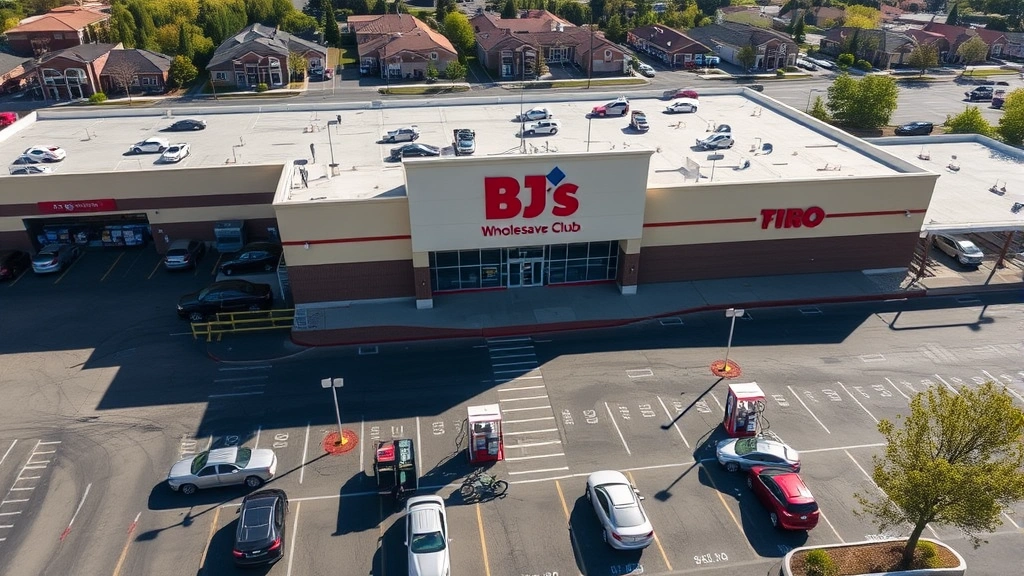
BJ’s Wholesale Club operates one of the largest fuel networks among warehouse retailers in the United States, with prices typically 10-20 cents per gallon lower than traditional gas stations. This competitive advantage stems from their membership-based model, which prioritizes volume sales over individual transaction margins. The warehouse club structure allows BJ’s to negotiate directly with refineries and suppliers, reducing intermediary costs that traditional retailers must absorb.
The pricing strategy itself isn’t inherently anti-environmental. Lower fuel costs can incentivize consumers to consolidate trips, potentially reducing overall driving frequency. However, this benefit depends on consumer behavior patterns. Studies show that cheaper fuel sometimes encourages additional discretionary driving, offsetting efficiency gains. The real environmental question isn’t whether BJ’s prices are low—it’s whether their operational model supports or undermines broader sustainability goals.
BJ’s fuel stations operate at member locations across the Northeast and Mid-Atlantic regions, serving millions of consumers monthly. Their scale means operational decisions ripple across substantial portions of regional fuel consumption. Examining their practices provides insight into how major fuel retailers balance profitability with environmental responsibility.
Fuel Sourcing and Environmental Standards
BJ’s sources gasoline and diesel from major U.S. refineries, meeting EPA (Environmental Protection Agency) standards for fuel composition. All gasoline sold at BJ’s contains detergents required by federal regulations, which help reduce engine emissions and improve fuel efficiency. However, meeting minimum EPA standards doesn’t constitute best-in-class environmental performance.
The company has not publicly committed to sourcing fuels with enhanced environmental additives beyond EPA requirements. Many premium fuel retailers now offer gasoline blended with additional detergents and cleaning agents that further reduce particulate emissions. BJ’s standard fuel offering focuses on cost-effectiveness rather than environmental optimization. This approach prioritizes member savings over incremental emissions reductions that higher-quality fuel additives might provide.
Regarding renewable fuel content, BJ’s gasoline contains the federally mandated Renewable Fuel Standard (RFS) blend of ethanol, typically 10% ethanol (E10). While ethanol reduces carbon intensity compared to pure petroleum, it’s important to understand that corn-based ethanol production carries its own environmental costs. Large-scale corn agriculture for ethanol requires significant water, fertilizer, and pesticide inputs. The net carbon benefit of ethanol versus pure gasoline remains debated among environmental scientists, with studies showing benefits ranging from negligible to approximately 20% emissions reduction depending on production methods and agricultural practices.
For consumers seeking more sustainable fuel options, exploring advantages of electric vehicles provides insight into genuinely low-emission transportation alternatives. Electric vehicles eliminate tailpipe emissions entirely, representing a more substantial environmental improvement than incremental fuel composition adjustments.
Carbon Footprint of Warehouse Club Distribution
The environmental impact of BJ’s gas pricing extends beyond the fuel itself to encompass distribution logistics. Warehouse club fuel stations concentrate at member locations, requiring members to drive to specific facilities. While this consolidation offers efficiency benefits, it creates inefficiencies for consumers not already visiting the warehouse for shopping.
BJ’s fuel delivery logistics involve tanker trucks transporting gasoline from distribution terminals to individual stations. The company operates regional distribution centers that coordinate fuel shipments. These logistics systems emit carbon through vehicle fuel consumption. However, warehouse club models generally achieve better distribution efficiency than traditional gas stations, which operate at higher unit margins but lower volumes, requiring more frequent deliveries across more locations.
The carbon intensity of BJ’s fuel delivery can be partially offset by the consolidation effect: members often purchase fuel while shopping for groceries and household goods, combining trips and reducing total driving. Conversely, consumers driving specifically to BJ’s for cheaper gas may increase overall emissions if the fuel savings don’t justify additional driving distance.
Understanding broader sustainable energy solutions reveals that individual fuel choices represent only one component of personal carbon footprints. Transportation mode selection, trip consolidation, and vehicle efficiency matter far more than fuel brand or retailer selection.
Comparison with Alternative Fuel Options
When evaluating whether BJ’s gas pricing is eco-friendly, comparison with alternatives provides essential context. Traditional gas stations typically charge 10-20 cents more per gallon than BJ’s, but they offer convenience through ubiquitous locations. Consumers must weigh price savings against driving distance and trip consolidation efficiency.
Alternative fuel options present more substantial environmental benefits than comparing BJ’s to traditional gasoline retailers. Electric vehicle charging, increasingly available at retailers nationwide, produces dramatically lower emissions per mile than any gasoline option. Hybrid vehicles achieve significant efficiency improvements over conventional engines. Even conventional vehicles from manufacturers implementing green technology innovations offer better environmental performance than older models.
For consumers unable or unwilling to transition to electric vehicles, fuel efficiency matters more than fuel retailer. A fuel-efficient vehicle purchasing decision provides far greater environmental benefit than optimizing fuel pricing. A hybrid vehicle consuming 50 miles per gallon produces half the emissions of a conventional vehicle at 25 mpg, regardless of where fuel is purchased.
Public transportation, biking, walking, and remote work options offer the most substantial emissions reductions available to individual consumers. BJ’s gas pricing, while economically beneficial, remains within the context of continued petroleum consumption. True environmental progress requires fundamental transportation mode shifts rather than incremental fuel cost optimization.
Corporate Sustainability Initiatives
Evaluating BJ’s environmental commitment requires examining corporate-level sustainability initiatives beyond fuel pricing. BJ’s Wholesale Club has implemented some environmental programs, including energy efficiency improvements at warehouse facilities and waste reduction initiatives. However, the company has not published comprehensive sustainability reports detailing carbon emissions, renewable energy usage, or long-term climate goals comparable to leading environmental performers.
Major fuel retailers increasingly commit to carbon neutrality targets and renewable energy integration. Shell, BP, and other traditional oil companies have announced ambitious net-zero goals, though critics argue these commitments lack sufficient near-term action. BJ’s has not announced comparable climate commitments, suggesting environmental sustainability ranks below cost optimization in corporate priorities.
The company operates fuel stations powered by grid electricity, which varies regionally in carbon intensity. Regions with renewable energy portfolios benefit from lower-emission fuel station operations. However, BJ’s doesn’t appear to prioritize renewable energy procurement for its facilities, unlike some forward-thinking retailers investing in solar or wind power for operations.
For members interested in supporting more environmentally committed retailers, reviewing corporate SustainWise Hub Blog articles provides guidance on identifying genuinely sustainable businesses versus those prioritizing greenwashing marketing.
Consumer Choices and Environmental Impact
The most honest assessment of BJ’s gas pricing eco-friendliness acknowledges that individual fuel choices matter far less than broader transportation decisions. A consumer driving a fuel-efficient hybrid to BJ’s for cheaper gas produces lower emissions than someone driving a gas-guzzling SUV to a premium retailer, regardless of pricing differences.
Environmental-conscious consumers should prioritize decisions in this order: vehicle selection, driving frequency and trip consolidation, then fuel sourcing. Selecting an electric or hybrid vehicle reduces emissions by 30-70% compared to conventional cars. Consolidating trips and reducing discretionary driving cuts emissions by 20-40%. Optimizing fuel pricing offers 1-3% emissions reductions at maximum.
BJ’s gas pricing strategy serves economic efficiency well, benefiting budget-conscious consumers. However, calling it eco-friendly overstates its environmental contribution. The competitive pricing doesn’t incorporate environmental costs of petroleum extraction, refining, transportation, and combustion. True environmental pricing would reflect these externalities, likely increasing fuel costs substantially.
Members interested in comprehensive sustainable practices should explore sustainable energy solutions that extend beyond fuel purchasing to encompass home energy, renewable electricity, and carbon offset opportunities. Individual fuel choices, while worth optimizing, represent minor components of meaningful environmental action.
For those seeking information about broader consumption patterns, understanding gas station snacks and purchasing habits reveals how warehouse club memberships influence overall consumption patterns and packaging waste. Environmental impact extends beyond fuel to encompass all purchasing decisions made at these facilities.
Environmental Standards and Regulatory Compliance
BJ’s operates within EPA-established environmental regulations for fuel quality and distribution. These standards, while necessary, represent minimum environmental thresholds rather than sustainability leadership. The EPA sets fuel specifications ensuring that gasoline burns cleanly enough to meet National Ambient Air Quality Standards, but these regulations don’t optimize for climate change mitigation or resource conservation.
Federal regulations require all gasoline retailers to provide consistent fuel quality. BJ’s compliance with these standards means their fuel performs identically to competitors’ fuel in terms of emissions per gallon. The environmental difference between BJ’s and other retailers lies in operational practices: distribution efficiency, facility energy usage, and corporate climate commitment.
State-level regulations add complexity to fuel environmental standards. California, for example, requires cleaner-burning fuel than federal standards mandate. BJ’s locations in states with stricter environmental regulations must meet higher standards, potentially increasing costs. However, BJ’s pricing suggests they absorb these costs through operational efficiency rather than passing them to consumers, which benefits budget-conscious shoppers but may reduce incentives for further environmental improvements.
International environmental standards, such as those established by the International Energy Agency, indicate that petroleum-based transportation requires fundamental transformation to meet climate goals. No amount of fuel pricing optimization addresses this systemic challenge; only transportation electrification and mode shifting provide sufficient emissions reductions.
The Role of Warehouse Clubs in Sustainable Consumption
Warehouse clubs like BJ’s influence environmental outcomes through mechanisms beyond fuel pricing. Bulk purchasing reduces packaging waste per unit, a genuine sustainability advantage. Members consolidating shopping trips to warehouse locations reduce overall driving frequency compared to visiting multiple retailers. These structural benefits provide environmental advantages independent of fuel pricing.
However, warehouse clubs also enable increased consumption through bulk discounts. Buying larger quantities can encourage over-consumption and waste if products expire or spoil before use. The environmental benefits of reduced packaging must be weighed against potential increases in overall consumption patterns. This complex dynamic means warehouse club membership itself represents neither inherently sustainable nor unsustainable practices.
For members seeking to maximize environmental benefits from warehouse club membership, focusing on bulk purchasing of shelf-stable goods, produce, and non-perishable items provides greater environmental gains than optimizing fuel pricing. Reducing single-use packaging and minimizing food waste offer more substantial climate benefits than any fuel retailer choice.
The intersection of warehouse club fuel pricing and sustainability ultimately reflects a broader challenge: economic efficiency doesn’t automatically align with environmental responsibility. BJ’s succeeds at cost optimization but doesn’t prioritize environmental leadership. Consumers must make independent decisions about whether price savings justify the implicit acceptance of continued petroleum dependence.
Future Trends and Evolving Landscape
The fuel retail landscape faces fundamental transformation as electric vehicles proliferate. Warehouse clubs including BJ’s will eventually transition from gasoline sales to electric vehicle charging infrastructure. This evolution represents genuine progress toward sustainable transportation, though it may be years before charging networks match current fuel station ubiquity.
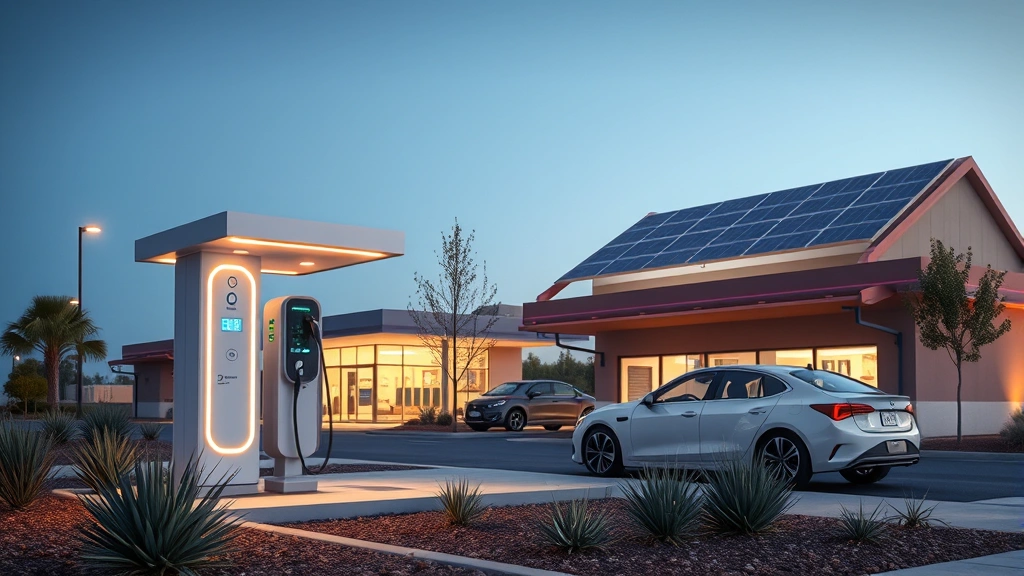
Forward-thinking warehouse clubs are beginning to install EV charging stations at member locations. BJ’s has announced limited EV charging availability at select locations, though deployment remains minimal compared to fuel station infrastructure. Accelerating this transition would represent meaningful environmental commitment beyond current practices.
Policy changes at federal and state levels will increasingly incentivize fuel retailers to transition toward alternative energy. Carbon pricing, fuel efficiency standards, and EV subsidies shift economics toward cleaner transportation. BJ’s business model will adapt to these changes, though pricing remains their competitive advantage regardless of fuel type.
The most environmentally significant action BJ’s could take involves accelerating EV charging network deployment and publicly committing to petroleum fuel phase-out timelines. Such commitments would demonstrate genuine environmental leadership rather than maintaining current focus on fuel cost optimization.
Frequently Asked Questions
Does BJ’s use renewable fuel sources?
BJ’s gasoline contains federally mandated ethanol blends, typically 10% ethanol. This represents the extent of renewable fuel content in standard offerings. The company has not announced plans for biofuel blends, hydrogen fuel, or other renewable alternatives beyond regulatory requirements.
How does BJ’s gas pricing impact overall carbon emissions?
The impact depends on consumer behavior. If cheaper fuel encourages trip consolidation, emissions may decrease. If it incentivizes additional discretionary driving, emissions increase. Studies suggest pricing effects are modest compared to vehicle efficiency and transportation mode choices.
Are BJ’s fuel stations powered by renewable energy?
BJ’s fuel stations operate on grid electricity, with renewable energy penetration depending on regional power sources. The company has not announced specific renewable energy procurement for fuel station operations.
How does BJ’s environmental performance compare to competitors?
BJ’s environmental practices align with industry standards but don’t exceed them. Competitors like Costco have implemented more aggressive sustainability initiatives, including renewable energy investments and carbon reduction targets.
Should environmental concerns influence fuel purchasing decisions?
Vehicle efficiency and transportation mode selection matter far more than fuel retailer choice. Switching to an electric or hybrid vehicle provides greater environmental benefits than any fuel pricing optimization.
Will BJ’s transition to electric vehicle charging?
BJ’s has begun installing EV charging at select locations. Widespread deployment would require significant infrastructure investment, likely accelerated by regulatory pressure and market demand as EV adoption increases.
What sustainability improvements could BJ’s implement?
Priority actions include accelerating EV charging network deployment, committing to renewable energy procurement for facilities, publishing comprehensive sustainability reports, and setting science-based climate goals aligned with Paris Agreement targets.