Is Natural Gas Conversion Eco-Friendly? Expert Insights on Blackstone and Beyond
The shift toward natural gas appliances has gained momentum in recent years, with homeowners and outdoor enthusiasts exploring alternatives to propane and charcoal. A Blackstone natural gas conversion kit represents one popular option for those seeking to transition their cooking equipment. But does converting to natural gas truly align with environmental sustainability goals, or is it merely a different shade of fossil fuel dependency? This comprehensive guide examines the ecological implications of natural gas conversion, comparing it against other fuel sources and exploring whether it deserves a place in your sustainable lifestyle.
Natural gas combustion produces fewer emissions than many alternative fuels, yet it remains a fossil fuel with inherent environmental concerns. Understanding the full lifecycle impact—from extraction through consumption—is essential for making informed decisions about your home energy systems. We’ll explore the technical aspects of conversion kits, their environmental footprint, and how they fit into a broader sustainability framework.
Understanding Natural Gas as an Energy Source
Natural gas, primarily composed of methane, has positioned itself as a bridge fuel in the transition away from coal and oil-based energy systems. It burns cleaner than coal and produces approximately 50% fewer carbon emissions than coal when combusted, according to Environmental Protection Agency data. However, natural gas remains fundamentally different from renewable energy sources like solar, wind, and geothermal power.
The energy density of natural gas makes it appealing for cooking, heating, and power generation. When burned, one unit of natural gas produces significant heat output with relatively lower particulate emissions compared to charcoal or wood burning. This efficiency has contributed to its widespread adoption in residential and commercial settings across North America.
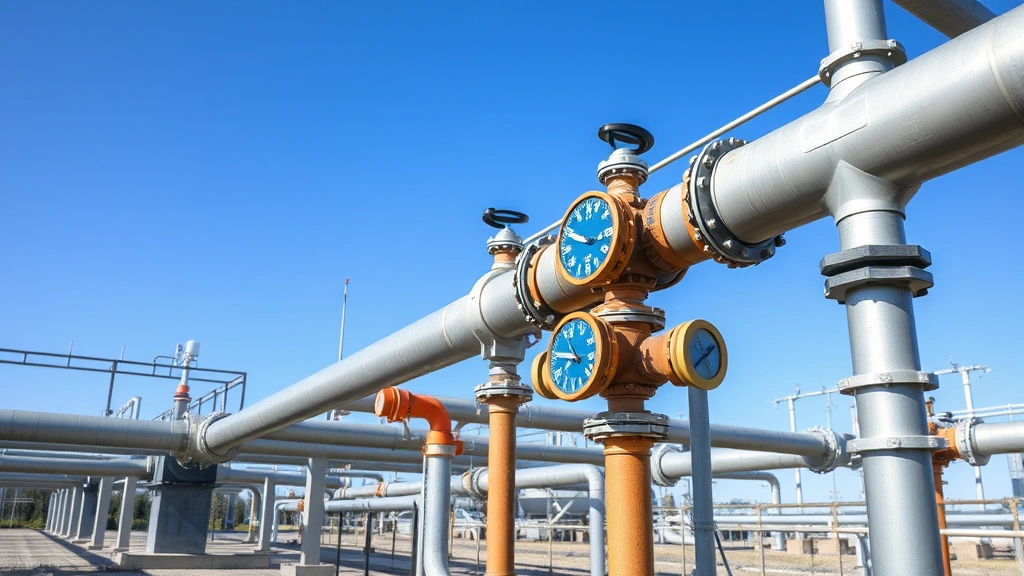
Yet the narrative becomes more complex when examining the complete energy lifecycle. Natural gas extraction involves hydraulic fracturing, pipeline infrastructure, and transportation networks that carry their own environmental costs. The U.S. Department of Energy acknowledges natural gas as a transitional fuel rather than a long-term sustainability solution.
What Is a Blackstone Natural Gas Conversion Kit?
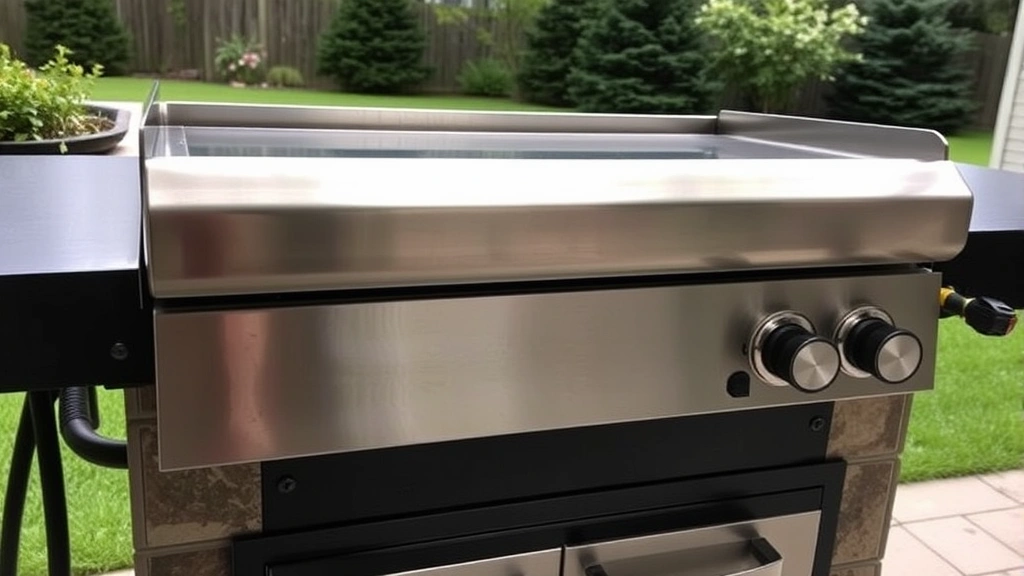
A Blackstone natural gas conversion kit is an aftermarket accessory designed to transform Blackstone griddles from propane fuel to natural gas operation. Blackstone griddles are flat-top cooking surfaces popular for outdoor meal preparation, commercial food service, and catering operations. These conversion kits typically include replacement burner components, regulators, and connection hardware specifically engineered for natural gas specifications.
The conversion process involves replacing the propane regulator and burner assembly with natural gas-compatible equivalents. Natural gas operates at different pressure levels than propane, requiring specialized components to ensure safe and efficient combustion. A properly installed conversion kit maintains the cooking surface’s performance while switching fuel sources.
Installation typically requires disconnecting the propane system, removing existing regulators and burners, and installing new natural gas-specific components. For those with existing natural gas lines at their property, this conversion eliminates the need for propane tank refills and storage, offering practical convenience. However, convenience doesn’t automatically equate to environmental superiority.
Environmental Impact of Natural Gas Combustion
When examining the environmental credentials of natural gas, carbon dioxide emissions represent only one dimension of the impact. Complete environmental assessment requires evaluating multiple factors across the fuel’s entire lifecycle.
Carbon Emissions Profile: Natural gas produces approximately 117 pounds of CO2 per million BTU of energy, compared to 205 pounds for coal and 161 pounds for oil. This lower emission rate has positioned natural gas as a cleaner alternative within the fossil fuel category. For outdoor cooking applications, the absolute volume of emissions remains relatively modest compared to industrial or heating applications.
Nitrogen Oxide Production: Natural gas combustion generates nitrogen oxides (NOx), which contribute to ground-level ozone formation and air quality degradation. While less problematic than emissions from coal or oil, NOx production remains an environmental consideration, particularly in areas with existing air quality challenges.
Particulate Matter: Natural gas burns cleanly with minimal particulate matter, a significant advantage over charcoal and wood-burning alternatives. This characteristic benefits both local air quality and respiratory health.
The complete environmental picture requires understanding that natural gas combustion is cleaner than some alternatives but dirtier than renewable energy sources. It represents a pragmatic middle ground rather than an ideal solution.
Comparing Natural Gas to Alternative Fuels
To properly evaluate whether a propane vs natural gas choice matters environmentally, we must examine the comparative impacts of various cooking fuel options.
Propane Comparison: Propane produces slightly higher emissions than natural gas per unit of energy—approximately 139 pounds of CO2 per million BTU. The difference, while measurable, remains relatively modest. The primary advantage of natural gas over propane relates to infrastructure and convenience rather than significant environmental superiority. If you’re evaluating your best natural gas grills options, the fuel choice matters less than overall cooking efficiency and usage patterns.
Charcoal and Wood: Traditional charcoal and wood-burning methods produce substantially higher emissions, including significant particulate matter and black carbon. These fuels also require forestry resource extraction and processing. From an emissions standpoint, natural gas clearly outperforms charcoal and wood.
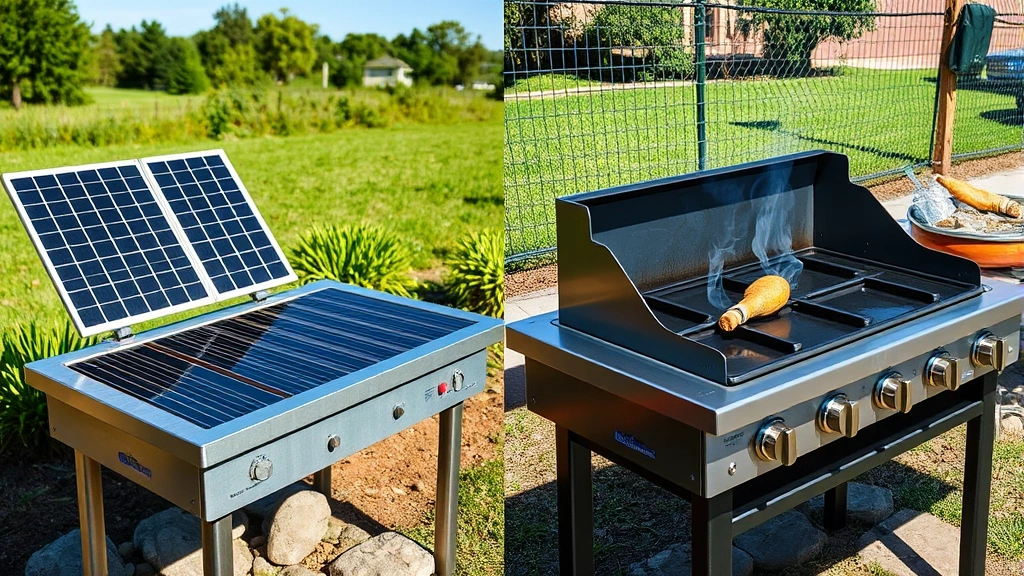
Electric Cooking: Electric griddles powered by renewable energy sources represent the most environmentally favorable option. However, electric cooking depends entirely on your regional electrical grid’s composition. In areas with high renewable energy penetration, electric cooking becomes substantially cleaner than natural gas. In regions relying on coal-fired power plants, the advantage diminishes significantly.
Renewable Gas: Emerging renewable natural gas (RNG) technologies convert biogas from landfills, wastewater treatment, and agricultural operations into pipeline-compatible fuel. RNG can be used in existing natural gas infrastructure without modifications, offering a potentially low-carbon pathway. However, RNG availability remains limited and varies by geographic region.
Installation and Efficiency Considerations
The environmental benefits of a natural gas conversion depend significantly on proper installation and ongoing maintenance. An improperly installed Blackstone natural gas conversion kit may experience combustion inefficiencies, gas leaks, and incomplete fuel burning—all of which negate potential environmental advantages.
Professional Installation: While DIY installation is technically possible, professional installation ensures proper pressure regulation, secure connections, and safe operation. Certified technicians can verify that conversion components meet safety standards and function optimally. This investment protects both safety and environmental performance.
Combustion Efficiency: Natural gas griddles operate most efficiently when burners receive properly regulated fuel at correct pressures. Well-maintained equipment achieves 85-95% combustion efficiency, meaning most fuel energy converts to heat rather than waste. Dirty burners, incorrect pressure settings, or worn components reduce efficiency and increase emissions per unit of cooking output.
Regular Maintenance: Periodic inspection and cleaning of burner ports, regulators, and connections preserve efficiency throughout the equipment’s lifespan. Seasonal maintenance before heavy use periods ensures optimal performance and prevents gas leakage.
From an environmental perspective, the conversion itself represents a one-time event with modest manufacturing impacts. The far more significant environmental consideration involves how efficiently the equipment operates over its useful life—potentially 10-20 years for quality griddles.
Cost-Benefit Analysis from an Eco Perspective
Environmental decision-making often intersects with economic reality. Understanding the financial implications helps contextualize whether natural gas conversion represents a sustainable choice for your household.
Conversion Costs: A quality Blackstone natural gas conversion kit typically costs $150-$400, depending on model compatibility and brand. Professional installation adds $100-$300 to the total investment. For comparison, a new natural gas griddle costs $400-$1,500, making conversion economically attractive for existing propane equipment owners.
Fuel Cost Dynamics: Natural gas typically costs less per BTU than propane, offering operational savings over time. These savings reduce the overall cost of ownership and can offset the conversion investment within 1-3 years, depending on usage frequency. Lower operational costs encourage equipment use and provide financial incentive for sustained ownership rather than premature replacement.
Environmental Cost of Replacement: From a lifecycle perspective, extending the life of existing equipment through conversion carries environmental benefits. Manufacturing new griddles requires raw materials, energy, and transportation. Keeping existing equipment in service longer reduces the manufacturing impacts associated with replacement cycles. This consideration aligns with the sustainability principle of product longevity and circular economy thinking.
The economic advantage of natural gas conversion supports environmental goals by making continued use of existing equipment financially viable, reducing replacement frequency and associated manufacturing impacts.
Methane Leakage and Supply Chain Concerns
A critical environmental concern often overlooked in natural gas discussions involves methane leakage throughout the supply chain. Methane, the primary component of natural gas, is a potent greenhouse gas with approximately 28-36 times the warming potential of CO2 over a 100-year period, according to NOAA climate research.
Extraction and Processing: Natural gas extraction through hydraulic fracturing and conventional drilling operations can release methane during well operations, processing, and initial handling. Industry estimates suggest 1-2% of produced gas escapes during these stages, though some research indicates higher rates in certain regions and operations.
Pipeline Distribution: Aging pipeline infrastructure exhibits leakage rates that vary by system age and maintenance quality. Older pipeline networks in some urban areas leak at rates approaching 2-3%, while well-maintained systems achieve rates below 1%. These leaks represent pure atmospheric methane with significant climate impact.
Consumer-Level Considerations: End-use applications like outdoor griddles represent minimal leakage risk compared to distribution infrastructure. However, the cumulative impact of methane leakage across the supply chain partially offsets the combustion advantages of natural gas over coal and oil.
For those concerned about methane emissions, exploring sustainable energy solutions that avoid fossil fuel infrastructure entirely—such as electric cooking powered by renewable sources—eliminates this concern entirely.
Making the Right Choice for Your Home
Determining whether to pursue a natural gas conversion requires evaluating your specific circumstances, local infrastructure, and broader sustainability goals.
Favorable Conditions for Conversion: Natural gas conversion makes environmental sense when you already own a propane griddle, have existing natural gas infrastructure at your property, use the equipment regularly, and lack access to renewable energy-powered alternatives. In these circumstances, conversion extends equipment life while reducing operational emissions compared to propane.
When to Consider Alternatives: If you’re purchasing new cooking equipment, your regional electrical grid includes substantial renewable energy, or you have access to renewable natural gas, alternative options may offer superior environmental performance. Similarly, if your usage is minimal, the environmental gains from conversion may not justify the effort.
Integrated Sustainability Approach: Rather than viewing fuel choice in isolation, consider natural gas conversion as one component of a broader sustainability strategy. Combine your choice with practices like how to reduce your environmental footprint through energy efficiency, renewable energy adoption, and conscious consumption patterns.
For those interested in comprehensive energy comparisons, exploring advantages of electric vehicles provides insights into how similar fuel-switching decisions apply to transportation—another major personal emissions source.
The most sustainable choice ultimately depends on your specific situation, existing infrastructure, and ability to transition toward zero-carbon alternatives. Natural gas conversion represents a pragmatic improvement over propane and charcoal, but it remains a transitional solution rather than a permanent sustainability endpoint.
Return to SustainWise Hub Blog for additional insights on energy choices and sustainable living practices.
FAQ
Is natural gas really more eco-friendly than propane?
Natural gas produces approximately 5-15% lower emissions than propane per unit of energy. The difference exists but remains modest. The primary advantages involve operational convenience and cost rather than dramatic environmental superiority. Both remain fossil fuels with inherent sustainability limitations.
Can I install a natural gas conversion kit myself?
While technically possible for mechanically inclined individuals, professional installation is recommended. Improper installation risks gas leaks, combustion inefficiency, and safety hazards. Professional installation ensures compliance with safety codes and optimal environmental performance.
How long does a natural gas conversion kit last?
Quality conversion kits last as long as the griddle itself—typically 10-20 years with proper maintenance. Regular cleaning and inspection of burner components and regulators preserve functionality and efficiency throughout the equipment’s lifespan.
What about methane leakage in natural gas supply chains?
Methane leakage represents a legitimate environmental concern, with supply chain losses estimated at 1-3% depending on infrastructure quality and age. This leakage partially offsets the combustion advantages of natural gas, making renewable alternatives increasingly attractive as they become more accessible.
Is electric cooking always better than natural gas?
Electric cooking’s environmental performance depends entirely on your regional electrical grid’s energy sources. In areas with high renewable energy penetration, electric cooking significantly outperforms natural gas. In coal-dependent regions, the advantage diminishes. Choosing renewable-powered electric cooking represents the optimal scenario.
Should I convert my propane griddle or buy a new natural gas one?
From a lifecycle perspective, converting your existing propane griddle is generally preferable to purchasing new equipment. Conversion extends the life of existing products and reduces manufacturing impacts associated with new appliance production. This aligns with circular economy principles and sustainable consumption patterns.
What’s the environmental impact of natural gas extraction?
Natural gas extraction through hydraulic fracturing and conventional drilling requires significant water usage, can affect local geology, and may release methane during operations. These upstream impacts, combined with pipeline distribution losses, mean the environmental profile of natural gas extends beyond combustion emissions alone.


