Eco-Friendly Boat Gas Tanks: What Experts Say
The boating industry stands at a critical crossroads as environmental concerns intensify and regulations tighten worldwide. One of the most overlooked yet essential components of modern vessels is the boat gas tank—a system that directly impacts water quality, air emissions, and overall marine ecosystem health. Traditional fuel storage and delivery systems have long been sources of contamination, with countless incidents of fuel leaks poisoning waterways and harming aquatic life. Today’s marine experts are increasingly advocating for eco-friendly alternatives that reduce environmental impact while maintaining reliability and safety.
Understanding what experts recommend for sustainable boating requires examining the latest innovations in tank design, materials, and fuel alternatives. Whether you’re a recreational boater concerned about your environmental footprint or a commercial operator facing stricter regulations, this comprehensive guide explores the most promising solutions that experts are championing. From advanced composite materials to alternative fuel technologies, the evolution of the boat gas tank represents a significant opportunity to transform maritime sustainability.
Understanding Traditional Boat Gas Tank Problems
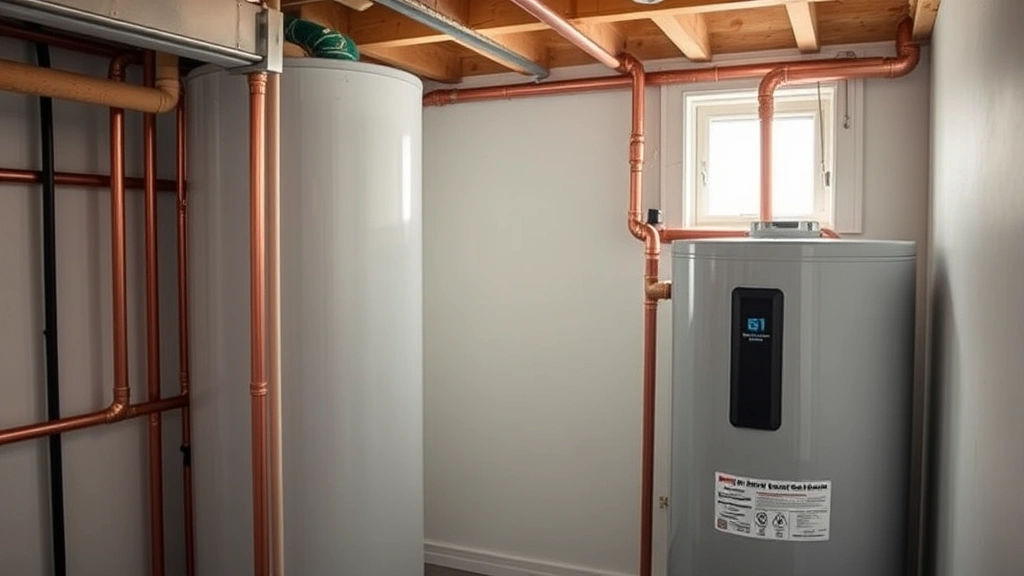
Conventional boat gas tanks, particularly those constructed from steel or older composite materials, present numerous environmental challenges that experts have documented extensively. Steel tanks are susceptible to corrosion when exposed to saltwater environments, leading to structural degradation and fuel leakage over time. These leaks don’t simply disappear—they contaminate marine ecosystems, harm wildlife, and violate numerous environmental protection regulations established by agencies like the EPA.
The problem extends beyond simple corrosion. Older tank designs often feature inadequate ventilation systems that allow vapor emissions to escape into the atmosphere, contributing to volatile organic compound (VOC) pollution. Additionally, traditional tanks frequently lack proper overflow management, meaning that fuel spills during refueling are commonplace and largely unavoidable with conventional designs. Marine pollution experts estimate that recreational boating alone contributes thousands of gallons of fuel to waterways annually through leaking tanks and poor maintenance practices.
Furthermore, the environmental impact of traditional tanks encompasses the manufacturing process itself. Conventional production methods are energy-intensive and generate significant carbon emissions. When you consider that most recreational boaters replace tanks only when catastrophic failure occurs—rather than proactively upgrading—the cumulative environmental damage becomes substantial. This is why marine sustainability advocates strongly recommend evaluating your current system through an environmental lens, understanding that reducing your environmental footprint extends to every component of your vessel.
Expert-Recommended Materials for Modern Tanks
Leading marine engineers and environmental scientists now overwhelmingly recommend fiberglass-reinforced plastic (FRP) and advanced composite materials for new boat gas tank installations. These materials offer superior corrosion resistance compared to traditional steel, with expected lifespans extending 30-40 years or more depending on maintenance and environmental conditions. Unlike steel, composites don’t rust or degrade when exposed to saltwater, eliminating one of the primary causes of fuel contamination in marine environments.
Polyethylene tanks represent another significant advancement that experts highlight. These tanks are chemically inert, meaning they won’t react with fuel or seawater, and they’re significantly lighter than traditional alternatives. The weight reduction has important implications for fuel efficiency—lighter tanks mean less overall vessel weight, which translates to improved fuel economy and reduced emissions over the vessel’s operational lifetime. Marine sustainability researchers have calculated that switching from steel to polyethylene tanks can reduce fuel consumption by 5-8% depending on vessel size and usage patterns.
Aluminum tanks, while less common, are gaining traction in premium applications where weight is critical and environmental protection is paramount. Aluminum naturally forms a protective oxide layer that prevents corrosion, and it’s infinitely recyclable without degradation. Experts note that the environmental cost of aluminum production is offset by its longevity and recyclability, making it an excellent choice for boaters committed to true sustainability. When evaluating materials, consider that your choice directly influences how long your boat gas tank will safely function before requiring replacement, which has long-term environmental and economic implications.
The shift toward advanced materials aligns with broader trends in green technology innovations transforming our future. Marine manufacturers are increasingly investing in research to develop tanks that not only prevent leaks but actively minimize environmental impact throughout their entire lifecycle, from production through eventual recycling or disposal.
Advanced Sealing and Leak Prevention Technologies
Even the best materials can fail without proper sealing technology, which is why experts emphasize the importance of advanced gasket and seal systems in modern boat gas tank designs. Traditional rubber gaskets degrade over time when exposed to fuel, ultraviolet radiation, and temperature fluctuations. Progressive manufacturers now employ fluoroelastomer seals that maintain integrity for decades while resisting fuel degradation and environmental stress.
One of the most significant advances in tank safety involves integrated overflow prevention systems. Expert-designed tanks now feature sophisticated vent systems that prevent vapor escape while simultaneously managing overflow situations during refueling. These systems employ float-activated shutoff valves that stop fuel flow when tanks reach capacity, virtually eliminating the spills that commonly occur with traditional designs. The EPA has recognized these innovations and incorporated overflow prevention requirements into updated boating regulations.
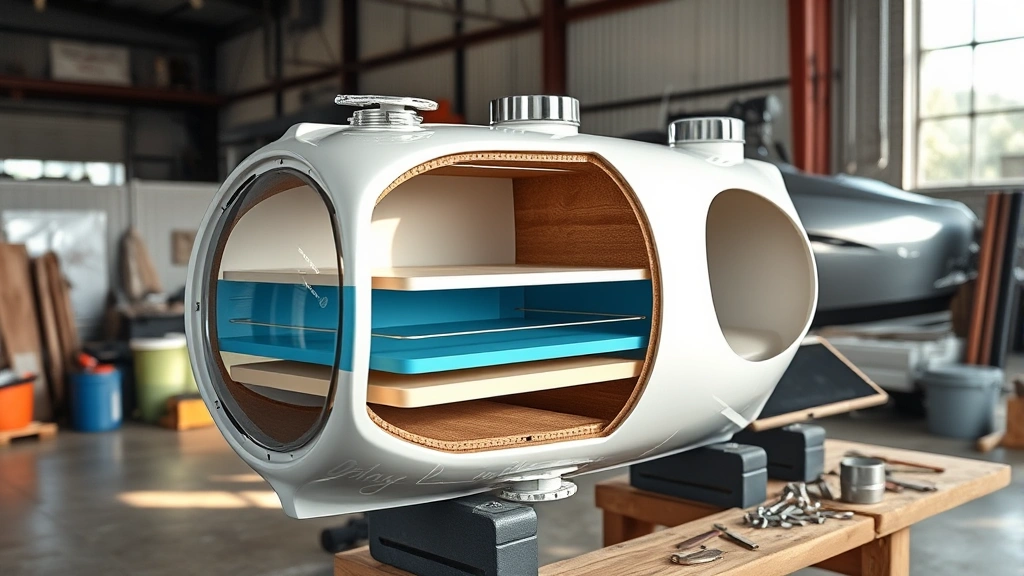
Secondary containment represents another critical advancement that marine environmental experts strongly advocate. Modern boat gas tanks increasingly feature integrated double-wall construction with monitoring systems that detect leaks in the primary tank before fuel reaches the environment. These systems alert boat owners to problems that might otherwise go unnoticed, allowing for immediate repair before contamination occurs. For commercial operators and environmentally conscious recreational boaters, double-wall tanks represent the gold standard in leak prevention.
Experts also highlight the importance of proper ventilation system design. Modern tanks employ charcoal-filled vent filters that capture fuel vapors, preventing them from escaping into the atmosphere while simultaneously maintaining proper tank pressure. These systems reduce VOC emissions by up to 95% compared to traditional vents, significantly improving both air quality and the overall environmental performance of your vessel. Understanding these technological advances helps boat owners make informed decisions about upgrading their fuel storage systems.
Alternative Fuel Systems for Boats
While improving traditional gasoline boat gas tanks remains important, marine experts increasingly point toward alternative fuels as the ultimate solution for sustainable boating. Electric propulsion systems represent the most transformative technology, though they currently require different energy storage systems rather than traditional fuel tanks. The principles underlying advantages of electric vehicles apply equally to marine applications, with zero direct emissions and dramatically reduced operational environmental impact.
For boaters not yet ready to transition to full electric propulsion, biodiesel represents a compelling intermediate solution. Biodiesel-compatible boat gas tanks must be constructed from materials that resist the slightly corrosive properties of biodiesel blends, but modern tanks handle B20 (20% biodiesel, 80% conventional diesel) without issue. Experts note that biodiesel reduces lifecycle carbon emissions by 50-80% compared to petroleum diesel while supporting renewable fuel industries. Additionally, biodiesel is less toxic to aquatic ecosystems if spilled, providing an immediate environmental benefit even if leaks do occur.
Hydrogen fuel cell technology is emerging as a particularly promising option for marine applications. While still in early adoption phases, hydrogen-powered vessels produce only water as a byproduct, representing the ultimate in clean boating. Several marine research institutions are actively developing hydrogen fuel storage systems specifically designed for boats, with prototype vessels already demonstrating the technology’s viability. As hydrogen infrastructure develops and costs decline, experts predict this technology will become increasingly accessible to recreational and commercial boaters.
Natural gas (LNG) represents another alternative that some marine operators are exploring, particularly for larger commercial vessels. While not as clean as hydrogen or electricity, LNG produces approximately 20% fewer emissions than conventional diesel while offering superior safety characteristics compared to gasoline. The key advantage of exploring these alternatives is that they fundamentally change the environmental equation—instead of optimizing a harmful system, they eliminate the core problem. This philosophy underlies the broader concept of definition of sustainability, which emphasizes systemic transformation rather than incremental improvements.
Installation Best Practices for Eco-Conscious Boaters
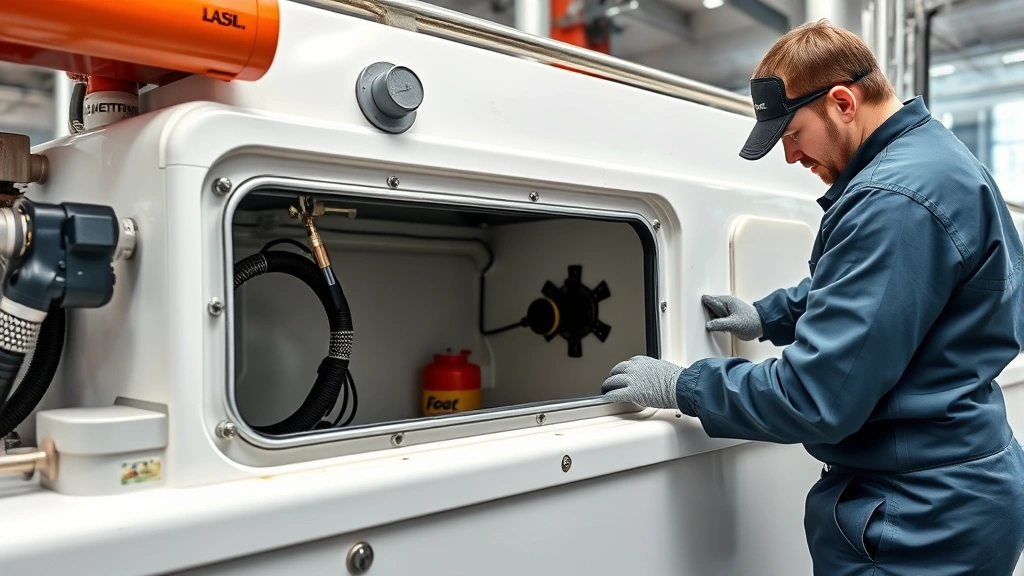
Upgrading or installing a new eco-friendly boat gas tank requires careful planning and adherence to best practices that marine experts have developed through extensive experience. The first step involves selecting a qualified marine technician certified in modern tank installation procedures. Improper installation can negate all the environmental benefits of advanced tank technology, as poor connections and inadequate sealing defeat the purpose of upgrading.
Professional installation should include comprehensive system testing before the vessel returns to service. This testing verifies that all connections are secure, ventilation systems function properly, and overflow prevention mechanisms operate as designed. Experts recommend pressure testing to ensure the tank maintains integrity under operational conditions, and dye testing to verify that no fuel escapes through microscopic cracks or improperly sealed connections. These seemingly minor details separate truly reliable eco-friendly systems from those that merely appear environmentally conscious.
The installation process also provides an opportunity to upgrade associated components that influence overall fuel system performance. Modern fuel filters, water separators, and fuel polishing systems work in concert with the tank to maintain fuel quality and prevent contamination. Experts recommend replacing these components simultaneously with tank upgrades, as older components can introduce contaminants into new tanks or reduce the effectiveness of advanced sealing systems.
Documentation is another critical aspect of professional installation. Reputable technicians provide detailed records of work performed, materials used, and testing results. This documentation proves invaluable for warranty claims, insurance purposes, and future maintenance planning. For boaters serious about environmental responsibility, maintaining comprehensive installation and maintenance records demonstrates due diligence and supports your commitment to sustainable boating practices.
Proper placement of the new boat gas tank within your vessel also matters from an environmental perspective. Expert boat designers recommend locations that minimize exposure to UV radiation, extreme temperature fluctuations, and physical impact from waves or debris. These considerations directly influence tank longevity and the likelihood of failure or leakage over time. When combined with your understanding of sustainable energy solutions, thoughtful tank placement becomes part of a comprehensive approach to environmental responsibility.
Regulatory Compliance and Environmental Standards
Environmental regulations governing marine fuel systems have become increasingly stringent, with the EPA and similar agencies worldwide implementing strict standards for fuel storage and handling. These regulations exist because the environmental cost of boat fuel leaks is substantial—even small leaks can contaminate large areas of water, harm wildlife, and violate water quality standards. Understanding current regulations helps ensure your boat gas tank system complies with legal requirements while genuinely protecting the environment.
The EPA’s Vessel General Permit (VGP) establishes baseline requirements for all vessels, including specifications for fuel system integrity and leak prevention. These regulations require that fuel tanks be constructed from materials that resist corrosion, feature proper ventilation, include overflow prevention mechanisms, and maintain structural integrity throughout their operational life. Vessels operating in state waters may face additional requirements beyond federal standards, making it important to research regulations specific to your boating location.
International Maritime Organization (IMO) standards apply to commercial vessels and increasingly influence recreational boating regulations as well. These standards emphasize pollution prevention and require that fuel systems be designed and maintained to prevent any discharge of fuel into the marine environment. For commercial operators, compliance with these standards is non-negotiable, but recreational boaters benefit from the technological advances driven by commercial sector requirements.
Many states and local jurisdictions have implemented additional regulations addressing specific environmental concerns. Some coastal areas require secondary containment systems for all fuel tanks, while others mandate regular inspection and certification of fuel system integrity. Progressive boaters often exceed minimum legal requirements, recognizing that environmental protection demands more than mere compliance with regulations. This proactive approach aligns with the philosophy of sustainability insights from our blog, where experts consistently emphasize that true environmental stewardship goes beyond legal minimums.
Certification programs also help verify that your boat gas tank system meets rigorous environmental standards. The American Boat and Yacht Council (ABYC) provides comprehensive standards for recreational vessel systems, and many manufacturers voluntarily exceed ABYC requirements to demonstrate environmental commitment. When selecting tanks and installation services, prioritize providers who can document compliance with established standards and certifications.
Cost-Benefit Analysis of Upgrading Your System
The financial investment required to upgrade to an eco-friendly boat gas tank system often gives boaters pause, but comprehensive cost-benefit analysis typically reveals significant long-term savings. Modern composite and polyethylene tanks cost approximately 20-40% more than traditional steel tanks, but their extended lifespan—often 30-40 years compared to 10-15 years for steel—substantially reduces long-term ownership costs. When you calculate the cost per year of tank ownership, advanced materials often prove more economical despite higher initial investment.
Improved fuel efficiency represents another significant financial benefit. The weight reduction achieved by switching from steel to modern materials translates to 5-8% fuel consumption improvement, which compounds substantially over years of boating. For recreational boaters averaging 100 hours annually, this efficiency improvement might save $200-400 annually in fuel costs. Commercial operators see even greater savings, with some reporting annual fuel cost reductions exceeding $5,000 on larger vessels.
Reduced maintenance and repair costs provide additional financial benefits. Modern tanks require far less maintenance than traditional systems, and their superior corrosion resistance eliminates the frequent inspections and repairs that steel tanks demand. Environmental experts have calculated that the average steel tank requires repair or replacement every 10-15 years, while modern composite tanks often require only routine maintenance and can function for 30-40 years with minimal intervention. This dramatic reduction in maintenance burden translates directly to cost savings.
Insurance implications deserve consideration as well. Some marine insurance providers offer discounts for vessels equipped with modern fuel systems featuring advanced safety and environmental protection features. These discounts recognize that boats with superior fuel systems present lower risk of environmental damage claims and operational incidents. Over a boat’s ownership lifetime, insurance discounts can offset a substantial portion of the upgrade investment.
Environmental cost avoidance represents the most significant but often overlooked financial benefit. The cost of environmental cleanup following fuel spills can reach hundreds of thousands of dollars for significant incidents. Regulatory fines for environmental violations can be equally substantial. By investing in eco-friendly boat gas tank systems that virtually eliminate spill risk, boaters avoid these potentially catastrophic costs while protecting the marine environments they enjoy. This perspective transforms the upgrade from mere expense into sound financial planning that protects both your wallet and the environment.
For boaters seriously considering upgrades, sustainable energy solutions frequently prove more economical than conventional approaches when calculated over extended timeframes. Working with marine professionals to develop comprehensive upgrade plans ensures that you make financially sound decisions aligned with environmental values.
FAQ
What is the most environmentally friendly boat gas tank material?
Experts generally recommend fiberglass-reinforced plastic (FRP) or advanced polyethylene for maximum environmental benefit. FRP offers superior durability and corrosion resistance, while polyethylene provides lightweight advantages that improve fuel efficiency. Aluminum represents an excellent option for premium applications where recyclability is a priority. The best choice depends on your vessel type, boating environment, and environmental priorities.
How often should eco-friendly boat gas tanks be inspected?
Modern eco-friendly tanks should be inspected annually or before each boating season, with more frequent inspections in harsh saltwater environments. Professional inspections every 2-3 years help identify potential issues before they become serious problems. Regular visual inspections for corrosion, leaks, or physical damage should be performed by boat owners between professional assessments.
Can I convert my existing boat to use alternative fuels like biodiesel?
Yes, many existing boats can be converted to biodiesel operation with proper tank and system upgrades. Biodiesel-compatible tanks must be constructed from materials resistant to biodiesel’s slightly corrosive properties, and fuel system components must be verified for compatibility. Consult with marine professionals experienced in biodiesel conversions to assess your specific vessel’s conversion feasibility and requirements.
What should I do if my boat gas tank is leaking?
If you discover a fuel leak, immediately cease boating operations and contact a qualified marine technician. Fuel leaks represent serious environmental hazards and safety risks. Depending on leak severity, the tank may require repair, replacement, or temporary containment until professional service is available. Never attempt to repair fuel system leaks yourself, as improper repairs can worsen environmental damage and create safety hazards.
Are double-wall boat gas tanks worth the additional investment?
Yes, marine environmental experts strongly recommend double-wall tanks for their superior leak prevention and early warning capabilities. While more expensive initially, double-wall tanks provide peace of mind that environmental contamination won’t occur if the primary tank fails. The additional cost typically ranges from 30-50% above standard tanks, but the environmental protection benefits justify this investment for environmentally conscious boaters.
How do I know if my boat gas tank complies with current environmental regulations?
Check your tank’s documentation for compliance certifications from recognized standards bodies like the American Boat and Yacht Council (ABYC). Review EPA and state-specific regulations applicable to your boating location. Consult with qualified marine technicians who can assess your system’s compliance with current standards and recommend upgrades if necessary. Many states offer free or low-cost vessel inspection programs that verify environmental compliance.