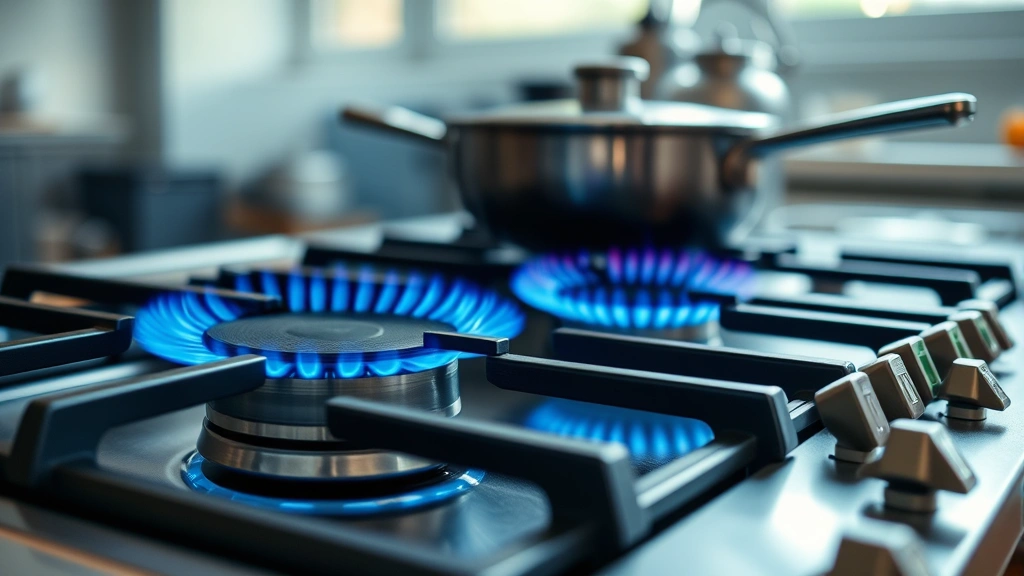
Bosch Gas Stove: Eco-Friendly Cooking Tips for Sustainable Kitchens
Cooking is one of the most essential daily activities in any household, yet it often comes with a significant environmental footprint. The choice of cooking appliance plays a crucial role in determining how much energy we consume and how efficiently we prepare our meals. A Bosch gas stove represents a modern approach to cooking that balances performance with environmental responsibility, offering homeowners an opportunity to reduce their carbon footprint while maintaining excellent cooking capabilities.
Understanding how to maximize the efficiency of your gas cooking appliance is fundamental to sustainable living. Whether you’re upgrading your kitchen or optimizing your current setup, learning eco-friendly cooking practices can dramatically reduce energy consumption and household expenses. This comprehensive guide explores practical strategies for using your Bosch gas stove responsibly while maintaining culinary excellence.
Understanding Gas Stove Efficiency and Environmental Impact
Gas stoves have long been favored by professional chefs and home cooks alike for their immediate heat response and precise temperature control. However, the environmental considerations surrounding gas cooking extend beyond simple convenience. When you understand the mechanics of how a Bosch gas stove operates, you gain insight into why this appliance can be an environmentally conscious choice when used properly.
Natural gas combustion produces energy more efficiently than many alternative cooking methods, particularly when compared to electric resistance cooking. The direct flame-to-cookware transfer means less energy waste and faster cooking times. This efficiency translates directly into reduced household energy consumption and lower carbon emissions. According to research from the Environmental Protection Agency, natural gas appliances can be part of a comprehensive strategy for reducing residential energy consumption.
When examining the advantages of natural gas, it’s important to consider both the combustion efficiency and the source of the fuel. Modern gas stoves like those produced by Bosch incorporate advanced burner technology that maximizes flame efficiency while minimizing wasted heat. The precision engineering ensures that more of the fuel’s energy reaches your cookware and less escapes into the kitchen environment.
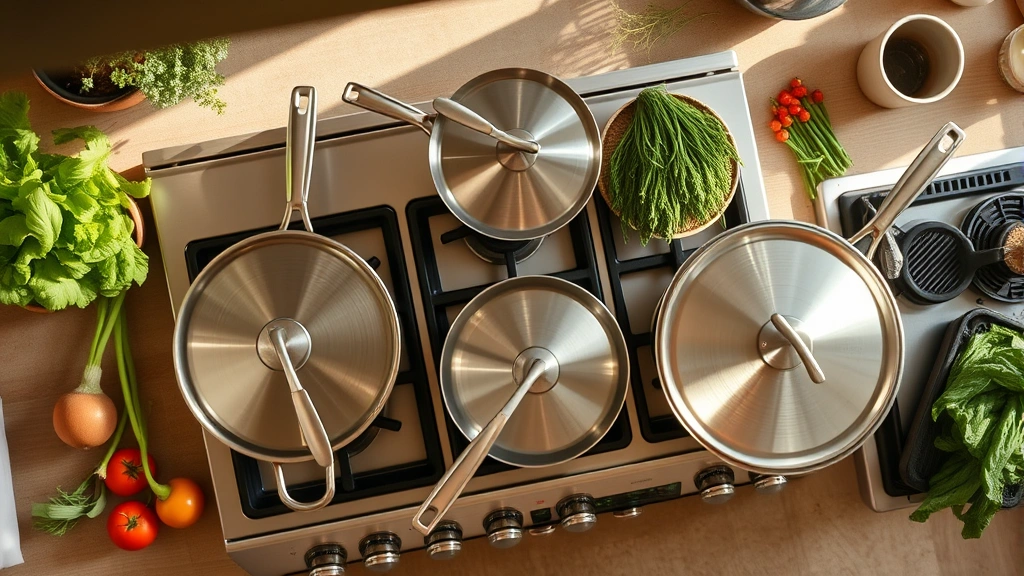
Why Bosch Gas Stoves Excel in Performance and Sustainability
Bosch has established itself as a leader in kitchen appliance innovation, with a particular commitment to combining functionality with environmental responsibility. Their gas stove models incorporate several features specifically designed to enhance efficiency and reduce environmental impact. Understanding these features helps you appreciate the technological advancement that goes into modern cooking appliances.
The burner design in Bosch gas stoves utilizes precision-engineered flame ports that distribute heat more evenly and completely. This means faster cooking times and more consistent results, both of which contribute to overall energy efficiency. When you cook faster, you use less fuel and produce fewer emissions. The company’s commitment to sustainable energy solutions is evident in every aspect of their product design.
Advanced ignition systems in modern Bosch models eliminate the need for constant pilot lights, which represent significant energy waste in older gas stove designs. Electronic ignition systems only consume energy when you actively use the burner, providing substantial savings over the lifetime of the appliance. This technological improvement alone can reduce gas consumption by up to 15% compared to older models with standing pilot lights.
The materials used in Bosch gas stoves are selected for durability and efficiency. Heavy-duty cast iron grates and sealed burners prevent heat loss and ensure that the appliance maintains its efficiency throughout its operational lifespan. This commitment to quality construction means your investment in a Bosch gas stove will continue delivering environmental benefits for many years.
Maximizing Energy Efficiency in Your Daily Cooking
Owning a high-quality gas stove is only the first step toward eco-friendly cooking. Your daily practices and cooking habits determine how effectively you utilize the appliance’s efficiency features. By implementing specific strategies, you can significantly reduce your kitchen’s energy footprint while preparing delicious meals.
Cookware Selection and Matching: The type and size of cookware you use directly affects cooking efficiency. Flat-bottomed pans with tight-fitting lids ensure maximum heat transfer from the burner flame. When you use a pan smaller than the burner, significant heat escapes around the sides, wasting energy. Match your pan size to the burner size you’re using to optimize energy transfer. Stainless steel and cast iron cookware conduct heat efficiently and work exceptionally well with gas flames.
Lid Usage and Heat Management: Using lids on pots and pans reduces cooking time by up to 70% by trapping heat and moisture. This simple practice is one of the most effective ways to reduce gas consumption. When boiling water or simmering dishes, always use a lid unless the recipe specifically requires otherwise. This accelerates cooking processes and reduces the overall energy required for meal preparation.
Burner Selection Strategy: Different cooking tasks require different heat levels and burner sizes. Using a smaller burner for simmering or heating small quantities of liquid prevents unnecessary fuel consumption. Reserve larger burners for tasks that genuinely require their capacity. This conscious burner selection can reduce your gas usage by 10-15% monthly.
Flame Adjustment and Efficiency: Once water reaches a boil, reducing the flame to a gentle simmer maintains the cooking process while using significantly less fuel. Many home cooks maintain unnecessarily high flames throughout cooking, wasting energy. The flame should be visible around the edge of the pan but not extending excessively beyond it. Proper flame adjustment is an art that develops with practice and awareness.

Maintenance Tips for Long-Term Environmental Benefits
Regular maintenance of your Bosch gas stove ensures it operates at peak efficiency throughout its lifespan. Environmental responsibility extends beyond initial purchase decisions to include ongoing care and maintenance practices that preserve appliance performance.
Burner Cleaning and Inspection: Over time, food debris and mineral deposits can clog burner ports, reducing flame efficiency and increasing fuel consumption. Monthly inspection and gentle cleaning of burner caps and ports maintain proper flame characteristics. Use a soft brush or cloth to remove debris without damaging the precision-engineered ports. Clean burners burn more completely and efficiently, reducing both fuel consumption and emissions.
Seal and Gasket Maintenance: The seals around burners and oven components prevent heat loss and gas leaks. Inspect these components quarterly and replace them if they show signs of wear or damage. Proper seals ensure that all combustion heat reaches your cookware rather than escaping into your kitchen.
Professional Servicing: Annual professional inspection by a qualified technician ensures your gas stove operates safely and efficiently. Technicians can identify and correct issues that might increase fuel consumption, such as improper gas pressure or burner misalignment. This preventive approach extends appliance lifespan and maintains environmental efficiency.
Oven Efficiency Optimization: If your Bosch model includes an oven, maintaining proper temperature calibration ensures recipes cook correctly without requiring extended cooking times. Accurate ovens reduce the need for recipe adjustments and prevent wasted energy from overcooking.
Comparing Bosch Gas Stoves to Other Cooking Methods
Understanding how gas cooking compares to alternative methods helps contextualize the environmental benefits of your choice. Different cooking technologies have varying environmental impacts depending on your regional energy sources and usage patterns.
Gas Versus Electric Resistance Cooking: Electric resistance cooktops transfer energy less efficiently than gas flames. A significant portion of electric resistance heat escapes into the kitchen environment rather than reaching cookware. Gas cooking typically achieves 70-80% efficiency compared to 65-75% for electric resistance. This efficiency advantage means lower energy consumption and reduced household carbon emissions.
Induction Cooking Considerations: Induction cooktops offer high efficiency (up to 90%), but they require compatible cookware and generate electromagnetic fields. Gas cooking provides flexibility with any cookware type and avoids electromagnetic exposure. For many households, the definition of sustainability includes practical considerations like equipment compatibility and accessibility.
Environmental Impact of Energy Sources: The environmental benefits of your cooking method depend partly on your regional electricity grid composition. In areas with renewable energy sources, electric cooking becomes more environmentally attractive. However, natural gas remains a relatively clean-burning fossil fuel that produces fewer emissions than coal-based electricity generation in many regions. Understanding your local energy sources helps you make fully informed decisions about cooking methods.
Advanced Cooking Techniques for Eco-Conscious Kitchens
Sophisticated cooking techniques can further enhance the environmental benefits of your Bosch gas stove. These methods combine traditional culinary knowledge with modern sustainability principles.
One-Pot and One-Pan Cooking: Preparing complete meals in single cookware pieces reduces the number of burners used and minimizes overall energy consumption. Sheet pan dinners, skillet meals, and one-pot pasta dishes exemplify this approach. These cooking methods are not only environmentally efficient but often produce superior flavor development through ingredient interaction.
Batch Cooking and Meal Preparation: Preparing multiple meals during a single cooking session maximizes burner utilization and reduces the frequency of stove use. Batch cooking also encourages planning and reduces food waste, creating environmental benefits beyond just energy consumption. This approach aligns with broader strategies to reduce your environmental footprint.
Residual Heat Cooking: After reaching desired cooking temperatures, turning off burners and allowing residual heat to complete cooking processes saves fuel. Many dishes benefit from finishing in residual heat without quality compromise. This technique requires understanding your specific stove’s heat retention characteristics and developing intuitive timing skills.
Pressure Cooking Integration: Pressure cookers work exceptionally well with gas stoves and reduce cooking times by 30-50% compared to conventional methods. This dramatic time reduction translates to proportional fuel savings. Pressure cooking preserves nutrients while accelerating meal preparation, making it an excellent complement to your Bosch gas stove.
Integrating Your Stove into a Sustainable Kitchen
Your gas stove functions as part of a larger kitchen ecosystem. Optimizing the entire kitchen environment amplifies the environmental benefits of your cooking appliance choice.
Ventilation Efficiency: Proper kitchen ventilation removes cooking byproducts without unnecessarily exhausting conditioned air from your home. Modern range hoods with variable speed controls allow you to adjust ventilation to actual cooking needs rather than running at maximum capacity continuously. This prevents wasted heating and cooling energy while maintaining healthy indoor air quality.
Kitchen Layout and Workflow: Organizing your kitchen to minimize movement between appliances reduces overall energy consumption during meal preparation. When your refrigerator, sink, and stove form an efficient triangle, you spend less time and effort preparing meals, resulting in shorter stove usage times.
Food Sourcing and Preparation: The environmental benefits of efficient cooking extend further when combined with sustainable food sourcing practices. Locally-sourced, seasonal ingredients often require less processing and transportation energy. Proper food storage and preparation minimize waste, amplifying the overall sustainability of your kitchen practices.
Water Heating Coordination: If your home includes an on-demand water heater, using hot water from your tap rather than boiling water on the stove can save energy for certain tasks. However, for large quantities, boiling on the stove often proves more efficient. Understanding your specific appliances allows you to choose the most efficient method for each task.
Integrating your Bosch gas stove into a comprehensive sustainable kitchen approach creates cumulative environmental benefits. Each individual practice contributes to meaningful reductions in household energy consumption and carbon emissions.
FAQ
What makes a Bosch gas stove more environmentally friendly than older models?
Modern Bosch gas stoves incorporate electronic ignition systems that eliminate constant pilot light operation, sealed burners that prevent heat loss, and precision-engineered flame ports that maximize combustion efficiency. These features reduce fuel consumption by 15-20% compared to vintage models with standing pilots and less efficient burner designs.
Can I reduce my gas consumption using a gas stove compared to electric cooking?
Yes, gas cooking typically achieves 70-80% energy efficiency compared to 65-75% for electric resistance cooktops. Gas flames transfer heat directly to cookware with minimal environmental waste, making it an efficient cooking method when used with proper techniques like lid usage and appropriate burner sizing.
How often should I maintain my Bosch gas stove for optimal efficiency?
Monthly cleaning of burner ports and quarterly gasket inspection help maintain efficiency. Annual professional servicing by a qualified technician ensures proper gas pressure, burner alignment, and overall safety. Regular maintenance preserves the environmental benefits built into your appliance design.
What cookware works best with gas stoves for efficient cooking?
Flat-bottomed cookware made from stainless steel or cast iron conducts heat efficiently and works optimally with gas flames. Ensure pans have tight-fitting lids and match burner sizes to the cookware you’re using. These factors maximize heat transfer and minimize wasted energy.
Does using a gas stove contribute to indoor air quality issues?
Modern gas stoves produce minimal emissions when properly maintained and used with adequate ventilation. Variable-speed range hoods allow you to adjust ventilation to actual cooking needs. Proper burner maintenance ensures complete combustion, reducing any byproduct emissions and maintaining healthy indoor air quality.
How can I integrate my gas stove into a fully sustainable kitchen?
Combine your efficient gas stove with sustainable practices like batch cooking, pressure cooking, proper ventilation management, and strategic food sourcing. Understanding your entire kitchen’s energy ecosystem allows you to make choices that amplify the environmental benefits of your cooking appliance.


