Buford Gas: Sustainable Practices Explored
Buford Gas represents a significant energy provider in Georgia’s utility landscape, serving thousands of residential and commercial customers with natural gas services. As environmental concerns continue to shape energy consumption patterns, understanding how Buford Gas integrates sustainable energy solutions into its operations becomes increasingly important for eco-conscious consumers. This exploration examines the company’s sustainability initiatives, environmental impact mitigation strategies, and how customers can make informed decisions about their natural gas usage.
The natural gas industry faces mounting pressure to reduce its carbon footprint while maintaining reliable service delivery. Buford Gas, like many regional utilities, must balance operational efficiency with environmental responsibility. Whether you’re considering the best gas stove for your kitchen or evaluating your home’s heating options, understanding your gas provider’s sustainability commitments helps align your choices with environmental values.
Company Overview and Service Area
Buford Gas operates as a natural gas utility primarily serving the greater Buford and surrounding North Georgia communities. The company maintains infrastructure networks that deliver natural gas to residential customers for heating, cooking, and water heating purposes, as well as to commercial and industrial clients for various operational needs. Understanding your local gas provider’s operational scope helps consumers appreciate the complexity of utility management and the infrastructure investments required for reliable service.
The utility industry operates under strict regulatory frameworks designed to ensure safety, reliability, and fair pricing. Buford Gas must comply with regulations established by the Georgia Public Service Commission and federal agencies including the Environmental Protection Agency (EPA), which sets standards for emissions and environmental protection. These regulatory requirements increasingly emphasize sustainability metrics and emissions reduction targets, pushing utilities toward greener operational practices.
Environmental Impact of Natural Gas
Natural gas combustion produces fewer emissions than coal or oil, making it a relatively cleaner fossil fuel option. However, methane—the primary component of natural gas—is a potent greenhouse gas when released into the atmosphere. Methane has approximately 25-28 times the global warming potential of carbon dioxide over a century-long timeframe, making leak prevention and system integrity crucial for environmental responsibility.
The lifecycle of natural gas includes extraction, processing, transportation, and combustion, each stage contributing to environmental impact. Methane leaks can occur at any point in the supply chain, from drilling operations to distribution networks. For Buford Gas customers, this reality underscores the importance of choosing efficient appliances and supporting utilities that invest in leak detection and prevention technologies. When selecting appliances like a natural gas fireplace, efficiency ratings become environmental considerations.
Climate research demonstrates that reducing methane emissions represents one of the most effective near-term strategies for limiting global temperature rise. The National Oceanic and Atmospheric Administration (NOAA) tracks atmospheric methane concentrations and emphasizes the urgency of reducing leaks throughout distribution networks. Utilities like Buford Gas can significantly contribute to climate goals through infrastructure investments that minimize methane escape.
Buford Gas Sustainability Initiatives
Progressive utilities implement comprehensive sustainability programs addressing emissions reduction, leak detection, and system modernization. Buford Gas, as a responsible utility provider, likely incorporates several sustainability practices into its operational framework, though the specific initiatives vary based on company policies and regulatory requirements.
Leak Detection and Prevention Programs
Modern utilities employ advanced technologies for identifying and repairing gas leaks before they reach the atmosphere. Infrared imaging, acoustic sensors, and regular pipeline inspections help maintain system integrity. These proactive programs reduce methane emissions and improve overall system efficiency, benefiting both environmental goals and operational economics.
Infrastructure Upgrade Investments
Aging natural gas distribution infrastructure poses increased leak risks. Utilities investing in pipeline replacement and modernization reduce fugitive emissions while improving service reliability. These capital-intensive projects demonstrate long-term commitment to environmental stewardship and represent significant operational improvements.
Energy Efficiency Education
Helping customers reduce consumption through efficiency improvements benefits both households and environmental outcomes. Educational initiatives about proper appliance maintenance, thermostat optimization, and efficient heating practices extend utility responsibility beyond energy delivery into customer behavior influence.
Customer Sustainability Programs
Buford Gas likely offers programs enabling customers to reduce their natural gas consumption and associated carbon footprint. These programs create mutual benefits—customers save money through reduced consumption while utilities support environmental goals.
Energy Audit Services
Many utilities provide complimentary or discounted home energy audits identifying efficiency improvement opportunities. Professional auditors assess insulation, air sealing, appliance efficiency, and heating system performance, then recommend upgrades prioritized by return-on-investment and environmental impact. Understanding your home’s energy profile empowers strategic investments in improvements like green technology innovations that reduce consumption.
Rebate and Incentive Programs
Financial incentives for upgrading to high-efficiency appliances encourage customer participation in sustainability initiatives. Rebates for ENERGY STAR-certified furnaces, water heaters, and cookstoves offset upgrade costs while promoting efficiency improvements. These programs align customer financial interests with environmental objectives.
Budget Billing and Conservation Programs
Fixed-price billing options help customers manage energy costs while encouraging conservation awareness. Time-of-use rates incentivize shifting consumption to off-peak hours, optimizing grid operations and reducing peak demand pressures. Conservation programs establish baseline consumption targets and reward customers exceeding efficiency goals.
Infrastructure Modernization and Efficiency
Modern utility infrastructure incorporates smart technologies enabling real-time monitoring, automated leak detection, and optimized distribution operations. These technological investments reduce system losses and improve overall efficiency.
Smart Meter Technology
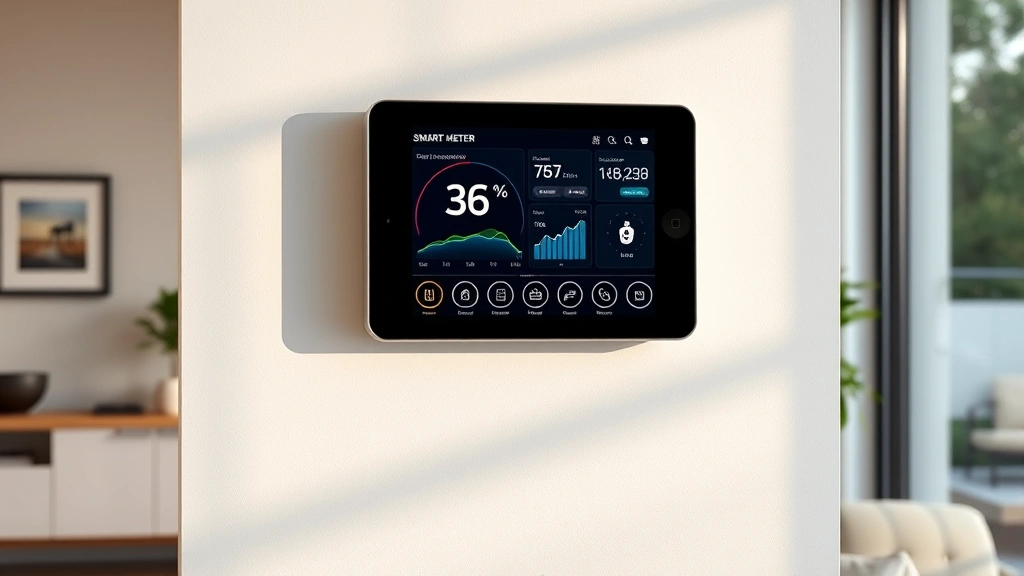
Advanced metering infrastructure provides granular consumption data, helping customers understand usage patterns and identify conservation opportunities. Real-time feedback enables behavioral changes supporting efficiency goals. Utilities benefit from improved system visibility and reduced non-revenue water losses in comparative utility contexts.
Predictive Maintenance Systems
Artificial intelligence and machine learning algorithms analyze system data to predict equipment failures before they occur. Proactive maintenance prevents emergency repairs, reduces service disruptions, and minimizes methane releases from damaged infrastructure. These systems represent significant efficiency improvements in utility operations.
Distribution Network Optimization
Utility engineers continuously work to optimize gas distribution networks, reducing pressure losses and improving overall system efficiency. These technical improvements decrease energy waste throughout the delivery infrastructure, directly supporting sustainability objectives.
Renewable Gas and Alternative Solutions
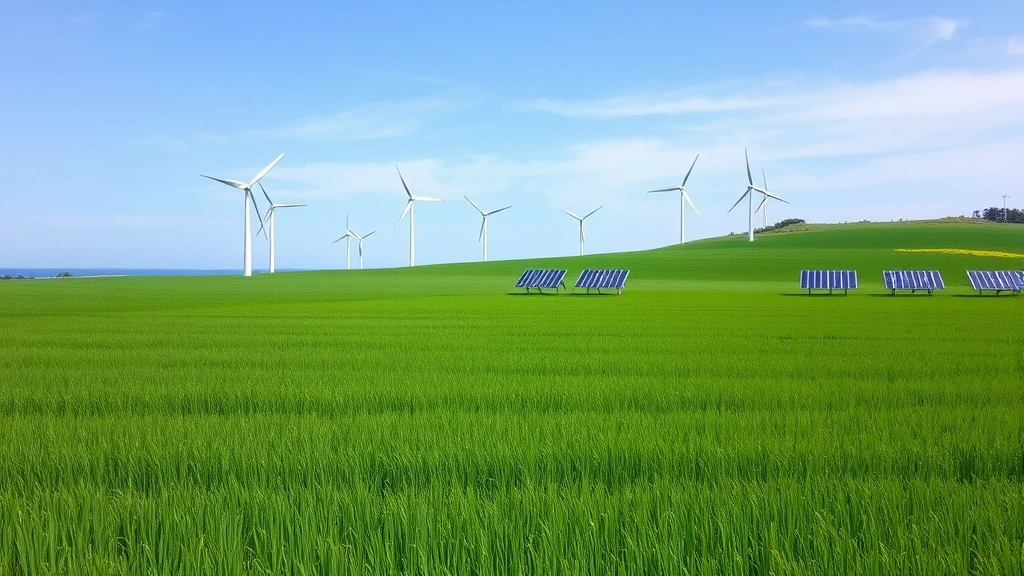
The natural gas industry increasingly explores renewable alternatives including biogas, biomethane, and hydrogen as long-term sustainability strategies. These solutions could eventually reduce fossil fuel dependence while maintaining existing infrastructure compatibility.
Biogas and Biomethane Development
Anaerobic digestion of organic waste—including agricultural byproducts, wastewater treatment solids, and food processing waste—produces biogas. When refined to pipeline quality, this biomethane becomes functionally equivalent to conventional natural gas but with significantly reduced lifecycle emissions. Some utilities blend renewable gas into their distribution networks, incrementally reducing fossil fuel content.
Hydrogen Exploration
Hydrogen produced through electrolysis powered by renewable electricity represents a zero-carbon fuel alternative. Some utilities experiment with hydrogen blending into existing natural gas networks, though significant infrastructure adaptation would eventually be necessary for complete transition. Research continues into hydrogen production efficiency and cost competitiveness.
Customer Transition Support
As renewable alternatives develop, progressive utilities support customer transitions to electric heating and cooking technologies. This represents a significant long-term shift from gas-centric operations toward electrification-focused energy delivery. Customers considering advantages of electric vehicles might similarly consider electrifying home heating systems for comprehensive decarbonization.
Community Engagement and Education
Responsible utilities engage communities through educational initiatives, transparency reporting, and collaborative sustainability programs. These efforts build trust and support for long-term environmental commitments.
Environmental Reporting and Transparency
Progressive utilities publish annual sustainability reports documenting emissions inventories, reduction targets, and progress toward environmental goals. This transparency enables stakeholder accountability and demonstrates commitment to continuous improvement. Reports addressing methane emissions, renewable energy integration, and infrastructure modernization provide comprehensive sustainability overviews.
Community Partnership Programs
Collaborations with environmental organizations, educational institutions, and local governments amplify sustainability impact. Utilities might support community gardens, energy efficiency retrofits for low-income housing, or environmental education initiatives. These partnerships demonstrate commitment to equitable sustainability benefits across communities.
Customer Engagement Initiatives
Interactive programs encouraging customer participation in sustainability goals create shared responsibility for environmental outcomes. Challenges promoting conservation, educational webinars about efficiency improvements, and community forums discussing energy futures build engaged customer bases supporting utility sustainability missions. Visit the SustainWise Hub Blog for additional perspectives on energy sustainability and household efficiency.
The U.S. Green Building Council provides resources for building-level energy efficiency and sustainability certifications that complement utility-level efforts. Individual building performance improvements reduce system-wide demand and support broader sustainability objectives.
FAQ
What is Buford Gas’s primary service area?
Buford Gas serves residential, commercial, and industrial customers in the greater Buford and North Georgia region. Service area boundaries determine which customers can access the utility’s natural gas delivery infrastructure. Checking service availability involves contacting the company directly or reviewing their official service territory maps.
How can I reduce my natural gas consumption?
Efficiency improvements including proper insulation, air sealing, thermostat optimization, and regular furnace maintenance reduce consumption. Upgrading to ENERGY STAR-certified appliances provides long-term savings. Energy audits identify specific improvement opportunities customized to your home’s characteristics. Many utilities offer rebates supporting these upgrades.
Does Buford Gas offer renewable gas options?
Renewable gas availability varies by utility and regulatory environment. Contact Buford Gas directly to inquire about biogas blending programs, renewable energy options, or sustainability initiatives available to customers. Some utilities offer green tariffs supporting renewable energy development.
What is methane and why does it matter?
Methane is the primary component of natural gas and a potent greenhouse gas. When released into the atmosphere during extraction, processing, or distribution, methane contributes significantly to climate change. Utilities reduce environmental impact by minimizing leaks through infrastructure investment and maintenance programs.
How do smart meters help with energy conservation?
Smart meters provide detailed consumption data enabling customers to identify usage patterns and conservation opportunities. Real-time feedback encourages behavioral changes supporting efficiency. Utilities gain system visibility improving operational efficiency and leak detection capabilities.
What role do utility companies play in climate goals?
Utilities significantly influence energy sector emissions through infrastructure investments, operational efficiency improvements, and customer education. Supporting renewable energy integration, reducing methane leaks, and promoting electrification contribute to climate objectives. Utilities represent crucial partners in achieving net-zero energy futures.
Are there financial incentives for energy efficiency upgrades?
Many utilities offer rebates, low-interest financing, and tax credits supporting efficiency improvements. Federal tax credits, state incentive programs, and utility rebates can substantially offset upgrade costs. Researching available programs before undertaking efficiency projects maximizes financial benefits.