Does Cruise Control Save Gas? Expert Insights on Fuel Efficiency
Cruise control has become a standard feature in modern vehicles, marketed as a convenience tool for long highway drives. But beyond comfort, many drivers wonder whether this technology actually helps conserve fuel and reduce their environmental impact. The answer is more nuanced than a simple yes or no—it depends on road conditions, vehicle type, and driving habits. Understanding how cruise control affects fuel consumption is essential for anyone committed to reducing their environmental footprint through smarter driving practices.
As fuel prices fluctuate and climate concerns intensify, optimizing vehicle efficiency has never been more important. This comprehensive guide explores the science behind cruise control, examines real-world fuel economy data, and provides actionable insights to help you make informed decisions about when and how to use this feature effectively.
How Cruise Control Works
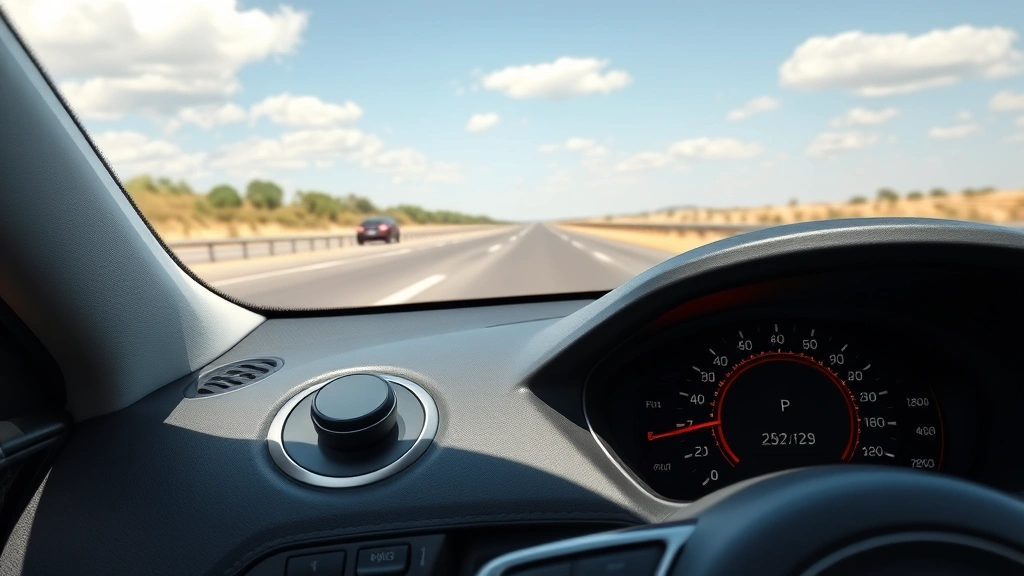
Cruise control is an automated system that maintains a constant speed without driver input on the accelerator pedal. When activated, the system uses sensors and computer algorithms to monitor vehicle speed and adjust engine throttle position accordingly. The driver sets a desired speed, and the cruise control maintains that speed by modulating fuel delivery to the engine.
Traditional cruise control operates on a simple principle: it accelerates the vehicle to the set speed, then maintains that speed by making small adjustments to fuel input. When the vehicle slows slightly due to road resistance or minor inclines, the system increases fuel delivery. When speed creeps above the set point, it reduces fuel delivery. This constant micro-management of throttle position is where the fuel efficiency question becomes interesting.
Modern vehicles often include adaptive cruise control (ACC), which uses radar or cameras to maintain a set distance from vehicles ahead, automatically adjusting speed when necessary. This technology adds another layer of complexity to the fuel efficiency equation, as it must balance maintaining speed with responding to traffic conditions.
Fuel Consumption Analysis: Can Cruise Control Save Gas?
Research and real-world testing reveal that cruise control’s impact on fuel economy depends significantly on road conditions. On flat, straight highways with consistent speeds, cruise control generally does save fuel compared to manual acceleration and deceleration. Studies suggest savings of 5-15% on fuel consumption when cruise control maintains a steady speed on ideal highway conditions.
The primary reason for these savings relates to human driving behavior. Most drivers unconsciously accelerate and decelerate frequently, even on relatively flat terrain. These speed variations require more fuel than maintaining a constant speed. Cruise control eliminates this variability, allowing the engine to operate at a consistent, optimized efficiency point.
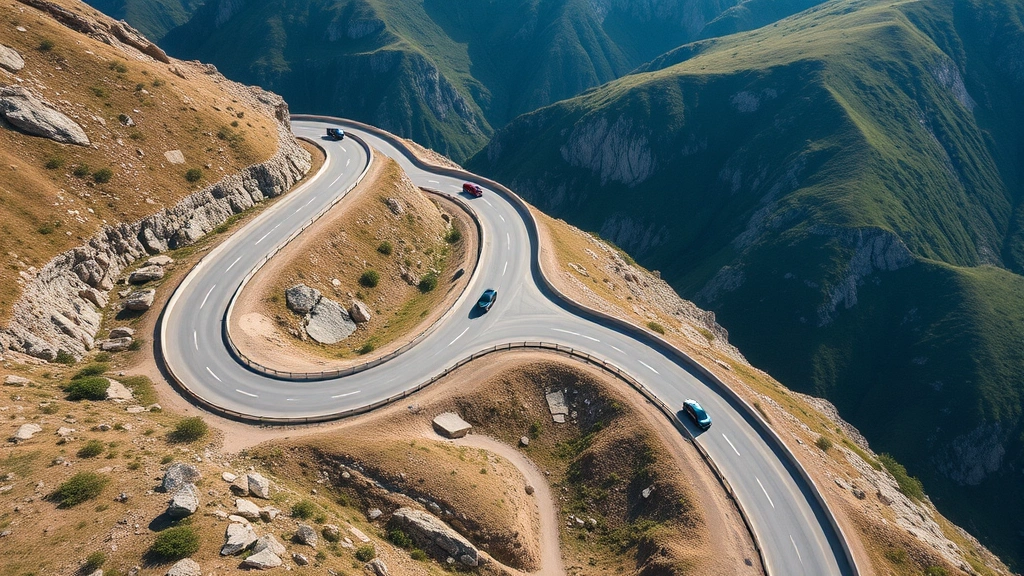
However, on hilly or mountainous terrain, the picture changes dramatically. When cruise control encounters an incline, it must increase fuel delivery significantly to maintain the set speed. A human driver might naturally ease off the accelerator on an uphill stretch, accepting a slight speed reduction. Cruise control cannot make this judgment call and will use considerably more fuel to maintain constant speed on upgrades. Testing on routes with elevation changes has shown that cruise control can actually increase fuel consumption by 10-20% compared to manual driving.
The relationship between speed and fuel efficiency is also critical. Fuel consumption increases exponentially with speed—driving at 70 mph uses notably more fuel than driving at 55 mph, regardless of whether cruise control is engaged. This means that using cruise control to maintain higher speeds will consume more fuel than maintaining lower speeds manually.
Research from the U.S. Department of Energy’s FuelEconomy.gov indicates that the most significant factor in fuel efficiency is maintaining steady speeds between 45-65 mph. Within this range, cruise control provides maximum benefits by preventing speed creep and unnecessary acceleration cycles.
Highway vs. City Driving: Where Cruise Control Shines
Cruise control is designed for highway driving and performs best in these conditions. On extended highway trips with minimal traffic, cruise control excels at maintaining optimal speeds and reducing fuel consumption. The system cannot be effectively used in city traffic, where frequent stops, starts, and speed changes are unavoidable.
Highway driving characteristics that favor cruise control include:
- Consistent speed requirements: Long stretches at steady speeds allow cruise control to maintain optimal engine efficiency
- Minimal braking: Fewer stops mean the system isn’t constantly fighting against speed loss
- Predictable road conditions: Flat or gently rolling terrain allows the system to perform efficiently
- Reduced driver fatigue: Less manual input means the driver can maintain focus and alertness
City driving eliminates all these advantages. Stop-and-go traffic, speed limit changes, and pedestrian considerations make cruise control unsuitable for urban environments. Even if technically possible, using cruise control in city traffic would result in poor fuel economy and safety concerns.
For those interested in broader fuel efficiency strategies, exploring sustainable energy solutions for transportation provides additional context on how individual driving choices fit into larger sustainability goals.
Vehicle Type and Cruise Control Efficiency
The effectiveness of cruise control varies significantly based on vehicle type, weight, and engine characteristics. Smaller, lighter vehicles with efficient engines typically see greater fuel savings from cruise control than larger vehicles.
Sedan and Compact Cars: These vehicles show the most dramatic fuel savings with cruise control, often achieving 10-15% improvements on highway driving. Their lighter weight and aerodynamic design mean less energy is required to maintain speed.
SUVs and Trucks: Larger vehicles benefit less from cruise control due to increased rolling resistance and aerodynamic drag. Fuel savings typically range from 3-8% on flat terrain. On hilly routes, cruise control may provide no savings or even increase consumption.
Hybrid Vehicles: Surprisingly, hybrids may see minimal or no fuel savings from cruise control. These vehicles already optimize fuel consumption through regenerative braking and engine efficiency systems. The constant speed maintenance that helps traditional engines may not align with the hybrid’s efficiency algorithms.
Electric Vehicles: EVs don’t use cruise control for fuel savings—they use it for range optimization. Maintaining steady speeds reduces energy consumption and extends driving range, making cruise control valuable for EV drivers concerned about sustainability and efficiency.
Adaptive Cruise Control Technology: The Next Generation
Adaptive cruise control (ACC) represents an evolution in cruise control technology, incorporating radar, lidar, or camera systems to detect vehicles ahead and adjust speed accordingly. This technology introduces new considerations for fuel efficiency.
When functioning properly on highways with moderate traffic, ACC can optimize fuel consumption by maintaining steady speeds and avoiding aggressive acceleration when catching up to slower vehicles. The system can apply braking smoothly, which is more fuel-efficient than manual hard braking.
However, ACC in heavy traffic or congested conditions may struggle with efficiency. Constant speed adjustments, frequent acceleration and deceleration cycles, and the energy required to operate sophisticated sensor systems can negate fuel savings. Some studies suggest that ACC in urban traffic conditions may actually increase fuel consumption by 5-10% compared to manual driving.
The efficiency of ACC also depends on programming. Some manufacturers prioritize comfort and smooth driving, which can result in less aggressive acceleration strategies that consume more fuel. Others program ACC to prioritize efficiency, resulting in more noticeable fuel savings.
For drivers interested in green technology innovations, understanding how advanced driver assistance systems impact fuel consumption helps inform vehicle purchasing decisions and driving strategies.
Best Practices for Maximizing Fuel Savings with Cruise Control
To maximize fuel efficiency while using cruise control, follow these evidence-based recommendations:
- Use on flat, straight highways: Cruise control performs best on terrain without significant elevation changes. Disable it when entering hilly or mountainous regions.
- Maintain moderate speeds: Set cruise control between 50-65 mph for optimal fuel efficiency. Every 5 mph increase above 60 mph reduces fuel economy by approximately 7-10%.
- Avoid using in heavy traffic: Cruise control cannot safely navigate congested conditions and will consume excess fuel with constant speed adjustments.
- Disable on long downhill stretches: Cruise control may apply brakes unnecessarily on descents, wasting fuel. Manual coasting is more efficient.
- Combine with other efficiency practices: Use cruise control alongside proper tire pressure maintenance, regular vehicle servicing, and aerodynamic improvements for maximum savings.
- Monitor road conditions: Be prepared to manually override cruise control when conditions change, such as approaching weather or traffic congestion.
- Consider your vehicle type: Lighter vehicles benefit more from cruise control. Heavier vehicles may see minimal benefits.
Additionally, keeping your vehicle well-maintained ensures that cruise control systems function optimally. A malfunctioning throttle control or sensor can cause cruise control to use excess fuel while attempting to maintain set speeds.
Environmental Impact of Fuel Efficiency and Cruise Control
The environmental implications of cruise control extend beyond simple fuel savings. Every gallon of gasoline burned produces approximately 20 pounds of carbon dioxide, a major greenhouse gas contributing to climate change. By using cruise control to save 5-15% on fuel consumption during highway driving, a typical driver can reduce their annual carbon emissions by several hundred pounds.
For a vehicle driven 12,000 miles annually at an average fuel economy of 25 mpg, cruise control could reduce fuel consumption by 20-60 gallons per year, preventing 400-1,200 pounds of CO2 emissions. Over a vehicle’s 10-year lifespan, this represents 2-6 tons of prevented emissions.
Beyond carbon reduction, fuel efficiency decreases demand for petroleum extraction and refining, reducing habitat disruption and water pollution associated with fossil fuel production. It also decreases dependence on foreign oil, enhancing energy security.
For those committed to sustainable living practices, optimizing driving habits through cruise control represents one accessible way to reduce personal environmental impact. When combined with other strategies—electric vehicle adoption, public transportation use, and route optimization—individual driving choices contribute to broader climate goals.
The EPA’s most efficient vehicles database provides additional resources for understanding how driving practices and vehicle selection impact environmental outcomes.
Understanding the relationship between driving behavior and fuel consumption also connects to broader energy efficiency considerations, including alternative fuel technologies and emerging transportation solutions.
Frequently Asked Questions
Does cruise control use more gas on hills?
Yes, cruise control typically uses significantly more fuel on hills compared to manual driving. The system must increase engine throttle substantially to maintain set speed while climbing, whereas a human driver might allow speed to decrease slightly. On mountainous terrain, cruise control can increase fuel consumption by 10-20% or more.
Is it better to use cruise control or drive manually for fuel economy?
On flat highways at moderate speeds (50-65 mph), cruise control generally provides better fuel economy than manual driving. On hilly terrain or at higher speeds, manual driving with conscious speed management is more efficient. The best approach is using cruise control selectively based on road conditions.
Does cruise control save gas on the interstate?
Yes, cruise control typically saves fuel on interstate highways, particularly on flat sections. Studies show 5-15% fuel savings on ideal highway conditions. However, interstate driving often includes elevation changes and speed limit variations where manual driving may be more efficient.
Can adaptive cruise control improve fuel economy?
Adaptive cruise control can improve fuel economy on highways with light to moderate traffic by maintaining steady speeds and applying smooth braking. In heavy traffic or congested conditions, ACC may not provide significant savings or could increase fuel consumption due to constant speed adjustments.
What speed should I set cruise control to for best fuel economy?
Set cruise control between 50-65 mph for optimal fuel economy. Speeds above 65 mph result in exponentially higher fuel consumption. Every 5 mph increase above 60 mph reduces fuel economy by approximately 7-10%.
Does cruise control work in rain or snow?
Most cruise control systems function in rain and light snow, but safety considerations make manual driving preferable in adverse weather. Wet or icy roads reduce traction, and cruise control cannot adjust speed appropriately for hazardous conditions. Disable cruise control when visibility decreases or road surfaces are compromised.
Is cruise control bad for my car’s engine?
No, cruise control does not damage engines. The system is designed to operate safely and efficiently within normal engine parameters. Properly functioning cruise control may actually reduce engine strain by maintaining consistent speeds and reducing aggressive acceleration cycles.


