
StairMaster & Sustainability: Energy Saving Tips for Eco-Conscious Fitness
The StairMaster is a powerhouse cardio machine that delivers intense workouts—but it also consumes significant electricity. As fitness enthusiasts increasingly embrace sustainability, understanding how to maximize energy efficiency while using gym equipment becomes crucial. Whether you’re asking “can the StairMaster gas you out” or wondering about your gym’s carbon footprint, this guide explores practical energy-saving strategies that benefit both your health and the planet.
Sustainability in fitness facilities is often overlooked, yet gyms collectively consume enormous amounts of energy. From treadmills to StairMasters, ellipticals to weight machines, these devices run continuously throughout operating hours. By implementing smart energy practices and making conscious choices about equipment usage, you can significantly reduce your gym’s environmental impact while maintaining peak cardiovascular performance.
Understanding StairMaster Energy Consumption
StairMasters are among the most energy-intensive cardio machines in any fitness facility. These motorized devices consume between 500-1000 watts during operation, depending on the model, resistance level, and user weight. To put this in perspective, a single StairMaster running for eight hours daily uses approximately 4-8 kilowatt-hours of electricity—equivalent to powering an average American home for several hours.
The mechanics behind StairMaster energy use are straightforward: the motor must continuously drive the moving stairs while maintaining stability and adjusting resistance. Heavier users and higher resistance settings demand more power, creating a direct correlation between workout intensity and energy consumption. Understanding this relationship helps explain why asking “can the StairMaster gas you out” is equally relevant to asking about its environmental impact—both relate to sustained energy expenditure.
Modern StairMasters incorporate variable-speed motors and electronic resistance systems, which theoretically improve efficiency compared to older models. However, many gyms still operate legacy equipment that lacks energy-saving features. Sustainable energy solutions in fitness facilities must address both equipment upgrades and operational practices. Consulting resources like the EPA’s Energy Star Program provides certification standards for efficient commercial equipment.
How StairMasters Impact Your Facility’s Carbon Footprint
A typical commercial gym with 20-30 cardio machines generates substantial electricity demand. If half operate simultaneously during peak hours, that’s 10,000-15,000 watts of continuous power consumption. Over a year, this translates to hundreds of thousands of kilowatt-hours, producing equivalent carbon emissions to driving a car 50,000+ miles annually.
The environmental impact extends beyond direct energy use. Manufacturing StairMasters requires significant resources and materials. Transporting heavy equipment generates emissions, and eventual disposal creates e-waste. This lifecycle perspective reveals why choosing how to reduce your environmental footprint in fitness contexts requires comprehensive thinking.
Facilities powered by renewable energy sources dramatically reduce their StairMaster-related emissions. A gym operating on 100% wind or solar power essentially neutralizes the carbon impact of its cardio equipment. Progressive facilities are increasingly exploring partnerships with the National Renewable Energy Laboratory to transition toward clean power infrastructure.
Progressive gym chains are implementing energy management systems that monitor real-time consumption. These systems identify peak usage periods, optimize maintenance schedules, and provide data for informed purchasing decisions. Understanding your facility’s specific energy profile is essential for developing targeted sustainability initiatives.
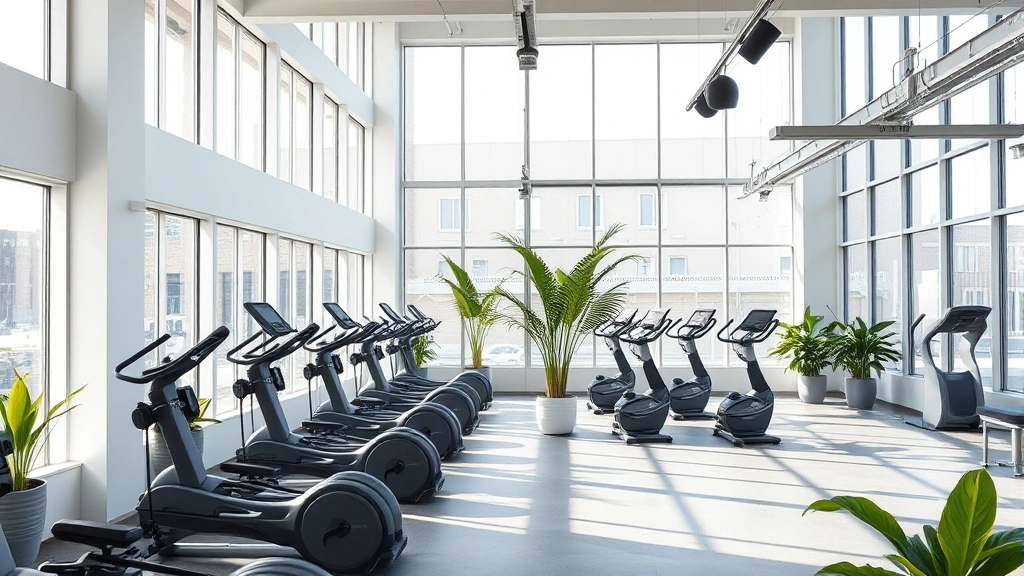
Energy-Efficient Workout Strategies
Individual users can dramatically reduce StairMaster energy consumption through strategic workout planning. Instead of climbing at maximum resistance for extended periods, consider interval training protocols that alternate between moderate and high-intensity efforts. This approach reduces average power draw while maintaining cardiovascular benefits and preventing the machine from gassing you out through overexertion.
Timing your workouts strategically maximizes efficiency. Many electricity grids operate more cleanly during off-peak hours when renewable sources like solar and wind contribute higher percentages of total supply. Morning workouts often correspond with cleaner grid electricity, making your StairMaster session more sustainable.
Choosing StairMaster sessions over motorized treadmill workouts represents a meaningful sustainability choice. While both consume electricity, StairMasters typically deliver superior cardiovascular benefits per unit of energy expended. You’ll achieve comparable fitness results in less time, reducing overall energy consumption. This principle parallels how cruise control saves gas through optimized vehicle efficiency.
Consider alternating between machine-based and bodyweight exercises. Stair climbing using actual building stairs, hill sprints outdoors, or step aerobics classes using step platforms require zero electricity while delivering identical physical benefits. Diversifying your training modalities reduces facility energy demands while improving overall fitness outcomes.
Proper StairMaster form also impacts energy efficiency. Maintaining upright posture, avoiding excessive gripping, and using appropriate stride length minimizes unnecessary muscle engagement and reduces the machine’s workload. Better form means better results with lower energy expenditure—a win-win for sustainability and performance.
Gym Infrastructure & Sustainable Equipment Choices
Facility managers play crucial roles in reducing StairMaster energy consumption through infrastructure improvements. Upgrading to newer, Energy Star-certified models can reduce power consumption by 20-30% compared to older equipment. These machines incorporate regenerative braking systems that capture kinetic energy during use, converting it back to electricity.
Some innovative gyms have installed human-powered cardio equipment that generates electricity during workouts. These machines feature built-in generators that offset a portion of facility electricity consumption. While not replacing traditional StairMasters entirely, hybrid approaches create interesting sustainability opportunities.
HVAC system optimization significantly impacts overall gym energy efficiency. StairMasters and other cardio equipment generate substantial heat, requiring robust cooling systems. Installing smart thermostats, improving insulation, and utilizing natural ventilation during cool hours reduces cooling demands. Facilities pursuing sustainable energy solutions often discover that equipment efficiency improvements yield secondary benefits through reduced climate control requirements.
LED lighting upgrades throughout facilities reduce energy consumption by 50-75% compared to traditional fluorescent systems. Combined with motion sensors and daylight harvesting, comprehensive lighting efficiency transforms facility energy profiles. These improvements create brighter, more inviting workout environments while reducing operational costs.
Preventive maintenance schedules ensure StairMasters operate at peak efficiency. Worn motors, misaligned components, and degraded electrical systems force machines to work harder, consuming excess energy. Regular servicing extends equipment lifespan while maintaining optimal performance characteristics. Facility managers should partner with manufacturers or certified technicians to implement comprehensive maintenance protocols.
The American Council on Exercise provides guidelines for sustainable fitness facility operations, including equipment maintenance standards that enhance both performance and energy efficiency.
Personal Performance Optimization
Individual fitness goals and sustainability align more closely than many realize. Users who focus on efficient, high-intensity interval training achieve superior cardiovascular adaptations while minimizing machine runtime. This approach prevents StairMasters from gassing you out through inefficient, prolonged sessions that waste both energy and time.
Proper warm-up and cool-down protocols improve workout quality without excessive machine usage. Spending five minutes gradually increasing intensity allows your body to adapt efficiently, reducing the energy expenditure required for given performance levels. This principle mirrors how best SUV gas mileage improves through gradual acceleration rather than aggressive engine loading.
Tracking your StairMaster performance metrics encourages progressive overload through smart progression rather than extended duration. Increasing step rate, resistance level, or total floors climbed in shorter timeframes delivers superior fitness results with reduced energy consumption. Performance-focused training naturally optimizes sustainability.
Bodyweight exercises complement StairMaster training while requiring zero electricity. Combining 20-minute StairMaster sessions with 15-minute bodyweight circuits delivers comprehensive cardiovascular and strength training without excessive energy demands. Diversified training approaches enhance fitness while reducing individual carbon footprints.
Understanding your personal energy expenditure helps contextualize machine energy consumption. A 150-pound person climbing stairs for 30 minutes expends approximately 300-400 calories. The StairMaster motor uses roughly 250-500 watt-hours during the same period. Your personal energy investment significantly exceeds machine energy consumption, underscoring the efficiency of stair climbing as a cardiovascular modality.
Technology Solutions for Energy Tracking
Smart gym management systems now provide real-time energy consumption data for individual machines and facilities collectively. These platforms enable facility managers to identify inefficient equipment, optimize maintenance schedules, and plan strategic upgrades. Data-driven facility management represents the frontier of sustainable gym operations.
IoT-enabled StairMasters transmit performance and energy consumption data to centralized systems. Facility managers can monitor multiple locations simultaneously, identifying outliers and implementing targeted interventions. This technology transforms energy efficiency from abstract concept to measurable, manageable operational metric.
Mobile applications allow individual users to track their personal carbon footprint from gym activities. These apps calculate machine energy consumption based on workout duration, intensity, and equipment type, providing transparency about personal environmental impact. Gamification elements encourage users toward more sustainable workout choices through friendly competition and achievement recognition.
Blockchain-based energy tracking systems are emerging in progressive facilities, creating transparent, immutable records of energy consumption and renewable energy sourcing. These systems build accountability and enable facilities to communicate authentic sustainability credentials to members and stakeholders.
The International Health, Racquet & Sportsclub Association provides resources for facilities implementing technology-driven sustainability initiatives, including case studies demonstrating energy savings and member engagement improvements.
Integration with renewable energy microgrids allows facilities to utilize excess solar or wind generation during peak production periods. Smart systems automatically schedule StairMaster maintenance, deep cleaning, and equipment usage during high renewable availability, maximizing clean energy utilization.
FAQ
Can the StairMaster actually gas you out?
Yes, StairMasters can cause breathlessness and exhaustion, particularly during high-intensity intervals or for users new to the machine. This occurs because stair climbing engages large muscle groups simultaneously, dramatically increasing oxygen demand. Proper conditioning, appropriate intensity progression, and interval training protocols minimize excessive fatigue while maximizing cardiovascular benefits.
How much electricity does a StairMaster consume annually?
A typical StairMaster running eight hours daily consumes 1,460-2,920 kilowatt-hours annually, depending on model and usage intensity. This represents carbon emissions equivalent to 1,000-2,000 pounds of CO2, assuming average grid electricity sources. Facilities powered by renewable energy eliminate this environmental impact.
What’s the most energy-efficient cardio machine?
Rowing machines and stationary bikes generally consume less electricity than StairMasters, typically using 300-600 watts. However, StairMasters deliver superior cardiovascular and metabolic benefits per unit time, potentially making them more efficient when considering results-to-energy ratios. Explore our SustainWise Hub Blog for comprehensive equipment comparisons.
Can I reduce my gym’s StairMaster energy consumption?
Absolutely. Upgrade to Energy Star-certified models, implement preventive maintenance programs, install variable-speed drives, optimize facility HVAC systems, and transition toward renewable energy sources. Even individual users can reduce consumption through efficient workout protocols and strategic timing during peak renewable generation periods.
Do human-powered StairMasters actually generate meaningful electricity?
Human-powered machines typically generate 50-100 watts during vigorous exercise, offsetting 5-20% of consumption depending on model. While not revolutionary, these systems raise awareness about energy consumption and contribute to overall facility sustainability goals. They work best as complementary equipment rather than primary solutions.
How does StairMaster energy use compare to driving?
A typical 30-minute StairMaster session consumes approximately 250-500 watt-hours, equivalent to driving 1-2 miles in an average car. This comparison highlights that machine energy consumption, while meaningful, remains relatively modest compared to transportation. Check out our guide on advantages of electric vehicles for transportation sustainability context.
What’s the most sustainable way to get cardiovascular training?
Outdoor activities like running, cycling, hill sprints, and stair climbing using actual infrastructure require zero electricity while delivering superior fitness results for many individuals. When weather or accessibility demands indoor training, efficient machine protocols combined with facility renewable energy sourcing create optimal sustainability profiles.


