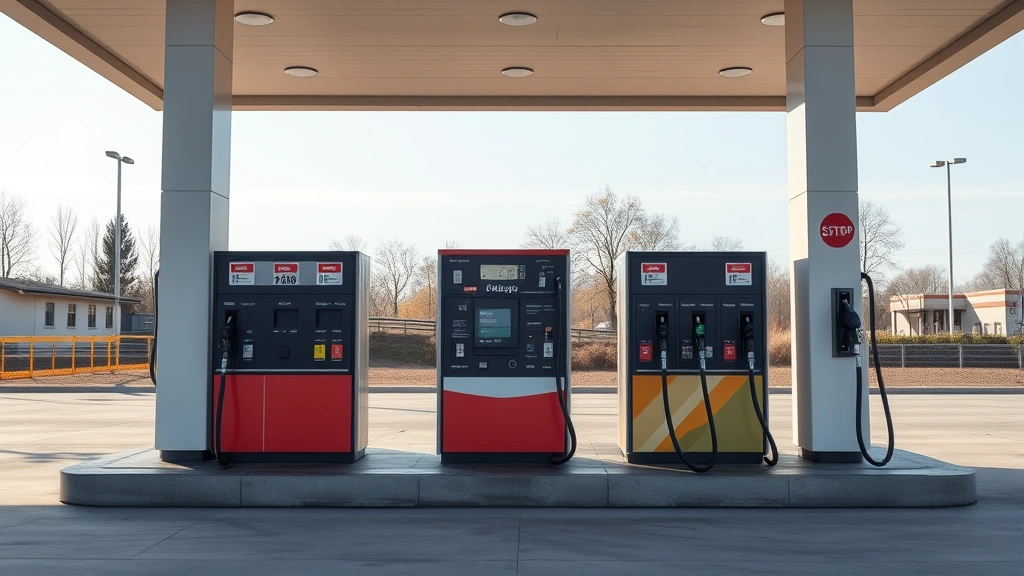
Is Pumping Gas with Car On Safe? Expert Insight on Fuel Safety
One of the most common questions at gas stations is whether it’s safe to pump gas while your car engine is running. This seemingly simple question carries significant safety, legal, and environmental implications that every driver should understand. The answer is straightforward: no, you should never pump gas with your car running. However, the reasons behind this prohibition are more nuanced than many people realize, involving fire hazards, regulatory compliance, and proper fuel system management.
Whether you’re a seasoned driver or relatively new to the road, understanding the risks associated with pumping gas with the engine on is crucial for your safety and the safety of others at the fuel station. This comprehensive guide explores the scientific, legal, and practical reasons why this practice is dangerous, what can happen if you ignore these warnings, and how to develop safer fueling habits that protect yourself and your vehicle.
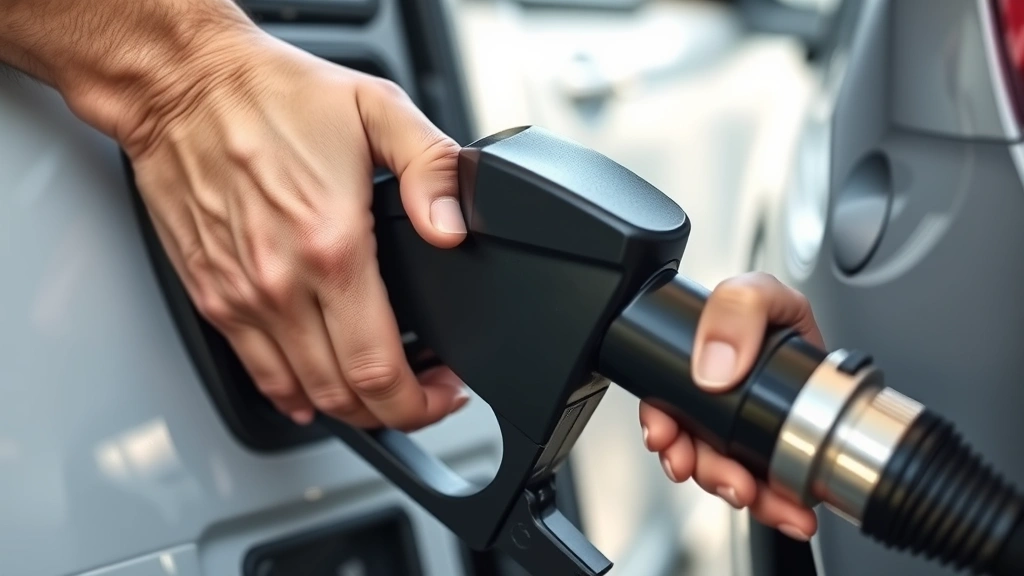
Why You Should Never Pump Gas with Engine Running
The prohibition against pumping gas with your engine running exists for multiple interconnected reasons that involve physics, chemistry, and practical safety management. When your engine is running, several dangerous conditions are simultaneously present at your vehicle. Your engine produces heat, generates electrical currents through the ignition system, and creates vibrations that can affect fuel handling.
Additionally, a running engine means your fuel pump is actively working, which can create pressure fluctuations in your fuel system. These pressure changes can interfere with the gas pump’s ability to accurately measure and dispense fuel, potentially causing overfilling or erratic fuel flow. The combination of an active engine, elevated temperatures, and pressurized fuel systems creates an environment where ignition sources and flammable vapors can dangerously intersect.
Understanding these risks is essential for developing responsible fueling habits. Many drivers don’t realize that the few seconds they might save by keeping the engine running aren’t worth the potential consequences. This practice violates safety standards established by the Environmental Protection Agency (EPA) and gas station operators worldwide.
Fire and Explosion Risks
The most dramatic and serious risk associated with pumping gas while the engine is running is the potential for fire or explosion. Gasoline is an extremely flammable liquid that produces vapors at room temperature, especially in warmer weather. When you pump fuel with the engine running, you’re creating multiple ignition hazards in close proximity to highly combustible materials.
Your engine produces significant heat, particularly in the engine bay. Even modern engines with improved cooling systems operate at temperatures around 195 to 220 degrees Fahrenheit during normal operation. Gasoline ignites at temperatures as low as 536 degrees Fahrenheit, and its vapors can ignite at even lower temperatures. This temperature differential might seem substantial, but when combined with electrical arcing and other ignition sources, the risk becomes very real.
The electrical system in your vehicle, including the alternator, starter motor, and ignition system, generates electrical currents and can produce sparks under certain conditions. These sparks, though typically controlled within the engine compartment, can ignite gasoline vapors if they escape containment or if fuel vapors reach the engine bay. Historical records document numerous incidents where vehicles have caught fire during refueling with the engine running, resulting in injuries, property damage, and even fatalities.
Furthermore, modern vehicles with electronic fuel injection systems create additional risks. The fuel injectors operate at high pressures and frequencies, creating vibrations and electrical activity that increase the likelihood of unexpected ignition sources. The combination of pressurized fuel systems and running engines creates a particularly hazardous scenario that safety experts universally recommend avoiding.
To understand more about fuel safety in different contexts, explore our guide on best natural gas grills, which discusses proper fuel handling procedures for various applications.
Legal Consequences and Regulations
Beyond the safety concerns, pumping gas with your engine running is illegal in virtually all jurisdictions. Gas stations post warning signs explicitly prohibiting this practice, and these aren’t merely suggestions—they’re enforceable regulations. Violating these regulations can result in fines, citations, and potential liability if an incident occurs.
The National Fire Protection Association (NFPA) and the Occupational Safety and Health Administration (OSHA) have established strict guidelines for fuel handling and dispensing. These regulations require that vehicles remain off during refueling. Individual states and municipalities may impose additional penalties for violations, with fines ranging from $50 to several hundred dollars depending on local regulations.
More significantly, if you cause an accident or fire while pumping gas with your engine running, you could face serious legal liability. Your insurance company may deny claims related to incidents caused by this prohibited behavior, leaving you personally responsible for damages, injuries, and cleanup costs. Additionally, you could face criminal charges if your negligence results in injury or property damage to others.
Gas station operators are legally responsible for maintaining safe premises, and they can refuse service to customers who violate safety protocols. Some stations employ attendants specifically to monitor pump usage and enforce these rules. Understanding and respecting these legal requirements protects both you and everyone else at the fuel station.
Impact on Your Vehicle’s Fuel System
Pumping gas with the engine running doesn’t just create external safety hazards—it can also damage your vehicle’s fuel system and engine. Modern vehicles rely on sophisticated fuel management systems that include pressure regulators, fuel filters, and electronic sensors designed to work within specific parameters. When you introduce fuel into the tank while the engine is actively drawing fuel, you create irregular pressure conditions that can stress these components.
The fuel pump, typically located inside the fuel tank, works in conjunction with the fuel injectors to maintain precise fuel flow rates. A running engine creates demand for fuel while the pump is simultaneously trying to dispense additional fuel into the tank. This creates conflicting pressure conditions that can cause the fuel pump to work harder than designed, potentially shortening its lifespan.
Additionally, fuel quality and stability can be affected by the heat generated by a running engine. Gasoline can degrade when exposed to elevated temperatures, and the vaporization of fuel components can increase when the fuel tank is being filled while the engine is hot. This can lead to fuel system deposits, reduced fuel efficiency, and increased emissions over time.
The fuel tank’s ventilation system is designed to manage pressure buildup and allow air to escape as fuel is added. With the engine running, these systems may not function optimally, potentially causing pressure spikes that could damage the tank or related components. Protecting your vehicle’s fuel system requires adhering to proper fueling procedures, including turning off the engine before refueling.
For comprehensive information about fuel systems and energy solutions, review our article on sustainable energy solutions for vehicles and homes.
Static Electricity and Fuel Safety
While static electricity receives considerable attention in fuel safety discussions, it’s important to understand its actual role in the broader context of refueling hazards. Static electricity can build up on your body and vehicle during the refueling process, and in rare cases, discharge into fuel vapors. However, static electricity alone is rarely the primary cause of fuel-related fires at gas stations.
Most modern fuel nozzles include static grounding mechanisms that dissipate electrical charges safely. The metal construction of fuel pumps and nozzles provides conductive pathways for electrical discharge. These safety features have significantly reduced the risk of static-related ignition incidents, though the danger hasn’t been entirely eliminated, particularly in extremely dry conditions or with certain vehicle constructions.
The real danger with static electricity emerges when combined with other risk factors present when the engine is running. A running engine increases ambient temperature, creates vibrations that can disrupt the fuel nozzle’s seal, and generates additional electrical activity that can interfere with grounding mechanisms. The cumulative effect of multiple hazards—heat, electrical activity, pressurized fuel systems, and potential static discharge—creates a significantly more dangerous scenario than any single factor alone.
This is why comprehensive fuel safety protocols address multiple risk factors simultaneously. Rather than relying on any single safety measure, the safest approach involves eliminating as many hazards as possible, starting with turning off the engine before fueling.
Best Practices for Safe Fueling
Developing proper fueling habits protects you, your vehicle, and everyone at the gas station. The fundamental rule is simple: always turn off your engine before pumping gas. This single action eliminates the majority of fire hazards associated with refueling. Make this an automatic part of your routine, just as automatic as putting on your seatbelt.
Beyond turning off the engine, follow these additional safety practices:
- Remove yourself from the vehicle: Exit your car and stand away from the fuel pump during refueling. This positions you safely away from potential ignition sources and allows you to monitor the fueling process.
- Avoid using your phone: While research shows that cell phones are unlikely to cause ignition by themselves, avoiding phone use during fueling eliminates a potential distraction and demonstrates proper safety awareness.
- Don’t smoke or create open flames: Never smoke near a fuel pump or allow others to smoke in your vicinity while refueling. Open flames and fuel vapors are an extremely dangerous combination.
- Keep the fuel cap nearby: Have your fuel cap ready so you can quickly secure the tank after fueling. This prevents fuel vapors from escaping and reduces environmental emissions.
- Don’t overfill the tank: Stop fueling when the pump nozzle shuts off automatically. Overfilling can cause fuel to overflow, creating spills and increasing vapor emissions.
- Allow the engine to cool: If you’ve been driving extensively, allow your engine to cool for a few minutes before refueling. This reduces the ambient temperature in the engine bay and decreases overall fire risk.
These practices are consistent with recommendations from the National Fire Protection Association (NFPA) and fuel industry safety standards. By consistently following these procedures, you establish a safety culture that protects yourself and influences others to adopt responsible fueling habits.
Environmental Considerations
Beyond immediate safety concerns, proper fueling procedures have significant environmental implications. When you pump gas with the engine running, fuel vapors are more likely to escape into the atmosphere, contributing to air pollution and climate change. Gasoline vapors contain volatile organic compounds (VOCs) that react with nitrogen oxides to form ground-level ozone, a harmful air pollutant.
Modern fuel pumps include vapor recovery systems designed to capture fuel vapors and return them to the storage tank rather than releasing them into the atmosphere. These systems function most effectively when the engine is off and fuel flow is controlled. Running the engine creates pressure fluctuations that can overwhelm these recovery systems, allowing more vapors to escape.
Proper fueling procedures support broader advantages of electric vehicles and other clean energy initiatives by reducing unnecessary fuel emissions. Even small actions, like turning off your engine while refueling, contribute to improved air quality and reduced greenhouse gas emissions.
Additionally, fuel spillage is more likely to occur when the engine is running and fuel flow is irregular. Spilled gasoline contaminates soil and groundwater, harming ecosystems and potentially affecting drinking water supplies. Environmental responsibility begins with respecting proper fueling procedures at the individual level.
For those interested in transitioning away from gasoline-powered vehicles entirely, explore our comprehensive guide on green technology innovations transforming our future, which discusses sustainable transportation alternatives.
FAQ
Can pumping gas with the car on cause an explosion?
Yes, pumping gas with the engine running significantly increases the risk of fire or explosion. The combination of engine heat, electrical activity, pressurized fuel systems, and flammable fuel vapors creates multiple ignition hazards. While modern safety features have reduced the frequency of such incidents, the danger remains real and the risk is entirely preventable by turning off your engine.
What should I do if I accidentally pumped gas with the engine running?
If you realize mid-refueling that your engine is running, immediately turn it off. Complete the refueling process normally and safely. One incident is unlikely to cause damage, but make it a point to develop the habit of turning off your engine before arriving at the fuel pump. If you’re concerned about your vehicle, have a qualified mechanic inspect the fuel system for any irregularities.
Does turning off the engine waste fuel?
No, turning off your engine during refueling does not waste fuel. The fuel you pump goes directly into your tank regardless of whether the engine is running. In fact, turning off the engine actually improves fuel efficiency by eliminating unnecessary fuel consumption during the brief refueling period.
Are there any exceptions where it’s safe to pump gas with the engine on?
No, there are no legitimate exceptions. Safety regulations universally prohibit engine operation during refueling. This applies to all vehicle types, all fuel grades, and all weather conditions. The few seconds potentially saved by keeping the engine running are never worth the safety risks.
Can electric vehicles be charged while running?
Electric vehicles don’t have the same fuel system hazards as gasoline-powered cars, but most charging protocols recommend turning off the vehicle before charging. Some modern electric vehicles can charge while running in specific scenarios, but it’s generally safer and better for battery management to turn off the vehicle during charging.
Why do some people ignore these warnings?
Some drivers ignore fuel safety warnings due to habit, perceived time savings, or simple lack of awareness about the risks. Others may feel that modern safety features make the danger negligible. However, safety regulations exist because incidents have occurred, and the risks remain real. Education and consistent enforcement of these rules are essential for maintaining fuel station safety.
What temperature does gasoline ignite?
Gasoline has a flash point of approximately -43 degrees Fahrenheit and an autoignition temperature of about 536 degrees Fahrenheit. However, gasoline vapors can ignite at significantly lower temperatures when exposed to ignition sources like sparks or electrical discharge, making the distinction between flash point and autoignition temperature important for understanding fuel safety.
How can I make safe fueling a habit?
Create a consistent routine by always turning off your engine before exiting the vehicle at a gas station. Make it as automatic as putting on your seatbelt. This mental habit formation typically takes 2-3 weeks of consistent practice. Share this knowledge with family members and friends to create a culture of fuel safety awareness.


