
Top Canadian Gas Brands: Consumer Insights and Sustainability Considerations
The Canadian fuel market represents a complex landscape where consumers must balance convenience, cost, and environmental responsibility. Understanding the major Canadian gas brands available across the country helps drivers make informed decisions about their fuel choices and their impact on both their wallets and the environment. From coast to coast, Canadians rely on established petroleum retailers that have built trust through decades of service, competitive pricing, and network reliability.
This comprehensive guide explores the leading Canadian gas brand options, examining their market presence, consumer satisfaction ratings, environmental initiatives, and what sets each apart in a competitive industry. Whether you’re a daily commuter concerned about fuel efficiency or exploring alternatives to traditional gasoline, understanding these brands and their sustainability practices is essential for making responsible choices. We’ll also discuss how your fuel selection connects to broader environmental considerations and emerging alternatives in Canada’s energy landscape.
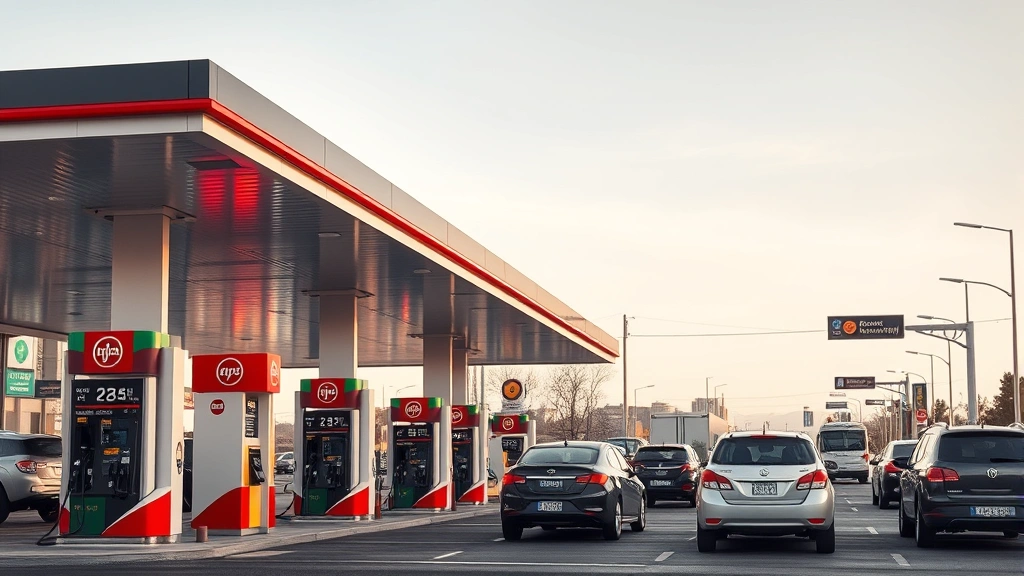
Major Canadian Gas Brands Overview
Canada’s petroleum retail landscape is dominated by several major integrated oil and gas companies that operate extensive networks of service stations across the country. The primary Canadian gas brands include Shell Canada, Petro-Canada, Esso, Chevron, and various independent retailers. Each brand operates hundreds of locations, from urban centers to remote communities, ensuring fuel accessibility for millions of Canadian drivers daily.
Shell Canada operates one of the largest fuel networks, with stations prominently positioned across all provinces. Petro-Canada, a domestically-owned company, maintains significant market share and has invested heavily in modernizing its station infrastructure. Esso, operating under Imperial Oil, continues to serve Canadians with established brand recognition and widespread availability. Chevron’s Canadian presence, though smaller than some competitors, maintains loyal customer bases in key regions.
Understanding the distinctions between these brands involves examining their fuel formulations, additive packages, pricing strategies, and commitment to environmental standards. Many Canadian consumers choose based on loyalty programs, convenience location, or perceived fuel quality differences. However, all major brands must comply with strict Canadian environmental regulations that govern fuel composition and emissions standards.
Independent gas stations and regional brands also play important roles in Canada’s fuel market, often offering competitive pricing and personalized service. These smaller operators frequently source fuel from major refineries but maintain separate branding and customer loyalty programs. The diversity of options available to Canadian consumers reflects a competitive market that encourages innovation and environmental responsibility.

Market Leaders and Their Environmental Commitments
The largest Canadian gas brands have increasingly recognized the importance of environmental stewardship and sustainability. Shell Canada has committed to reducing greenhouse gas emissions across its operations and has invested in renewable energy projects. Petro-Canada has launched initiatives to reduce the carbon intensity of its fuel products and supports alternative energy infrastructure development across Canada.
Esso, under Imperial Oil, continues to develop lower-carbon fuel options and has invested in carbon capture and storage technology. These major brands recognize that consumer preferences are shifting toward more environmentally responsible options, and they’re adapting their business models accordingly. Many have established sustainability targets aligned with Canada’s climate commitments and international environmental standards.
When evaluating Canadian gas brands from an environmental perspective, it’s worth considering their investments in renewable energy, carbon reduction programs, and support for cleaner transportation alternatives. Some brands offer premium fuel formulations with enhanced detergents that can improve engine efficiency and reduce emissions. However, environmental experts emphasize that the most sustainable choice often involves reducing fuel consumption overall through vehicle efficiency improvements.
Looking at the broader context, understanding these brands’ environmental initiatives connects to larger conversations about advantages of electric vehicles and the future of transportation in Canada. Many fuel retailers are now investing in electric vehicle charging infrastructure, recognizing the industry’s transition toward cleaner energy sources. This strategic diversification positions established Canadian gas brands to remain relevant as consumer preferences evolve.
Consumer Satisfaction and Loyalty Programs
Consumer loyalty programs represent a significant differentiator among Canadian gas brands, with each major retailer offering rewards systems designed to encourage repeat purchases. Shell Canada’s Fuel Rewards program provides points on fuel purchases that can be redeemed for discounts or merchandise. Petro-Canada’s PC Optimum program integrates fuel purchases with grocery shopping, allowing customers to accumulate points across multiple spending categories.
Esso’s Speedpass+ offers mobile payment convenience alongside rewards accumulation, appealing to tech-savvy consumers. Chevron’s rewards program similarly provides point-based incentives for fuel purchases. These loyalty programs influence consumer behavior significantly, with many drivers choosing stations based on program membership and accumulated benefits rather than fuel quality alone.
Customer satisfaction surveys consistently rank the major Canadian gas brands based on service quality, station cleanliness, payment convenience, and fuel reliability. Regional preferences vary, with some consumers showing strong loyalty to Petro-Canada due to its Canadian ownership and perceived local commitment. Others prefer Shell or Esso based on historical relationships or specific service station amenities.
Beyond traditional loyalty programs, many Canadian gas brands are enhancing their offerings with convenience services, including prepared food options, car washes, and automotive maintenance services. This expansion into broader retail experiences reflects industry recognition that modern consumers expect service stations to provide more than fuel alone. Station modernization efforts across all major brands have improved customer experiences and environmental sustainability through energy-efficient lighting and water conservation systems.
Regional Availability and Network Coverage
Geographic distribution of Canadian gas brands varies significantly across the country, with some brands maintaining stronger presences in specific regions. Atlantic Canada sees strong competition among all major brands, with Petro-Canada and Esso maintaining particularly extensive networks. Quebec’s market includes all major national brands plus regional competitors that have established customer bases.
Ontario represents the largest market by population, where Shell, Petro-Canada, and Esso compete intensely for market share. The Prairie provinces show strong presence from all major brands, with independent retailers also capturing significant market segments. British Columbia’s fuel market reflects national brand competition alongside regional operators.
For consumers in remote areas, network coverage becomes a critical consideration when choosing a Canadian gas brand. Petro-Canada and Esso maintain particularly extensive rural networks, ensuring fuel availability in communities where smaller competitors cannot sustain operations. This geographic consideration often outweighs other factors for drivers in less densely populated regions.
Understanding regional availability helps inform decisions about which Canadian gas brands make sense for your travel patterns. Frequent long-distance travelers benefit from choosing brands with extensive national networks, ensuring reliable fuel access throughout their journeys. The best gas mileage truck ownership experience improves significantly when you can access your preferred fuel brand conveniently along your regular routes.
Fuel Quality Standards in Canada
All Canadian gas brands must adhere to strict fuel quality standards established by the Canadian government and industry bodies. These standards ensure that gasoline meets specific composition requirements, including octane ratings, volatility specifications, and detergent content. The Government of Canada’s Temporary Marketing Prohibition List regulates fuel additives and ensures consumer protection through rigorous testing.
Major Canadian gas brands typically offer multiple octane grades—regular (87 octane), mid-grade (89 octane), and premium (91-94 octane)—allowing consumers to select fuel appropriate for their vehicle specifications. Premium fuel formulations often include enhanced detergents that help maintain engine cleanliness and optimize fuel economy. However, using premium fuel in vehicles designed for regular fuel provides minimal benefit and represents unnecessary expense.
Fuel quality consistency across Canadian gas brands is remarkably high due to stringent regulatory oversight. Independent testing by consumer organizations and government agencies confirms that major brands deliver comparable fuel quality, with differences primarily in additive packages and premium product offerings. This regulatory environment protects Canadian consumers and ensures environmental compliance across the industry.
Environmental considerations regarding fuel quality extend beyond basic composition to include sulfur content reduction and emissions performance. Canadian fuel standards have progressively tightened to reduce harmful emissions and support cleaner air quality. These improvements represent collaborative efforts between government, industry, and environmental organizations to minimize the environmental impact of vehicular fuel consumption.
Environmental Impact and Sustainability Practices
The environmental impact of choosing among Canadian gas brands extends beyond the fuel itself to encompass corporate sustainability practices and long-term environmental commitments. Leading brands have established targets for reducing operational greenhouse gas emissions, with several committing to net-zero objectives by mid-century. These commitments reflect growing recognition that petroleum retailers must evolve alongside changing consumer values and climate imperatives.
Petro-Canada has invested significantly in renewable diesel production and carbon capture initiatives, positioning itself as an environmentally conscious option among traditional Canadian gas brands. Shell Canada’s renewable energy investments include wind and solar projects that offset fossil fuel operations. Esso’s carbon capture and storage research aims to reduce emissions from fuel production and consumption.
Beyond corporate-level initiatives, individual consumer choices regarding fuel selection contribute to broader environmental outcomes. Selecting a fuel brand that invests in emissions reduction research and renewable energy development represents a meaningful way to support sustainable business practices. However, experts emphasize that fuel selection alone cannot address climate change—broader transportation system changes are essential.
The relationship between fuel choices and environmental responsibility connects directly to conversations about how to reduce your environmental footprint at both personal and community levels. Supporting Canadian gas brands that prioritize sustainability demonstrates consumer demand for environmentally responsible business practices. This market signal encourages continued investment in cleaner technologies and renewable energy alternatives.
Transitioning to Cleaner Fuel Alternatives
While traditional Canadian gas brands continue serving the majority of Canadian drivers, significant transitions toward cleaner fuel alternatives are reshaping the transportation landscape. Electric vehicles represent the most dramatic shift, with major Canadian gas brands now investing in charging infrastructure to remain relevant in this transition. Petro-Canada, Shell, and other established retailers are positioning themselves as energy providers rather than exclusively fuel retailers.
Biodiesel and renewable diesel alternatives offer intermediate solutions for drivers seeking to reduce environmental impact while maintaining conventional vehicle infrastructure. Some Canadian gas brands now offer blended fuels incorporating renewable components, though availability remains limited compared to traditional gasoline. These transitional fuels reduce lifecycle carbon emissions compared to conventional petroleum while requiring minimal vehicle modifications.
Hydrogen fuel cell technology represents another emerging alternative under development in Canada, with pilot projects exploring infrastructure possibilities. While commercial availability remains years away, major energy companies including traditional Canadian gas brands are investing in hydrogen technology research. Understanding these emerging options helps contextualize current fuel choices within the broader energy transition.
The sustainable energy solutions landscape continues evolving rapidly, with transportation representing a critical focus area. Canadian consumers interested in minimizing environmental impact should explore advantages of electric vehicles and assess whether transition to electric propulsion aligns with their driving patterns and infrastructure access. For those continuing with conventional vehicles, selecting Canadian gas brands that actively invest in emissions reduction represents a meaningful interim step.
Making Sustainable Fuel Choices
Selecting among Canadian gas brands with sustainability in mind requires balancing multiple considerations including fuel quality, pricing, environmental commitments, and personal values. Begin by evaluating which brands operate convenient locations within your regular driving patterns, as fuel accessibility often outweighs other factors in practical decision-making. Next, research each brand’s environmental initiatives and corporate sustainability commitments to identify which aligns with your values.
Consider your vehicle’s fuel requirements and optimize fuel selection accordingly—using premium fuel only when specified by manufacturer recommendations ensures cost-effectiveness and environmental efficiency. Maintain your vehicle properly through regular maintenance, as well-maintained engines operate more efficiently and produce fewer emissions regardless of fuel brand selection. Proper tire inflation, regular air filter changes, and engine tuning all significantly impact fuel economy and environmental performance.
Beyond fuel brand selection, examine your overall transportation patterns to identify opportunities for reducing fuel consumption. Consolidating trips, utilizing public transportation, carpooling, and considering active transportation options (cycling, walking) collectively reduce environmental impact far more significantly than fuel brand choices alone. For those with the financial capacity, advantages of electric vehicles present compelling opportunities to eliminate fuel consumption entirely.
When evaluating Canadian gas brands from an environmental perspective, recognize that all traditional fuel retailers operate within an industry fundamentally based on fossil fuel extraction and consumption. Supporting brands that actively invest in transition toward renewable energy and sustainable alternatives represents the most meaningful consumer choice available. Visit the SustainWise Hub Blog for additional resources on sustainable transportation and energy choices.
Your fuel purchasing decisions, while individually modest, collectively signal market demand for environmental responsibility. By consciously selecting Canadian gas brands that prioritize sustainability and supporting the broader transition toward cleaner transportation alternatives, you contribute to systemic change that extends far beyond your personal fuel consumption. This approach integrates practical necessity with environmental values, creating a sustainable transportation strategy aligned with Canada’s climate commitments.
FAQ
Which Canadian gas brand is most environmentally responsible?
Petro-Canada currently leads among traditional Canadian gas brands in environmental commitment, with significant investments in renewable diesel production and carbon reduction initiatives. However, all major brands have established sustainability targets. The most environmentally responsible choice remains reducing overall fuel consumption through vehicle efficiency, maintenance, and transportation pattern optimization.
Are there quality differences between major Canadian gas brands?
All major Canadian gas brands must meet strict Canadian fuel quality standards, ensuring comparable baseline performance. Differences primarily exist in premium product formulations with enhanced detergents. For most vehicles using regular octane fuel, brand differences are negligible. Premium fuel quality variations matter more, but still remain minimal between major brands.
How do loyalty programs affect total fuel costs?
Loyalty programs from major Canadian gas brands typically provide 1-3% savings on fuel purchases when points are optimally utilized. These savings can accumulate significantly over time for high-mileage drivers. However, loyalty program benefits should not override fuel price comparisons—choosing a cheaper competitor brand often provides greater savings than loyalty rewards.
What should I consider when choosing a Canadian gas brand?
When selecting a Canadian gas brand, prioritize convenient location access, fuel pricing, environmental commitments, and loyalty program benefits in order of personal importance. Verify your vehicle’s fuel requirements and avoid premium fuel unless manufacturer-specified. Research each brand’s sustainability practices if environmental impact influences your decision-making.
Are electric vehicles replacing traditional Canadian gas brands?
Electric vehicles are gradually increasing market share, and major Canadian gas brands are adapting by investing in charging infrastructure. However, conventional vehicles will remain dominant for decades, ensuring continued relevance for traditional fuel retailers. The transition represents a gradual evolution rather than abrupt replacement.
Do Canadian gas brands offer renewable fuel options?
Some major Canadian gas brands now offer biodiesel blends and renewable diesel alternatives, though availability remains limited. Petro-Canada has invested particularly heavily in renewable fuel development. Availability varies by location, so check with your preferred brand regarding renewable fuel options in your area.


