Candy Gas Strain: Eco-Friendly or Not? Expert Review
The cannabis industry has experienced explosive growth over the past decade, with specialty strains like Candy Gas capturing consumer attention through distinctive flavor profiles and potent effects. However, as environmental consciousness grows globally, critical questions emerge about the ecological impact of cultivating niche cannabis varieties. Candy Gas strain, a hybrid known for its sweet aroma and energetic effects, represents a microcosm of larger sustainability challenges within the cannabis sector—from water consumption and energy usage to soil degradation and carbon emissions.
Understanding whether the Candy Gas strain production can align with true sustainability principles requires examining cultivation methods, environmental regulations, and emerging eco-conscious practices within the industry. This comprehensive review analyzes the ecological footprint of Candy Gas strain cultivation while exploring actionable solutions for reducing environmental impact.
Understanding Candy Gas Strain Cultivation
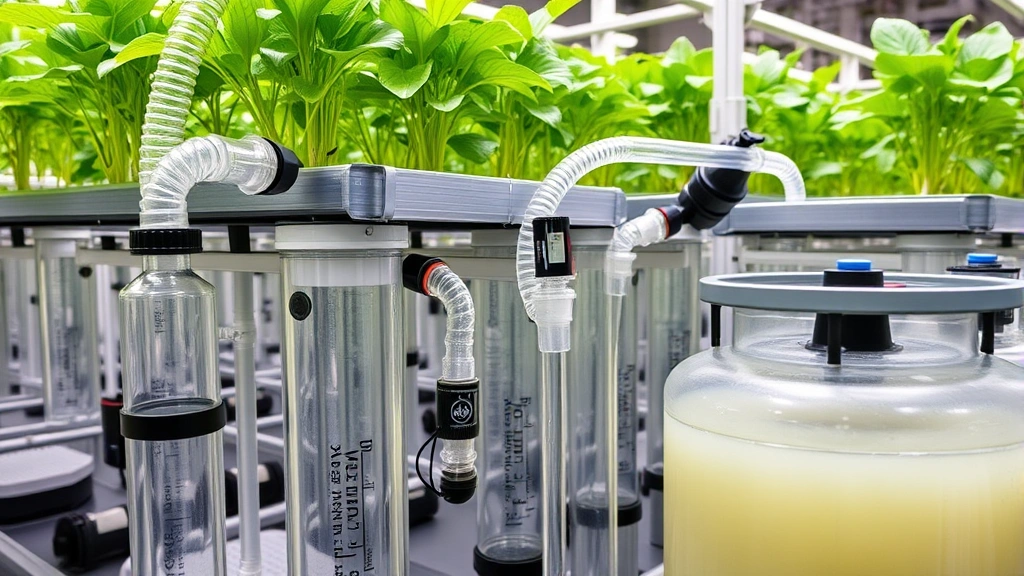
Candy Gas strain represents a carefully engineered hybrid combining genetics selected for specific flavor compounds and cannabinoid profiles. The cultivation of specialty strains like this requires precise environmental controls, consistent nutrient delivery, and optimized lighting conditions—factors that significantly impact resource consumption. Most commercial Candy Gas production occurs in controlled indoor environments rather than outdoor or greenhouse settings, a choice driven by quality consistency and regulatory compliance but one with substantial environmental consequences.
The strain’s popularity in markets with legal cannabis frameworks has created demand for year-round production, necessitating artificial climate control systems that operate continuously. Understanding this baseline context is essential before evaluating whether specific cultivation practices can achieve genuine sustainability. Growers pursuing methods to reduce their environmental footprint must confront these structural realities head-on.
Energy Consumption in Indoor Growing Operations
Indoor cannabis cultivation, the primary method for Candy Gas strain production, consumes extraordinary amounts of electricity. High-intensity discharge lighting, HVAC systems maintaining precise temperature and humidity ranges, and dehumidification equipment operate continuously throughout growing cycles lasting 8-10 weeks. Research indicates that indoor cannabis production requires 4,000-6,000 kilowatt-hours of electricity per kilogram of dried flower—roughly five to ten times more than conventional agriculture.
For Candy Gas specifically, the energy-intensive nature of maintaining optimal growing conditions compounds when growers prioritize terpene preservation and cannabinoid development. LED technology has emerged as a promising alternative, reducing energy consumption by 25-40% compared to traditional lighting systems. However, widespread adoption remains limited by initial capital costs and grower familiarity with established systems. Environmental Protection Agency resources increasingly highlight cannabis cultivation as a significant contributor to regional energy demands, particularly in areas with coal-dependent power grids.
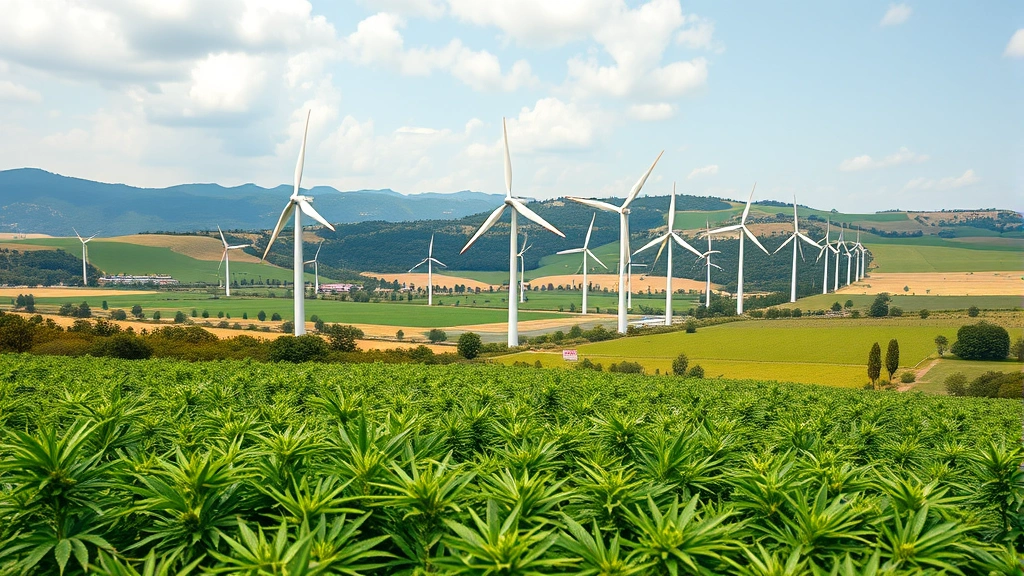
The carbon intensity of electricity powering these operations varies dramatically by region. Facilities operating in areas with renewable energy sources—solar, wind, or hydroelectric power—can reduce their carbon footprint by 50-80% compared to grid electricity from fossil fuel sources. Some progressive cultivators have installed rooftop solar arrays and battery storage systems, achieving partial energy independence while maintaining the controlled conditions Candy Gas production demands.
Water Usage and Environmental Stress
Cannabis cultivation, including Candy Gas strain production, consumes between 25-50 gallons of water per pound of dried flower when accounting for irrigation, nutrient dissolution, and humidity control. Indoor operations typically recirculate water through hydroponic or soil-based systems, yet significant losses occur through evaporation and plant transpiration. In water-scarce regions, this consumption level raises serious concerns about groundwater depletion and competing agricultural demands.
The quality of water used matters equally to quantity. Many cannabis facilities utilize municipal water supplies treated with chlorine and other chemicals that must be filtered or neutralized before use in cultivation. Growers employing advanced green technology innovations have implemented closed-loop water recycling systems, capturing condensation and runoff for reuse. These systems can reduce freshwater consumption by 40-60%, though they require sophisticated filtration and pathogen management to prevent disease spread through recirculated water.
Nutrient runoff presents an additional concern. When Candy Gas cultivation occurs in areas with inadequate wastewater treatment infrastructure, excess nitrogen and phosphorus can contaminate local waterways, creating algal blooms and harming aquatic ecosystems. Organic cultivation methods and precision nutrient dosing systems help minimize this impact, though they increase operational complexity and cost.
Soil Health and Chemical Inputs
While many Candy Gas operations employ hydroponic or soilless systems to maximize control and yield, soil-based cultivation remains common, particularly among smaller producers. Cannabis cultivation depletes soil rapidly, requiring substantial inputs of nitrogen, phosphorus, and potassium to maintain productivity. Synthetic fertilizers offer precise nutrient ratios but contribute to soil degradation, reducing microbial diversity and organic matter content over time.
Organic amendments—compost, worm castings, bone meal—provide slower nutrient release while building soil structure and biological activity. However, sourcing sufficient quantities for commercial operations presents logistical challenges. Some cultivators have adopted regenerative practices, integrating cover cropping and composting systems to restore soil health between growing cycles. These approaches align with comprehensive sustainability guidance available through expert resources, though they reduce planting density and require greater land areas.
Pest and disease management in Candy Gas cultivation traditionally relied on chemical pesticides, many of which persist in soil and groundwater. Integrated pest management (IPM) strategies—employing beneficial insects, botanical extracts, and cultural practices—offer more sustainable alternatives. However, transitioning established operations to IPM requires staff training, patience through initial yield reductions, and acceptance of minor cosmetic imperfections on finished flower.
Carbon Footprint Assessment
Comprehensive life cycle assessments of cannabis cultivation reveal that energy consumption dominates the carbon footprint, typically accounting for 70-85% of total greenhouse gas emissions. For Candy Gas strain specifically, the carbon intensity ranges from 3-8 kilograms of CO2 equivalent per kilogram of dried flower, depending on regional electricity sources and facility efficiency measures. This compares unfavorably to many agricultural products but favorably to some energy-intensive industries.
Transportation and packaging contribute secondary but meaningful emissions, particularly when Candy Gas products are shipped across multiple state or regional boundaries. Sustainable packaging using recycled or compostable materials can reduce this impact. Some forward-thinking producers have begun implementing carbon offset programs, investing in renewable energy projects or reforestation initiatives to neutralize their production emissions.
The carbon footprint calculation becomes more complex when considering displacement effects. If Candy Gas cultivation reduces demand for products with higher environmental impacts, or if legalized cannabis reduces enforcement and incarceration-related emissions, certain carbon accounting frameworks credit these benefits against production impacts. However, most rigorous assessments focus solely on direct cultivation emissions.
Sustainable Cultivation Alternatives
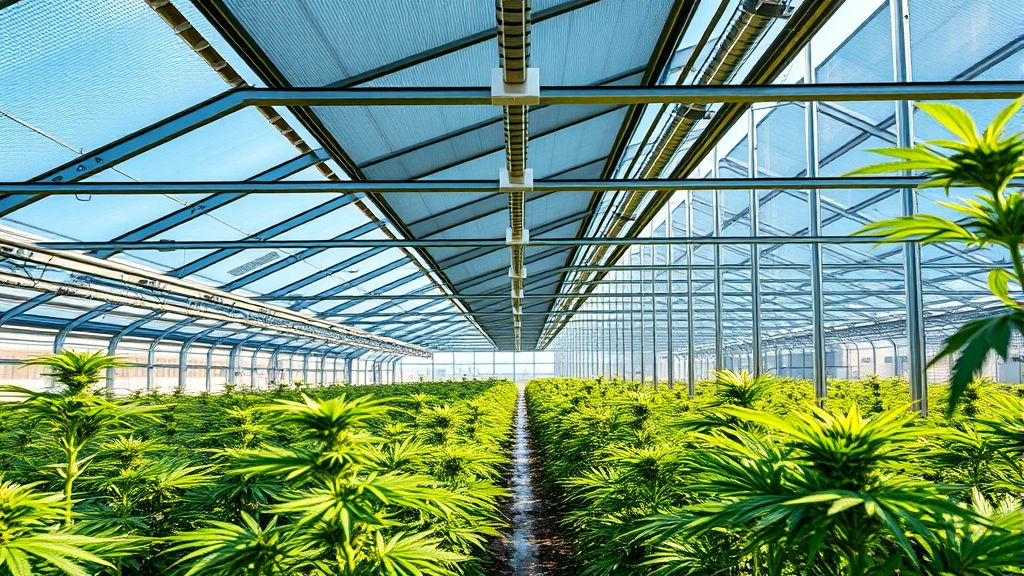
Several cultivation approaches can substantially reduce the environmental impact of Candy Gas strain production. Greenhouse cultivation, utilizing natural sunlight supplemented with artificial lighting during short-day seasons, can reduce energy consumption by 50-70% compared to fully indoor operations. However, maintaining the precise environmental controls Candy Gas requires in greenhouse settings proves challenging, potentially affecting consistency and quality.
Outdoor cultivation eliminates artificial lighting and climate control entirely, reducing energy consumption to near-zero levels. Yet outdoor growing introduces vulnerability to weather variability, pest pressure, and regulatory restrictions in many jurisdictions. Some progressive regions have developed hybrid approaches, utilizing outdoor cultivation during favorable seasons and transitioning to controlled environments during challenging periods. This seasonal flexibility reduces average energy consumption while maintaining reasonable quality consistency.
Advanced technologies offer promising efficiency improvements. Vertical farming systems stack growing layers to maximize space utilization, reducing per-unit facility footprints. LED lighting with spectral tuning allows growers to optimize light wavelengths for specific growth stages, improving energy efficiency and plant response. Artificial intelligence systems now monitor environmental parameters and adjust HVAC operation in real-time, reducing energy waste while maintaining optimal conditions.
Regenerative agriculture principles, traditionally applied to outdoor farming, are increasingly adapted for controlled environment agriculture. These approaches emphasize building soil health, supporting beneficial microbial communities, and reducing external inputs. While challenging to implement at commercial scales, some innovative cultivators have demonstrated that regenerative practices can maintain acceptable yields while significantly improving long-term sustainability metrics.
Regulatory Frameworks and Certification
Cannabis regulatory frameworks vary dramatically by jurisdiction, with limited standardization around environmental requirements. Some states and countries have begun implementing sustainability standards, requiring cultivators to meet energy efficiency benchmarks or demonstrate water recycling systems. These regulations typically address sustainable energy solutions through renewable power mandates or efficiency certifications.
Third-party certification programs have emerged to fill regulatory gaps, offering sustainability labels for cannabis products meeting defined environmental standards. Programs like Clean Green Certified and similar organizations audit cultivation facilities, verifying compliance with sustainability criteria. However, certification adoption remains voluntary and limited, with many producers prioritizing cost minimization over environmental credentials.
The Oregon Cannabis Tracking System represents an example of regulatory infrastructure attempting to balance legalization with environmental protection. Similarly, California’s cannabis regulatory framework increasingly incorporates environmental review requirements. However, enforcement remains inconsistent, and penalties for violations often prove insufficient to motivate meaningful change.
International frameworks addressing cannabis sustainability remain nascent. The United Nations Office on Drugs and Crime has begun examining cannabis cultivation’s environmental impacts, particularly in regions with illegal production causing severe ecosystem damage. Harmonizing environmental standards across jurisdictions would create competitive advantages for sustainable producers while raising baseline environmental performance.
Consumer Responsibility and Choices
Individual consumer decisions collectively drive industry practices, making purchasing choices a powerful sustainability lever. Consumers seeking environmentally responsible Candy Gas products should research producer practices, prioritizing cultivators with documented renewable energy usage, water recycling systems, and organic cultivation methods. Transparency regarding environmental practices remains limited across the industry, but leading producers increasingly publish sustainability reports detailing their impacts and improvement initiatives.
Supporting smaller-scale, local producers often aligns with sustainability goals, as local supply chains reduce transportation emissions while potentially enabling more careful cultivation practices. However, small operations may lack capital for advanced efficiency technologies, creating a paradox where sustainability goals sometimes conflict with efficiency improvements. Consumer education about these trade-offs helps build realistic expectations.
Reducing consumption frequency represents the most direct personal sustainability action. Choosing higher-quality products that provide greater satisfaction from smaller quantities reduces overall environmental impact more effectively than switching between brands. Additionally, proper cannabis storage and use prevents waste, another meaningful contribution to reducing environmental footprint.
Supporting policy advocacy for stronger environmental regulations and sustainability standards helps create market conditions where eco-conscious practices become economically advantageous. Consumer demand for sustainability-certified products provides economic incentives for cultivation innovations and investments in renewable energy systems. Engaging with local cannabis regulatory bodies during comment periods shapes policies that can mandate environmental improvements across entire markets.
FAQ
Is Candy Gas strain more environmentally damaging than other cannabis strains?
Candy Gas strain’s environmental impact depends primarily on cultivation methods rather than the strain itself. Indoor-grown Candy Gas carries similar energy and water demands as other specialty strains. However, growers prioritizing Candy Gas may invest more heavily in environmental controls to preserve its distinctive terpene profile, potentially increasing resource consumption compared to less demanding strains. Outdoor-grown Candy Gas would have minimal environmental impact regardless of genetics.
Can cannabis cultivation ever achieve true sustainability?
Yes, though significant changes are required. Cannabis cultivation can become sustainable through renewable energy adoption, water recycling systems, soil-building practices, and reduced chemical inputs. However, current indoor-focused cultivation models inherently require substantial resources. Shifting toward outdoor and hybrid cultivation approaches, combined with technological efficiency improvements, could enable genuinely sustainable cannabis production at scale.
What certifications should I look for when purchasing sustainable Candy Gas?
Look for third-party certifications from organizations like Clean Green Certified, SunGrown Cannabis, or equivalent regional programs. These organizations verify cultivation practices against defined environmental standards. Additionally, seek producers publishing sustainability reports detailing energy sources, water consumption, waste management, and chemical inputs. Direct communication with producers about their practices provides valuable information beyond formal certifications.
How does cannabis cultivation’s environmental impact compare to alcohol production?
Cannabis cultivation generally requires more energy per unit weight than beer production but less than distilled spirits. However, cannabis’s concentrated potency means smaller quantities deliver equivalent intoxication, potentially reducing overall environmental impact per dose. This comparison becomes complex when considering land use, water consumption, and regional variations in production methods for both industries.
What’s the most impactful change individual consumers can make?
Reducing consumption frequency provides the greatest personal impact, as it directly decreases total environmental demand. Supporting producers implementing renewable energy and water recycling systems creates market incentives for sustainability. Advocating for stronger environmental regulations ensures entire markets shift toward sustainable practices rather than relying on individual producer choices.
The Candy Gas strain represents a case study in modern cannabis cultivation challenges and opportunities. While current production methods typically carry substantial environmental costs, emerging technologies, regulatory frameworks, and consumer demand create genuine pathways toward sustainability. Whether Candy Gas cultivation becomes genuinely eco-friendly depends on industry-wide commitment to innovation and environmental responsibility, supported by consumer choices and regulatory mandates.