Save on CenterPoint Gas Bill: Expert Tips Inside
Managing your CenterPoint gas bill doesn’t have to feel overwhelming. Whether you’re a homeowner in Texas, Indiana, or Oklahoma served by CenterPoint Energy, understanding your billing structure and implementing practical energy-saving strategies can significantly reduce your monthly expenses. The average household can save between 10-30% on heating costs through simple behavioral changes and home improvements, making it worth the effort to optimize your energy consumption.
Energy bills represent one of the largest recurring expenses for many families, yet most people don’t realize how much control they actually have over these costs. By combining smart usage habits with strategic home upgrades, you can take meaningful action toward both financial savings and environmental responsibility. This comprehensive guide will walk you through proven methods to lower your CenterPoint gas bill while supporting your commitment to sustainable living.
Understanding Your CenterPoint Gas Bill
Before you can effectively reduce your CenterPoint gas bill, you need to understand what you’re paying for. Your monthly bill typically consists of several components: the actual natural gas commodity charge (based on therms used), delivery charges, taxes, and various regulatory fees. The commodity portion is where you have the most control, as it directly reflects your consumption.
CenterPoint Energy serves millions of customers across multiple states, and their billing structure may vary slightly by region. Most bills clearly show your current month’s usage compared to the same month from the previous year, which provides valuable context for understanding seasonal variations. Winter months naturally see higher consumption due to heating needs, while summer bills focus primarily on water heating and cooking.
Understanding peak and off-peak usage patterns can help you strategically shift some activities to lower-cost periods. Additionally, many utility companies offer budget billing options that spread your annual costs evenly across twelve months, helping you avoid shocking winter bills. Reviewing your bill regularly allows you to identify trends and catch potential issues early.
You can also explore the sustainable energy solutions available in your area, which may include renewable natural gas or carbon offset programs offered by CenterPoint.
Optimize Your Thermostat Settings
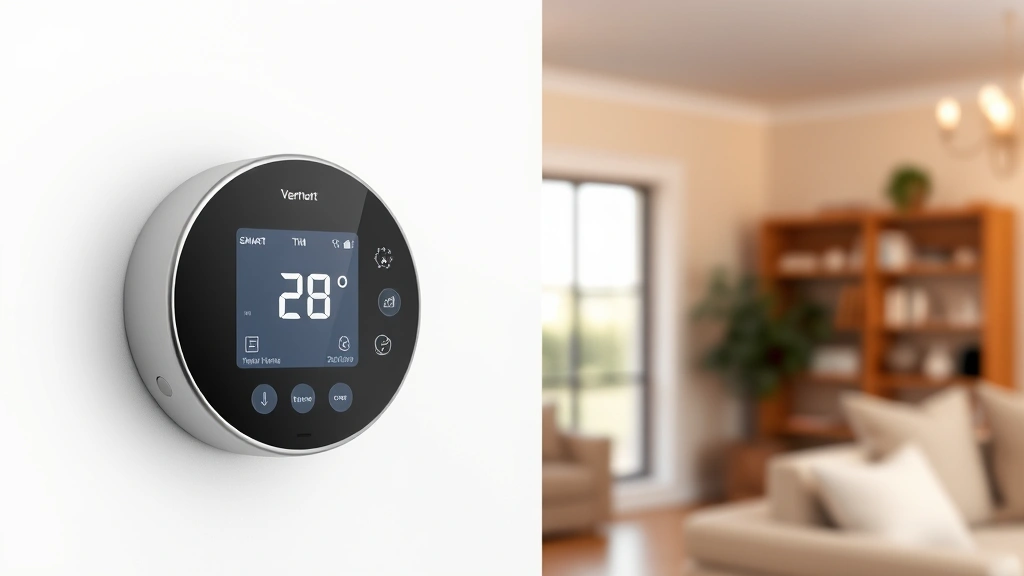
Your heating system is typically responsible for 40-60% of your home’s energy consumption during winter months. Optimizing thermostat settings represents the single most impactful way to reduce your CenterPoint gas bill quickly and with minimal effort. The U.S. Department of Energy recommends setting your thermostat to 68°F (20°C) when home and awake, and lowering it by 7-10 degrees when sleeping or away from home.
Programmable and smart thermostats take this optimization to the next level. These devices learn your schedule and automatically adjust temperatures without requiring manual intervention. Smart thermostats can reduce heating energy consumption by 10-15% annually, translating directly to lower gas bills. Many models provide detailed energy usage reports and recommendations for further optimization.
For every degree you lower your thermostat for eight hours per day, you can save approximately 1-3% on your heating bill. This might seem modest, but over a heating season, these percentages compound significantly. Layering clothing, using blankets, and keeping doors closed to unused rooms helps you feel comfortable at lower temperatures.
Consider installing a natural gas fireplace only if it includes modern efficiency features, as older models can actually waste energy. More importantly, zone heating—where you maintain lower temperatures in unused areas—can yield substantial savings.
Improve Home Insulation and Air Sealing
Poor insulation and air leaks allow heated air to escape your home, forcing your furnace to work harder and increasing your CenterPoint gas bill. Addressing these issues provides long-term savings that compound year after year. The most common areas where heat escapes include attics, basements, windows, doors, and electrical outlets.
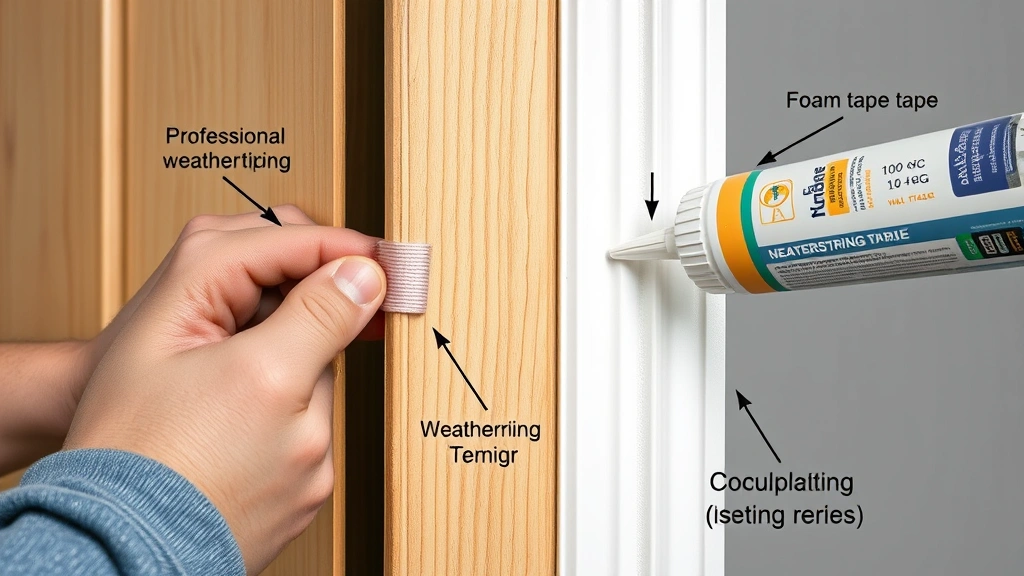
Start with an energy audit to identify problem areas. Many utility companies, including CenterPoint, offer free or subsidized energy audits that use thermal imaging to pinpoint air leaks and insulation deficiencies. Once you identify these areas, weatherstripping around doors and windows costs just $20-50 but can save hundreds annually. Caulking gaps around pipes, electrical penetrations, and trim work addresses less obvious but equally important leakage points.
Attic insulation is particularly crucial since heat rises and escapes through the roof. If your attic insulation is less than 12 inches deep, adding more can significantly reduce heating costs. The R-value needed depends on your climate zone, but most experts recommend R-38 to R-60 for attics in moderate climates. While professional installation costs $1,500-3,000, the energy savings typically pay back this investment within 5-7 years.
Basement insulation and moisture control also merit attention. An uninsulated or poorly insulated basement can lose tremendous heat. Foam board insulation on basement walls, combined with proper vapor barriers, improves comfort and reduces the load on your heating system.
Upgrade to Energy-Efficient Appliances
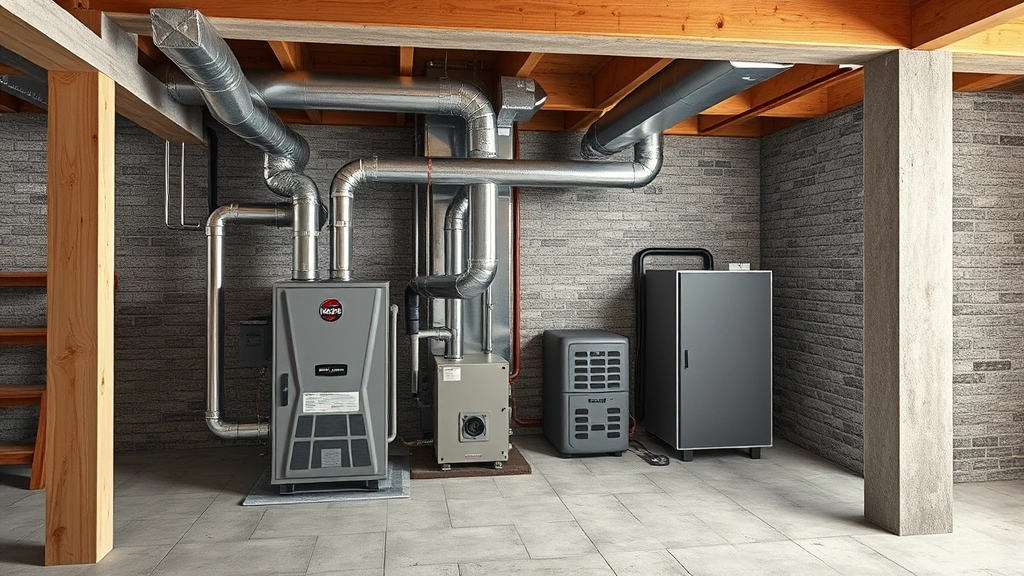
If your furnace, water heater, or cooking appliances are more than 15 years old, upgrading to modern efficient alternatives can dramatically reduce your CenterPoint gas bill. Modern ENERGY STAR certified furnaces operate at 95% efficiency compared to 50-70% efficiency in older models, meaning nearly all your fuel becomes usable heat rather than wasted exhaust.
When replacing a furnace, invest in a unit sized appropriately for your home. Oversized furnaces cycle on and off frequently, wasting energy, while undersized units struggle to maintain comfort. A professional HVAC contractor can perform a load calculation to determine the correct size. High-efficiency models cost $3,000-5,000 installed but save $200-400 annually on gas bills, paying for themselves within 10-15 years.
Water heaters represent the second-largest gas expense in most homes. Upgrading from a standard 40-gallon tank to a tankless water heater can reduce water heating energy consumption by 24-34%. Tankless models heat water on-demand, eliminating standby losses from maintaining a large tank at constant temperature. While the initial investment is $1,500-3,000, the long-term savings justify the expense.
Gas stoves and ovens are generally less efficient than electric alternatives, but if you prefer cooking with gas, ensure your appliances have electronic ignition rather than pilot lights. Pilot lights waste energy continuously throughout the year.
Water Heating Strategies
Beyond upgrading to efficient equipment, behavioral changes around water heating offer immediate savings. Reducing hot water temperature from 140°F to 120°F decreases energy consumption while still providing adequate temperature for most uses. This simple adjustment can save 3-5% on your water heating costs.
Taking shorter showers significantly impacts your CenterPoint gas bill since water heating represents a substantial portion of gas consumption. Reducing shower time from 10 to 5 minutes cuts water heating energy in half. Installing low-flow showerheads (2.0 GPM or less) maintains reasonable pressure while using less water. These inexpensive devices typically cost $15-30 and reduce water heating costs by 25-50%.
Insulating your water heater tank and hot water pipes reduces heat loss as water travels through your home. Water heater blankets cost $20-40 and can save 7-16% of water heating energy. Pipe insulation is equally inexpensive and prevents heat loss in exposed pipes, particularly in unheated spaces like basements or crawl spaces.
Running dishwashers and washing machines with full loads only maximizes efficiency. Hand-washing dishes uses more hot water than modern dishwashers, so using your dishwasher actually saves water and energy. Similarly, washing clothes in cold water whenever possible—which works fine for most loads—eliminates the need to heat water for laundry.
Behavioral Changes for Immediate Savings
Some of the most effective ways to reduce your CenterPoint gas bill require no financial investment, only awareness and habit changes. Closing doors to unused rooms and maintaining lower temperatures in those spaces prevents you from heating areas you’re not occupying. This simple zoning approach can save 10-15% on heating costs.
Using window coverings strategically helps regulate indoor temperature. Closing heavy curtains at night reduces heat loss through windows, while opening them on sunny days allows passive solar heating to warm your home. This approach is particularly effective in climates with significant temperature swings between day and night.
Regular furnace maintenance, including annual inspections and filter changes, ensures your system operates at peak efficiency. A clogged filter forces your furnace to work harder, increasing gas consumption and costs. Changing filters monthly during heating season costs nothing but prevents efficiency losses.
Being mindful of draft-prone areas helps you address problems before they significantly impact your bills. Feel around windows, doors, and electrical outlets for air movement. Caulk or weatherstrip areas where you detect drafts. These simple fixes often take 30 minutes but provide noticeable improvements in comfort and efficiency.
Educating family members about energy-conscious habits ensures everyone contributes to bill reduction. Simple practices like not leaving doors open to the outside, not blocking vents, and closing doors to unused rooms require minimal effort but compound across the household.
CenterPoint Assistance Programs
CenterPoint Energy offers several programs specifically designed to help customers reduce their CenterPoint gas bill. Their budget billing program spreads your annual gas costs evenly across twelve months, eliminating the shock of high winter bills. This helps with budgeting and allows you to better manage household finances.
The company also provides energy efficiency rebates for customers who upgrade to ENERGY STAR certified equipment. These rebates can offset 10-25% of equipment costs, making efficiency upgrades more affordable. Additionally, CenterPoint offers free or low-cost energy audits to identify specific savings opportunities in your home.
Low-income customers may qualify for assistance programs that help pay gas bills and fund efficiency improvements. The Weatherization Assistance Program, funded by the Department of Energy, provides free home improvements including insulation, air sealing, and heating system repairs for eligible households. Contact your local CAA (Community Action Agency) to apply.
CenterPoint also offers online tools and resources, including energy usage comparisons that show how your consumption compares to similar homes in your area. This benchmarking helps you understand whether your usage is typical or if you should focus on additional efficiency measures. Visit the company’s website or call their customer service to learn about all available programs.
Consider Renewable Energy Alternatives
While natural gas will likely remain part of your energy mix for heating and cooking, exploring sustainable energy solutions can further reduce your environmental impact and long-term energy costs. Some CenterPoint customers have the option to purchase renewable natural gas or carbon offsets, which support sustainability initiatives while using the same natural gas infrastructure.
Solar thermal systems can supplement your water heating, reducing natural gas consumption. These systems capture solar energy to heat water, reducing the load on your gas water heater. In sunny climates, solar thermal systems can provide 50-80% of your annual water heating energy, significantly lowering your CenterPoint gas bill.
Heat pumps represent another alternative, particularly for customers willing to switch away from natural gas entirely. Modern air-source heat pumps can heat homes efficiently even in cold climates, though they require electricity rather than gas. The definition of sustainability includes considering the full lifecycle and source of your energy, making renewable electricity-powered heat pumps increasingly attractive as grids transition to cleaner sources.
Exploring these alternatives aligns with SustainWise Hub Blog content about environmental responsibility. Even if you’re not ready to eliminate natural gas entirely, combining efficiency improvements with renewable energy options creates a comprehensive strategy for reducing both bills and carbon footprint.
For vehicle owners, considering how your transportation choices impact overall energy consumption matters too. If you use gas for both home heating and vehicle fuel, exploring best gas mileage truck options or transitioning to electric vehicles reduces your total energy expenses and environmental impact.
FAQ
How much can I realistically save on my CenterPoint gas bill?
Most households can save 10-30% through a combination of behavioral changes and efficiency improvements. Quick wins like optimizing thermostat settings, weatherstripping, and fixing air leaks might save 10-15% immediately. Adding insulation, upgrading appliances, and installing a smart thermostat can push savings to 25-30% over time. Your actual savings depend on your current home efficiency, climate, and how consistently you implement recommendations.
What’s the best first step to reduce my gas bill?
Request a free energy audit from CenterPoint Energy. This identifies your home’s specific efficiency problems without any cost. Based on the audit results, prioritize the highest-impact, lowest-cost improvements first. Usually, this means weatherstripping, caulking air leaks, and adjusting thermostat settings before investing in major upgrades.
Should I invest in a smart thermostat?
Yes, if you’re willing to spend $200-400. Smart thermostats typically pay for themselves within 1-2 years through energy savings. Beyond the financial return, they provide convenience and detailed energy insights that help you make informed decisions about further improvements.
Is tankless water heater installation worth the cost?
Tankless water heaters cost more upfront ($1,500-3,000 installed) but reduce water heating energy consumption by 24-34%. If you have a family with high hot water demand, the payback period is typically 7-10 years, making it a worthwhile investment. For smaller households with lower hot water usage, the payback takes longer.
Can I reduce my gas bill without making major home improvements?
Absolutely. Behavioral changes alone—lowering your thermostat, taking shorter showers, using cold water for laundry, and closing doors to unused rooms—can save 10-15% without any financial investment. These changes take discipline but provide immediate results.
Does CenterPoint offer bill assistance for low-income customers?
Yes. CenterPoint customers may qualify for assistance programs including budget billing, low-income bill payment assistance, and the Weatherization Assistance Program. Contact CenterPoint directly or your local Community Action Agency to learn about eligibility and apply for available programs.
How often should I have my furnace serviced?
Annual furnace inspections and maintenance before the heating season ensure optimal efficiency and performance. Regular filter changes—typically monthly during heating season—are essential. Professional servicing costs $150-300 annually but prevents efficiency losses and extends your furnace’s lifespan.


