Charcoal vs Gas Grills: Lowe’s Expert Comparison for Sustainable Grilling
When it comes to outdoor cooking, choosing between charcoal and gas grills is one of the most important decisions you’ll make. Both options have distinct advantages and environmental considerations that impact not only your grilling experience but also your household’s carbon footprint. Whether you’re shopping at Lowe’s or exploring options elsewhere, understanding the differences between these two grilling methods helps you make an informed choice aligned with your sustainability goals and lifestyle preferences.
The great grilling debate has been ongoing for decades, with passionate advocates on both sides. Charcoal enthusiasts praise the authentic smoky flavor and traditional cooking experience, while gas grill supporters appreciate convenience and efficiency. However, from an environmental and practical standpoint, the comparison extends far beyond taste preferences. This comprehensive guide examines every aspect of charcoal versus gas grills to help you determine which option best suits your needs, budget, and values.
Environmental Impact Comparison
The environmental implications of charcoal versus gas grills represent a critical consideration for eco-conscious consumers. Charcoal production involves harvesting wood and converting it through a carbonization process, which requires significant energy input. However, charcoal can be sourced sustainably from responsibly managed forests, and many manufacturers now offer FSC-certified charcoal that ensures minimal environmental damage. When you explore sustainability topics on our main blog, you’ll discover that the sourcing method matters tremendously.
Gas grills, typically powered by propane or natural gas, produce fewer particulate emissions compared to charcoal. Propane is a fossil fuel with a relatively low carbon footprint per unit of energy produced, making it a cleaner-burning option. Natural gas, when available, represents an even more efficient choice. Understanding natural gas versus propane differences helps you select the most sustainable fuel option available in your area. Both fuels produce carbon dioxide during combustion, but the efficiency of gas grills means less fuel consumption overall.
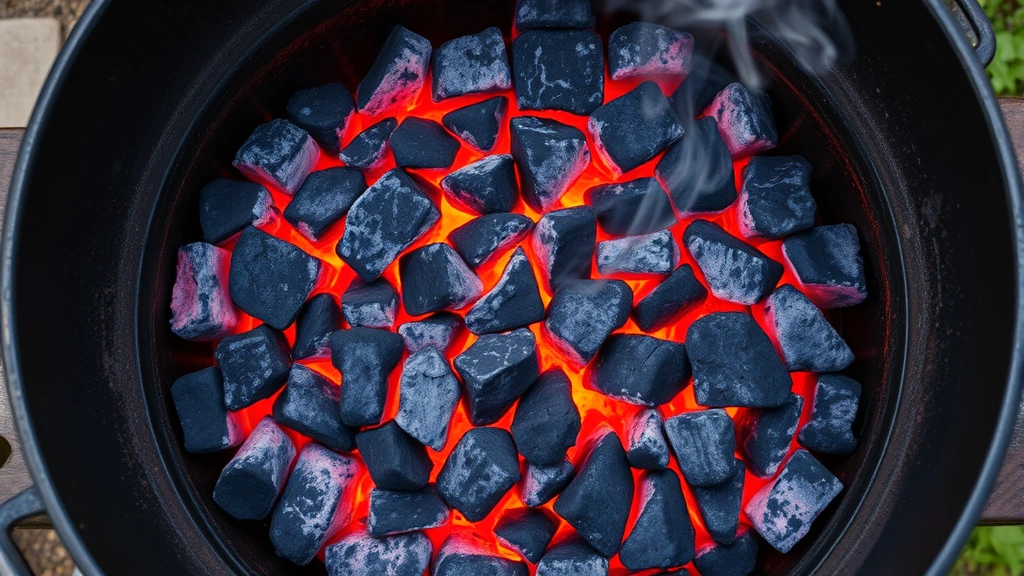
Charcoal grilling produces more smoke and airborne particulates, which can contribute to local air quality issues. However, the carbon sequestered in charcoal during tree growth partially offsets its combustion emissions—a concept known as carbon neutrality when sustainably sourced. Gas grills eliminate this smoke production entirely, making them better for air quality in densely populated neighborhoods. The lifecycle analysis reveals that gas grills typically have a lower overall carbon footprint when accounting for fuel production, transportation, and combustion efficiency.
Consider also the packaging and disposal aspects. Charcoal bags contribute to landfill waste, though many are recyclable or compostable. Gas cylinders are refillable and recyclable, reducing waste generation over time. When evaluating your grilling choice through an environmental lens, examine the entire supply chain, not just the combustion process.
Fuel Efficiency and Operating Costs
Operating costs significantly influence the long-term value proposition of your grilling investment. Gas grills demonstrate superior fuel efficiency, converting approximately 60-70% of fuel energy into cooking heat, while charcoal grills operate at roughly 25-35% efficiency. This means gas grills require less fuel to reach and maintain cooking temperatures, translating directly to lower operating expenses over time.
Propane costs vary seasonally and geographically, but a typical 20-pound propane tank costs $15-25 when refilled and lasts 4-8 hours of grilling, depending on usage intensity. A family grilling twice weekly might spend $50-100 monthly on propane during grilling season. Charcoal expenses fluctuate based on quality and sourcing; a 20-pound bag costs $8-15 and typically provides 4-6 hours of cooking time. However, charcoal requires more frequent replacements, potentially matching or exceeding gas costs for regular grilling households.
Initial equipment investment differs substantially between the two options. Entry-level charcoal grills available at Lowe’s start around $50-150, making them accessible for budget-conscious consumers. Mid-range and premium charcoal models range from $200-800. Gas grills generally cost more upfront, with basic models starting at $200-300 and quality options ranging from $500-2000 or more. The cost-benefit analysis depends on your grilling frequency and long-term commitment to outdoor cooking.
When examining sustainable energy solutions, efficiency becomes paramount. Gas grills’ superior efficiency means lower fuel consumption and reduced energy waste. Over a decade of regular use, the fuel savings from a gas grill could offset its higher initial purchase price. Additionally, many modern gas grills feature electronic ignition systems that eliminate the need for lighter fluid or matches, reducing accessory expenses and waste.
Heat Control and Cooking Performance
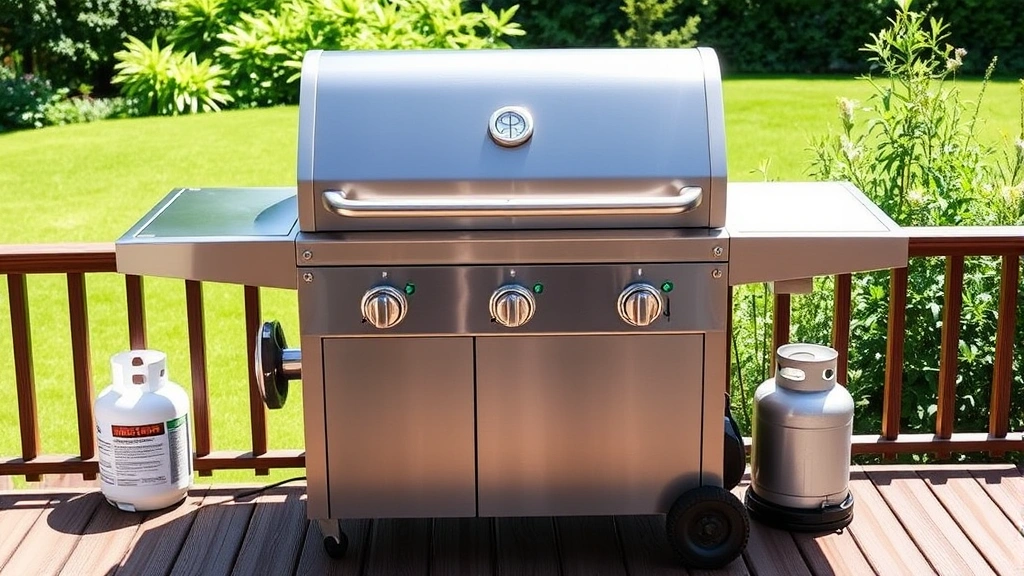
Precise temperature control represents one of the most significant practical differences between charcoal and gas grills. Gas grills excel in this regard, offering instant heat adjustment through simple knob controls. Most gas grills feature multiple burners with independent temperature zones, enabling simultaneous cooking of different foods at varying temperatures—essential for sophisticated outdoor cooking.
Charcoal grills require more skill and experience to manage heat effectively. Temperature adjustments involve moving charcoal, adjusting vents, and waiting for the grill to respond to changes—a process taking 10-15 minutes. However, this challenge appeals to grilling purists who view the technique as part of the authentic experience. Charcoal’s longer heat retention and higher peak temperatures create superior searing capability, particularly valuable for steaks and chops.
Flavor profiles differ distinctly between the two methods. Charcoal imparts a rich, smoky taste that many enthusiasts consider superior for traditional barbecue. The wood smoke compounds that develop during charcoal combustion create complex flavor notes impossible to replicate with gas. Conversely, gas grills provide cleaner heat without smoke, allowing meat’s natural flavors to shine without overpowering additions. Some gas grill users employ smoker boxes or wood chips to approximate charcoal’s flavor profile.
Cooking versatility extends beyond simple heat management. Charcoal’s radiant heat distributes differently than gas’s direct flame, affecting cooking results. Charcoal excels for low-and-slow smoking applications, while gas grills handle rapid, high-heat searing more efficiently. Professional pitmasters often prefer charcoal for extended smoking sessions where precise temperature maintenance over 8-12 hours demands attention and adjustment.
Setup, Maintenance, and Durability
Convenience factors heavily into modern grilling decisions. Gas grills offer superior ease of use—simply connect the fuel tank, ignite electronically, and begin cooking within minutes. No charcoal preparation, lighter fluid, or waiting for coals to reach optimal temperature. This accessibility makes gas grills ideal for busy families and those seeking quick weeknight cooking solutions. The learning curve for gas grill operation is minimal, making them perfect for novices.
Charcoal grill setup requires more preparation. You must arrange charcoal, use lighter fluid or a charcoal chimney, wait 15-20 minutes for coals to reach proper temperature, and manage airflow throughout cooking. This extended startup time demands planning and patience. However, many enthusiasts appreciate this ritualistic aspect and view the preparation as part of the grilling experience rather than an inconvenience.
Maintenance requirements differ substantially. Gas grills need regular cleaning of grates and firebox, occasional burner inspection, and annual professional servicing for optimal safety and performance. The electronic ignition system requires occasional battery replacement. Propane tanks need inspection and refilling, though many retailers handle this conveniently. Gas grills typically last 7-10 years with proper maintenance.
Charcoal grills demand less mechanical maintenance since they lack burners, ignition systems, and complex components. However, ash accumulation requires regular cleaning, and rust prevention demands protective covering and occasional maintenance. Charcoal grills generally outlast gas models, with quality units lasting 15-20 years or longer. The simpler construction means fewer components to fail, though the cooking grate and thermometer may require eventual replacement.
Weather resistance and durability considerations matter for long-term value. Premium stainless steel gas grills resist rust effectively but command higher prices. Charcoal grills, even basic models, often feature durable construction that withstands weather exposure. However, rust protection through paint or coating requires regular maintenance. When comparing ways to reduce your environmental footprint, durability directly impacts sustainability—longer-lasting equipment requires less frequent replacement and generates less waste.
Health and Safety Considerations
Health implications of charcoal versus gas grilling merit careful consideration. Charcoal combustion produces carbon monoxide, requiring outdoor use only and proper ventilation. The smoke generated contains compounds that, while contributing to flavor, also contain polycyclic aromatic hydrocarbons (PAHs) and heterocyclic amines (HCAs) when charring meat at high temperatures. These compounds have been associated with health concerns in some research, though moderate grilling consumption poses minimal risk for most people.
Gas grills produce primarily carbon dioxide and water vapor during clean combustion, eliminating smoke-related health concerns. The cleaner burn means no PAH formation from smoke itself, though high-temperature searing still produces some HCAs regardless of fuel type. From a pure air quality perspective, gas grilling presents fewer respiratory irritants and indoor air quality concerns, particularly important for individuals with asthma or respiratory sensitivities.
Safety considerations extend beyond combustion byproducts. Propane and natural gas require proper handling and connection to prevent leaks. Regular inspection of hoses, connections, and tanks ensures safe operation. Charcoal grills, lacking pressurized fuel systems, eliminate explosion risks associated with gas. However, charcoal’s slower heat-up time and longer cooking duration increase burn injury risks if proper precautions aren’t maintained.
Both grilling methods require appropriate placement away from structures, proper ventilation, and adherence to local fire codes. Many communities restrict charcoal grilling in apartments or condominiums due to smoke concerns, while gas grills face fewer restrictions. Check your local regulations before purchasing, as restrictions may influence your choice significantly.
Lowes Grill Selection and Pricing
Lowe’s offers extensive selections of both charcoal and gas grills across multiple price points and brands. Understanding the available options helps you make informed purchasing decisions aligned with your budget and cooking preferences. The retailer stocks popular brands including Weber, Char-Broil, Masterbuilt, Traeger, and numerous others, each offering distinct advantages.
Charcoal grills at Lowe’s range from budget-friendly kettle models ($50-150) to premium ceramic kamado-style grills ($500-1500). Weber’s iconic 22-inch kettle grill, available at most Lowe’s locations, represents the industry standard for charcoal grilling at approximately $100-150. Ceramic grills like Big Green Egg alternatives offer superior insulation and temperature control, commanding premium prices but delivering exceptional longevity and versatility. Barrel smokers and offset firebox designs cater to serious barbecue enthusiasts willing to invest in specialized equipment.
Gas grill selection encompasses propane-powered portable models ($200-400), built-in stainless steel units ($800-2500), and everything between. Lowe’s carries brands like Char-Broil, Napoleon, and Broil King, each offering distinct feature sets. Three-burner models provide excellent value for families, while four-burner and larger units suit entertaining and bulk cooking. Consider side burners for sauce preparation, rotisserie compatibility for whole-bird cooking, and integrated thermometers for temperature monitoring.
Hybrid grills combining charcoal and gas capabilities represent an interesting middle ground, though they cost more and occupy additional space. These versatile units let you enjoy both fuel types’ advantages, though they sacrifice some specialization compared to dedicated models. Lowe’s selection of hybrids remains limited but growing as manufacturers recognize consumer interest.
When shopping at Lowe’s, examine construction materials carefully. Stainless steel construction resists rust but increases cost. Painted steel requires more maintenance but costs less initially. Cast iron grates provide superior heat retention and durability compared to cheaper alternatives. Thermometer accuracy matters for consistent cooking results. Compare warranty offerings, as longer warranties indicate manufacturer confidence in product longevity.
Seasonal sales at Lowe’s offer substantial discounts on grills, particularly during spring and early summer. Shopping during off-season clearance events (late August through September) can yield 30-50% savings. Sign up for Lowe’s email notifications to catch sales and exclusive discounts. Consider financing options if purchasing premium models, as many retailers offer promotional financing for major appliance purchases.
When evaluating green technology innovations, some manufacturers now produce grills with recycled materials and sustainable manufacturing practices. Research brand environmental commitments and manufacturing transparency. A few progressive companies publish sustainability reports detailing their supply chains and carbon reduction initiatives.
FAQ
Which grill is better for the environment—charcoal or gas?
Gas grills typically have a lower overall environmental impact due to superior fuel efficiency and reduced emissions. However, sustainably sourced charcoal from FSC-certified suppliers can be competitive environmentally. The decision depends on your specific circumstances, local fuel availability, and sourcing practices. Calculating your personal carbon footprint based on grilling frequency and fuel sources provides the most accurate comparison.
How long do charcoal and gas grills last?
Quality charcoal grills often outlast gas models, with lifespans of 15-20 years or longer due to simpler construction. Gas grills typically last 7-10 years, though premium stainless steel models may reach 15 years with proper maintenance. Durability depends heavily on construction quality, maintenance consistency, and weather exposure protection.
Can I use a charcoal grill in an apartment?
Most apartments and condominiums restrict charcoal grilling due to smoke concerns and fire codes. Check your lease and local regulations before purchasing. Gas grills face fewer restrictions, though some properties prohibit them as well. Electric grills or small portable gas models often represent compliant alternatives for apartment dwellers.
What’s the best grill for a beginner?
Gas grills suit beginners best due to ease of use, instant ignition, and straightforward temperature control. A basic three-burner propane grill from Lowe’s provides excellent value and learning platform. If you prefer charcoal’s traditional appeal, invest in a quality kettle grill like Weber’s iconic model and dedicate time to mastering heat management techniques.
How often should I clean my grill?
Clean gas grill grates after every use while warm for optimal performance and food safety. Deep cleaning monthly prevents grease buildup and potential flare-ups. Charcoal grills require ash removal after cooking and occasional grate scrubbing. Both types benefit from annual professional inspection and maintenance, particularly before heavy-use seasons.
Can I convert a charcoal grill to gas?
Converting charcoal grills to gas is generally not recommended and often voids warranties. Some specialized conversion kits exist, but results are typically inferior to purpose-built gas grills. Investing in a dedicated gas grill provides better performance, safety, and reliability than attempting conversion.
What fuel is cheaper—charcoal or propane?
Propane typically costs less per cooking session due to gas grills’ superior efficiency, though prices vary regionally and seasonally. Calculate your specific costs based on local fuel prices and your usage patterns. Over annual seasons, differences may be minimal, making fuel cost a secondary consideration compared to convenience and cooking preferences.