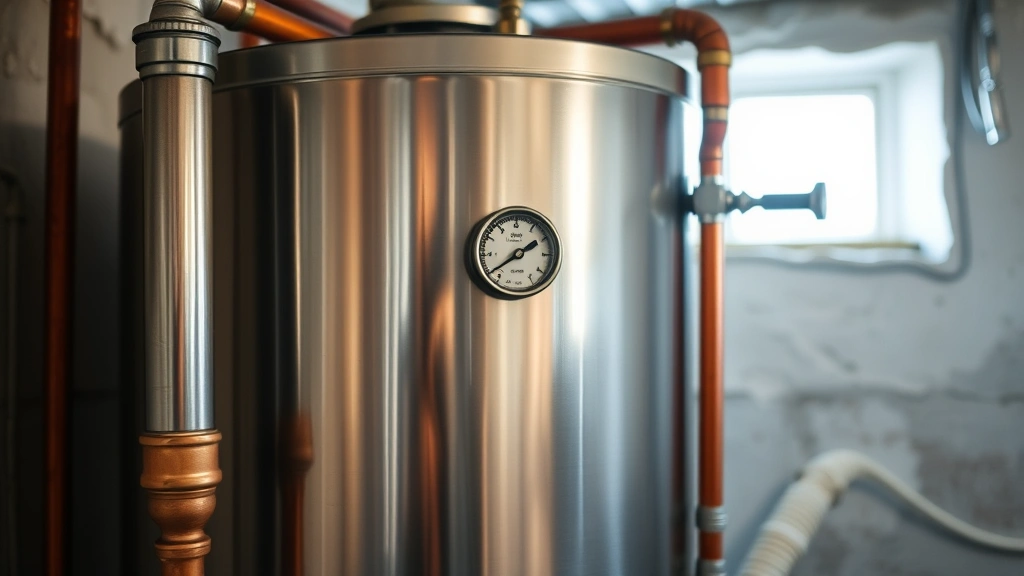
Affordable 40-Gallon Gas Water Heaters: Expert Tips for Budget-Conscious Homeowners
Finding an affordable 40-gallon gas water heater doesn’t mean sacrificing quality or efficiency. Whether you’re replacing an aging unit or upgrading your home’s hot water system, understanding your options can save you hundreds of dollars upfront while reducing long-term energy costs. Gas water heaters remain one of the most economical choices for households, offering faster recovery times and lower operating expenses compared to electric alternatives.
In this comprehensive guide, we’ll explore everything you need to know about purchasing cheap 40-gallon gas water heaters, including how to identify quality budget models, installation considerations, maintenance tips, and strategies to maximize your investment’s lifespan. By the end, you’ll have the knowledge to make an informed decision that balances affordability with reliability.
Why 40-Gallon Gas Water Heaters Are Cost-Effective
The 40-gallon capacity represents the sweet spot for most American households. According to the U.S. Department of Energy, this size accommodates typical family water usage patterns without excessive energy waste. A family of three to four people can comfortably manage with a 40-gallon unit, making it an economical choice for medium-sized homes.
Gas water heaters operate more efficiently than their electric counterparts because natural gas burns hotter and faster, delivering hot water more quickly. This rapid recovery time means you use less fuel overall, translating to lower monthly utility bills. The advantages of natural gas extend beyond immediate cost savings—many homeowners appreciate the reliability and performance characteristics that make gas systems preferable for continuous hot water demand.
When shopping for budget options, you’ll notice price variations ranging from $300 to $800 depending on features and brand reputation. Understanding where to invest your money and where to economize helps you secure the best value without compromising essential functionality.
The renewable or nonrenewable nature of natural gas influences some homeowners’ decisions, but for those committed to gas heating, selecting an efficient model remains crucial for environmental responsibility and cost management.
Key Features to Look for in Budget Models
When evaluating affordable 40-gallon gas water heaters, certain features separate quality budget models from problematic bargains. Understanding these distinctions prevents costly mistakes and ensures your investment delivers reliable performance for years.
Tank Material and Insulation: Look for units with thick steel tanks lined with glass or ceramic coating to resist corrosion. Budget models sometimes compromise here, but adequate tank protection directly impacts longevity. Quality insulation (typically 1.5 to 2 inches of foam) minimizes heat loss and reduces standby energy consumption—this feature pays dividends over time through lower utility bills.
Burner Efficiency: The burner’s design determines how effectively natural gas converts to heat. Efficient burners achieve 80-85% efficiency ratings, meaning more heat reaches your water and less escapes through the flue. Even budget models should meet these baseline standards.
Thermostat Control: Accurate temperature regulation prevents scalding and energy waste. Gas control valves with precise thermostats maintain water at your desired temperature without excessive reheating cycles. This seemingly minor feature significantly impacts both safety and efficiency.
Safety Features: Pressure relief valves, temperature and pressure gauges, and flame rollout switches are non-negotiable. These protect your home and family from dangerous situations. Never compromise on safety features to save money upfront.
Recovery Rate: This measures how quickly the unit heats a full tank of cold water. Budget gas heaters typically recover 70-80 gallons per hour—adequate for most households but worth confirming matches your family’s peak usage times.
Warranty Coverage: Budget brands often provide shorter warranties (3-6 years on tanks, 1 year on parts) compared to premium options. However, even limited warranties protect against manufacturing defects during critical early years.
Top Affordable Options and Brands
Several reputable manufacturers offer quality 40-gallon gas water heaters at budget-friendly prices. These brands balance affordability with reliability, making them excellent choices for cost-conscious homeowners.
Rheem Performance Plus: Rheem’s budget line delivers solid performance without premium pricing. Their 40-gallon gas models feature durable construction, reasonable warranties, and parts availability. Typically priced between $400-$550, these units offer good value for homeowners prioritizing reliability.
State Water Heaters: State brand units are known for straightforward design and dependable operation. Their 40-gallon gas models perform well in standard applications with prices generally ranging from $350-$500. These heaters are popular among contractors and homeowners alike.
Kenmore Gas Water Heaters: Often available through Sears or online retailers, Kenmore’s budget gas heaters provide decent performance at competitive prices ($400-$600). While warranties may be modest, the units themselves are solidly constructed.
GE Appliances: GE’s entry-level gas water heaters combine affordability with brand recognition. Their 40-gallon models typically cost $450-$650 and include basic efficiency features and adequate warranty coverage.
American Water Heater Company: This brand specifically targets budget-conscious consumers with no-frills but functional designs. Prices often fall below $400, making them among the cheapest options available while maintaining acceptable quality standards.
When comparing these brands, check current prices across multiple retailers—online stores, home improvement chains, and local suppliers often have varying rates. Seasonal promotions, bundle deals, and contractor discounts can reduce costs further.
Installation and Setup Considerations
Proper installation determines whether your affordable water heater performs optimally or encounters premature problems. Understanding installation requirements helps you make informed decisions about professional services versus DIY approaches.
Professional Installation Benefits: Licensed plumbers ensure correct gas line connections, proper venting, adequate clearances, and code compliance. This expertise prevents dangerous situations and protects your warranty. Most professional installations cost $300-$600 but provide peace of mind and proper system configuration.
Venting Requirements: Gas water heaters must safely exhaust combustion byproducts through proper venting systems. Budget models typically use standard metal vent pipes, which must slope correctly and connect to appropriate exhaust pathways. Improper venting causes dangerous carbon monoxide accumulation and system malfunction.
Gas Line Connections: Natural gas connections require precise pressure regulation, proper sediment trap installation, and leak testing. These technical aspects demand professional expertise—incorrect gas connections pose serious safety risks.
Water Line Integration: Connecting inlet and outlet lines seems simple but requires proper shutoff valve installation, sediment trap placement, and appropriate pipe materials. Quality connections prevent leaks and system damage.
Permit and Code Compliance: Many jurisdictions require installation permits and inspections for water heater replacement. Professional installers navigate these requirements, ensuring your system meets all local codes. Attempting DIY installation without permits can void warranties and create legal liability.
While professional installation increases upfront costs, it protects your investment and ensures safe, efficient operation. For homeowners lacking plumbing expertise, this expense is justified.
Maintenance Tips to Extend Lifespan
Regular maintenance significantly extends your affordable water heater’s operational life, maximizing your investment’s value. Simple, preventive actions prevent costly repairs and maintain efficiency.
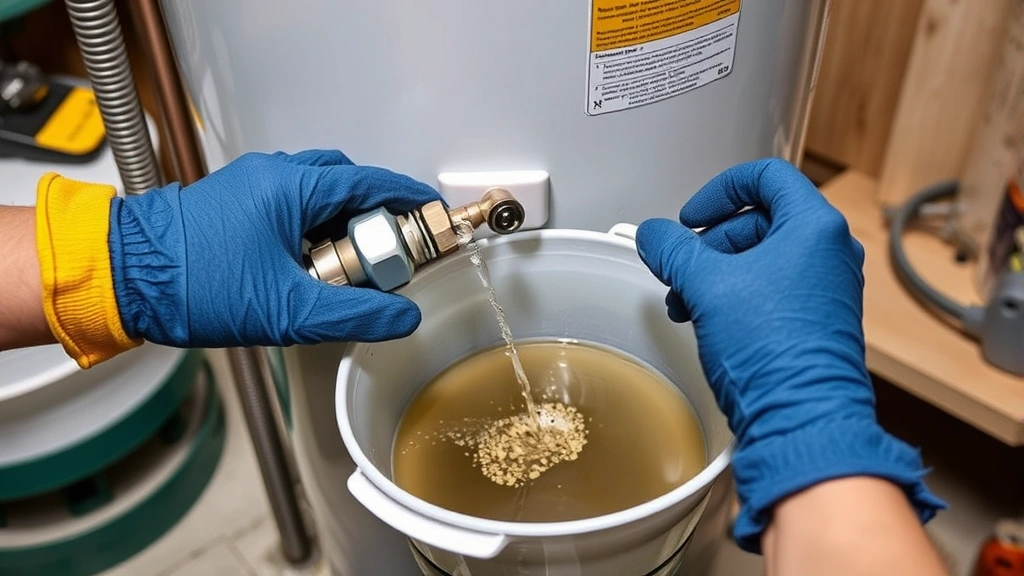
Annual Flush and Sediment Removal: Minerals accumulate in the tank bottom, reducing heating efficiency and promoting corrosion. Flushing annually removes this sediment. Attach a garden hose to the drain valve, direct water to an appropriate drain, and let several gallons flow until water runs clear. This 15-minute task prevents major problems.
Anode Rod Inspection: The sacrificial anode rod corrodes instead of the tank, protecting structural integrity. Inspect it every 1-2 years and replace when 50% corroded. This inexpensive maintenance ($30-$50) prevents tank failure.
Temperature and Pressure Relief Valve Testing: Monthly, lift the relief valve’s lever slightly—water should discharge, then stop when you release it. This confirms the safety mechanism functions properly. If it doesn’t respond correctly, replacement is necessary.
Thermostat Calibration: Verify water temperature matches thermostat settings. If significant discrepancies exist, have a professional recalibrate or replace the thermostat. Proper temperature prevents scalding and unnecessary energy consumption.
Exterior Inspection: Monthly checks for leaks, corrosion, or unusual sounds catch problems early. Small leaks from connections often require simple tightening or new washers—addressing them promptly prevents major damage.
Vent System Clearance: Ensure nothing blocks the exhaust vent. Obstructions cause dangerous gas accumulation and system inefficiency. Keep the area around your water heater clear of debris and flammable materials.
Energy Efficiency and Long-Term Savings
While purchasing a cheap 40-gallon gas water heater saves money initially, operational efficiency determines true long-term value. Understanding energy consumption and implementing efficiency strategies maximizes savings.
The practical tips for saving energy at home extend to water heating. Lowering your water heater thermostat to 120°F prevents scalding while reducing standby heat loss. Each 10-degree reduction saves approximately 3-5% on water heating costs.
Insulation Improvements: Wrapping the tank with an insulation blanket (R-24 minimum) reduces standby losses by 24-45%. These inexpensive kits cost $15-$30 and provide quick payback through reduced energy consumption.
Pipe Insulation: Insulating hot water pipes reduces heat loss during distribution, ensuring more hot water reaches fixtures faster. This simple upgrade costs $10-$20 and noticeably improves efficiency.
Fixture Upgrades: Low-flow showerheads and faucet aerators reduce hot water consumption without sacrificing performance. These $5-$15 upgrades significantly decrease overall water heating demands.
Usage Optimization: Simple behavioral changes—shorter showers, full loads for dishwashers, and timing water use—reduce consumption without sacrificing comfort. These free adjustments compound over time.
According to the U.S. Department of Energy, water heating accounts for approximately 17% of residential energy use. Optimizing this system through efficiency measures delivers substantial savings, potentially offsetting initial purchase price within 2-3 years.
Comparing Gas vs. Other Water Heating Methods
While this guide focuses on gas heaters, understanding alternatives helps confirm gas remains your best choice or identifies superior options for your situation.
Electric Water Heaters: Electric models cost less upfront ($200-$400) but consume more energy, resulting in higher operating costs. They recover more slowly and struggle with high-demand scenarios. Monthly utility bills typically run 30-50% higher than gas equivalents, making them more expensive long-term despite lower purchase prices.
Tankless Gas Water Heaters: These provide unlimited hot water without storage tanks, reducing energy waste. However, they cost significantly more ($1,500-$3,000 installed) and require specialized venting and gas line upgrades. While they achieve superior efficiency, the investment exceeds most budget-conscious homeowners’ comfort level.
Heat Pump Water Heaters: These highly efficient systems cost $1,200-$2,500 but reduce energy consumption by 50% compared to electric resistance models. The high upfront cost and installation complexity make them impractical for immediate budget concerns, though long-term savings justify consideration.
Solar Water Heating: Solar systems provide free hot water once installed but require $3,000-$6,000 investment plus roof modifications. They complement gas heaters well in sunny climates but don’t eliminate gas system needs entirely.
For most homeowners prioritizing affordability and reliability, gas water heaters remain the optimal choice. They balance reasonable purchase costs, moderate operating expenses, and proven performance. Exploring sustainable energy solutions reveals that gas heating, while not renewable, offers practical benefits for households not yet ready for premium efficiency upgrades.
The environmental considerations around natural gas continue evolving. While recent sustainability discussions emphasize reducing fossil fuel dependence, gas water heaters remain practical for most Americans transitioning toward greener energy systems. Maximizing efficiency of existing gas systems represents a responsible interim approach.
FAQ
What size gas water heater do I need?
A 40-gallon heater suits families of 3-4 people with average hot water usage. Households with more occupants or high demand may need 50-75 gallons, while smaller households might manage with 30-40 gallons. Calculate your peak hour demand—typically 2-3 gallons per person for showers, plus dishwasher and laundry usage—to determine appropriate capacity.
How long do budget gas water heaters last?
Quality budget models typically last 8-12 years with proper maintenance. Premium brands often reach 12-15 years. The difference depends primarily on maintenance consistency—regular flushing and anode rod replacement significantly extend lifespan regardless of initial cost.
Can I install a gas water heater myself?
Installation requires specific plumbing and gas fitting expertise. Most jurisdictions require licensed professionals to ensure safety and code compliance. Attempting DIY installation risks warranty voidance, legal liability, and dangerous situations. Professional installation, while additional expense, provides essential protection.
What’s the average cost to replace a gas water heater?
Budget-friendly replacement typically costs $600-$1,200 total, including the unit ($300-$800) and professional installation ($300-$600). Emergency replacement may cost more due to expedited service charges. Shopping multiple quotes and timing replacement during slow seasons can reduce expenses.
Are budget gas water heaters reliable?
Quality budget brands offer reliable performance when purchased from reputable manufacturers and properly installed. Avoid suspiciously cheap models from unknown brands—savings aren’t worth the risk of early failure. Established budget brands balance affordability with proven reliability.
How can I reduce my water heating costs?
Lower thermostat settings to 120°F, insulate the tank and pipes, use low-flow fixtures, and perform regular maintenance. These actions reduce energy consumption by 10-30%, translating to significant monthly savings. Behavioral changes like shorter showers provide additional no-cost reductions.
Should I buy extended warranties for budget water heaters?
Extended warranties for budget units offer limited value since replacement costs become comparable to repair expenses after 5-7 years. Standard manufacturer warranties typically suffice. Instead, invest in proper maintenance—this provides better protection than warranties.
What’s the difference between natural draft and power vent gas heaters?
Natural draft heaters rely on convection to exhaust gases through a chimney or vent pipe. Power vent models use fans for exhaust, allowing more flexible installation. Budget models typically use natural draft, which costs less but requires proper venting infrastructure. Power vent options cost more but offer installation flexibility.


