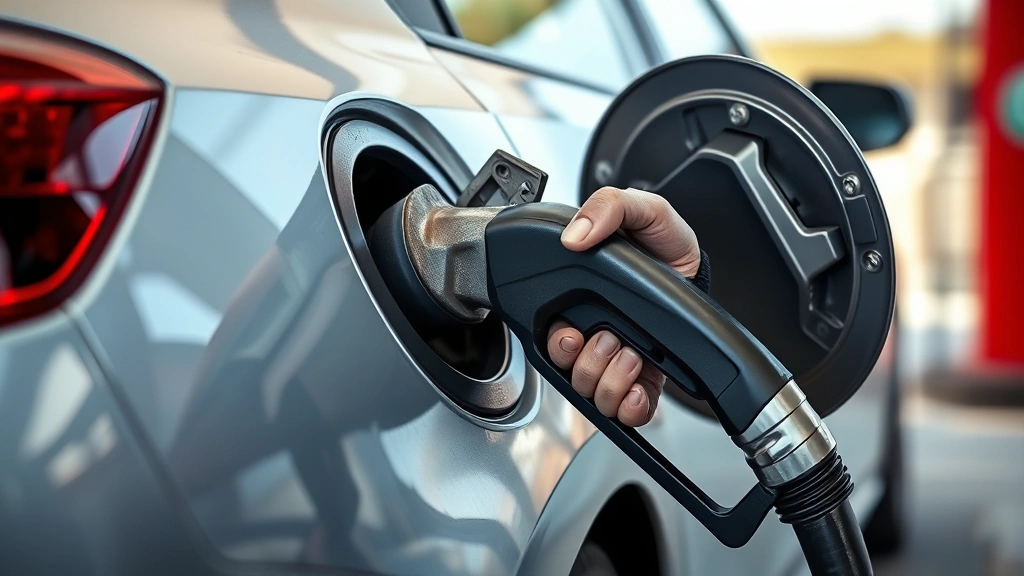
Is Loose Gas Cap Eco-Friendly? Mechanic Insights on Vehicle Emissions and Environmental Impact
A loose gas cap might seem like a minor inconvenience, but it represents a surprisingly significant environmental concern that many drivers overlook. When your vehicle’s check engine light illuminates due to a loose or missing fuel cap, you’re witnessing your car’s onboard diagnostic system alerting you to a problem that directly impacts air quality, fuel efficiency, and your carbon footprint. Understanding the relationship between this small component and broader sustainability issues reveals how everyday vehicle maintenance connects to environmental protection.
The answer to whether a loose gas cap is eco-friendly is straightforward: absolutely not. A loose fuel cap allows gasoline vapors to escape into the atmosphere, contributing to volatile organic compounds (VOCs) and ground-level ozone formation. This article explores the mechanical, environmental, and practical aspects of fuel cap maintenance, drawing on insights from automotive professionals and environmental data to help you understand why this simple fix matters for both your vehicle and the planet.

How Fuel Cap Systems Work and Why They Matter
Modern vehicles utilize sophisticated fuel cap systems designed to maintain pressure within the fuel tank and evaporative emissions control system. The fuel cap contains a pressure relief valve that prevents excessive pressure buildup while maintaining a seal that keeps volatile fuel vapors contained. This engineering solution emerged from decades of environmental regulation and scientific research demonstrating the harmful effects of uncontrolled fuel vapor release.
The typical fuel cap features multiple components: an outer cap that you physically handle, an inner seal made of rubber or elastomer materials, and often a spring-loaded mechanism that ensures proper seating. When functioning correctly, these components work together to create an airtight seal that can withstand pressure variations caused by temperature changes and fuel sloshing during driving. A loose cap fails at this fundamental level, compromising the entire system’s integrity.
Understanding fuel cap functionality connects directly to broader sustainable energy solutions for vehicles. Modern emission control technology represents a collaborative effort between automotive engineers, environmental scientists, and regulatory bodies to minimize transportation’s environmental footprint. The fuel cap, though small, exemplifies how attention to detail in vehicle design creates measurable environmental benefits.
Environmental Impact of Fuel Vapor Emissions
Fuel vapor emissions represent one of the most significant yet underappreciated sources of air pollution from personal vehicles. The EPA’s National Emissions Inventory identifies volatile organic compounds from fuel evaporation as a major contributor to ground-level ozone formation, commonly known as smog. When a fuel cap is loose or missing, gasoline vapors escape directly into the atmosphere, where they react with nitrogen oxides under sunlight to form ozone—a harmful air pollutant that damages respiratory systems and reduces air quality.
A single loose fuel cap might release approximately 30 grams of fuel vapor per day under average conditions. While this seems minimal, multiply this across millions of vehicles, and the cumulative environmental damage becomes substantial. According to environmental research, properly functioning fuel cap systems prevent the release of millions of tons of volatile organic compounds annually across the United States alone. This prevention mechanism makes fuel cap maintenance a concrete example of how individual vehicle maintenance decisions aggregate into meaningful environmental outcomes.
Beyond ozone formation, fuel vapor emissions contribute to climate change through methane and other greenhouse gas components within gasoline vapors. These volatile compounds also degrade air quality in urban areas, creating health risks for vulnerable populations including children, elderly individuals, and people with respiratory conditions. The environmental case for maintaining a tight fuel cap extends beyond abstract climate metrics to direct human health protection.
Why Your Check Engine Light Activates
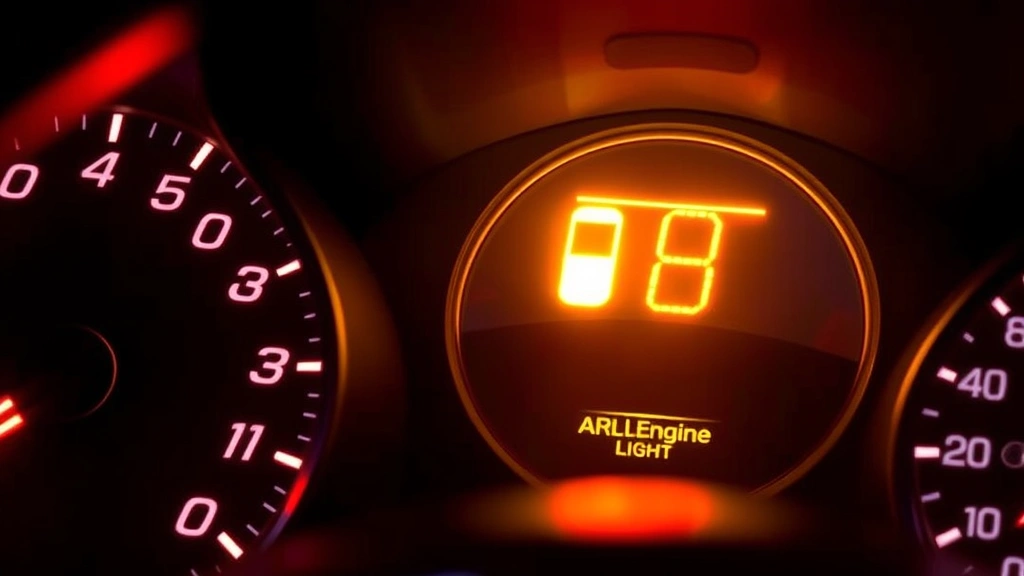
Your vehicle’s check engine light represents one of the most practical environmental protection mechanisms in modern cars. When a fuel cap is loose, the onboard diagnostic system detects a leak in the evaporative emissions control (EVAP) system and illuminates the warning light. This system continuously monitors fuel vapor containment, ensuring that the seal remains intact and functional.
The diagnostic process works through pressure sensors that measure whether the fuel tank maintains the expected pressure range. A loose cap creates a pressure leak that these sensors immediately detect, triggering diagnostic trouble code P0440 (Evaporative Emission System Malfunction) or related codes like P0441 or P0456. While some drivers view the check engine light as an annoyance requiring expensive repairs, mechanics emphasize that in many cases, the solution is as simple as tightening or replacing the fuel cap—a fix costing between $15 and $35.
Understanding your vehicle’s diagnostic systems connects to broader awareness about advantages of electric vehicles and advanced emissions technology. Traditional gasoline vehicles rely on increasingly sophisticated monitoring systems to minimize environmental impact, representing the evolutionary path toward cleaner transportation before widespread electric vehicle adoption becomes universal.
Fuel Efficiency and Loose Cap Consequences
Beyond emission concerns, a loose fuel cap directly impacts your vehicle’s fuel efficiency. When the EVAP system fails to maintain proper pressure, the engine’s fuel management computer cannot accurately calculate fuel delivery, leading to suboptimal combustion and increased fuel consumption. Mechanics report that drivers with loose fuel caps often experience 2-5% reductions in fuel economy, translating to measurable economic and environmental costs.
This efficiency reduction creates a compounding negative effect: loose fuel caps lead to increased fuel consumption, which generates additional emissions, requires more frequent refueling, and increases your vehicle’s overall carbon footprint. For a vehicle driven 12,000 miles annually with a 25 mpg rating, a 3% fuel economy decrease means burning an extra 14 gallons of fuel per year—approximately 300 pounds of additional carbon dioxide emissions annually.
Maintaining proper fuel cap condition represents one of the highest-return maintenance actions you can perform. Unlike complex repairs requiring specialized equipment or significant expenses, fuel cap maintenance is simple, inexpensive, and immediately effective. This accessibility makes fuel cap care an excellent entry point for drivers interested in reducing their environmental impact through vehicle maintenance.
The relationship between fuel efficiency and emissions extends across all vehicle maintenance practices. Proper tire inflation, regular oil changes, and fuel system cleaning all contribute to maintaining optimal combustion efficiency. Exploring how to save energy at home reveals similar principles: small maintenance actions compound into significant environmental and economic benefits.
Mechanic Recommendations for Proper Maintenance
Professional mechanics emphasize several key practices for maintaining optimal fuel cap function and overall vehicle emission control:
- Regular Inspection: Check your fuel cap monthly during regular vehicle inspections. Look for visible cracks, deteriorated rubber seals, or loose threading that indicates replacement is needed.
- Proper Seating: When refueling, ensure the cap is tightened until you hear or feel a distinct click—typically representing 2-3 turns after initial contact. This pressure creates the necessary seal without over-tightening.
- Replacement Schedule: Most fuel caps remain functional for 50,000-100,000 miles, though environmental factors like extreme heat or cold can accelerate degradation. Mechanics recommend replacing caps every 5-7 years as preventive maintenance.
- Quality Selection: OEM (Original Equipment Manufacturer) fuel caps provide superior compatibility and durability compared to aftermarket alternatives, justifying the modest price premium.
- System Cleaning: Annual fuel system inspections can identify vapor leak sources before they trigger check engine lights, allowing proactive maintenance rather than reactive repairs.
Mechanics also recommend addressing check engine lights promptly, as EVAP system leaks can escalate into more serious problems if left unattended. A professional diagnostic scan pinpoints whether the issue is indeed a loose cap or indicates deeper system problems requiring specialized attention.
Sustainable Vehicle Care Practices
Maintaining your fuel cap as part of comprehensive vehicle care contributes to broader sustainability objectives. This perspective connects to green technology innovations transforming our future, where individual responsibility and technological advancement work together to reduce environmental impact.
Sustainable vehicle maintenance encompasses several complementary practices:
- Preventive Maintenance Culture: Adopting a preventive approach to vehicle care—addressing small issues before they become major problems—reduces waste and extends vehicle lifespan, minimizing the environmental impact of manufacturing replacement vehicles.
- Documentation and Tracking: Maintaining detailed service records helps identify maintenance patterns and plan replacements proactively, reducing emergency repairs that often involve wasteful expedited shipping or replacement of components that could have been repaired.
- Quality Parts Investment: Choosing durable, high-quality components over cheaper alternatives reduces replacement frequency and associated waste, despite higher initial costs.
- Professional Service Relationships: Establishing relationships with qualified mechanics ensures expert maintenance and reduces the risk of misdiagnosis leading to unnecessary repairs and wasted resources.
- Driving Behavior Optimization: Combining proper vehicle maintenance with fuel-efficient driving habits—gradual acceleration, consistent speeds, and reduced idling—maximizes the environmental benefits of your maintenance efforts.
The connection between fuel cap maintenance and broader sustainability extends to understanding your vehicle’s role in your personal carbon footprint. Even before considering electric vehicle transitions, optimizing your current vehicle’s efficiency through proper maintenance represents an immediately actionable sustainability practice.
Understanding whether natural gas is renewable provides context for evaluating different fuel types and their environmental implications. Similarly, examining your vehicle’s fuel consumption and emissions through the lens of proper maintenance connects personal choices to environmental outcomes.
For those interested in comprehensive sustainability information, the SustainWise Hub Blog offers extensive resources on environmental practices across multiple life domains. Vehicle maintenance represents just one component of a holistic sustainability approach that addresses energy use, consumption patterns, and environmental responsibility.
FAQ
What happens if I drive with a loose fuel cap?
Driving with a loose fuel cap allows fuel vapors to escape into the atmosphere, increasing emissions and reducing fuel efficiency by 2-5%. Your check engine light will likely illuminate, and you may experience slightly rougher engine performance. The vehicle remains drivable, but environmental and economic costs increase with each mile driven.
How much does it cost to replace a fuel cap?
Fuel cap replacement typically costs $15-$35 for the part itself, with minimal labor charges since installation takes minutes. This represents one of the most affordable vehicle maintenance tasks, making it accessible for all vehicle owners regardless of budget constraints.
Can a loose fuel cap cause damage to my engine?
While a loose fuel cap won’t cause immediate engine damage, prolonged EVAP system leaks can affect fuel pressure regulation and combustion efficiency, potentially leading to more serious problems if left unaddressed. Addressing the issue promptly prevents escalation to costlier repairs.
How do I know if my fuel cap is the problem?
A professional diagnostic scan will confirm whether the check engine light relates to fuel cap issues. You can also visually inspect the cap for cracks or deterioration. Tightening the cap and clearing the diagnostic code provides a quick test—if the code returns immediately, the cap likely requires replacement.
Is fuel cap maintenance considered eco-friendly?
Yes, fuel cap maintenance is fundamentally eco-friendly. It prevents harmful VOC emissions, reduces fuel consumption, minimizes your vehicle’s carbon footprint, and represents a simple, inexpensive action with meaningful environmental benefits. Proper fuel cap maintenance exemplifies how small maintenance decisions create measurable environmental improvements.
Do electric vehicles have fuel caps?
Electric vehicles don’t have fuel caps since they don’t use gasoline. However, they require different maintenance practices related to battery health and electric drivetrain systems. Transitioning to electric vehicles represents a significant step in personal sustainability, though optimizing current vehicle efficiency through proper maintenance remains valuable for those not yet ready to switch.


