
Chevy 6.6L V8 Specs: Complete Guide to Performance and Efficiency
The Chevrolet 6.6L V8 engine represents a significant piece of American automotive engineering, delivering substantial power and torque for heavy-duty applications. However, as sustainability becomes increasingly important, understanding the specifications and environmental impact of large-displacement engines is crucial for informed purchasing decisions. This comprehensive guide explores the technical specifications, performance metrics, and ecological considerations of the Chevy 6.6 gas engine.
Whether you’re a truck enthusiast, fleet manager, or someone curious about engine technology, this guide provides detailed information about one of Chevrolet’s most powerful gasoline engines. We’ll examine its specifications, real-world performance, fuel consumption patterns, and how it compares to more sustainable alternatives in today’s market.
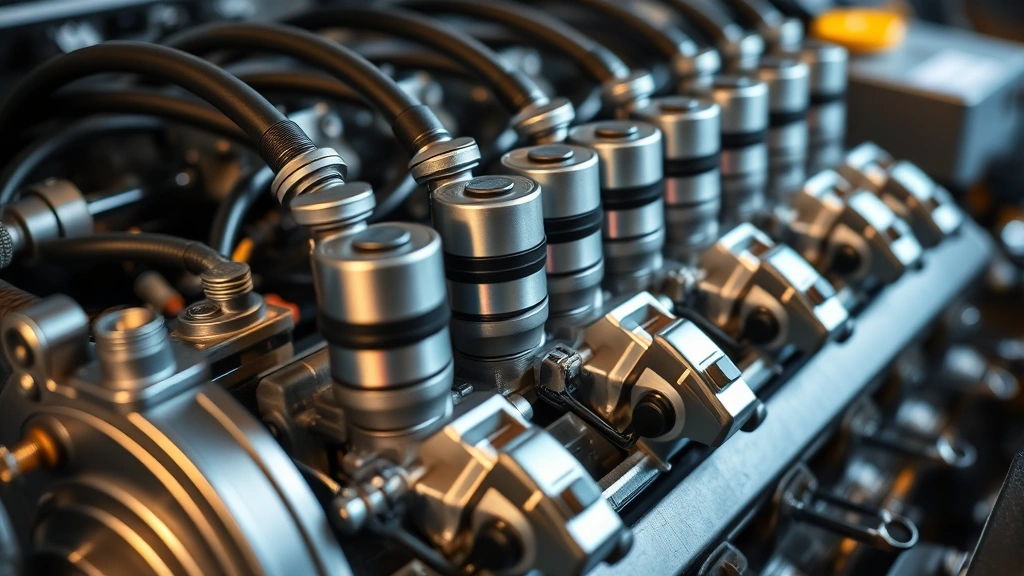
Engine Specifications Overview
The Chevrolet 6.6L V8 gasoline engine is a naturally aspirated, eight-cylinder powerhouse designed primarily for full-size pickup trucks and heavy-duty vehicles. With a displacement of 6.6 liters (402 cubic inches), this engine represents the upper echelon of gasoline engine technology in consumer vehicles. Understanding its core specifications helps establish a foundation for evaluating its performance capabilities and environmental considerations.
The engine features a cast-iron block construction with aluminum cylinder heads, contributing to its durability and heat dissipation properties. The bore and stroke measurements are precisely engineered to optimize combustion efficiency and power delivery across various RPM ranges. Most iterations of the 6.6L V8 operate with a compression ratio between 9.0:1 and 10.5:1, depending on the model year and specific configuration.
Valve configuration includes 16 total valves (two intake and two exhaust per cylinder), operated by a single overhead camshaft design with pushrods. This traditional configuration has proven reliable over decades of use, though it differs from modern overhead cam designs found in green technology innovations transforming our future vehicles. The engine utilizes a wet-sump lubrication system with typical oil capacity ranging from 7 to 8 quarts, requiring regular maintenance intervals to ensure optimal performance.
Fuel delivery systems evolved across generations, transitioning from carburetion to sequential fuel injection in modern versions. Contemporary 6.6L V8 models employ advanced fuel management systems with multiple injectors per cylinder, improving atomization and combustion efficiency. Ignition systems utilize distributorless ignition with individual coil-on-plug technology, enhancing spark timing precision and reliability.
Key Technical Specifications:
- Displacement: 6.6 liters (402 cubic inches)
- Configuration: Naturally aspirated V8
- Valve arrangement: 16 total valves
- Camshaft type: Single overhead cam with pushrods
- Fuel system: Sequential multi-point fuel injection
- Block material: Cast iron
- Cylinder head material: Aluminum
- Oil capacity: 7-8 quarts
- Cooling system: Liquid-cooled with thermostat control
Performance and Power Output
The Chevrolet 6.6L V8 delivers impressive power and torque figures that have made it popular among truck owners and commercial fleet operators. Peak horsepower typically ranges from 360 to 405 horsepower, depending on the specific model year and generation. Maximum torque output generally falls between 460 and 500 pound-feet, providing substantial pulling capability for towing and hauling applications.
These performance metrics make the 6.6L V8 suitable for demanding work environments where payload capacity and towing power are essential. The engine achieves its peak horsepower at approximately 5,200 RPM, while maximum torque delivery occurs at lower RPM ranges (typically 2,800-3,600 RPM), creating a broad power band suitable for varied driving conditions. This characteristic torque curve enables efficient acceleration from standstill and sustained power during heavy-load scenarios.
Acceleration performance reflects the engine’s substantial displacement and power output. Most vehicles equipped with the 6.6L V8 can accelerate from 0-60 mph in the 8-10 second range, competitive with many mid-sized sedans despite their significantly greater weight. This performance comes at a considerable environmental cost, which we’ll explore further in the emissions section.
The engine’s redline typically sits around 5,500-5,700 RPM, reflecting its design parameters and durability considerations. Proper engine management systems prevent over-revving, protecting internal components from excessive stress. When comparing these specifications to alternatives, consider exploring advantages of electric vehicles for understanding modern performance paradigms.
Fuel Consumption and Efficiency
Fuel economy represents one of the most significant drawbacks of the 6.6L V8 gasoline engine. EPA estimates typically range from 10-13 mpg in combined driving, with city driving often yielding lower figures around 8-10 mpg. Highway driving improves efficiency somewhat, potentially reaching 13-15 mpg under optimal conditions with steady-state cruising at moderate speeds.
These fuel consumption rates translate to substantial annual operating costs and environmental impact. A vehicle averaging 11 mpg and driven 12,000 miles annually consumes approximately 1,090 gallons of gasoline yearly. Over a vehicle’s typical 200,000-mile lifespan, this represents nearly 18,000 gallons of fuel consumption, with significant implications for both personal finances and environmental sustainability.
Several factors influence real-world fuel economy beyond EPA ratings. Driving habits, terrain, load carrying capacity, vehicle maintenance condition, and weather conditions all affect consumption rates. Aggressive acceleration and high-speed driving substantially reduce efficiency. Conversely, steady-state highway driving at moderate speeds optimizes fuel economy. Proper tire inflation, regular engine maintenance, and aerodynamic considerations also play important roles in overall efficiency.
For those concerned about fuel consumption, understanding how to reduce your environmental footprint provides valuable strategies. Modern alternatives like diesel engines in comparable vehicles often deliver 15-20% better fuel economy, while hybrid and electric options provide dramatically superior efficiency metrics.
Fuel Economy Comparison:
- 6.6L V8 Gasoline: 10-13 mpg combined
- Diesel alternatives: 14-18 mpg combined
- Hybrid trucks: 18-22 mpg combined
- Electric trucks: 80-120 MPGe equivalent
Emissions and Environmental Impact
The environmental implications of operating a 6.6L V8 gasoline engine deserve serious consideration, particularly as climate change concerns intensify. These large-displacement engines produce substantial carbon dioxide emissions, contributing directly to greenhouse gas accumulation in the atmosphere. Annual CO2 emissions from a 6.6L V8 vehicle typically exceed 10 tons, significantly above the average passenger vehicle.
Beyond carbon dioxide, the engine produces various criteria pollutants regulated under the Clean Air Act. Nitrogen oxides (NOx), particulate matter (PM), and volatile organic compounds (VOCs) all emerge from combustion processes. Modern fuel injection and emission control systems (catalytic converters, oxygen sensors, and exhaust gas recirculation) reduce these emissions compared to older technologies, but substantial pollution still occurs.
The EPA’s air quality standards establish acceptable pollution levels, and while modern 6.6L V8 engines meet current regulations, they still produce considerably more emissions than smaller, more efficient alternatives. Fleet operators managing multiple heavy-duty vehicles face significant regulatory compliance challenges and environmental responsibility considerations.
Exploring sustainable energy solutions reveals that alternative powertrains offer dramatically reduced environmental impact. Electric trucks eliminate direct tailpipe emissions entirely, while hybrid systems reduce fuel consumption and emissions by 30-50%. For organizations committed to environmental stewardship, transitioning away from large-displacement gasoline engines represents a meaningful step toward sustainability goals.
Lifecycle analysis reveals that manufacturing impacts, fuel production, and vehicle disposal all contribute to total environmental cost. The 6.6L V8’s substantial fuel consumption dominates its lifecycle environmental impact, making efficiency improvements through alternative powertrains particularly impactful.
Maintenance and Longevity
The Chevrolet 6.6L V8’s proven design contributes to reliable long-term operation when properly maintained. Regular maintenance intervals follow manufacturer specifications, typically including oil changes every 5,000-7,500 miles, depending on driving conditions and oil type. Using synthetic motor oil extends intervals and provides superior protection, particularly beneficial for heavy-duty applications.
Routine maintenance tasks include air filter replacement, spark plug service, coolant system flushes, and transmission fluid changes. The engine’s cast-iron construction provides durability, resisting wear and accommodating higher mileage operation than some modern aluminum-intensive designs. Many 6.6L V8 engines operate reliably beyond 200,000 miles with conscientious maintenance.
Fuel filter maintenance proves essential for engine longevity and performance consistency. Dirty fuel filters restrict fuel flow, reducing performance and increasing fuel consumption. Similarly, maintaining clean air filters ensures optimal air intake and combustion efficiency. Ignition system maintenance, while less frequent with modern coil-on-plug designs, remains important for consistent operation.
The engine’s cooling system requires attention to prevent overheating, particularly during towing or heavy-load operations. Regular coolant flushes and thermostat inspections ensure efficient heat dissipation. Brake fluid, transmission fluid, and differential fluid changes follow manufacturer-recommended intervals, contributing to overall vehicle reliability and performance.
Longevity considerations suggest that quality fuel, premium motor oil, and adherence to maintenance schedules can extend engine life significantly. However, the cumulative environmental cost of operating such a fuel-inefficient engine over its lifetime remains substantial, regardless of mechanical longevity.
Comparison to Modern Alternatives
Contemporary vehicle design has shifted toward smaller, turbocharged engines, hybrid systems, and electric powertrains, each offering distinct advantages over traditional large-displacement gasoline engines. Understanding these alternatives provides context for evaluating the 6.6L V8’s role in today’s automotive landscape.
Turbocharged Engine Alternatives: Modern 5.0L and 5.3L turbocharged V8 engines deliver comparable power output while improving fuel economy by 15-20%. Turbocharging increases air density entering cylinders, enabling smaller displacement engines to produce equivalent power with reduced fuel consumption. These engines meet modern emission standards while maintaining the driving experience truck enthusiasts appreciate.
Diesel Engines: Heavy-duty diesel alternatives provide superior torque and fuel economy, often delivering 40-50% better efficiency than gasoline counterparts. Diesel fuel contains approximately 11% more energy per gallon than gasoline, contributing to efficiency advantages. While diesel engines produce different emission profiles (particularly regarding particulate matter and NOx), they generate substantially less CO2 per mile driven.
Hybrid Systems: Hybrid trucks combine gasoline engines with electric motors and battery packs, reducing fuel consumption by 30-50% depending on driving patterns. Regenerative braking captures energy typically wasted during deceleration, storing it for electric motor assistance during acceleration. For vehicles with frequent stop-and-start driving patterns, hybrid systems provide exceptional efficiency gains.
Electric Trucks: Modern electric trucks eliminate tailpipe emissions entirely while delivering impressive performance. Vehicles like the Ford F-150 Lightning and Chevrolet Silverado EV provide substantial towing capacity and payload capability comparable to traditional trucks. While initial costs remain higher, operational cost advantages and environmental benefits continue improving as electricity generation becomes increasingly renewable.
For comprehensive understanding of modern powertrain efficiency, explore definition of sustainability and its application to transportation choices. The shift toward sustainable mobility represents a fundamental transformation in how we approach vehicle selection and environmental responsibility.
Real-World Applications
Despite environmental concerns, the 6.6L V8 continues serving legitimate applications where its capabilities provide genuine value. Understanding these use cases helps contextualize the engine’s continued presence in the market and explains its appeal to specific customer segments.
Commercial Fleet Operations: Construction companies, utility contractors, and service providers rely on heavy-duty trucks for work that demands substantial towing and payload capacity. In these commercial contexts, the 6.6L V8’s power and reliability can justify its fuel consumption when productivity gains exceed operational costs. However, fleet operators increasingly evaluate electric and hybrid alternatives as costs decline and capabilities improve.
Recreational Towing: Owners of large travel trailers, horse trailers, and boat trailers often choose 6.6L V8 trucks for towing capability and safety margins. The engine’s torque delivery and power enable confident handling of substantial loads across varied terrain. For frequent towing scenarios, the fuel consumption costs become predictable operational expenses.
Off-Road and Specialty Uses: Severe off-road driving, particularly in remote areas without electric charging infrastructure, remains a domain where gasoline engines provide practical advantages. Similarly, specialized industrial applications and emergency response vehicles benefit from the established infrastructure and proven reliability of gasoline engines.
Evaluating whether the 6.6L V8 suits your needs requires honest assessment of actual usage requirements versus aspirational capability. Many truck owners never fully utilize their vehicles’ towing or payload capacity, paying fuel consumption penalties for capabilities they rarely employ. In these cases, exploring sustainable energy solutions becomes increasingly compelling.
FAQ
What is the exact horsepower of a Chevy 6.6L V8?
The Chevrolet 6.6L V8 produces between 360 and 405 horsepower, depending on model year and generation. Peak horsepower typically occurs at approximately 5,200 RPM. Earlier iterations produced lower figures around 330-350 hp, while recent generations achieve higher outputs through improved fuel injection and engine management systems.
How many miles per gallon does a 6.6L V8 get?
EPA estimates typically range from 10-13 mpg in combined driving. City driving yields approximately 8-10 mpg, while highway driving can reach 13-15 mpg under optimal conditions. Real-world fuel economy varies based on driving habits, terrain, vehicle load, and maintenance condition. Aggressive driving and frequent acceleration substantially reduce efficiency.
Is the 6.6L V8 still available in new Chevrolet trucks?
Chevrolet has discontinued the gasoline 6.6L V8 from most consumer truck lineups, focusing instead on smaller turbocharged engines and alternative powertrains. However, the engine may remain available in some commercial or specialty applications. Modern alternatives like the 5.3L turbocharged V8 offer comparable power with improved efficiency.
What are the emissions specifications for the 6.6L V8?
Modern 6.6L V8 engines meet EPA Tier 2 and Tier 3 emission standards, producing approximately 300-350 grams of CO2 per mile. Annual emissions from a typical vehicle exceed 10 tons of CO2. Nitrogen oxides and particulate matter emissions are controlled through catalytic converters and exhaust gas recirculation systems, though substantial pollution still occurs compared to modern alternatives.
How does the 6.6L V8 compare to diesel engines?
Diesel engines typically deliver 15-20% better fuel economy than 6.6L gasoline V8s, producing comparable or superior torque. Diesel fuel contains more energy per gallon, contributing to efficiency advantages. However, diesel engines produce different emission profiles with higher nitrogen oxides and particulate matter, requiring specialized emission control systems.
What maintenance intervals does the 6.6L V8 require?
Oil changes typically occur every 5,000-7,500 miles, spark plug service every 30,000-100,000 miles depending on plug type, coolant flushes every 30,000-50,000 miles, and transmission fluid changes every 50,000-100,000 miles. Regular air filter replacement, fuel filter service, and brake fluid changes follow manufacturer recommendations. Proper maintenance extends engine life and ensures optimal performance.
Can a 6.6L V8 truck be converted to electric?
While complete electric conversion of existing 6.6L trucks remains expensive and technically complex, it’s theoretically possible. However, purchasing purpose-built electric trucks proves more practical and cost-effective. Modern electric trucks offer superior efficiency, lower operating costs, and environmental benefits while eliminating conversion complications.
What is the towing capacity of vehicles with 6.6L V8 engines?
Towing capacity varies by vehicle model and configuration, typically ranging from 10,000 to 14,000 pounds depending on transmission type, rear axle ratio, and suspension setup. Payload capacity usually ranges from 1,500 to 3,500 pounds. Actual towing capability depends on numerous factors including trailer brakes, weight distribution, and driving conditions. Always consult manufacturer specifications for your specific vehicle.


